


Book An Appointment


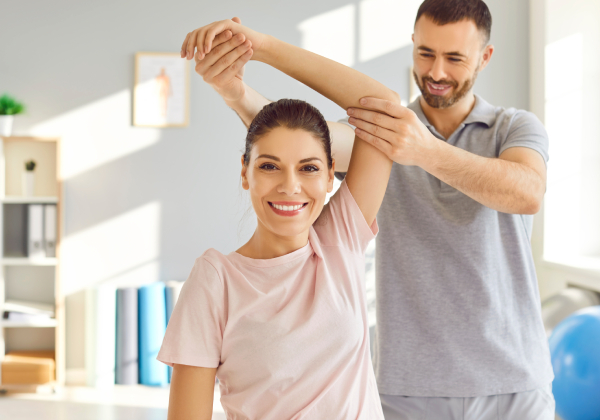
Manual Osteopathy is a form of hands on therapy that focuses on eliminating pain and restoring function by addressing the root cause of the pain, injury or imbalance. Manual osteopaths believe in the body’s natural ability to heal itself, and their role is to enhance and guide the body’s normal healing properties. The philosophy of osteopathy is based on the following principles:
Rational treatment is based on these principles.
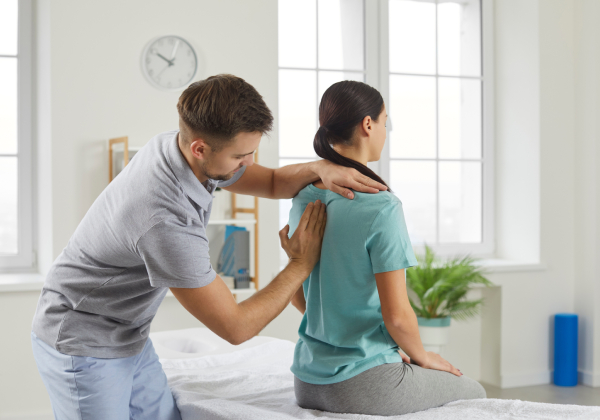 When a person sees a manual osteopath at PhysioNow, the practitioner will assess the whole person, not just the painful area, to find the point(s) of restriction. Manual osteopaths understand that the sum is greater than the parts. They must understand all aspects of their patient including emotional, cognitive, spiritual and social systems. An initial assessment will begin with a detailed health history, followed by a postural and gait analysis as the manual osteopath looks for any imbalances or misalignments of the body. Manual palpation is used in conjunction with orthopaedic and neurological tests to get an idea of what the major issues are and to begin to form a treatment plan. It is important to conduct a head to toe analysis, as the primary cause of the ailment may not be where the person is experiencing the symptoms. A misalignment in one area of the body can lead to a chain reaction of compensations that ultimately ends up manifesting as pain in a completely different area. This shows how connected the body is, and how optimizing structural balance allows the body as a whole to function better.
Manual osteopaths are able to treat an extremely wide variety of problems and issues. These may include:
A manual osteopath at PhysioNow uses many different techniques to treat the imbalances they may find in their initial assessment. As seen on on the Ontario Association of Osteopathic Manual Practitioners, these can include:
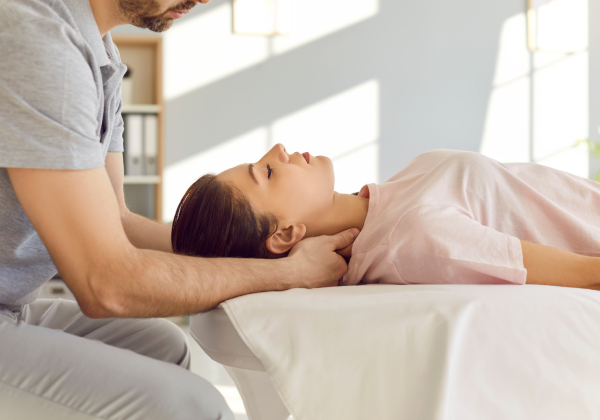 Muscle energy techniques are used to stretch and lengthen tight muscles. Soft tissue techniques are used to release trigger points, reduce tone in a muscle or ligament, and stretch tight fascia. Osteopathic articular techniques are less forceful than joint manipulations and involve moving the surfaces of a joint relative to each other. This helps with mobility, pain, muscle spasms, and neurological irritations. Cranial osteopathy is used in treatment of the skull mainly, but the techniques may be used in other bony areas of the body including the spine or pelvis. The aim of cranial osteopathy is restoring optimal neurovascular flow for the nervous system, including all the important signaling centers in the brain. Finally, visceral manipulation is a technique that treats the internal organs through gentle pressure. This manipulation helps restore full movement, mobility, and function of the viscera.
The therapist will also assign corrective exercises that the client can do to help maintain the corrections achieved during the treatment. The main goal of applying these techniques is to put the body into proper alignment, correct imbalances, and allow for optimal range of motion. Since structure governs function, when the bone structures are in the correct position and the soft tissues are the proper length, the body is able to function as it was designed to do. Blood and lymphatic fluid are able to more freely circulate around the body and the nerves are able to fire properly as they are not being compressed by misaligned or tight structures. When this is achieved, the body is able to self-regulate and has the ability to defend and heal itself.
Good news for our patients! More and more insurance providers have coverage for manual osteopathy. As always, this will vary by individual member, plan, and company so check and see what your benefits can get you! For more information on billing with PhysioNow, see our Fees and Finances page.
Book an appointment with Richard Haddad (DOMP) for a manual osteopathy treatment at PhysioNow today.
Soreness during or after from exercises and manual work
Soreness during or after from adjustments and other manual work
Very gentle manual work
Always includes exercises to target areas of need and long term prevention
Often paired with corrective stretches
Focuses primarily on passive techniques to restore balance in body
EHC, MVA, and WSIB coverage
EHC, MVA, and WSIB coverage
EHC coverage
| Physiotherapy | Chiropractic Care | Manual Osteopathy | |
|---|---|---|---|
| Primary Clinical Focus |
|
|
|
| Core Treatment Methods |
|
|
|
| Level of Discomfort | Mild to moderate Soreness during or after from exercises and manual work | Mild to moderate Soreness during or after from adjustments and other manual work | Minimal Very gentle manual work |
| Sessions Required |
|
|
|
| Active Rehab & Exercise | Very high Always includes exercises to target areas of need and long term prevention | Moderate to high Often paired with corrective stretches | Lower Focuses primarily on passive techniques to restore balance in body |
| Insurance & Coverage (Ontario) | Widely covered EHC, MVA, and WSIB coverage | Widely covered EHC, MVA, and WSIB coverage | Widely covered EHC coverage |
| Best Suited For |
|
|
|
Both professions treat similar conditions and may overlap in some of their manual techniques. However, they differ largely in their clinical focus.
Manual osteopathy takes a whole-body outlook and follows the chain of compensation. This means that treatment may target other body areas other than where the initial pain/issue was felt. Physiotherapy tends to treat a more targeted area, focusing on the strength, mobility, and function around the site of the injury.
Additionally, manual osteopathy tends to be a gentler and more hands-on-focused treatment to bring relief and correction to body imbalances. Physiotherapy incorporates both passive techniques and active exercises to build resilience and independence.
Yes, Manual Osteopathy is covered by many extended health care (EHC) plans now. Each member’s plan is slightly different, however, and we recommend checking with your insurer to find out your exact coverage. For more information on insurance coverage, check out our fees and financing page. PhysioNow offers direct billing for your convenience!
No, Manual Osteopathy does not do adjustments or high-velocity manipulations. Manual Osteopathy techniques specialize in gentle, low-force strategies. These techniques include muscle energy techniques, myofascial release, visceral manipulation, and cranial therapies.
At your first visit, expect a comprehensive 1-on-1 session with the Manual Osteopath. The goal of the first session is to conduct a whole-body assessment to find the root cause of your issue and ensure we are not just treating a symptom.
Your Manual Osteopath will take a health history, ask you to perform some movements, and check your whole body with hands-on palpation to locate any restrictions. Based on what they see in the assessment, they will create a personalized treatment and perform it right in the first session. Afterwards, they will discuss the plan of care with you, including what to expect, how many visits you’ll need, and how often to come. They will also collaborate with your other practitioners at PhysioNow, such as massage and physiotherapy, to help you recover as quickly as possible.
PhysioNow now has 10 different locations across the GTA.
We are located in Applewood, Erin Mills, Lorne Park, Hurontario-Eglinton, Maple Grove, Etobicoke South, Burlington, Creditview-Bristol, Clarkson Village and Oakville North.
2026 Urgent Care Physiotherapy Clinic & Rehabilitation Center - Physionow.ca. All Rights Reserved.

Book An Appointment