


Book An Appointment








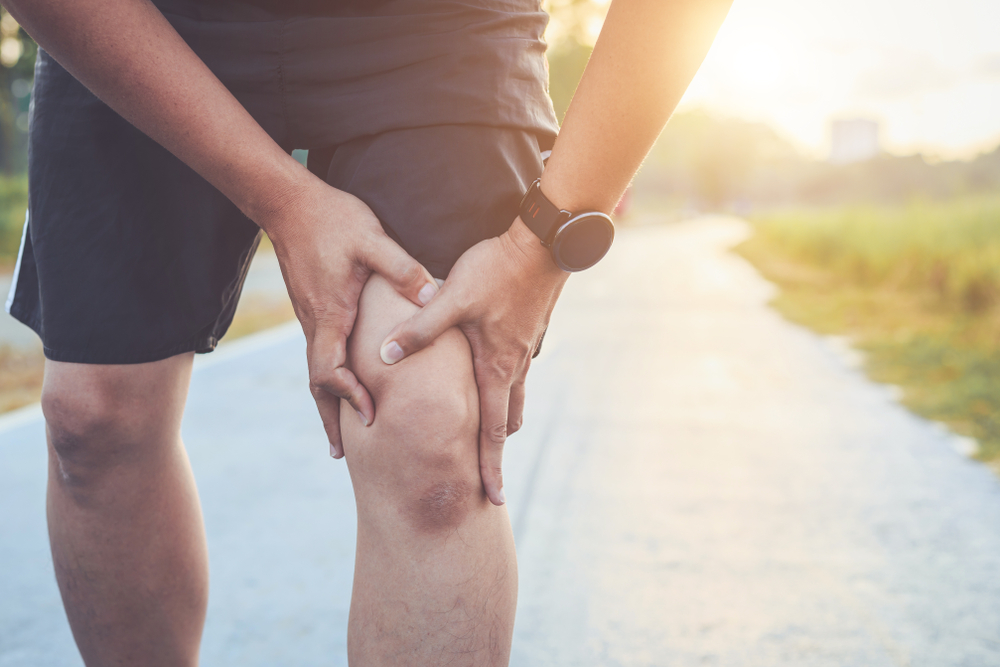 Knee pain can affect people of all ages and can be very debilitating. Knee pain can start suddenly with a fall or a motor vehicle accident or it can build up over time. Knee pain can make it difficult for people to do daily things, such as walking and climbing stairs. It can also prevent people from being active and doing regular exercise, which can negatively impact their overall health.
The signs and symptoms of knee pain will depend on the specific nature of the injury. However, the most commonly reported symptoms of knee pain include:
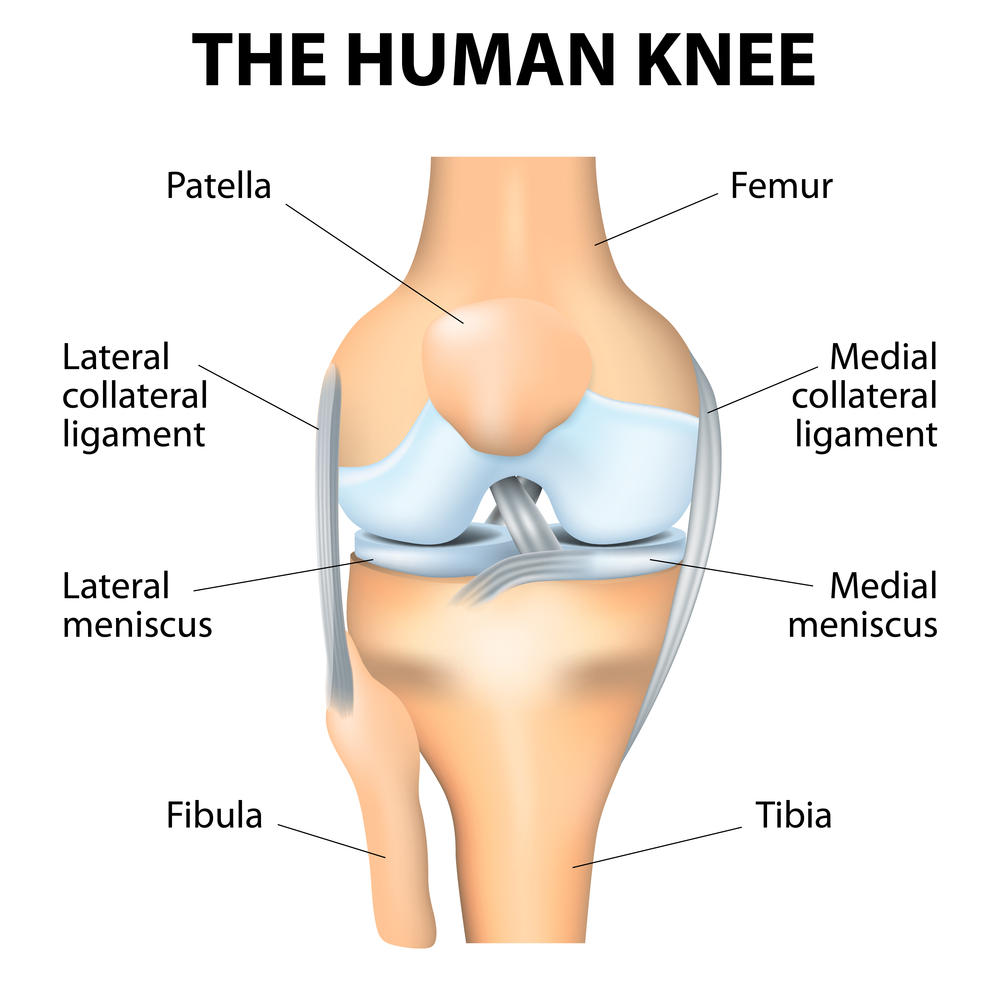
Like most joints in the body, the knee joint is very complex. It is made up of three bones and supported by several types of soft tissues. There are a variety of structures that can be involved in producing knee pain.
| Structure(s) | Nature of the injury |
|---|---|
| Bones – femur, tibia and patella (kneecap) |
|
| Cartilage |
|
| Meniscus |
|
| Ligaments |
|
| Bursae |
|
| Muscles & Tendons |
|
 Knee pain can happen for several different reasons. The most common reasons for knee pain are:
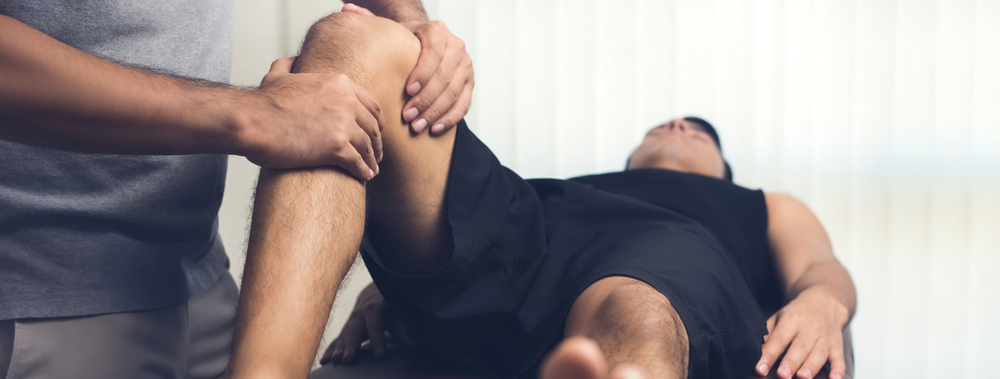 Physiotherapy is very important for the management of the knee pain. A Registered Physiotherapist at PhysioNow will perform a thorough assessment of the knee and implement a treatment plan to address all the patient’s limitations, including their pain, swelling, strength and function.
Physiotherapy treatment for knee pain will include patient education, manual therapy for the soft tissues and joints of the knee and active exercise therapy. Electrotherapy or acupuncture may also be used to help with pain management.
Don’t let knee pain stop you from living your life! We have 4 locations across the communities of Mississauga, Etobicoke and Oakville to help you manage your pain. Contact PhysioNow to book your appointment and get started today!
Physiotherapists will use a variety of treatment techniques to decrease your pain, increase your mobility and strength, and increase the functional capacity of your knee. After a comprehensive assessment, a physiotherapist will create an individualized treatment plan to suit your unique needs. This may include manual therapy, modalities like heat or ice, therapeutic exercises, functional training and more.
If you have persistent pain, difficulty with daily movements and activities, or are limited in playing your favourite sport, it might be time to seek help from a Physiotherapist. Our experienced PhysioNow staff will get you on a tailored treatment plan to reduce your pain and get you back to doing what you love.
After an acute injury or during an arthritic flare up, it is recommended to rest the knee for a brief period of time. However, resting for too long can negatively affect the strength and function of your knee. If you are unsure of how much your knee can handle, consult one of the Registered Physiotherapists at PhysioNow.
Imaging tests like an MRI are the gold standard to determining the injured structures. Oftentimes, these structures can be injured together as well. Common findings for an ACL injury are a popping sound, immediate pain and swelling, and instability in the knee. Common findings for a meniscal tear are clicking, locking of the joint, and difficulty with straightening and bending the knee.
It depends on the part of the meniscus and the extent of the injury. Minor tears and in areas with a stronger blood supply are more likely to heal. Larger tears and ones that damage the inner portion of the meniscus with less blood supply are less likely to recover on their own. In these cases, surgery may be required. Your health care team will help you determine an appropriate course of action.
PhysioNow now has 10 different locations across the GTA.
We are located in Applewood, Erin Mills, Lorne Park, Hurontario-Eglinton, Maple Grove, Etobicoke South, Burlington, Creditview-Bristol, Clarkson Village and Oakville North.
2026 Urgent Care Physiotherapy Clinic & Rehabilitation Center - Physionow.ca. All Rights Reserved.

Book An Appointment