
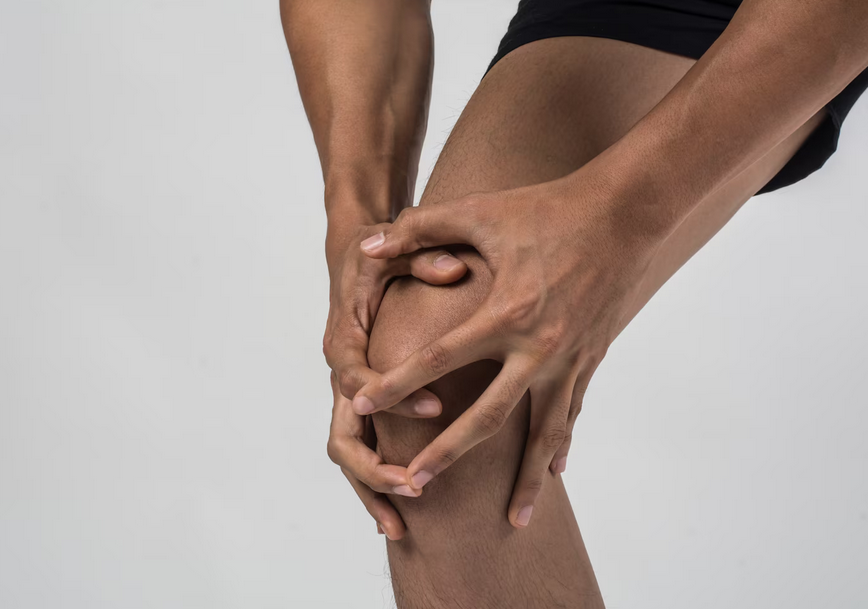
When knee pain shows up, it can impact everything from walking, climbing stairs, playing sports, even just sitting comfortably. One of the most common reasons people feel that sharp or nagging pain inside the knee is a meniscus strain. The good news? Many meniscus injuries heal well with the right care and guidance.
Let’s break down what the meniscus does, how strains happen, and how physiotherapy helps you get back to moving confidently.
What is the meniscus?
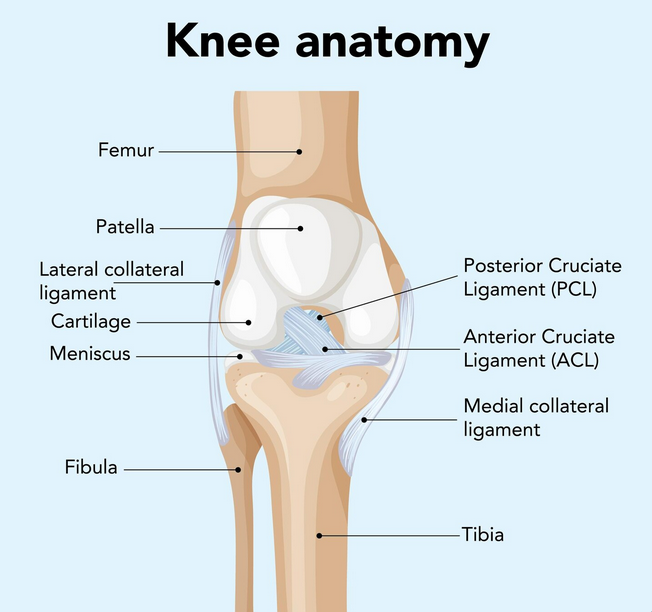
The meniscus is a C-shaped piece of cartilage inside your knee. Think of it like a cushion to help reduce friction and pressure. Each knee actually has two sitting side by side, one closer to the inside of your knee (medial meniscus) and one closer to the outside outside (lateral meniscus).
These small but important structures help your knee by:
- Absorbing shock
- Improving stability
- Distributing weight evenly
- Guiding smooth movement
When the meniscus is irritated or stressed, it can quickly lead to noticeable knee pain.
What is a meniscus strain?
A meniscus strain means the tissue has been stressed or mildly injured, not fully torn. A meniscus tear is a more significant injury where the cartilage fibers are completely disrupted.
Meniscus strains commonly happen from:
- Twisting or pivoting on a bent knee (very common in sports)
- Deep squatting or lifting heavy weight with poor form
- Sudden stops or quick changes in direction
While strains are less severe than tears, they can still be painful and limit how much you can bend, straighten, or put weight through your knee.
What are the signs and symptoms?
You may be dealing with a meniscus strain if you notice:
- Pain on either the inner or outer side of your knee, along the joint line
- Swelling or stiffness after activity
- A feeling of catching, locking, or buckling
- Reduced range of motion, especially with maximal bending
- Discomfort when bearing weight or twisting your knee
If symptoms are sharp, persistent, or increasing, it’s important to get checked. After even just a minor strain, the body can lose significant amounts of strength. Unfortunately, this can predispose you to another injury, including a full tear. As a result, it is crucial to rehab your knee after a meniscus strain.
How is a meniscal strain diagnosed?
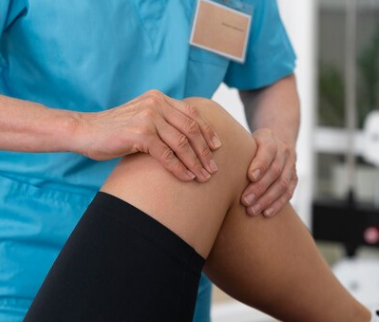
A physiotherapist or healthcare provider will usually:
- Ask about how the injury happened
- Assess how your knee moves
- Assess your strength
- Perform special tests like McMurray’s or Apley’s that check for meniscal injury specifically
- Recommend imaging (like an MRI) if a tear is suspected
The goal is to understand what movements are contributing to your knee pain, and develop a treatment plan to help you recover to your full strength.
How does physiotherapy help?
Most meniscus strains do very well with conservative treatment (non-surgical treatment), and physiotherapy plays a major role in reducing pain and rebuilding strength.
1. Early Phase (0–7 days)
Focus: Reduce swelling and protect the knee from farther injury
- Resting from painful activities
- Ice, compression, bracing
- Elevating the leg to manage swelling
- Light, pain-free range-of-motion exercises
- Early muscle activation (like quad sets or easy straight leg raises)
2. Recovery Phase (1–3 weeks):
Focus: Get your knee moving more seriously again
- Low-impact cardio like cycling or swimming
- Controlled bending and straightening exercises
- Balance work (single-leg stance, gentle weight shifting)
- Building early strength in the quads, hamstrings, and glutes
3. Strength & Return-to-Activity Phase (3–6+ weeks)
Focus: Continue building stability and prepare for real-life movement
- Resistance training for the lower body
- Functional exercises like step-ups and mini-squats
- Sport-specific drills (if needed)
- Education to prevent re-injury
Your timeline will vary based on pain levels, pre-injury fitness, and how severe the initial injury to the meniscus was, but gradual, guided progress is key.
Can I prevent a meniscus strainB?
It is not possible to completely remove the chance of injuries, but you can lower your risk with a few simple habits:
- Engage in a thorough warm up before sports or workouts
- Strengthen your lower-body muscles, especially glutes, quads, and hamstrings
- Avoid sudden twisting or pivoting under load
- Use proper lifting technique
- Give your body rest when it needs it
Looking for help with knee pain?
Look for PhysioNow! Our expert Physiotherapists, Manual Osteopaths, Massage Therapists and Athletic Therapists can help you recover from knee pain, sports injuries and more! We have 10 locations across the west GTA including Burlington, Oakville, Mississauga, and Etobicoke. Please feel free to contact us by phone: 289-724-0448 or email: applewood@physionow.ca with any inquiries. Book with PhysioNow today for your first assessment and treatment!

