

FRIENDLY REMINDER: Use Your Extended Health Benefits Before the End of the Year!

Central Booking905-277-1782


Open

Pediatric Physiotherapy: Tech Neck and Posture

September 17 | 2026
Posted by Amanda Quek

0 comment

Leaning over a desk doing homework or studying puts a lot of pressure on the muscles and joints at the back of the neck. Maybe you’ve noticed that your child spends a lot of time hunched over their homework or leaning forwards at their computer. You may have noticed them rubbing their neck or complaining about soreness. This is a very common phenomenon in both adults and children, and has been becoming known more and more as “tech neck”. This refers to the slouched and forward head posture many people take when looking at their laptops, phones, or reading something…

Read More

Neck, Back, and Shoulder Pain From Backpacks? Advice from Physiotherapy

September 10 | 2026
Posted by Amanda Quek

0 comment

As our children head back to school, the backpack becomes a source of many complaints. Filled to the brim with textbooks, water bottles, laptops, and lunches, backpacks can put a lot of stress on the neck, shoulders and back. As Physiotherapists, it is a common issue we see causing postural fatigue and spinal strain. Thankfully, it can easily be alleviated through treatment and some modifications. Here’s what you and your child should know about backpacks and how to resolve their pain. Can backpacks affect their posture? An example of forward head posture. While our children are still growing and their…

Read More

Physio 101: How to Manage Scoliosis

May 06 | 2026
Posted by Amanda Quek

0 comment

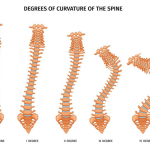
So you’ve been diagnosed with scoliosis, what comes next? The diagnosis of scoliosis by itself does not give us much information. For example, there are many individuals living with varying degrees of scoliosis that experience little no issues, or some who happily manage their condition with the right exercises. Today, we’ll take you through a comprehensive guide on what scoliosis is, how physiotherapy helps, and what to expect. What is scoliosis? The official definition of scoliosis by is a curvature greater than 10 degrees when viewed on an x-ray. In plain speech, scoliosis occurs when there is an abnormal curve…

Read More

Tech Neck: Why Modern Screen Habits Are Causing Neck & Shoulder Pain

November 20 | 2025
Posted by Sharon Tierney

0 comment

Unfortunately, Tech Neck, or neck and shoulder pain due to devices, have quietly become one of the most common complaints we see in our PhysioNow clinics today. With the rise of remote work, longer hours on laptops, back-to-back virtual meetings, and constant phone use, many people are experiencing a new kind of discomfort known as Tech Neck. This condition is more than just stiffness, it affects posture, sleep, concentration, and overall well-being. What is tech neck? Tech Neck describes pain and tightness caused by prolonged screen time in everyday life. The human body is not designed to spend hours leaning…

Read More

Cervicogenic Headaches: It’s All In Your Neck

October 22 | 2025
Posted by Sharon Tierney

0 comment

Are you getting headaches from a stiff neck? Cervicogenic headaches (CGH) are a common but often misunderstood type of headache. Unlike typical tension or migraine headaches, CGHs originate from issues in the cervical spine (the neck) and affect the upper part of the body, including the head. As physiotherapists, we play a key role in identifying, diagnosing, and treating these headaches. In this case, treating the neck is the key to alleviating cervicogenic headaches. What are cervicogenic headaches? A cervicogenic headache is a secondary headache, meaning it’s a symptom of an underlying issue rather than a condition on its own.…

Read More

Prevent Back Injuries: How to Lift Safely

August 06 | 2025
Posted by Sharon Tierney

0 comment

Back injuries are one of the most common workplace complaints, especially in jobs that involve lifting, moving, or carrying heavy objects. Prevention of back injuries and being proactive can help reduce workplace stress, missed hours, and healthcare costs. While the human spine is incredibly strong and flexible, improper lifting techniques combined with repetitive strain can lead to painful conditions. This includes muscle strains, herniated discs, or even chronic lower back pain. Why do back injuries happen during lifting? Back injuries typically occur when: You lift with poor posture (rounded back or twisted spine) The load is too heavy or awkwardly…

Read More

Frequent Postural Changes: A Guide to a Healthier You

November 13 | 2023
Posted by Sharon Tierney

2 comments

Image by jcomp on Freepik In our modern, sedentary lifestyles, many of us find ourselves sitting for prolonged periods at desks, in front of computers, or hunched over smartphones. This can lead to poor posture, discomfort, and even health issues. However, initiating postural changes frequently throughout the day can be a simple yet effective way to mitigate these problems and promote overall well-being. In this blog, we’ll explore the reasons why changing your posture is recommended and how it can benefit your health and productivity. 1. Relieves Muscular Tension One of the primary reasons for postural changes is to relieve muscular tension. When you maintain the same posture for an extended period, certain muscles can become overworked and fatigued, while others weaken from underuse. Frequent changes in posture help distribute the load evenly, preventing muscle imbalances and reducing tension. 2. Supports Spinal Health Sitting in one…

Read More

5 Ways Physiotherapy Can Help Manage Parkinson’s Disease

September 09 | 2023
Posted by Sharon Tierney

0 comment

What is Parkinson’s Disease? Parkinson’s Disease is a progressive neurological condition resulting in difficulty starting and maintaining movements in the body. Importantly, there is a loss of some neurons (brain cells) that contribute to coordinating muscles and creating smooth movements. As a result, individuals with this condition experience a range of symptoms that impair their strength, mobility,  flexibility, and posture. 4 hallmark features Tremors: Firstly, tremors are usually the initial symptom. The tremor is mostly when the body is resting, such as sitting, but may worsen over time to affect the individual while they’re performing other tasks like writing, eating, or shaving. Rigidity: Secondly, rigidity refers to stiffness of the muscles and joints. In Parkinson’s, it can affect the arms, legs, trunk, and even the face. Bradykinesia: Next, bradykinesia means slowness of movement which may include stopping or hesitating during movements. Postural Instability: Finally, difficulty balancing and correcting postural faults…

Read More

Headaches? See how Physiotherapy can help you!

June 15 | 2023
Posted by Sharon Tierney

0 comment

How do Headaches occur? There are many different types of headaches with many different causes. Many people may blame it on the weather, stress, or work, and feel like it is out of their control and that nothing can help their headaches. If this sounds like you, there is treatment available and you do not have to live with your pain. Headaches that stem from your neck or jaw are treatable through physiotherapy and can result in a decreased intensity and frequency or even stop them completely. However, migraines can also be manageable with rehab. What are headaches from the neck? Cervicogenic Headache Headaches that stem from the neck are known as cervicogenic headaches and are a type of referred pain. Referred pain means that the pain actually originates from another part of the body, and not the place where you actually feel the pain. Moreover,…

Read More

Thumb Pain? Is it DeQuervain’s Tendonitis?

December 05 | 2022
Posted by Sharon Tierney

0 comment

Why do you have thumb pain? Thumb Pain DeQuervain’s Tendonitis or thumb pain? There could be several potential factors why you have thumb pain. For instance, arthritis, trigger thumb, or DeQuervain’s Tendonitis. Though, the location of pain and difficulties performing activities can determine what is causing your thumb pain. However, the most common reason for thumb pain could be DeQuervain’s Tendonitis. Let us know something more in detail whether you have DeQuervain’s Tendonitis. What is DeQuervain’s Tendonitis and Thumb Pain? De Quervain’s Pain It is an inflammatory condition, where the sheath around the tendon gets constricted. As a result, it affects the tendons of the thumb and thumb side of the wrist causing pain. Therefore, it gives the inability to use the hand and wrist to their total functional capacity. What do the symptoms of DeQuervain’s Tendonitisfeel like? Firstly, there is severe…

Read More

RECENT POSTS

CATEGORIES

ARCHIVES


Book An Appointment

Book An Appointment

Please select the Diamond and click the Submit button.

Refresh
Submit