

What Is Bell’s Palsy?
Bell’s palsy is the most common form of facial paralysis worldwide. While the sudden onset of facial weakness can be alarming, the condition is usually temporary and, with appropriate care, highly treatable. Bell’s palsy is an acute, often temporary paralysis of the facial nerve, also known as the 7th cranial nerve. This nerve controls the muscles responsible for facial expression, including smiling, blinking, and closing the eyes.
When the facial nerve becomes inflamed or compressed, it can result in:
- Pain or discomfort on one side of the face
- Sudden facial weakness or paralysis
- Difficulty performing everyday facial movements
Bell’s palsy can affect people of all ages, although it is uncommon in children under 15 and adults over 60. While Bell’s palsy is not considered permanent, a small number of people may experience lingering symptoms. For most individuals, recovery begins within 2 weeks to 6 months.
What causes Bell’s Palsy?
The exact cause of Bell’s palsy is not fully understood. However, strong evidence suggests it is related to viral reactivation, leading to inflammation within the narrow bony canal through which the facial nerve travels.
Possible viral triggers
- Herpes simplex virus (HSV-1)
- Varicella-zoster virus (shingles)
- Epstein–Barr virus
- Influenza viruses
This viral reactivation causes swelling that disrupts the nerve’s ability to function normally.
Possible other risk factors
You may be at higher risk of developing Bell’s palsy if you have:
- Diabetes
- Pregnancy (particularly in the third trimester or postpartum period)
- A recent viral illness
- Autoimmune conditions
- High stress levels
- Hypertension
- A family history of Bell’s palsy
- Guillain-Barré syndrome
What are the signs and symptoms?
Symptoms typically appear suddenly, often overnight, and on one side of the face.
Facial muscle symptoms
- Drooping on one side of the face
- Inability to fully close the eye
- Difficulty smiling or raising the eyebrow
- Drooling
- Impaired blinking
Sensory symptoms
- A feeling of numbness or altered facial sensation
- Pain behind the ear or along the jaw
Other symptoms
- Increased sensitivity to sound
- Reduced tear or saliva production
- Excessive tearing or dry eye
- Altered taste on the front portion of the tongue
How is Bell’s Palsy diagnosed?
Bell’s palsy is usually diagnosed through a clinical examination and medical history. Since some of the other causes of facial paralysis are quite serious, it is important that you see a doctor immediately. Your healthcare provider will first rule out other causes of facial paralysis, such as:
- Stroke
- Lyme disease
- Ramsay Hunt syndrome
- Tumours
Additional testing may be required if symptoms are atypical or slow to improve, including:
- MRI or CT scans
- Blood tests if infection is suspected
What can you expect?
Most people experience significant improvement within three weeks, with approximately 70–85% making a full recovery within 3–6 months.
Factors that may indicate a slower recovery include:
- Complete paralysis with no early movement
- Diabetes
- Older age
- Painful onset
- Delayed initial improvement
What is the role of physiotherapy in Bell’s Palsy treatment?
Physiotherapy plays an important role in recovery, particularly if facial weakness persists beyond the initial weeks.
Physiotherapy can help to:
- Improve facial symmetry
- Restore coordinated facial movement
- Reduce compensatory habits
- Prevent long-term complications such as synkinesis (involuntary movements, e.g., the eye closing when smiling)
- Improve confidence and overall facial function
When should physiotherapy start?
Physiotherapy may be recommended:
- Immediately: For education, eye protection, and gentle guidance
- Within 2–3 weeks: If facial weakness continues or recovery is delayed
Early education is essential to avoid habits that may interfere with optimal recovery.
What physiotherapy treatment techniques are used for Bell’s Palsy recovery?
Facial neuromuscular retraining (NMR)
This is the most evidence-supported physiotherapy approach for Bell’s palsy.
It focuses on:
- Correct activation of facial muscles
- Small, precise, and controlled movements
- Avoiding overuse or forceful exercises
- Re-learning coordinated facial patterns (e.g., smiling without eye involvement)
Guided facial exercises
Exercises are tailored to your stage of recovery and may include:
- Eyebrow raises
- Forehead wrinkling
- Gentle closed-lip smiles
- Nose scrunching
- Controlled blinking
These exercises are typically performed slowly using mirror feedback to ensure correct movement. The Facial Palsy Org UK has a great resource with pictures and videos demonstrating some of these techniques.
Massage, soft tissue therapy, and needling
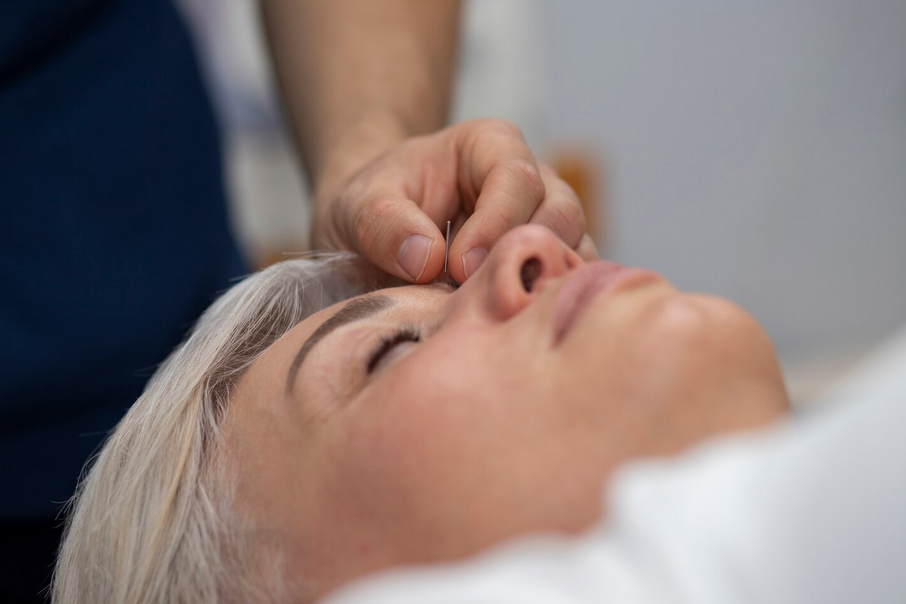
Manual techniques and acupuncture may be used to:
- Reduce muscle tightness or overactivity
- Improve circulation
- Prepare muscles for retraining
- Reduce facial discomfort
Mirror therapy
Using a mirror helps improve awareness, movement control, and reduces unwanted compensatory patterns.
Eye protection strategies
If the eye cannot close fully, physiotherapists may recommend:
- Blink-training exercises
- Lubricating eye drops
- Taping the eye closed at night
- Techniques to prevent dryness and irritation
Looking for more help?
Look for PhysioNow! We have expertly trained clinicians across the west GTA ready to help! Look for us at 1 of our 10 locations including Burlington, Oakville, Mississauga and Etobicoke for Bell’s Palsy Treatment. Feel free to contact us by Phone at 289-724-0448 or by Email at applewood@physionow.ca for any inquiries or booking requests. Book with PhysioNow today to receive your first assessment and treatment!


Leave a Reply