
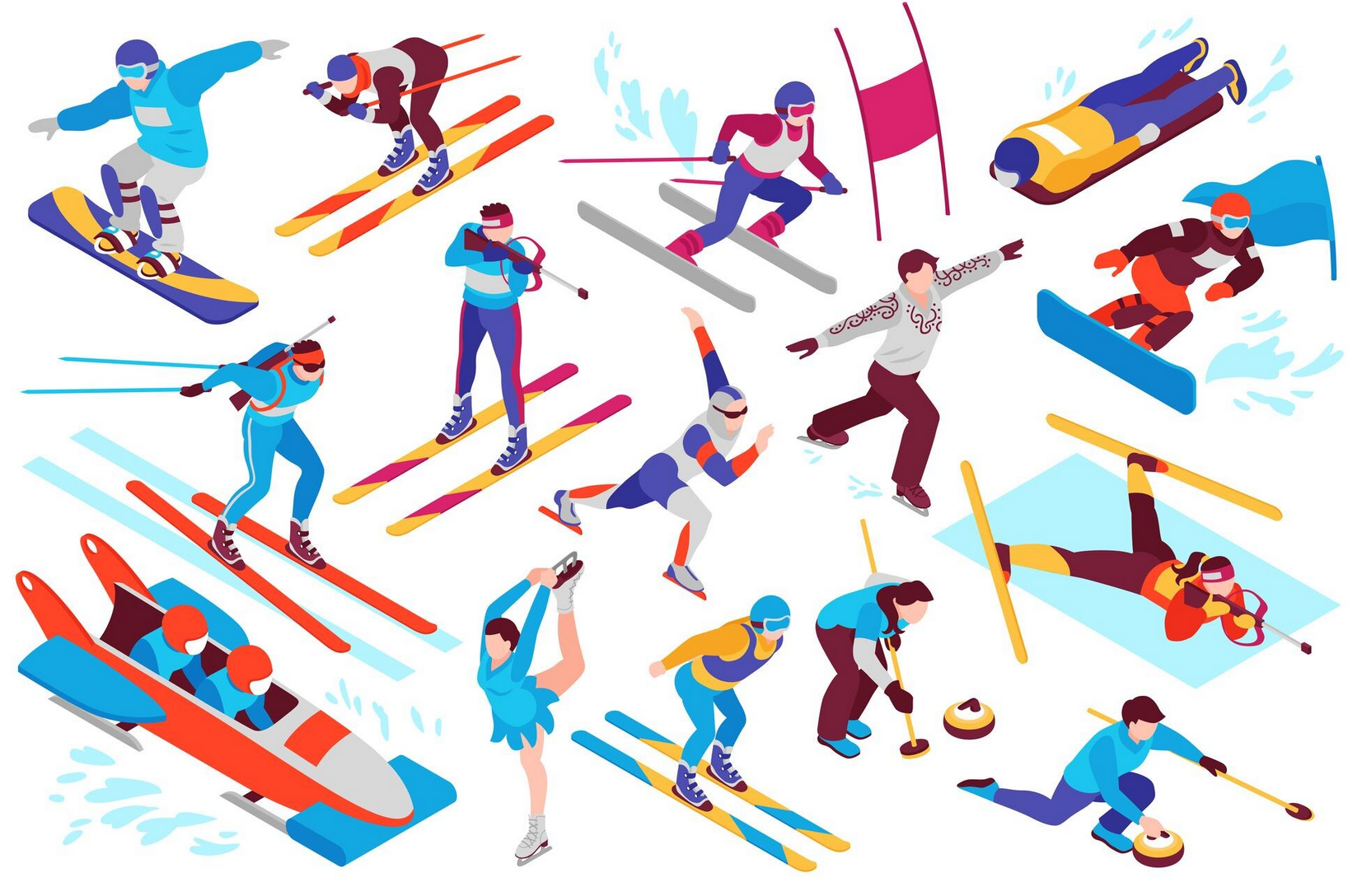
Many of us have been watching the Winter Olympics eagerly for the past couple of weeks. We’ve watched our athletes showcase thier speed, power, precision, and skill. However, the same forces that allow elite athletes to perform at world-class levels, also create predictable injury patterns.
For physiotherapy clinics, winter sports Olympics injuries are not limited to Olympians. Recreational skiers, snowboarders, hockey players, and winter runners frequently present with similar conditions. Below is a summary of the five most common Winter Olympic injuries and how physiotherapy manages them.
1. ACL Tears (Anterior Cruciate Ligament)
Common in: Skiing, snowboarding, ice hockey
Mechanism: Rotational force with inwards knee collapse (pivoting and cutting), high-speed decelerations, awkward landings from jumps
ACL injuries are strongly associated with downhill skiing and high intensity sports. High torsional forces between the ski and the knee create a classic non-contact mechanism. A well-known example is Lindsey Vonn, who sustained multiple ACL injuries yet returned to elite competition following structured rehabilitation. So let’s talk about how someone can recover from an ACL injury.
Physiotherapy Treatment
Post-operative or conservative rehab includes:
- Early restoration of knee extension
- Quadriceps activation
- Progressive strengthening and weightbearing toleranc
- Neuromuscular control and proprioceptive training
- Plyometric progression
- Objective return-to-sport testing (hop tests, tests between the injured and normal side should be ≥90%)
The return of strength alone is insufficient to return to sports. Realistically, when we’re moving during sports, our bodies are not going to stay in perfect alignment like during squats in the gym. As a result, movement quality and dynamic control are critical to reducing re-injury risk.
2. Wrist Fractures
Common in: Snowboarding
Mechanism: FOOSH (Fall On Outstretched Hand)
For example, snowboarders often fall backward or forward without releasing the board, leading to a fall directly onto the hand. This commonly results in wrist or hand fractures like a scaphoid or distal radius fractures.
Physiotherapy Treatment
After being immobilized for a couple of weeks, physiotherapy starts immediately:
- Gradual wrist mobilization, most people are very stiff coming out of the cast
- Edema (swelling) management
- Grip strengthening
- Fine motor movements
- Progressively loading the wrist to increase function and strength
- Functional reintegration (weight-bearing through hands)
3. Concussions
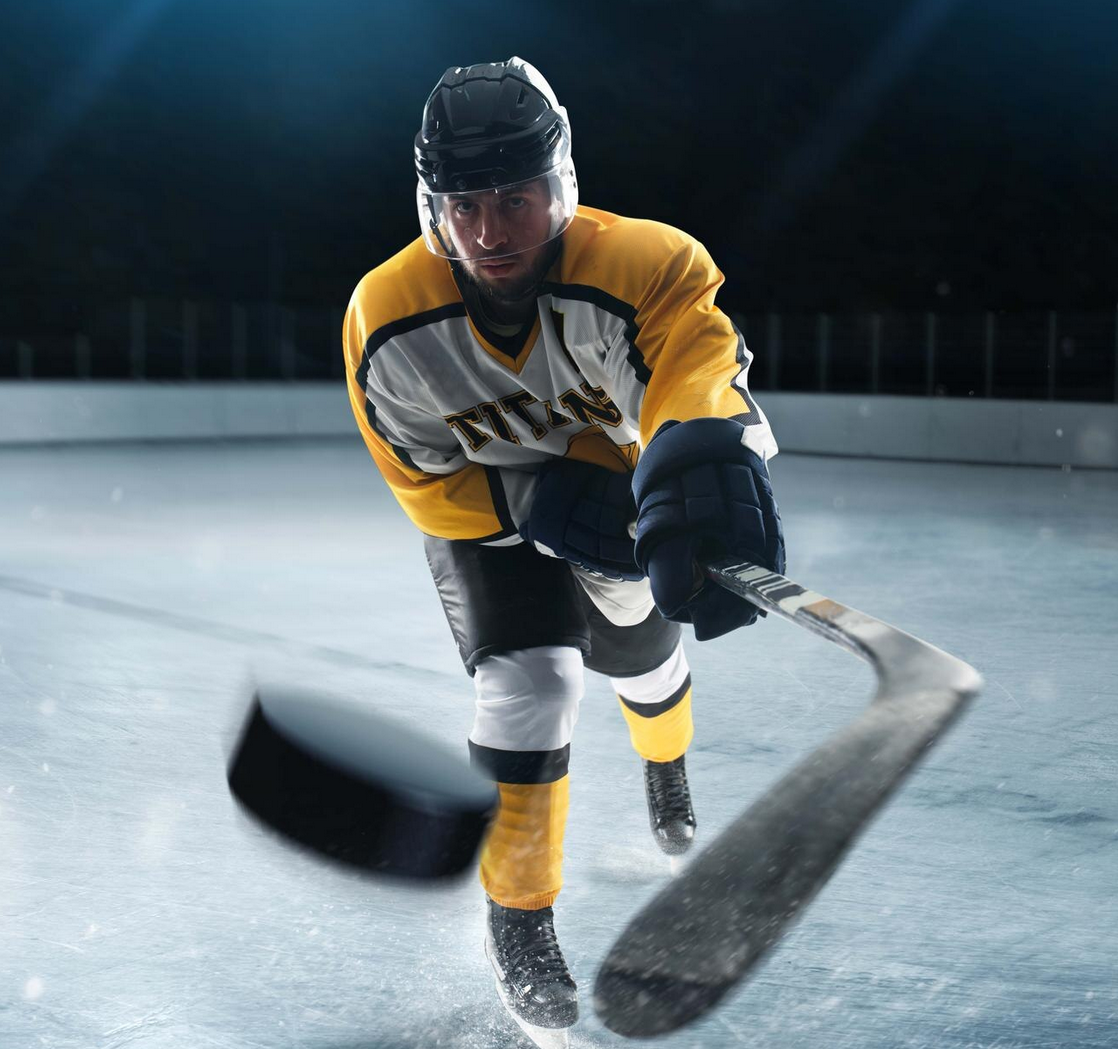
Common in: Ice hockey, snowboarding, figure skating
Mechanism: High-speed collision or impact
Concussion management has evolved significantly within the last couple of decades. Prolonged rest periods is no longer indicated for recovery. Athletes in winter contact sports experience both direct head trauma and acceleration-deceleration injuries. Many people are still not aware that there does not have to be direct head trauma for a concussion injury to be present. Unfortunately, the return to sport rehabilitation for concussion can be quite lengthy, and there will always be an increased vulnerability to future concussions.
Physiotherapy Treatment
Modern concussion rehab includes:
- Cervical spine assessment and treatment
- Vestibular rehabilitation
- Oculomotor retraining
- Aerobic conditioning appropriate to the current symptoms
- Graduated return-to-school/work, then return to sport protocols
- Education on symptom control to avoid overload
4. Shoulder Injuries (Dislocations & AC Joint Sprains)
Common in: Snowboarding, ice hockey, speed skating falls
Mechanism: Direct lateral impact or bracing fall
Shoulder dislocations and AC sprains can occur from a direct impact, like getting tackled or hitting another player. Otherwise, a fall and fall onto the arm, elbow, or hand can push the shoulder out of place as well. For the more severe injuries, the arm will look visibly dislocated and in the AC joint, a step deformity is obvious.
Physiotherapy Treatment
- Acute phase pain control
- Gradual restoration of ROM
- Rotator cuff strengthening
- Scapular stabilization and rotator cuff stability drills
- Return-to-contact progression (for contact sports)
5. Groin and Adductor Strains
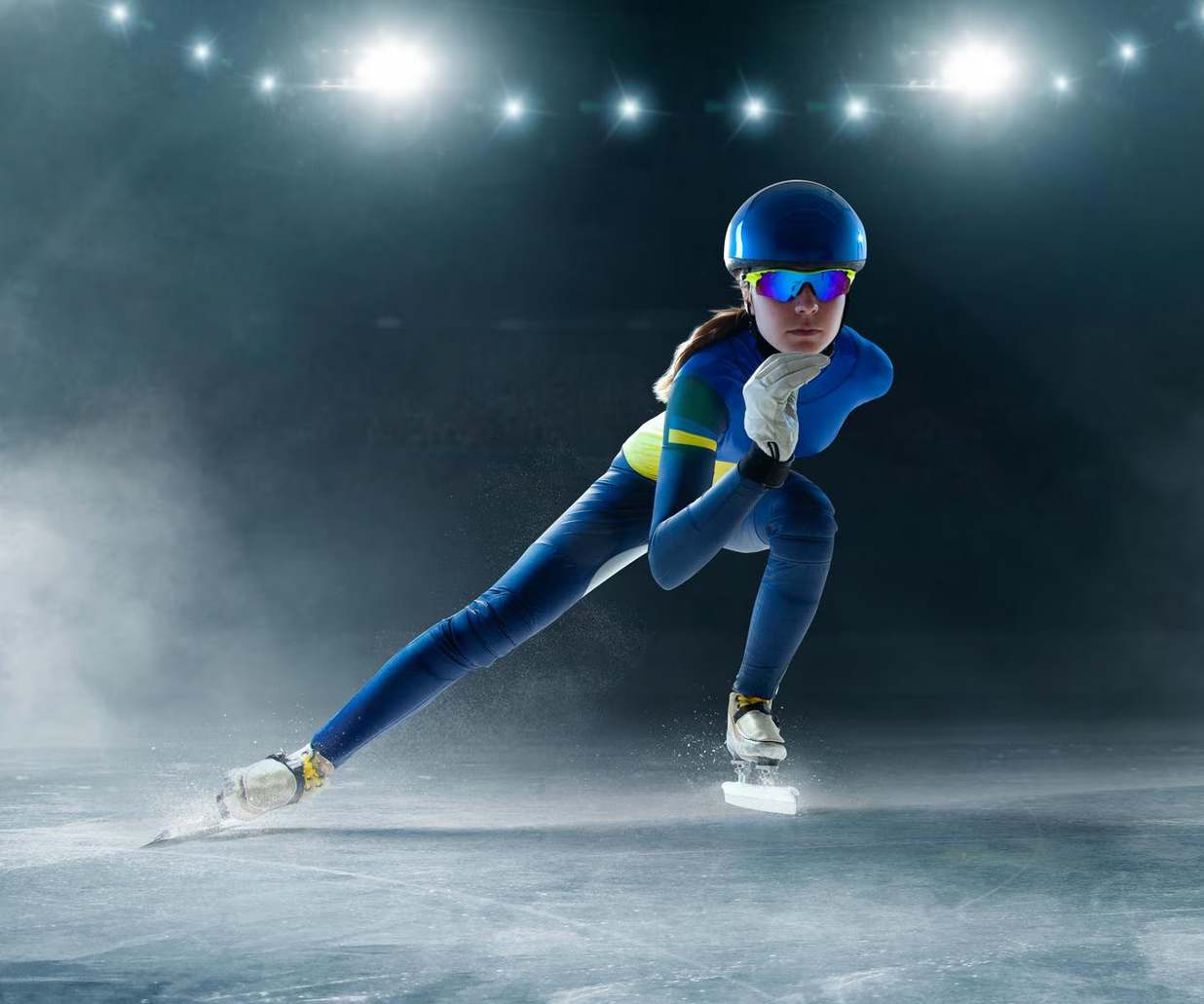
Common in: Ice sports
Mechanism: Repetitive lateral push-off under high load
The skating stride demands strong eccentric and concentric adductor (inner thigh muscles) activation. If you’ve ever gone skating and then felt really sore here afterwards, you’ll understand. These are muscles that are not used often in our daily lives. Without adequate strength and load training, the muscles can easily get overwhelmed or strained during high speed movements.
Physiotherapy Treatment
- Load modification
- Isometric adductor strengthening (early phase)
- Copenhagen progression exercises
- Core stability integration
- Gradual skating reintroductio
What if you’re a recreational athlete?
You do not need to compete at the Winter Olympics to experience these injuries. Recreational ski trips, adult or youth hockey leagues, and icy sidewalks create similar environments. Whether you’ve had a recent sports injury, are looking for prehab, or looking to get a long time pain corrected, Physiotherapy is a great choice!
Physiotherapy provides:
- Accurate diagnosis and differential screening
- Evidence-based rehabilitation
- Return-to-sport criteria
- Injury prevention programming
- Strength and movement correction
- Individualized care
PhysioNow provides comprehensive care to all levels and ages. We have 10 clinics located across the west GTA including Burlington, Oakville, Mississauga, and Etobicoke with extended evening and weekend hours to make it easy for you! Whether you’ve had an injury listed above or something new, come get started with your rehab today! Book with PhysioNow today for your first assessment and treatment, and stop missing out on your favourite activities. We can also be reached at P: 289-724-0448 or Email: applewood@physionow.ca with any questions or concerns.