
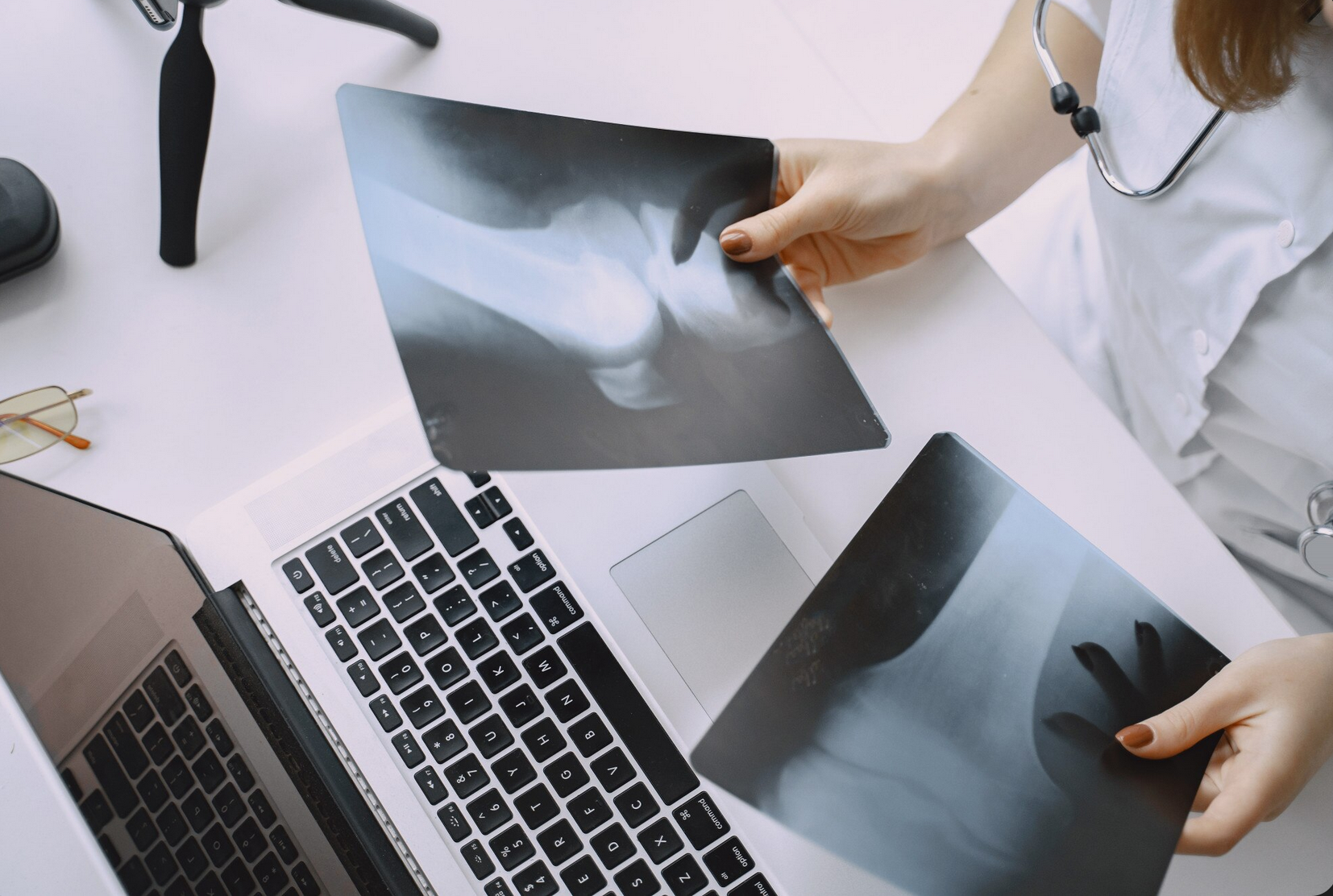
Medical imaging is something many of us are familiar with in Canada. Whether you’ve had an x-ray, ultrasound, MRI, or CT, you may have had to undergo one or the other at some point in time. For many people, they think of it as the gold standard for understanding their pain or injury. In fact, i’s completely natural to want answers, but here’s something us physiotherapists wish more people knew:
Medical image findings are poorly connected to pain, and you don’t need imaging to start recovering with physiotherapy treatment!
What is the connection between medical imaging and pain?
One of the most important things we can teach our patients to relieve lots of fear and anxiety is the fact that medical imaging results have a very poor correlation with people’s symptoms. Now what does this mean? Research studies have consistently shown that individuals that have no pain and have imaging done still have “abnormalities” such as:
- Disc bulges/herniations
- Degenerative disc disease
- Varying levels of arthritis
- Tendon tears
- Mensical tears
On the other side of this, people with pain and other symptoms may have imaging that comes back normal or inconclusive! Importantly, this does not mean that what you are feeling isn’t real, but that pain has many different sources that all interact to form the big picture. Overall, the main takeaway is to not overly rely on medical imaging, what’s more important is to listen to what your body is telling you.
When is medical imaging useful or not useful?

Now there is definitely a time and a place for medical imaging. It is a useful diagnostic tool and when used appropriately, provides a lot of information and guide our prognosis. For example, x-rays to confirm fractures after a fall. What we are trying to avoid is sending every patient with lower back pain for an x-ray or MRI that will likely have low diagnostic value, and has a much higher chance of getting better by starting physiotherapy treatment. Additionally, these excessive referrals can strain the health care system’s limited resources, resulting in those who actually would benefit from imaging having to wait for longer periods of time.
Another time where we recommend medical imaging is during a course of physiotherapy treatment where we start to detect red flags (indicators of more severe medical conditions), or when the condition is not responding as expected. Here, the physiotherapist and members of the medical team can work collaboratively to determine the likely issue, and can expedite imaging or referrals to a specialist when warranted.
How does physiotherapy treat without imaging?
Remember that imaging is just one piece of the puzzle. There are many other clues that your physiotherapist can use to piece it together including:
- Range of motion
- Muscular strength
- Quality of your movements
- Coordination and balance
- Special tests designed to assess specific conditions
- Which movements or positions are hard to you
With most conditions, there are a pattern of subjective and objective symptoms that your physiotherapist will be able to identify and match to the most likely conditions.
Medical imaging wait times: The reality
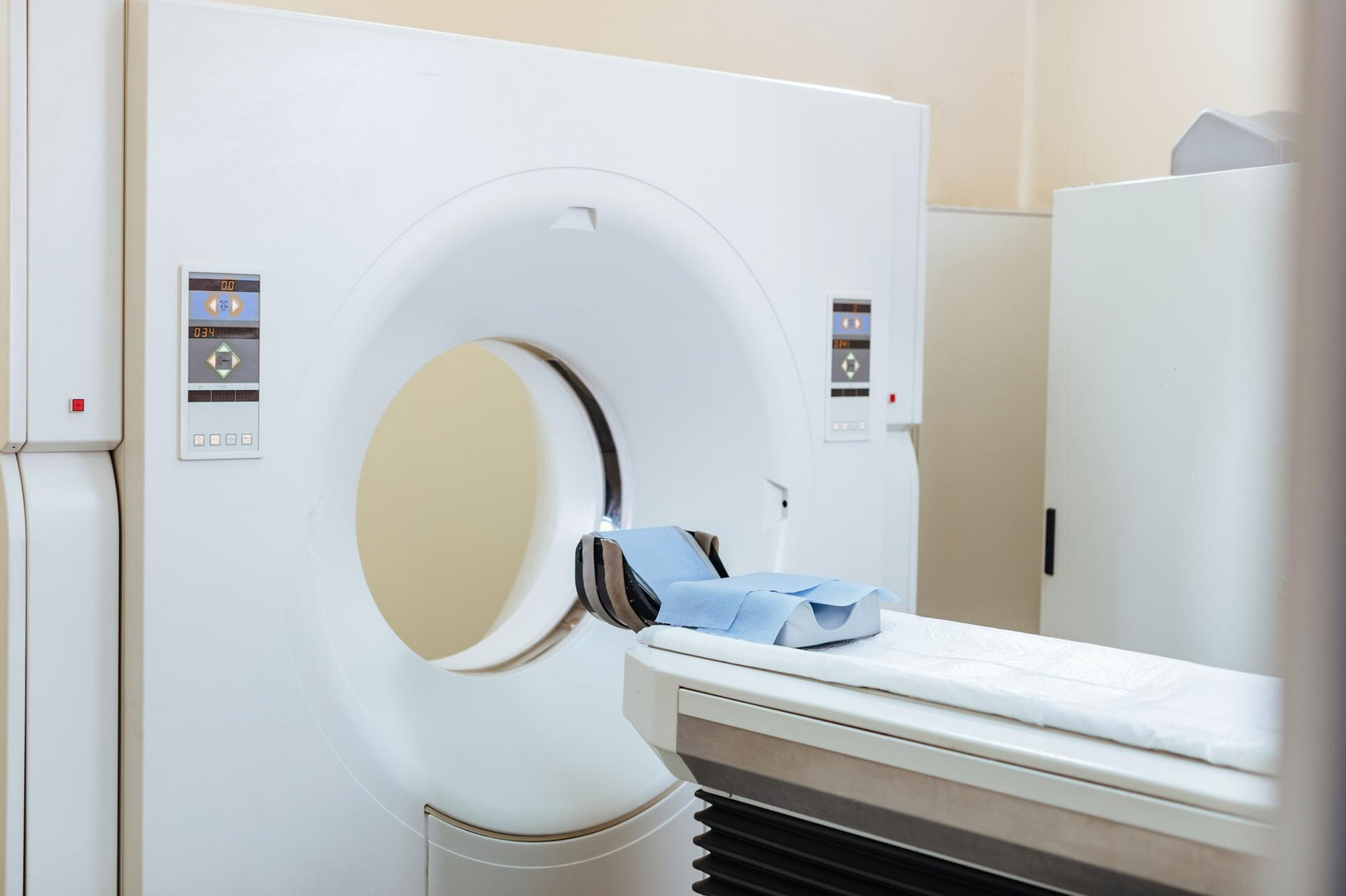
Unfortunately, the reality of wait times for tests, for referrals, for surgeries, can be anywhere from days, to weeks, to months, to a year plus. At the higher end, this can leave people stranded in the system awaiting help, having to manage their pain and disability for months at a time. During this time, the condition may worsen, people become scared of moving, and this may delay recover times. This is why we recommend that people start physiotherapy as soon as possible, even while awaiting imaging. Many times, people will start to improve, and some completely, before the day of their test.
As trained professionals, physiotherapists will be able to personalize the plan to your unique circumstances to ensure safety, comfort, and effectiveness of the treatment. Of course, there are some cases where medical imaging may still be required, but before that point you can still improve your strength, mobility, pain and function.
Awareness is the key
Our goal is to raise awareness about the trap of medical imaging. Words like degeneration, tear, and bulge, are very scary to read on a report and leave patients feeling disempowered and discouraged. The great news is that for most people, those words can be disregarded and improvement can still be found, you might just need a little help getting there!
If you are waiting for medical imaging, confused by previous results, or looking for treatment for your pain, then look for PhysioNow! With a team of expert health professionals including Physiotherapists, Registered Massage Therapists, and Manual Osteopaths, you are in good hands. We have 10 locations across the west GTA including Burlington, Oakville, Mississauga, and Etobicoke. Please feel free to reach us by Phone: 289-724-0448 Email: applewood@physionow.ca. Book with PhysioNow today for your first assesssment and treatment!

