Tag Archives: Pelvic Floor

Pessaries: Pelvic Physiotherapy Tools

Pelvic health physiotherapy is a specialization that focuses exclusively on the pelvic floor. This includes conditions such as incontinence, pelvic pain, sexual dysfunction, pelvic organ prolapse and more!

Treatment of the pelvic floor muscles and structures is both like, and unlike the other areas of the body. For example, just like any other muscle, they can be strong or weak, lengthened or tight, hypermobile or hypomobile. On the other hand, treatment of the pelvic area may require some unique techniques and unique tools during treatment. One of these tools is called a pessary.

What are pessaries used for?

A pessary is a medical device typically used to help manage pelvic floor dysfunction, particularly in conditions like pelvic organ prolapse, urinary incontinence, and stress incontinence. It’s a device that is inserted into the vagina to support the pelvic organs and help alleviate symptoms. Oftentimes, it is the missing piece for many individuals managing pelvic floor prolapse, stress incontinence and even plays a role in prevention of recurrent UTI`s (urinary tract infections).  

How do I know if I need a pessary for my condition?

A pelvic floor physiotherapist specializes in assessing, diagnosing, and treating pelvic floor dysfunctions. They use various techniques, including exercises, manual therapy, and education, to help individuals strengthen or relax the pelvic floor muscles. Their expertise can support individuals in improving bladder and bowel control, sexual health, and overall pelvic function. 

During a session, they will do a comprehensive examination to identify the root cause of your condition. They will use this information to create a unique treatment plan for you to address your needs and goals. Your Physiotherapist will discuss this plan with you including if they think you would benefit from a pessary, and what kind of pessary.

Types of pessaries

There are different types of pessaries that can be used for different pelvic floor conditions. Decisions on which type is needed are determined by the type and severity of the condition, as well as how well you can manage them on your own. These include but are not limited to:  
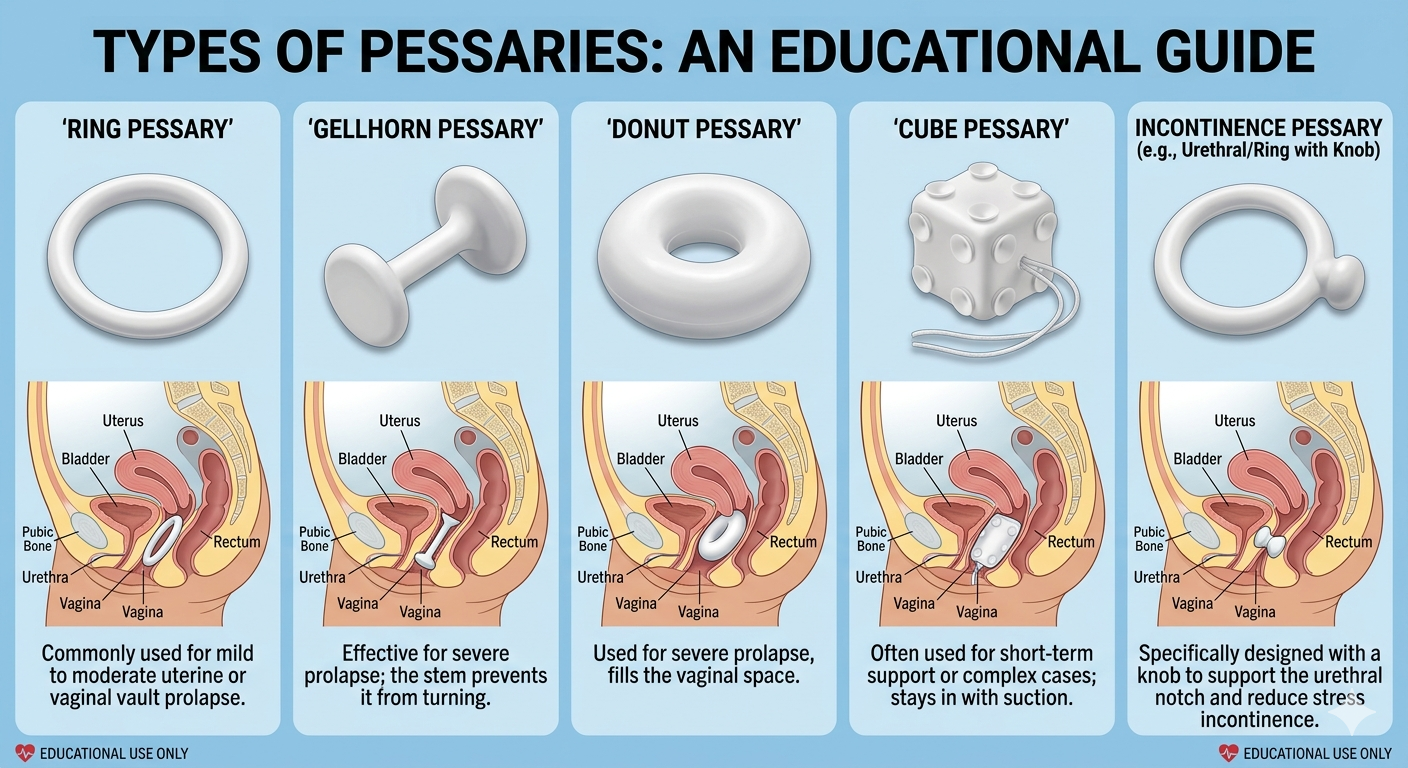
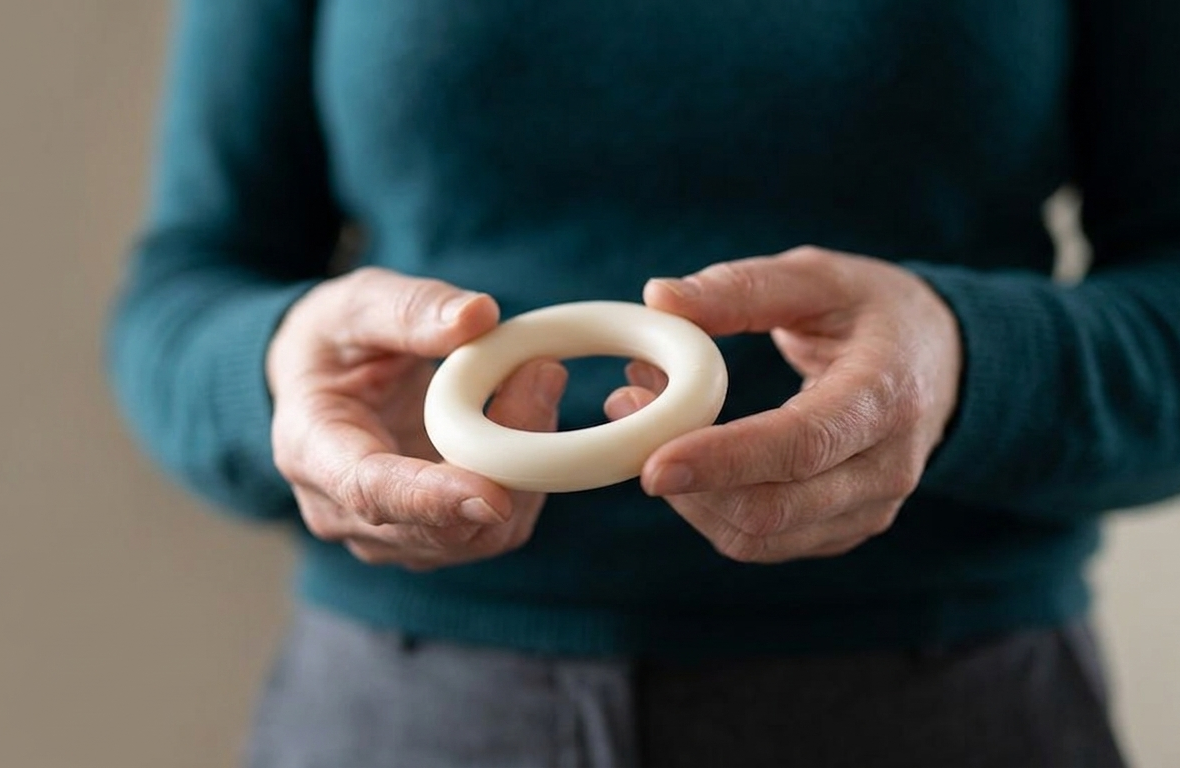
Ring pessary: It is commonly used for stress incontinence and mild pelvic organ prolapse. Benefits include being very easy to put on and take off by yourself

    Gellhorn pessary: It is used for moderate to severe pelvic organ prolapse

    Cube pessary: Used for third dergree pelvic organ prolapse  

    Donut pessary: Used for prolapses needing more support  

    Inflatable pessary: These are more like custom fit and are used for advanced prolapse conditions

    Gehrung pessary: For rectocele (rectum prolapse) and cystocele (bladder prolapse)

    Why do I need a pessary if I am already doing pelvic floor physiotherapy?

    Pessaries are a teammate in your pelvic floor rehabilitation. Namely, pessaries stops the leak and heavyness instantly. This gives you the confidence to return to activities such as running, lifting and long term muscle strength training.

    A pessary gives support to the prolapsing organ and let your muscle train effectively during exercises. Also, it helps to prevent the prolapse from getting worse due to repeated intra-abdominal pressure (such as when you brace during exercises). From the top down, pessaries help your brain find your pelvic floor muscles making your rehabilitation exercises more targeted and successful.

    Additionally, your physiotherapist will do the following:

    1. Assessment and fitting of pessaries: A pelvic floor physiotherapist may assist in the fitting of a pessary. They can determine if it’s the right solution for you and help with proper size, shape, type and insertion and comfort.  

    2. Pelvic floor rehabilitation: After fitting a pessary, a pelvic floor physiotherapist can guide you through exercises and techniques to strengthen or relax the pelvic floor muscles. This can enhance the benefits of the pessary and help with the underlying causes of pelvic floor dysfunction.  

    3. Education: Your physiotherapist will educate you on pelvic floor health, how to care for the pessary, and when to seek further help. Your therapist will teach you how to insert, remove, and clean it so that you can have a total control of your care.  

    Pessary myths

    1. Have to wear it all day

    You don’t have to wear a pessary all day, wear it only for high  impact actvities or if you are on your feet for long durations  

    2. It is only for old women

    People of all ages wear pessaries including postpartum womenand those who wish to delay surgeries

    3. I can`t have sex with it

    While some types of pessaries must be removed, many common types such as ring pessaries are safe to keep in

    Looking for pelvic pain, prolapse, or pessary help?

    Then look for PhysioNow! A pessary does not fix the prolapse but it manages the symptoms in a way that you can eliminate the need to do the surgery. With an active physiotherapy program paired with the pessary, you can actively rehabilitate your body with the best possible support. Physionow has expert pelvic health physiotherapists ready to help you. We have 10 locations across the west GTA from Burlington, Oakville, Mississauga to Etobicoke, to assist you. Start your road to recovery, book with PhysioNow today for your first assessment and treatment!


    Pelvic Floor Problems: How Do You Know?

    What is the Pelvic Floor?

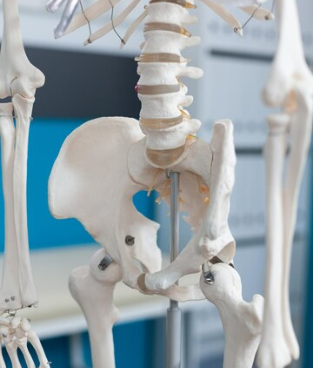
    Pelvic floor muscles attach to the pelvis Pelvic floor muscles attach to the pelvis bone

    The pelvic floor is a group of muscles, ligaments, and connective tissues that span the bottom of the pelvis. Importantly, these structures support the pelvic organs, including the bladder, rectum, and in women, the uterus and vagina. The pelvic floor plays a crucial role in maintaining continence (control over bladder and bowel movements), supporting pelvic organs, and contributing to sexual function.

    What are the most common signs and symptoms of pelvic floor
    dysfunction?

    There are several signs and symptoms for pelvic floor dysfunctions. They can be further subdivided into categories of urinary, bowel, sexual and pain-related issues.

    Urinary Symptoms

    Pelvic floor dysfunction may lead to incontinence

    Pelvic floor dysfunction may lead to incontinence

    1. Urinary Incontinence: Unintended leakage of urine, which can occur during activities like coughing, sneezing, or exercising (stress incontinence) or with a sudden, intense urge to urinate (urge incontinence).
    2. Urinary Frequency and Urgency: Needing to urinate more often than usual or experiencing a strong, sudden need to urinate.
    3. Incomplete Emptying: Feeling that the bladder isn’t completely empty after urination.

    Bowel Symptoms
    1. Fecal Incontinence: Involuntary leakage of stool or gas.
    2. Constipation: Difficulty in passing stools, which might require straining.
    3. Incomplete Evacuation: Feeling of not fully emptying the bowel after a bowel movement.

    Sexual Symptoms

    1. Painful Intercourse: Discomfort or pain during or after sexual intercourse.

    Pain and Discomfort
    1. Pelvic Pain: Persistent or recurrent pain in the lower abdomen, pelvic region, or genital area.

    2. Lower Back Pain: Discomfort or pain in the lower back that might be related to pelvic floor dysfunction.
    3. Pressure or Heaviness: A sensation of pressure, heaviness, or a bulge in the pelvic area, often related to pelvic organ prolapse.

    What are the most common reasons for pelvic floor dysfunction?

    Pelvic floor dysfunction (PFD) can result from a variety of causes, often related to factors that weaken or damage the pelvic floor muscles and connective tissues. Here are some of the most common reasons:
    1. Pregnancy and Childbirth: Stretching, straining of pelvic floor muscles during pregnancy can lead to weakness and tearing of pelvic floor muscles.
    2. Surgery: Surgeries such as hysterectomy, prostatectomy can weaken and affect your pelvic floor muscles.
    3. Aging: Hormonal changes such as decreases in estrogen through general aging can also lead to weakening of pelvic floor muscles.
    4. High Impact Chronic Strain: Frequent heavy lifting, chronic coughing, and bronchitis can also put excessive strain on pelvic floor muscles.
    5. Neurological Condition: Conditions like diabetes induced neuropathy, multiple sclerosis, or spinal cord injuries can affect the nerves controlling the pelvic floor muscles.
    6. Trauma and Injury: Injuries to the pelvic region due to physical trauma or stress can damage the muscles and nerves involved in pelvic floor function.
    7. Lifestyle Factors: A sedentary lifestyle can lead to muscle weakening and tightening, leading to dysfunction in the pelvic floor.

    Pelvic Physiotherapy

    Pelvic floor physiotherapy is a specialized branch of physiotherapy involving internal and external assessment /treatment of pelvic floor muscles. These muscles are located between the hip bones, sacrum and support pelvic organs such as bladder, colon and uterus.

    How physiotherapy can help with pelvic floor dysfunction?

    Physiotherapy can be highly effective in treating pelvic floor dysfunction (PFD). Pelvic floor physiotherapists are specially trained to assess and treat issues related to the pelvic floor muscles, which can significantly improve symptoms and quality of life.

    First, a comprehensive evaluation by a pelvic floor physiotherapist will include a detailed physical examination to identify the specific issues with your pelvic floor muscles. Then, based on the evaluation, the physiotherapist will develop a tailored treatment plan that addresses your specific symptoms and underlying causes.  For example, this may include muscle re-education, bladder retraining, and training of the pelvic floor muscles.

    Need help?

    If you are experiencing pelvic pain or bowel or bladder dysfunction, look for PhysioNow. We have qualified pelvic floor physiotherapists that are ready to assist you with your issue. Book with PhysioNow today for your first assessment and treatment. With 9 clinics across the GTA including Burlington, Oakville, Mississauga and Etobicoke, we can find a location that suits you!

    Pelvic floor dysfunction may lead to incontinence

    Incontinence: What To Do When You Can’t Control Your Bladder

    What is urinary incontinence?

    Urinary incontinence is when person leaks urine by accident due to loss of control of the bladder muscles. The severity of incontinence may vary from occasional incidents, like leaking while coughing or laughing, to more severe like having sudden strong urges where you are unable to make it to the toilet in time.

    How does the bladder function normally?

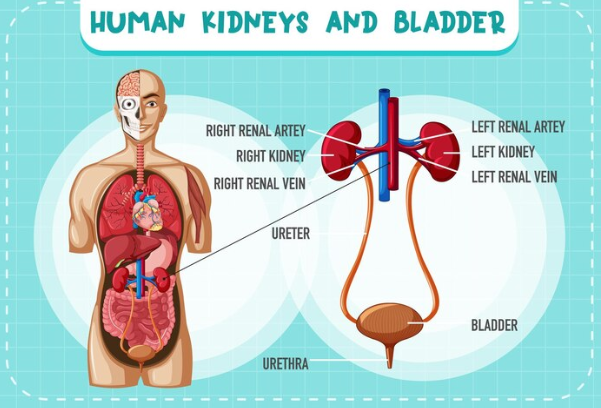
    These organs make up our body’s urinary system, which is how our body creates and removes urine from the body

    Normally, the brain and the bladder work in close partnership to control urination. First, urine gets stored in the bladder until it receives the signal from brain to empty it. The bladder is one of the pelvic organs, meaning that the pelvic floor muscles provide support to it and hold it in the proper position. Usually, the bladder muscle stays in the relaxed position while it holds urine. At the same time, the urethra, which is the tube that carries urine out of the body is closed by a sphincter (controlled by the bladder muscle), so that urine doesn’t leak. Once you receive the signal from the brain, the bladder muscle contracts, opening up the sphincter and lets the urine out of the urethra.

    What are the different types of urinary incontinence?

    1. Stress Incontinence

    Stress incontinence is where the leaking occurs with several activities of daily routine like coughing, sneezing, running, laughing, jumping, exercising or lifting heavy. These activities exert lots of pressure on the bladder due to weak pelvic floor muscles, results in urine leakage. As expected, the chances of leaking increase the fuller the bladder is. This is one of the most common types of incontinence, especially in elderly women. However, unlike some people believe, urinary incontinence is not a normal sign of aging. Instead, it is a problem which should and can be properly treated.

    Risk factors for stress incontinence:

    Postpartum women are at a high risk due to damage to tissues or nerves that may occur during delivery. Women with vaginal and forceps delivery are also at higher risk than with c-section
    or vacuum delivery. Additionally, men after prostate surgery can develop this. For example, the removal of the prostate gland in cancer patients may weaken the sphincter muscles which lies below the prostate gland.

    Othe contributing factors include:

    • Chronic illness with high frequency of coughing
    • Smoking which can cause frequent coughing
    • Obesity: Excess body weight puts more pressure on pelvic organs and can lead to stress incontinence
    • History of pelvic organ prolapses: Depending on the level of prolapse, mild bladder prolapse can cause occasional incontinence.

    2) Urge incontinence

    It is a type of incontinence that causes the sudden urge to void the bladder and results in involuntary leakage of urine. In other words, you may leak the urine before you reach the bathroom.

    Urge incontinence is most commonly associated with an overactive bladder. The muscles in the bladder squeeze more frequently than normal. As a result, you feel like you have to use the bathroom frequently even though the bladder is not actually full.

    Risk factors for urge incontinence:

    • Diabetes: Uncontrolled blood sugar levels can lead to increased chance of urinary tract infection and frequent urges to urinate. People with uncontrolled sugar levels may have damaged the nerve controlling the bladder, leading to urge incontinence.
    • Hysterectomy: Damage to the nerve around the bladder during this procedure can lead to incontinence
    • Spinal cord damage due to direct trauma or injury
    • Stroke
    • Prostate problems like prostate cancer or an enlarged prostate

    How can incontinence be treated?

    Incontinence can be treated through consultation with a specialist. It is important to gain the proper education and understand the condition of incontinence. A pelvic health physiotherapist can help you understand the basic function of the urinary system. With this understanding, they can teach you different techniques to control the leakage, frequency, and urgency of it.

    For example, some of these techniques may include:

    • Toileting positioning education regarding proper liquid intake and its importance
    • Breathing exercises
    • Double voiding methods
    • Keeping a log of urinary leakage (bladder diary)
    • Pelvic floor strengthening exercises
    • Electrical stimulators
    • Internal manual techniques

    How do I get help?

    Our physiotherapy clinic PhysioNow has 9 locations to serve you across the GTA, from Burlington to Etobicoke

    At PhysioNow, our pelvic floor physiotherapists can guide you in your recovery from incontinence and other pelvic-related conditions.  With locations across the GTA including Burlington, Oakville, Mississauga, and Etobicoke, we will have a location suited to you. Book with PhysioNow today for your first assessment and treatment.