Tag Archives: Pelvic Physiotherapy

Men’s Pelvic Health: Pelvic Physiotherapy

For most people, the concept of pelvic health is entirely focused on women’s health. We want to change that mindset. Just like everyone has core muscles, everyone has pelvic floor muscles as well. No matter who you are, dysfunction in these muscles can affect your bladder, bowel, and sexual function, or cause pain with daily movements.

Today, we want to discuss pelvic physiotherapy for men, the issues that are exclusive to them, and raise awareness about men’s pelvic health.

What is pelvic health physiotherapy?

Pelvic health physiotherapy is a specialty that specifically focuses on the pelvic floor, including the associated issues.

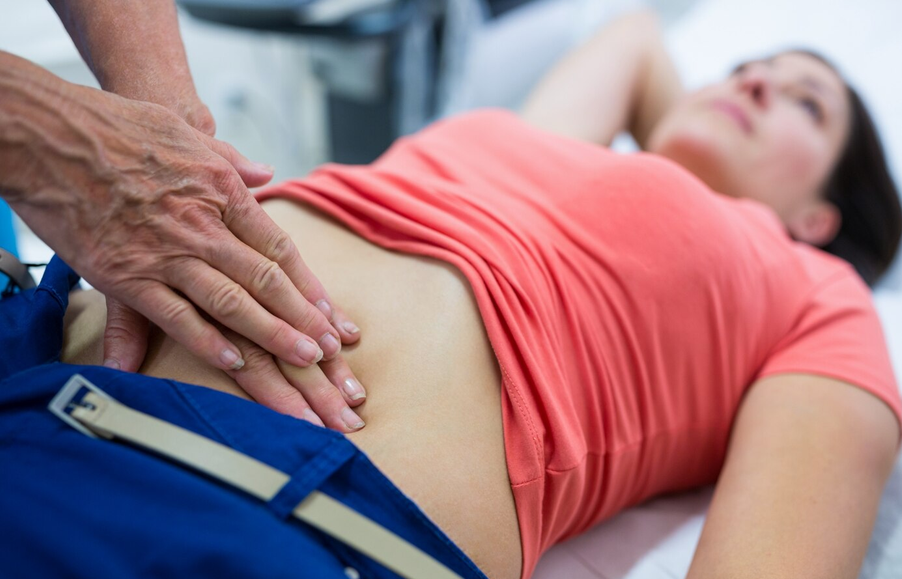
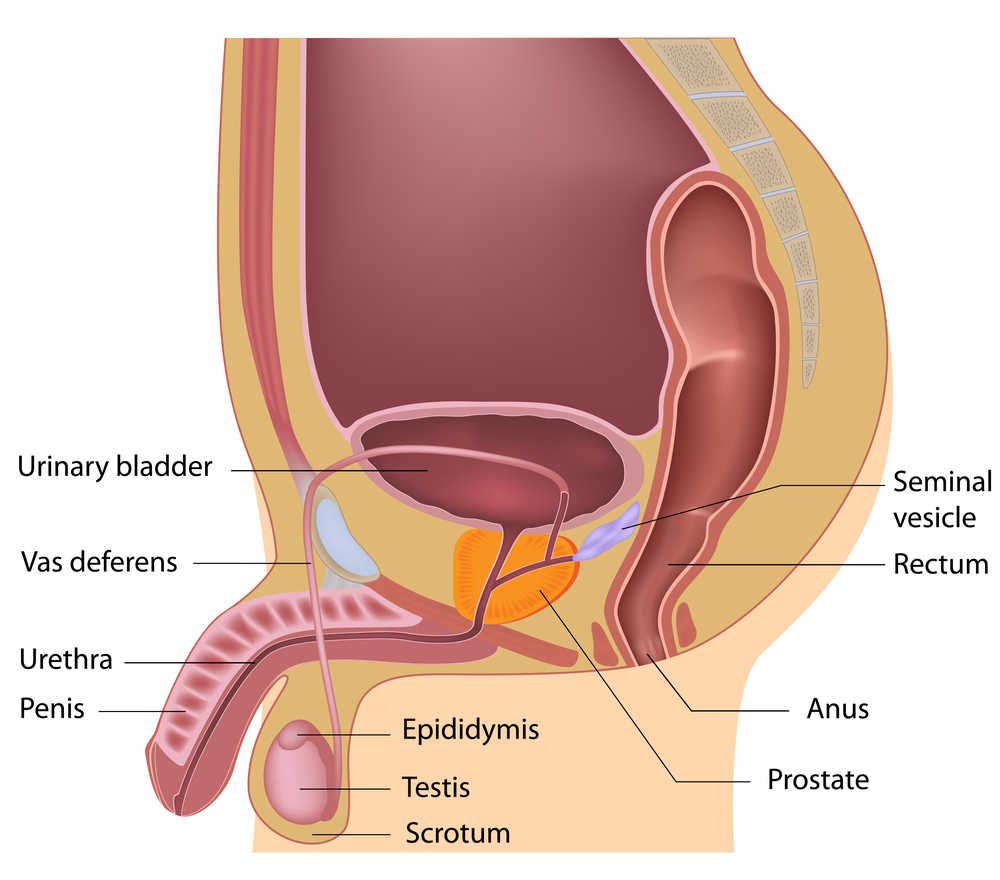
In Ontario, specially trained and registered physiotherapists can perform internal assessments (through the rectum) to check for the function, tone, strength, and coordination in the pelvic floor. Some of the pelvic floor muscles are so deep inside the body, this is the only way to assess and treat them. Unlike our other muscles, they can’t be seen or palpated from the outside.

What are typical pelvic health dysfunction signs and symptoms?

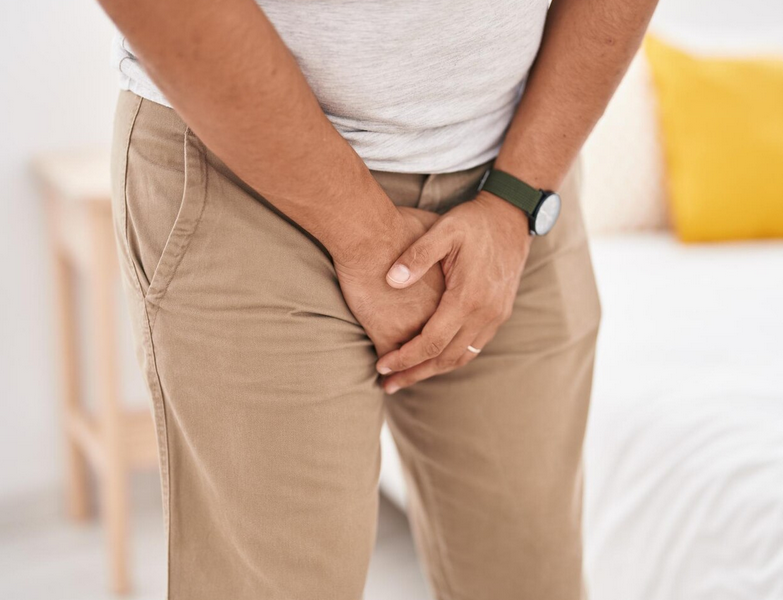
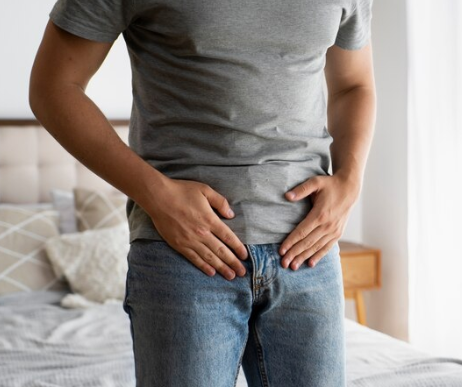
Man holding his genitals area, demonstrating a desperate need for urination (incontinence)

It may feel like pain, just like in other joints. But there are some specific things to watch out for that are highly associated with pelvic problems. These include:

  • Urinary issues: Including frequent or painful urination, leakage or “dribbling”, etc.
  • Bowel dysfunction: Incontinence, constipation, pain while having a bowel movement etc.
  • Sexual dysfunction: Erectile dysfunction, testicular pain, pain with ejaculation etc.
  • Pelvic issues: Pain in the lower abdomen, groin, perineum, hips, lower back etc.

What are some common conditions treated in men’s pelvic health?

  1. Erectile dysfunction: Pelvic muscles may be too tight or too weak, altering blood flow to the area
  2. Chronic pelvic pain syndrome: persistent pain in the genitals or perineum area
  3. Post-micturition dribble: urine that stays in the urethra and leaks after peeing, usually due to pelvic muscle weakness
  4. Post-Prostactectomy: The side effects of prostate removal include incontinence and erectile dysfunction which may be improved with pelvic physiotherapy

What does a men’s pelvic health physiotherapy assessment look like?

First, your physiotherapist will ask you detailed questions about your condition, health history, and current lifestyle. Be prepared to answer questions about medical history, sexual function, badder and bowel function, and exercise habits. This gives your practitioner a view of your overall condition and will help them decide where to begin with the physical assessment

Next, they will do the external physical assessment. This includes screening the lumbar spine, hips, abdomen, glutes and everything surrounding the pelvic floor. They will identify any contributing factors to the issue.

Finally, with your consent, they will perform the internal exam which for males, is a digital rectal exam (DRE). The practitioner will use a lubricated, gloved finger to palpate your pelvic floor muscles, looking for how strong, coordinated, or tense the muscles are. This provides crucial information about how the pelvic floor functions and directly informs how treatment will proceed. For example, a tense pelvic floor treatment is very different from weak or uncoordinated one.

Finally, your therapist will summarize their findings and present a treatment plan to you for your input. The treatment may include manual therapy, lots of education and advice on lifestyle factors/triggers, deep breathing techniques, pelvic floor exercises, and integration into your normal activities. Your practitioner will ensure you understand what is needed from you, and how often they would like to see you.

Curious about male pelvic health?

Look for PhysioNow! We have specially trained Pelvic Health Physiotherapists who can answer your questions and address your concerns. Male pelvic health needs to be better understood, we highly encourage you to get treated and spread the word! Book with PhysioNow for a free consultation or your first assessment and treatment. Or, contact us at P: 289-724-0448 or Email: applewood@physionow.ca for more information.

5 Ways Pelvic Health Physiotherapy Can Change Your Life

Pelvic Health Physiotherapy is an underappreciated part of the Physiotherapy profession. Most people would assume that this applies only to women, especially to pregnant women, but we are here to emphasize that pelvic health is for everyone! There is a wide variety of problems pelvic health physiotherapy can help with. Alternatively, it can be done proactively as part of preventative health measures.

We will describe 5 different ways that pelvic health can change your life!

1. No more leaking or urgency issues!

Urinary or fecal incontinence is the term for a loss of function, or accidental leaking/passing of urine or stool. It is a fairly common condition that can affect everybody, especially in a geriatric population but more common in women. A pelvic physiotherapist can help you find the cause and give you a personalized plan to resolve it. For milder cases, you may only need a couple sessions of learning how to activate and strengthen your pelvic floor muscles to see a difference! Regain your confidence and control over your life, you won’t have to worry about exercising, working out, or constantly needing a bathroom nearby.

2. Reduce lower back and pelvic pain

Pelvic pain can present in many different ways, including radiating to your hips, lower back, or groin. It can affect you during your daily life such as lying down, getting in and out of the car, during sexual intercourse or more. Your pelvic physiotherapist can identify the issues whether its muscular tightness, weakness, improper postures or lifting techniques. Then, they will show you how to relieve your discomfort using exercises, postural education, manual therapy and more. Just like any muscles, the pelvic floor needs to be taken care of!

3. Improve sexual dysfunction or function

Pain or dysfunction during intercourse is something that both men and women may experience. The important thing to note is that treatment is readily available through pelvic health physio! Issues may arise from irregular tone in the muscles which can affect aspects like arousal, sensation, and performance. Common issues that may improve with treatment include vaginismus, dyspareunia, erectile dysfunction, and poor ejaculatory control.

4. Improve core strength and posture

The pelvic floor is a crucial part of the core. While most people think about the abdominals and the back muscles as forming the core, they overlook the pelvic muscles. These muscles all work together for stabilization of your spine and pelvis. Without them, back pain, poor posture, and muscular imbalances can develop and lead to long term pain and discomfort. With pelvic retraining, feel confident in your body and your ability to move.

5. Prepare and recover from pregnancy

Prenatal physiotherapy care can help you and your partner prepare the pelvic floor for the increased demands it will soon experience. As a result, pre and post-natally, it is easy for an untrained pelvic floor to become overwhelmed and start to encounter issues. It will also include education and strategies that your birth partner can assist you with at home, and so you both know what to expect. Overall, pelvic health physiotherapy can help to minimize the stress and symptoms of pregnancy, making your experience as smooth as possible!

Looking for more help?

Look for PhysioNow! Our clinic has many experienced clinicians who have undergone their specialty training in Pelvic Health and are ready to assist you! With 10 clinics across the GTA from Burlington, Oakville, Mississauga, to Etobicoke, we make it easy for you to come see us. We have private treatments to ensure your comfort and safety during the duration of your treatment. If you want more information, please feel free to contact us at 289-724-0528. Book with PhysioNow today for your first assessment and treatment!

Prostatitis Solutions: Pelvic Floor Physio for Men

Prostatitis

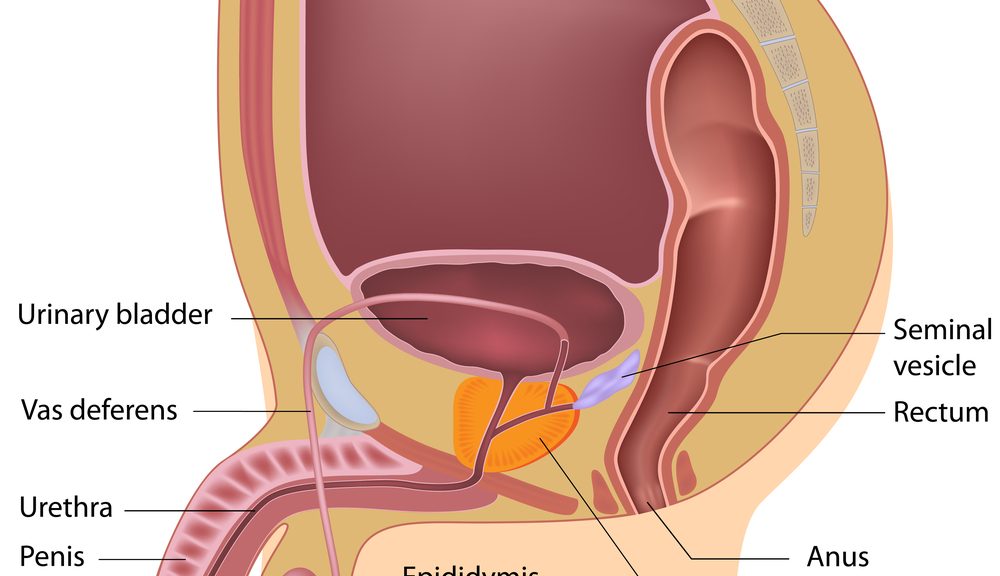
Prostatodynia or Chronic Pelvic Pain Syndrome (CPPS) is a pelvic pain condition found in men. This condition involves inflammation of the prostate gland. Usually, this leads to pain, discomfort especially involving urination, bowel movements, and sexual dysfunction. While part of the management of this condition involves medical management, Pelvic Physiotherapy plays an important role in recovery as well.

Types of Prostatitis

  1. Acute bacterial prostatitis is an infection of the prostate. This type of prostatitis causes chills and fever. In this case, you need your doctor’s attention promptly!
  2. Chronic bacterial prostatitis is a persistent bacterial infection
  3. Chronic pelvic pain syndrome (CPPS) or nonbacterial prostatitis has the same long-term symptoms but the cause is not from a bacterial infection. This type can be managed with physiotherapy treatment, and will be the main focus of this article.

What are the symptoms of prostatitis?

• Pain in the testicles, or tip, shaft or base of the penis
• Pain at the perineum (the area between the testicles and penis)
• Urination causes pain
• Increased pain in sitting
• Pain or discomfort with sexual arousal, or during or after ejaculation
• Pain or discomfort above the pubic bone
• Urinary frequency
• Urinary urgency
• Pain before, during, or after a bowel movement
• Decreased interest in sex

How is nonbacterial prostatitis found and treated?

First, investigations in this case show that bacteria and yeast are negative. The physical examination does not usually show anything unusual. However, the prostate may be swollen. What can make the problem even more confusing is that often young, otherwise healthy men develop this condition. Antibiotics, painkillers, and medications prescribed are often not effective. Many men have been told that they must learn to live with the symptoms because a cure is not available.

Pelvic Floor Physiotherapy is essential for recovering from prostatitis that is not the result of an infection. This involves an assessment by a Rostered Pelvic Floor Physiotherapist.

The Pelvic Health Physiotherapist creates an individualized treatment program. Treatment is based on the level and type of pelvic floor dysfunction, symptoms, and response to the treatments.

The following treatment programs and techniques may be involved in Pelvic Physiotherapy for prostatitis:

Muscle relaxation and strengthening techniques

Trigger point release therapy is also known as myofascial trigger point release. It is often helpful for treating CP/CPPS symptoms that are associated with stress and tension of the pelvic floor muscles.

Trigger point release therapy is often combined with paradoxical relaxation therapy. This exercise method involves autonomic self-regulation. This decreases pelvic floor muscle tension by teaching you how to self-release this tension. Paradoxical relaxation involves a specific breathing technique to help relieve anxiety.

Alternatively, weakness in the pelvic floor may be contributing to the issue. In this case, strengthening with specific exercises is important. It will help increase the support in the pelvic floor and lead to better function of the overall system.

Education and holistic care

Total body (exercise, chronic stress management, diet, lifestyle) changes help relieve pain. Education on posture, stress reduction techniques (ex. mindfulness) and proper body mechanics are important to relieve pressure on the pelvic area. Ultimately, following this advice is important for keeping yourself pain and symptom free in the long-term. Additionally, some foods have been associated with irritation including:

• Spicy foods
• Hot peppers
• Alcoholic beverages
• Acidic foods
• Wheat
• Gluten
• Caffeine

Check out this patient’s experience.

If you are experiencing issues with prostatitis or other types of pelvic pain, look for PhysioNow! We have fantastic Pelvic Physiotherapists to get started on your recovery from Prostatitis. We have 10 fully accessible locations across the GTA from Burlington all the way to Etobicoke. Book with PhysioNow today for your first assessment and treatment!