Tag Archives: Sports Physiotherapy

ACL REHAB

ACL REHAB
Knee Injuries

ACL REHAB

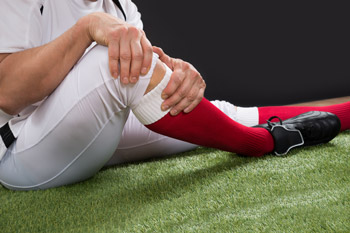
ACL REHAB is very important for you to get back to your normal life! injuries lead to pain, inflammation, internal bleeding and instability.

Mechanism of Injury

The mechanism of injury is a sudden rotational force that occurs when the foot is planted on the ground.

Symptoms of ACL tear

During certain movements you may feel instability and pain such as when walking and coming down stairs.

Muscles may get weak because they respond to stress put on them during weight bearing activities.

After injuring the ACL, people tend to to avoid pain.

This can lead to decreased balance, strength and control in the muscles.

It may further lead to locking of other structures that are also involved with an ACL tear. This includes meniscus and medial collateral ligament injuries.

Is Surgical Repair required?

Surgical repair may be needed for a fully torn ACL depending on the level of physical activities you want to return to. It is possible to avoid surgery completely if proper physiotherapy is done with a skilled Registered Physiotherapist.

Custom Knee Braces for ACL REHAB
ACL REHAB
Custom Knee Brace

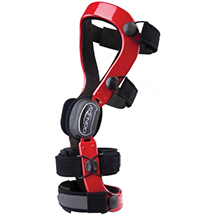
In addition, wearing a custom knee brace can allow you to fully support your knee without having to do surgery. Custom knee braces can be very helpful once the swelling goes down. They can allow you to return to all or most of your previous activities without surgery. A Custom Knee Brace provide the support for the torn ACL ligament. There are several types of Custom Knee braces available in the market. The most popular brands are DonJoy, Bledsoe and Ossur. At PhysioNow, we carry off the shelf knee braces and Custom Knee braces from all of the major suppliers.

Check out this link for a few of the braces we currently offer at PhysioNow in Mississauga.

How can Physiotherapy Help after an ACL tear?

Role of a physiotherapist after an ACL tear is:

– to control pain,

-increase/maintain ROM,

– stretching tight structures,

and strengthen the weak muscles

How is Pain controlled?

Pain is controlled by using different modalities such as ultrasound and interferential therapy. A graduated exercise program will help you to improve your movement.
Here is another interesting article about ACL REHAB.

Exercises will focus mainly on:

– strengthening quadriceps and gluteal muscles,

– proprioception techniques (you will likely lose some of your natural ability to balance after an ACL tear),

-and stretching of the hamstring muscles.
ACL REHAB
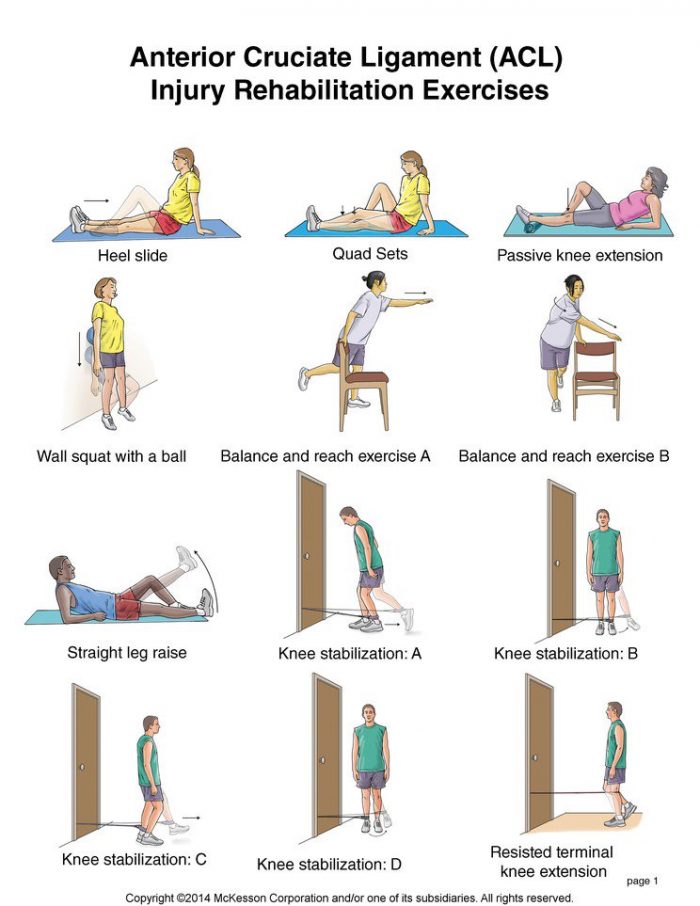
Possible ACL REHAB Exercises

Please do not attempt these exercises at home without the advice of your doctor or a skilled Registered Physiotherapist!

If you or someone you know has had an ACL tear, we at PhysioNow would be happy to help! If you want to discuss Physiotherapy Treatment or to see if a Custom Knee brace might be helpful for you, please call and ask to speak with Sharon. Call today!
Baker’s Cyst

Baker's cyst

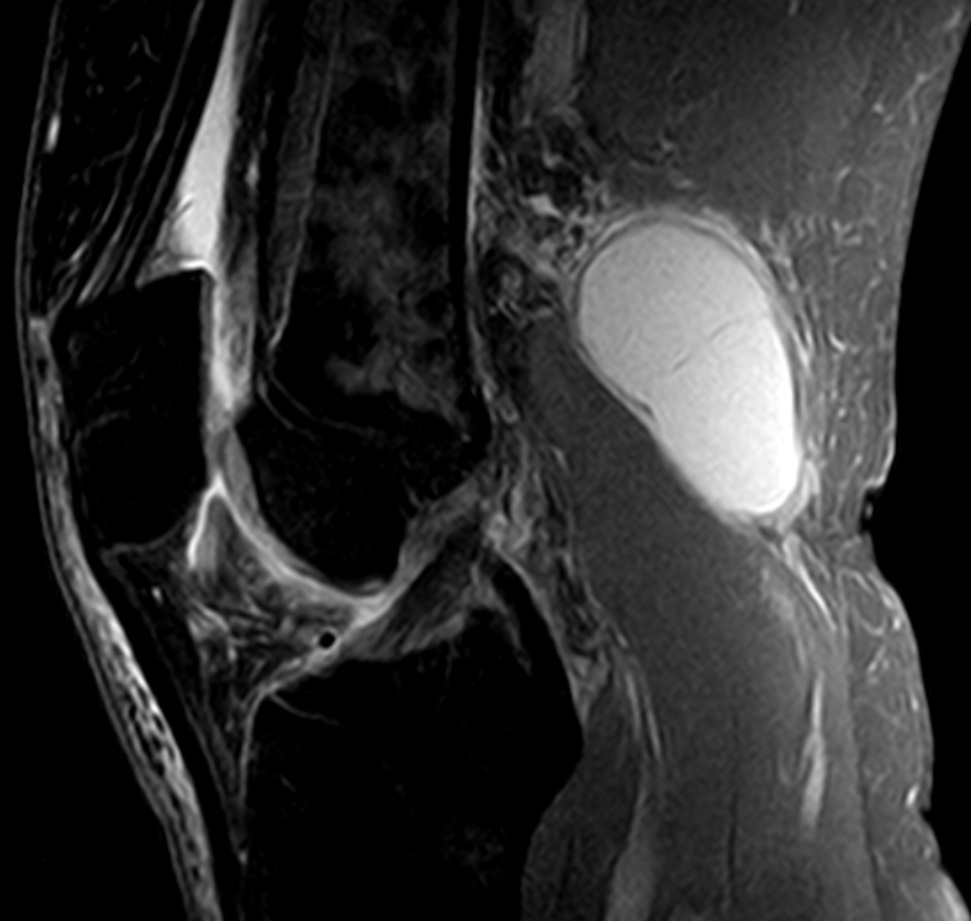
A Baker’s Cyst, also known as a popliteal cyst, is a fluid-filled swelling that causes a lump at the back of the knee. This leads to tightness and restricted movement. The Baker’s Cyst can be painful when you bend or straighten your knee.

? Causes of a Baker’s Cyst

Synovial fluid is a clear liquid that normally circulates through the spaces in your knee joint. Sometimes the knee produces too much of this fluid. The increasing pressure forces the fluid to the back of the knee via a one-way valve. This creates a bulge. This  swelling of the knee causes a Baker’s Cyst to form.

The most common causes of a Baker’s Cyst are:

  • damage to the knee’s cartilage (meniscus)
  • arthritis of the knee
  • rheumatoid arthritis
  • other knee conditions that cause joint inflammation

? Symptoms of a Baker’s Cyst

Some patients may have no pain and may not even notice the cyst is there. However, the signs and symptoms of a Baker’s cyst can include:

  • Swelling or lump behind the knee (the main sign) – this is more evident when standing and comparing one knee to the other. It may feel like a water-filled balloon.
  • Knee pain.
  • Calf pain.
  • Accumulation of fluid around the knee.
  • The knee joint may click or buckle.
  • The knee joint may lock.
  • ? Diagnosis of a Baker’s Cyst

    • Your doctor will examine your knee and feel the swelling. If the cyst is small, they may compare the affected knee to the healthy one and check your range of motion.
    • Your doctor may recommend non-invasive imaging tests if the cyst rapidly increases in size or causes severe pain or fever. These tests include an MRI or ultrasound. An MRI will enable your doctor to see the cyst clearly and to determine if you have any damage to the cartilage.
    • These tests will determine if some other form of growth, such as a tumor, is causing the swelling.
    • Although the cyst won’t show up on an X-ray, your doctor may use one to check for other problems, such as inflammation or arthritis.

    Web MD has additional info on this condition.

    ? Treatment

    A Baker’s Cyst doesn’t need treatment. It will go away on its own. However, if the swelling becomes large and causes severe pain, your doctor may recommend one of the following treatments.

    • Fluid draining

      Your doctor will insert a needle into the knee joint and may use an ultrasound to help guide the needle to the correct place. They’ll then draw the fluid from the joint.

    • Medication

      Your doctor may recommend a corticosteroid medication, such as cortisone. Your doctor will inject this drug into the joint, and the medication will flow back into the cyst. Though it may help relieve the pain, it doesn’t always prevent a Baker’s Cyst from recurring.

    • Physiotherapy

      Regular, gentle exercises may help increase your range of motion and strengthen the muscles around your knee.

    If you think you or someone you know may have a Baker’s Cyst, please call PhysioNow today!  We would be happy to help! We have highly trained Registered Physiotherapists ready to see you Now!

Acupuncture: Neck pain

Acupuncture: Neck pain

Acupuncture: Neck pain

Almost everyone will experience some sort of neck pain or stiffness during their lifetime. However, certain occupations appear to be predisposed to neck symptoms.  Acupuncture: Neck pain may be able to help.

Manual laborers, for instance, have more symptoms than office workers.  The type of work seems to affect the risk. A person’s age and a history of twisting and bending during work can also contribute.

Studies have shown acupuncture: Neck Pain to be effective in relieving certain types of neck pain.  This is especially true for neck pain  caused by whiplash. Some studies suggest acupuncture can treat degenerative neck disorders such as ankylosing spondylosis and cervical spondylosis.  In many cases, acupuncture: Neck pain has worked for patients whose conditions could not be solved using conventional approaches.

¬ Mechanism of action of Acupuncture: Neck pain

  • Release of opioid peptides.Opioids are naturally occurring chemicals in the brain that have apain killing effect. The release of these opioids plays a large role in the reduction of pain. There has been lots of evidence to show that acupuncture stimulates the central nervous system.  This causes the release of these pain killing chemicals.
  • Alteration in the secretion of neurotransmitters and neurohormones.Acupuncture is said to activate the hypothalamus and pituitary glands. This changes the release of these chemicals. These particular chemicals play a direct role in the feeling of pain. It also affects the activity of an organ . Evidence has shown that acupuncture alters this secretion in a manner that reduces pain.
  • Stimulation of electromagnetic points on the body. The 2,000 points of the body that acupuncture focuses on are thought to be special conductors of electromagnetic signals. Stimulation of these areas is believed to start the flow of endorphins—the body’s natural painkillers.¬ Indications for Acupuncture: Neck pain
    • Sudden Force/Automobile Accident
    • Degenerative Disc Disease
    • Overuse/Improper Use
    • Osteoporosis
    • Neck Strain
    • Degenerative Arthritis
    • Whiplash
    • Muscle Tension or Spasm
    • Bone Spur
    • Herniated or Protruding Disk
    • Pinched Nerve
    • Ligament/Muscle Tears
    • Cervical Spondylosis
    • Ankylosing Spondylosis

    ¬ Contraindications of Acupuncture: Neck pain

    There are very few situations where acupuncture is not advised:

    • When someone has a hemophilic condition
    • When a  patient is pregnant – certain acupuncture points and needle manipulations should not be used during pregnancy
    • If a patient has a severe psychotic condition or is under the influence of drugs or alcohol

    Check out this link for a bit more information about the use of Acupuncture: Neck pain.

    ¬ Types of application of Acupuncture: Neck pain

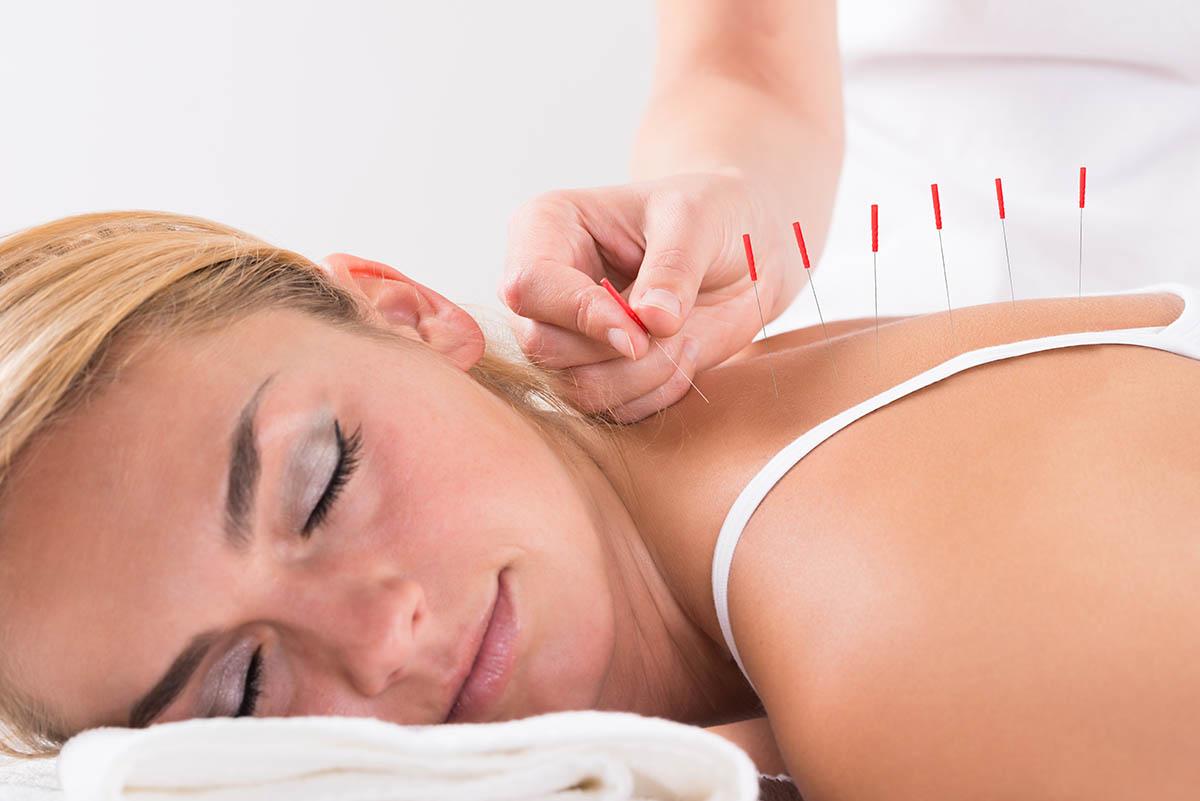
    • Basic needlingNeedles are inserted to a depth of 4–25 mm and left in place for a period of time (from a few seconds to many minutes). There are often 6–12 needles (and sometimes more) inserted at different acupoints at the same time. The sensation is often described as a tingling or dull ache at the entry point. Many people say they feel very relaxed or sleepy, and some report increased energy levels afterwards.
    • Electro acupuncture (EA)A tiny focused electric current is applied to the skin at the acupoints or can be applied to the needle itself.

    If you would like to meet with a Registered Physiotherapist that is trained to do Acupuncture: Neck Pain,   please call PhysioNow today! Our experienced physiotherapists would be happy to help !

Peroneal tendinopathy

Peroneal tendinopathy

Peroneal tendinopathy

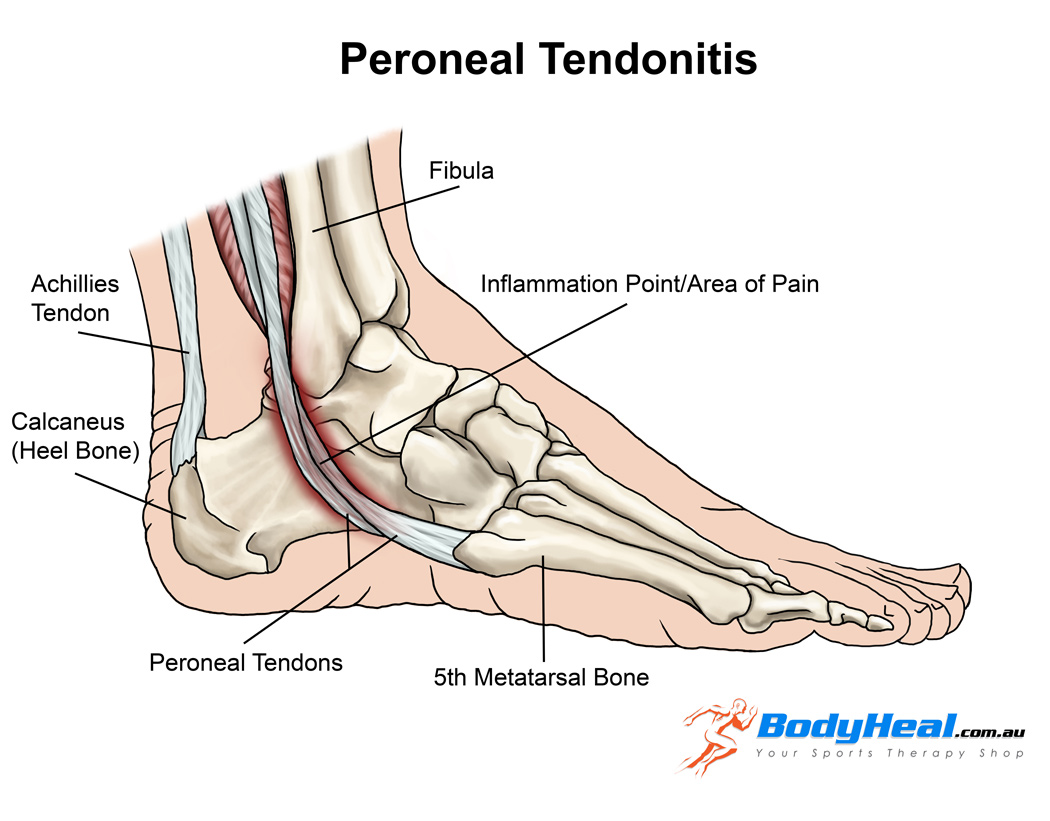
Peroneal tendinopathy or peroneal tendonitis is characterized by an aching pain and swelling in the perineal tendons. These are located in the lower, outside portion of the ankle. A tendon is soft-tissue that attaches a muscle to a bone. The muscles involved in this condition are the 2 peroneal muscles in the lower leg, called the peroneus longus and the peroneus brevis.

Anatomy

?There are two peroneal tendons that run along the back of the fibula. The first is called the peroneus brevis. The term “brevis” implies short.  It is called this because it has a shorter muscle and starts lower in the leg. It then runs down around the back of the bone called the fibula on the outside of the leg and connects to the side of the foot.  The peroneus longus takes its name because it has a longer course. It starts higher on the leg and runs all the way underneath the foot to connect on the other side of the foot. Both tendons, however, share the major job of turning the ankle to the outside. The tendons are held in a groove behind the back of the fibula bone.

Causes of Peroneal Tendonitis

  • A sudden increase in weight bearing activities, particularly walking, running or jumping
  • Inadequate or unsupportive footwear
  • Muscle imbalances of the lower limb
    Poor lower limb biomechanics
  • Incomplete rehabilitation following an acute ankle injury, such as an ankle sprain

Symptoms of Peroneal Tendinopathy

  • Gradual worsening pain over the outside of the ankle
  • Pain during and/or after weight bearing activities
    Pain with turning the foot in and/or out
  • Instability around the ankle when weight bearing

Diagnosis

A full examination from a physiotherapist can be all thats needed to diagnose peroneal tendonitis
Patients with this condition usually experience pain behind the outside ankle during activities putting stress on the perineal tendons. Pain can also be noticed following these activities or following a rest period. This may be noticed especially upon waking in the morning. There may be swelling when the injury first happens. There will also be pain when testing resisted foot movements.  Stretches into various positions of the foot inversion, and resisted movements can cause pain behind the outside ankle.
Diagnosis may be confirmed with an MRI scan or ultrasound investigation
a diagnostic Ultrasound may be used for detecting all types of peroneal injuries.

What else could it be?:

Symptoms of peroneal tendinopathy mimic various other conditions of the ankle joint. So, before diagnosing peroneal tendinopathy we should rule out other possible injuries by doing the following tests:
Ankle Sprain: ligament testing by the Physiotherapist
Ankle fractures: special tests by the Physiotherapist
Os trigonum syndrome: MRI, physiotherapy testing
Chronical lateral ankle pain with other cause: MRI
Longitudinal peroneal tendon tear: MRI
Peroneal subluxation: ultrasonography, CT, MRI or peroneal tenography
Flexor Hallucis longus tendon injury

Physiotherapy rehabilitation

Treatment for peroneal tendonitis includes a program of stretching, strengthening, mobilisation and manipulation. It also includes proprioceptive exercises, icing, ankle bracing or k-taping during contact sports. If symptoms are severe, a cast or ROM boot immobilization may be worn for 10-20 days. After symptoms resolve, you will begin a progressive rehabilitation programme along with a gradual increase to full activity.

The use of a biomechanical ankle platform (BAPS), deep tissue friction massage, ultrasound electric stimulation can also be included in the physiotherapy
Also, shock wave therapy (ESWT), acupuncture is used to treat tendinopathy. But there is only limited evidence from studies for these treatments.
There is evidence for using manual therapy, specifically the lateral calcaneal glide.

If you have any further queries please call PhysioNow. Our experienced physiotherapists would be happy to help you. Call Today to get started 289-724-0448.!

De Quervain’s Disease

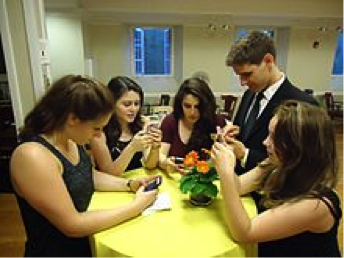
De Quervain’s Disease/ Texting thumb.

De Quervain's Disease

De Quervain’s Disease

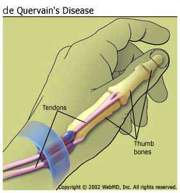
De Quervain’s Disease or nowadays known as texting thumb is a painful inflammation of tendons in the thumb that extend to the wrist. The rubbing of the inflamed tendon against the canal it passes through causes pain at the base of the thumb and into the lower arm. It is commonly seen in females over 40 years of age.

Causes of De Quervain’s Disease

1. Simple strain injury to the tendon.
2. Repetitive motion injury. Workers who perform rapid repetitive activities involving pinching, grasping, pulling or pushing are at increased risk. Specific activities including intensive mousing, trackball use, and typing. Other activities including bowling, golf, fly-fishing, piano-playing, sewing, and knitting can also cause De Quervain’s Disease.
3. Frequent causes of De Quervain’s Disease include stresses such as lifting young children into car seats, lifting heavy grocery bags by the loops, and lifting gardening pots .
4. De Quervain’s Disease often occurs during and after pregnancy. Factors may include hormonal changes, fluid retention and more lifting.
5. Rheumatoid arthritis.

De Quervain's Disease

De Quervain’s Disease/ Texting Thumb

Onset and Symptoms of De Quervain’s Disease

Onset can be gradual or sudden. Pain is felt along the back of the thumb. There can be Pain directly over the thumb tendons, and pain may travel into the thumb or up the forearm. The bottom of the thumb or the side of the wrist might also be sore or swollen.
It may be hard and painful. Symptoms may get worse when the thumb is moved, particularly when pinching or grasping things. Some people also have swelling and pain on the side of the wrist at the base of the thumb. The back of the thumb and index finger may also feel numb. People might experience a funny sound like a squeak, crackle, snap, or creak when they move the wrist or thumb.
If the condition is not well addressed, the pain can spread up your forearm or down into your thumb.

How is De Quervain’s Disease diagnosed?

De Quervain’s Disease is diagnosed based on history and physical examination. X-rays, or ultrasound may be used to rule out other causes of pain.The Physiotherapist may use special tests to help diagnose De Quervain’s. More information can be found here.

Physiotherapy Treatment

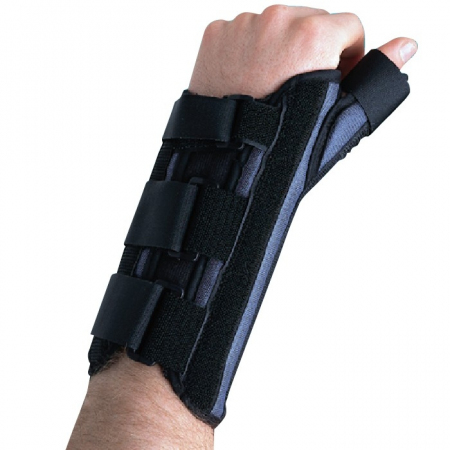
Your Physiotherapist will likely recommend that you wear a specific wrist splint with a thumb spica for 4 to 6 weeks . PhysioNow carries these wrist splints in stock. You’ll also need to stop doing activities that worsen the condition.

Wrist brace with thumb spica

De Quervain’s Disease

The physiotherapist after a thorough assessment could choose different therapy approaches to help with the swelling, pain, and function.
These treatments may include Ultrasound, K-taping, acupuncture, and manual therapy. Other Physiotherapy treatments may include specific exercises focusing on range of motion, strength, and flexibility. These would be given for a safe and effective return back to function.

Recovery times vary depending on your age, general health, and how long you’ve had the symptoms.
If your disease has developed gradually, it’s often tougher to treat. So, it may take you longer to get relief. Your doctor may give you anti-inflammatory medication, or may inject the area with steroids to curb pain and swelling.

In our experience at PhysioNow, more than 99% of people with De Quervain’s Disease get better with Physiotherapy treatment provided. If however, you are one of the outliers, your doctor may recommend surgery. The operation would release the tendon’s tight covering so that the tendon could move smoothly. It’s an outpatient procedure, which means you go home afterward. Your doctor will recommend physiotherapy after surgery which includes an exercise program to strengthen your thumb and wrist.

If you or someone you know suffers from De Quervain’s Disease, please call us today. Our skilled Physiotherapists can Help!

Vertigo

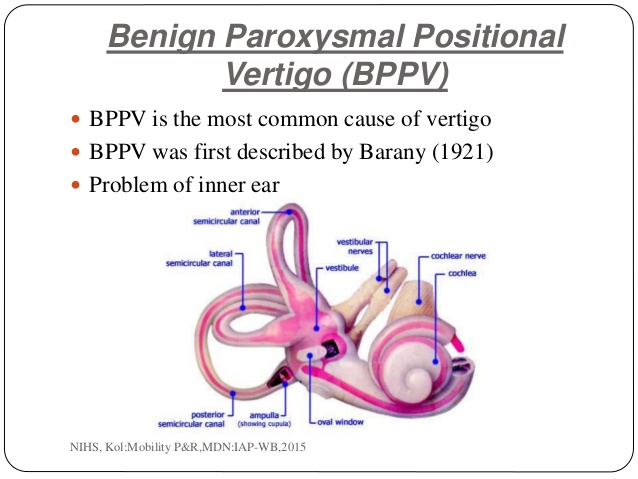
Benign paroxysmal positional vertigo(BPPV)

Vertigo

Vestibular Systems
• Comprises five sensory organs that provide your brain with information about head position and movements including head rotation, linear movements and static positions of the head relative to gravity
• Five sensory organs including 3 semicircular canals and 2 otoliths


BPPV is a mechanical problem in the inner ear. It occurs when some of the  crystals that are normally embaded in gel in the ear become dislodged.  They then can move into one or more of the 3-fluid filled semicircular canals.

Benign paroxysmal positional vertigo(BPPV) is  one  of the most common causes of vertigo. It creates a false sensation of spinning.
• Benign: it is not life threatening
• Paroxysmal: it comes in sudden, brief spells
• Positional: it gets triggered by certain head positions or movements
• Vertigo: a false sensation of rotational movement


Symptoms
a)      Dizziness
b)      Vertigo (sensation of spinning)
c)       Nausea
d)      Sense of imbalance or unsteadiness
e)      Poor gaze stability
f)       Vision disturbance

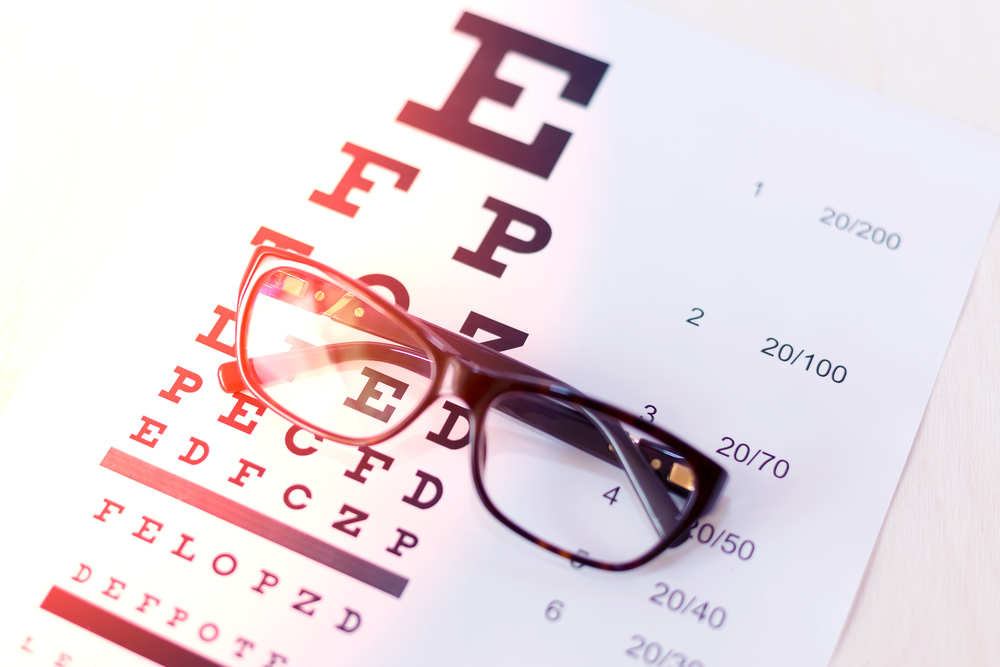
Visual Coordination screening


Diagnosis

• The relationship between the inner ears and the eye muscles are what normally allows us to stay focused on our environment while the head is moving.  The dislodged crystals make the brain think you are moving when  you are not. This mistakenly causes the eyes to move, which makes it look like the room is spinning. This is called Nystagmus.

• The Nystagmus will have different characteristics that allow the practitioner to identify which ear the displaced crystals are in and which canal is involved.
• The most common tests are DIX hall pike and Roll test.
• There are two types of  BBPV.  One type, where the loose crystals can move freely in the fluid of the canal(canalithiasis). The more rare type is one where the crystals are thought to be hung up on the bundle of nerves that sense the fluid movement(cupulolithiasis).

Physiotherapy Treatment
• One maneuver that is used for the most common location and type of BPPV is called the Epley maneuver. However , that will not work for all people . Often people have tried the Epley maneuver themselves or had it performed on them without success.
• In the vast majority cases, BPPV can be corrected mechanically by a Registered Physiotherapist. Once your  provider knows which canal is involved and what type it is , we can take you through the appropriate treatment maneuver.

Check out this video for an example of the  Epley Maneuver.  Please do not attempt this yourself until you have been properly assessed and screened by one of our Registered Physiotherapists to see if this maneuver will be appropriate for your condition!

If you have any further questions, please call PhysioNow today! Our experienced Vestibular Physiotherapists would be happy to help you.

Baseline Testing Concussions

Baseline Testing

Why is baseline testing Concussions important?

There are no  special tests to diagnose and gauge the severity of concussions.  Athletes are recommended to undergo baseline testing before the beginning of the sports season. Baseline test results are helpful  for most healthcare professionals  involved in an athlete’s concussion care. This includes Physiotherapists, Physicians, Concussion Specialists, and Vision Therapists.  Baseline tests let the Physiotherapist compare the before injury  function to the results of post concussion baseline testing. It’s a great tool  to measure the severity of concussions.  It helps therapists to make  treatment goals.  Safe return to sports following concussions can be determined with this tool.


Components of Baseline testing  Concussions


  • Impact Test, This is the gold standard test.  It  looks at different functions of your brain before and after concussion. It is a computer based test. It usually takes about 30 minutes. The test assesses your ability to process information, and remember things.  It also tests how quickly you can follow  instructions/tasks. It’s the most scientifically validated test and recently got approved by the FDA.


  • Visual Coordination screening 
    Visual Coordination screening
     Following concussion, functioning of the visual system  is greatly affected. This involves the eyes and part of the brain that processes visual information.   Correct vision and clarity of  vision is not affected. However, the ability of your eyes to move together is affected. This usually leads to symptoms like dizziness, difficulty focussing,  and headaches. Testing the visual system before the sports season provides valuable information about the function of the visual system.  It allows for treatment of any problems.


  • Balance and Postural stability– With Post-concussive injury, both static and dynamic balance is affected. You can feel dizzy with standing, change in position or with certain movements. Most sports require an intact balance system to improve performance.


Registered Physiotherapists at PhysioNow are trained to conduct baseline testing before the beginning of  the sports season and following concussive injury. Registered Physiotherapists at Mississauga are skilled to assess any deficits in your baseline testing and treat them. Visual coordination exercises  will be done to help you  return to sports faster .

Please call today to get your baseline testing done or to treat your concussion.

Golfers elbow

Golfers elbow

Golfers elbow

Golfers elbow is the overuse injury to the wrist flexor muscles. The muscles travel from the inside of the elbow leading to pain with resisted wrist flexion and resisted pronation of the forearm. The cause of the Golfers elbow is repeated wrist bending, improper lifting, throwing and swinging movements. People involved in racquet sports, using tools as screwdrivers and working on computers are usually affected.

Symptoms

Symptoms include pain and tenderness around the inside of the elbow. They often also include pain with making a fist, stiffness of the elbow, and a weakened grip with downward movement of the forearm. Pain typically gets worse with a tight fist and picking things up with the wrist in a bent position.

Check out this article for more information about Golfers elbow.
Diagnosis

The condition is usually diagnosed through special tests such as wrist flexion against resistance. Differential diagnosis from other conditions such as cervical radiculopathy, ulnar neuritis, strain of flexor-pronator muscles is usually done by the physiotherapist.

Management

Early management helps to prevent loss of grip strength and mobility of the elbow. Management includes physiotherapy treatment and in rare cases surgery depending upon the severity of the condition. Your Physiotherapist at PhysioNow will work to stretch the common flexors of the wrist, do deep friction massage to break the scar tissue, and mobilize your elbow joint or cervical spine if pain is referred from the neck. They will also plan grip strengthening exercises, do tapping and educate you regarding the precautions to help in quicker healing. This will help to prevent any recurrence of Golfer’s Elbow. In many instances, a golfer’s elbow brace is beneficial. We carry these braces at all PhysioNow locations. Lastly, Golfer's Elbow may also be beneficial as a treatment for Golfers elbow.
In addition, the use of Laser therapy,application of a ‘Hawk tool’ and cupping can be used to reduce pain and promote healing. Your physiotherapist will educate you regarding these physiotherapy treatment options. So, don’t wait, book your appointment at PhysioNow today to get started on your treatment!

Foot Pain Treatment Mississauga

strong>Foot Pain Treatment Mississauga
Trending Now: Blue Jays’ Jose Batista on 15 day disabled list

Foot Pain Treatment Mississauga

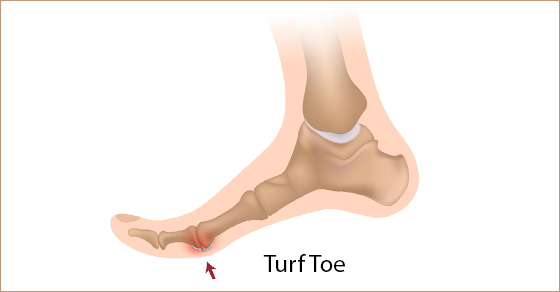
Blue Jays’ Jose Batista hurt his big toe during a June 16 game against Philadelphia. After running into the outfield wall, Bautista had to leave the game early because of pain. An MRI showed that he had suffered a sprain of his left big toe. He had to be in a walking boot for the time being. It may seem like it’s an excessive treatment plan for just a simple sprain. In reality sprains can sometimes be more complicated than a fracture.

What is a Ligament?

A ligament is a soft tissue structure that connects two bones together. Ligaments do not receive a good blood supply like muscles or tendons and as a result, they cannot heal as well.

Types of Sprains

A sprain is defined as a stretch or tear of a ligament.
Furthermore, sprains can be classified into three groups based on the severity of injury. A grade I sprain means that there is mild damage to the ligament and the joint is stable. A grade II sprain means that there is a partial tear in the ligament and the joint is overall less stable or loose. The most severe type of sprain is classified as grade III and it means that the ligament has completely torn or ruptured and the joint has lost stability.

How can a Registered Physiotherapist help with Foot Pain treatment Mississauga?

A Registered Physiotherapist helps with all three types of sprains. The treatment for sprains starts with rest and reducing inflammation. Depending on the type of sprain, it may be necessary for immobilization in order for this to occur. For example a grade II sprain you can get a removable walking boot. A grade III sprain you can get a cast. Once inflammation is reduced and pain is better, treatment seeks to improve range of motion and strength and a return to activity or sport.

Since Jose Batista has been wearing a walking boot, it seems that his injury is at least a grade II. Considering the poor blood supply of ligaments and the severity of his particular sprain it is definitely best for him to be out of the game for at least 2 weeks. Proper foot pain treatment Mississauga in the early phase of injury is very important so that the ligament is well protected and given the best chance for healing. Once the walking boot comes off, his injury will be re-evaluated and the Blue Jays’ medical team will decide on his further treatment plan and eventual return to play.

Jose Bautista’s toe injury improving

If you have been injured, call PhysioNow today! They can help with Foot Pain treatment Mississauga!

Massage Therapy Services Mississauga

Massage Therapy Services Mississauga

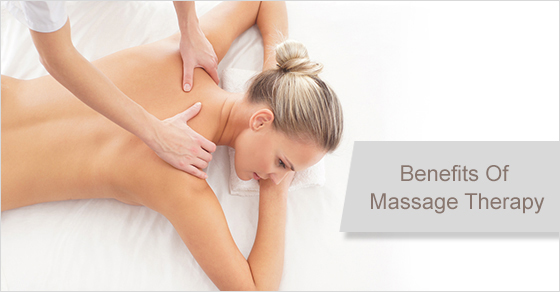
Massage therapy involves skilled manipulation of the soft tissues (skin, muscle, fascia, tendons, ligaments) and joints in your body. A variety of techniques can be used in Massage therapy services Mississauga to help reduce tension in stiff muscles. It can help to promote lymph and blood flow and speed up the healing of injured tissues. Massage therapy has a therapeutic effect on the body and helps you to recover from injuries to muscles, circulatory and the nervous system.

Massage Therapy Services Mississauga: Types

1) Relaxation/Swedish Massage– primarily used to enhance wellbeing and is generally offered in spas, resorts

2) Rehabilitative/Deep tissue/ Therapeutic Massage- Primarily aids in promoting healing of injured tissues. This facilitates early recovery. Registered Massage therapists who are skilled and trained in performing these maneuvers perform Rehabilitative Massage Therapy. This service is offered in medical clinics .

Massage Therapy Services Mississauga

Massage Therapy Services Mississauga

Benefits of Massage Therapy Services Mississauga:

1) To alleviate pain
2) To decrease muscle spasms
3) To decrease stiffness in joints
4) To decrease tightness in muscles
5) To promote relaxation
6) To decrease inflammation
7) To enhance circulation
8) To decrease stress
9) To decrease anxiety
10) To improve posture
11) To correct muscular imbalances

Conditions treated by Registered Massage Therapists:

1) Rotator cuff tear
2) Frozen shoulder
3) Tennis elbow
4) Golfers elbow
5) Carpal tunnel syndrome
6) Sciatica
7) Disc herniation
8) Arthritis- Hip/Knee
9) Stiff/sore low back
10) Hip bursitis
11) Knee Meniscal Injury
12) Ankle sprain
13) ACL injury to the Knee
14) Post surgical-Total Hip Replacement/ Total Knee Replacement
15) During pregnancy
16) Neck strain
17) Postural stress

Check out this website for more information.

At PhysioNow Mississauga, we have a number of highly skilled Registered Massage Therapists available at each of our offices to help you. We often find that the combination of Registered Physiotherapy and Registered Massage Therapy is quite powerful. Once a Physiotherapist has assessed your condition, they can help to guide the Registered Massage Therapist so that you get the maximal benefit from all of your treatments. We have Registered Massage Therapists available 6 days per week from Monday to Saturday. Please call 289-724-0448 today!