Tag Archives: Sports Rehabilitation

5 Winter Olympics Injuries and How Physiotherapy Treats Them

Many of us have been watching the Winter Olympics eagerly for the past couple of weeks. We’ve watched our athletes showcase thier speed, power, precision, and skill. However, the same forces that allow elite athletes to perform at world-class levels, also create predictable injury patterns.

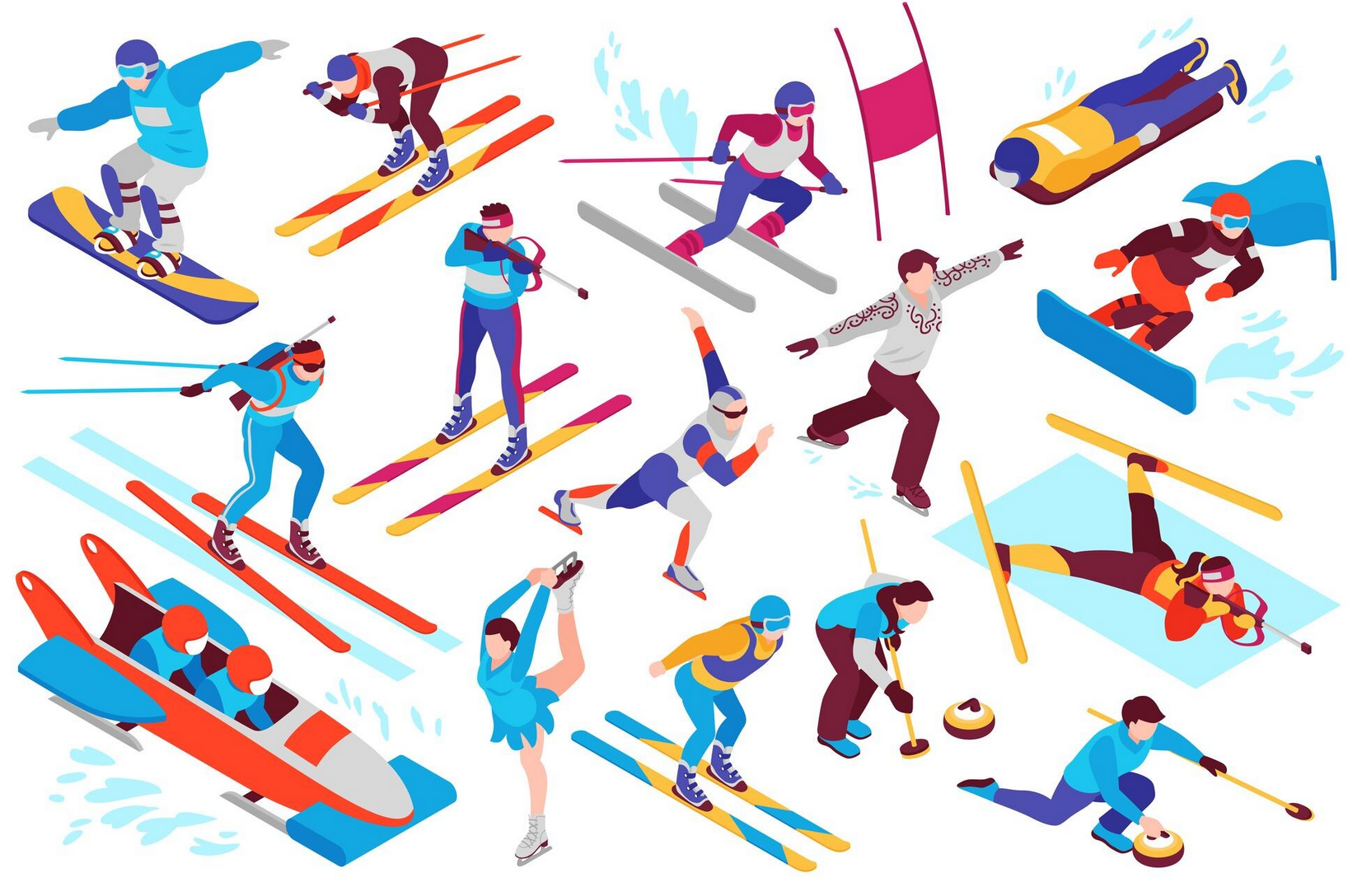
For physiotherapy clinics, winter sports Olympics injuries are not limited to Olympians. Recreational skiers, snowboarders, hockey players, and winter runners frequently present with similar conditions. Below is a summary of the five most common Winter Olympic injuries and how physiotherapy manages them.

1. ACL Tears (Anterior Cruciate Ligament)

Common in: Skiing, snowboarding, ice hockey
Mechanism: Rotational force with inwards knee collapse (pivoting and cutting), high-speed decelerations, awkward landings from jumps

ACL injuries are strongly associated with downhill skiing and high intensity sports. High torsional forces between the ski and the knee create a classic non-contact mechanism. A well-known example is Lindsey Vonn, who sustained multiple ACL injuries yet returned to elite competition following structured rehabilitation. So let’s talk about how someone can recover from an ACL injury.

Physiotherapy Treatment

Post-operative or conservative rehab includes:

  • Early restoration of knee extension
  • Quadriceps activation
  • Progressive strengthening and weightbearing toleranc
  • Neuromuscular control and proprioceptive training
  • Plyometric progression
  • Objective return-to-sport testing (hop tests, tests between the injured and normal side should be ≥90%)

The return of strength alone is insufficient to return to sports. Realistically, when we’re moving during sports, our bodies are not going to stay in perfect alignment like during squats in the gym. As a result, movement quality and dynamic control are critical to reducing re-injury risk.

2. Wrist Fractures

Common in: Snowboarding
Mechanism: FOOSH (Fall On Outstretched Hand)

For example, snowboarders often fall backward or forward without releasing the board, leading to a fall directly onto the hand. This commonly results in wrist or hand fractures like a scaphoid or distal radius fractures.

Physiotherapy Treatment

After being immobilized for a couple of weeks, physiotherapy starts immediately:

  • Gradual wrist mobilization, most people are very stiff coming out of the cast
  • Edema (swelling) management
  • Grip strengthening
  • Fine motor movements
  • Progressively loading the wrist to increase function and strength
  • Functional reintegration (weight-bearing through hands)

3. Concussions
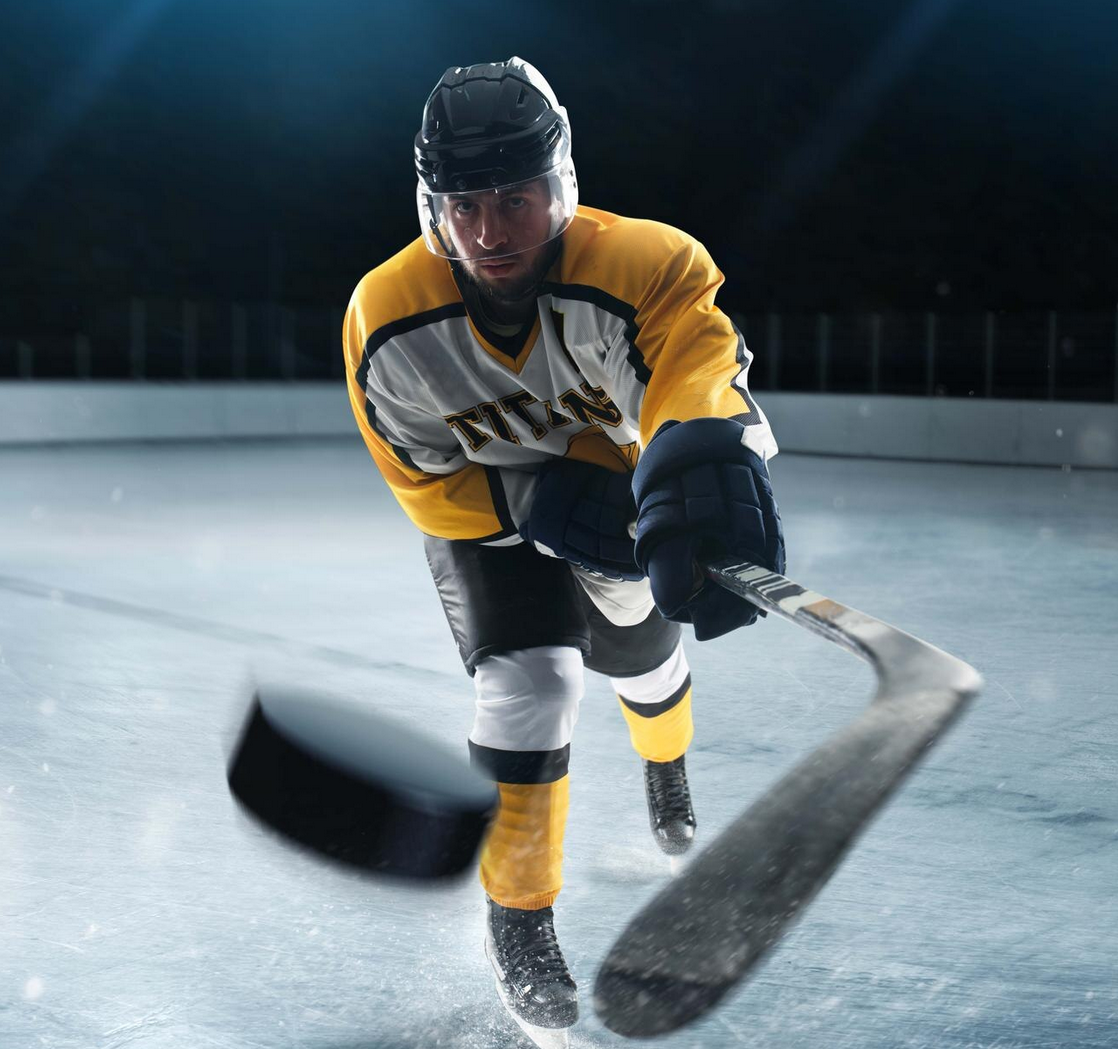
Concussions are common sports injuries that can arise from any impact or even acceleration/decelerations that are too quick. In hockey, this could be the impact from a fall, a puck, another player, or even just crashing into the sides too hard.

Common in: Ice hockey, snowboarding, figure skating
Mechanism: High-speed collision or impact

Concussion management has evolved significantly within the last couple of decades. Prolonged rest periods is no longer indicated for recovery. Athletes in winter contact sports experience both direct head trauma and acceleration-deceleration injuries. Many people are still not aware that there does not have to be direct head trauma for a concussion injury to be present. Unfortunately, the return to sport rehabilitation for concussion can be quite lengthy, and there will always be an increased vulnerability to future concussions.

Physiotherapy Treatment

Modern concussion rehab includes:

  • Cervical spine assessment and treatment
  • Vestibular rehabilitation
  • Oculomotor retraining
  • Aerobic conditioning appropriate to the current symptoms
  • Graduated return-to-school/work, then return to sport protocols
  • Education on symptom control to avoid overload

4. Shoulder Injuries (Dislocations & AC Joint Sprains)

Common in: Snowboarding, ice hockey, speed skating falls
Mechanism: Direct lateral impact or bracing fall

Shoulder dislocations and AC sprains can occur from a direct impact, like getting tackled or hitting another player. Otherwise, a fall and fall onto the arm, elbow, or hand can push the shoulder out of place as well. For the more severe injuries, the arm will look visibly dislocated and in the AC joint, a step deformity is obvious.

Physiotherapy Treatment

  • Acute phase pain control
  • Gradual restoration of ROM
  • Rotator cuff strengthening
  • Scapular stabilization and rotator cuff stability drills
  • Return-to-contact progression (for contact sports)

5. Groin and Adductor Strains
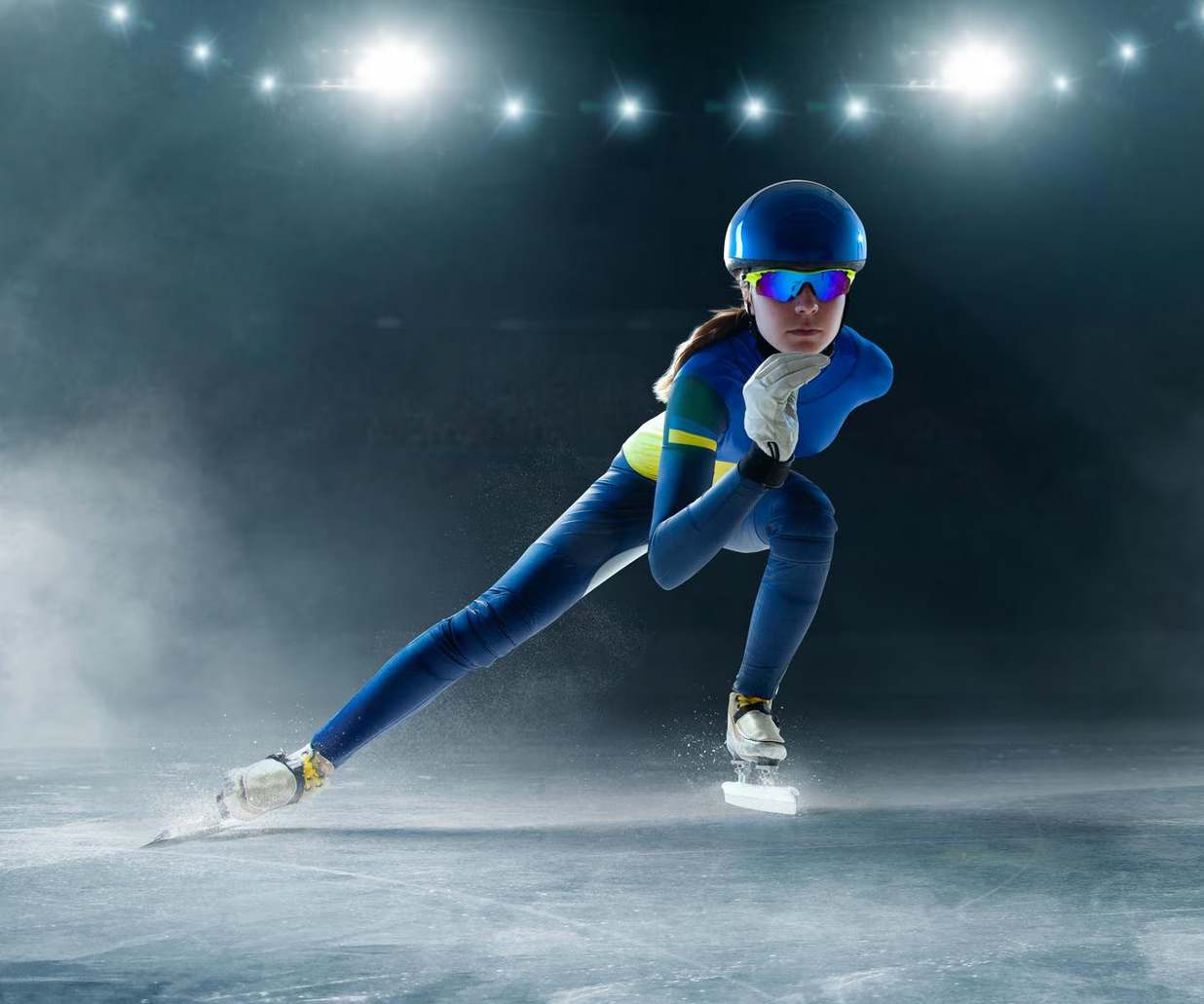
In skating sports, especially speed skating, the leg is often extended far to the side. This puts the adductor muscles in a stretched position, making them more vulnerable to strains if not trained properly.

Common in: Ice sports
Mechanism: Repetitive lateral push-off under high load

The skating stride demands strong eccentric and concentric adductor (inner thigh muscles) activation. If you’ve ever gone skating and then felt really sore here afterwards, you’ll understand. These are muscles that are not used often in our daily lives. Without adequate strength and load training, the muscles can easily get overwhelmed or strained during high speed movements.

Physiotherapy Treatment

  • Load modification
  • Isometric adductor strengthening (early phase)
  • Copenhagen progression exercises
  • Core stability integration
  • Gradual skating reintroductio

What if you’re a recreational athlete?

You do not need to compete at the Winter Olympics to experience these injuries. Recreational ski trips, adult or youth hockey leagues, and icy sidewalks create similar environments. Whether you’ve had a recent sports injury, are looking for prehab, or looking to get a long time pain corrected, Physiotherapy is a great choice!

Physiotherapy provides:

  • Accurate diagnosis and differential screening
  • Evidence-based rehabilitation
  • Return-to-sport criteria
  • Injury prevention programming
  • Strength and movement correction
  • Individualized care

PhysioNow provides comprehensive care to all levels and ages. We have 10 clinics located across the west GTA including Burlington, Oakville, Mississauga, and Etobicoke with extended evening and weekend hours to make it easy for you! Whether you’ve had an injury listed above or something new, come get started with your rehab today! Book with PhysioNow today for your first assessment and treatment, and stop missing out on your favourite activities. We can also be reached at P: 289-724-0448 or Email: applewood@physionow.ca with any questions or concerns.
Lindsey Vonn: Resilience and Rehabilitation

The Winter and Summer Olympics are awaited eagerly by both viewers and athletes across the world. We get to witness amazing feats of athleticism and elite performance across all kinds of sports! For a competing athlete, the Olympics can be everything to them. It’s the ultimate goal, allowing them to push through pain, injuries and intense stress, all for the chance to prove themselves on the world stage. For one incredible Team USA athlete, their leadup into the Olympics was one of resilience and determination. This is the story of Lindsey Vonn.

What is Lindsey Vonn’s story?

Lindsey Vonn is one of the most decorated alpine skiiers in history, winning over 84 World Cup titles across different disciplines of alpine skiing. She has consistently been competing (and competing successfully!) at the highest level despite numerous and severe injuries including fractures and ligament tears. She made a decision to retire in 2018, citing her history of injuries. However, she decided to return to competitive skiing in 2024 after receiving a knee replacement surgery. She became the oldest downhill skiing World Cup winner in 2024, at the age of 41. This brings us close to the present day, the 2026 Winter Olympics.

At the World Cup in Jan 2026, she crashed and had to be airlifted off the mountain. Later, it was revealed that she had ruptured her left knee’s ACL. Despite this, she communicated her intent to still compete in the Olympics 1 week later. Unfortunately, at the Olympics, she had another crash where she had to be airlifted off the mountain. Afterwards, she stated that she had suffered a complex tibia fracture requiring several rounds of surgery.

How did Lindsey Vonn manage to compete with her injuries?

A case like Lindsey Vonn’s is instrumental to showing the importance of sports rehabilitation. Throughout her career, she sustained multiple serious knee injuries, including anterior cruciate ligament (ACL) tears, medial collateral ligament (MCL) injuries, tibial plateau fractures, and meniscal damage. She underwent several reconstructive surgeries, particularly on her right knee.

High-level alpine skiing places extreme forces on the knee joint. For example, cutting, rapid deceleration, torsional loads, and high-speed turns require not only strength, but joint stability and proprioception. Returning to competition after ligament reconstruction demands months of structured rehabilitation, often 9-12 months or longer. Her career illustrates that prior injury does not automatically end athletic performance, but it does require lots of dedication to a rehabilitative program.

How did Lindsey Vonn’s pre-existing injuries affect her?

Previous injuries pre-dispose athletes to further injuries, due to changes that happen through out the body. For Lyndsey Vonn, the rupture in her ACL tendon definitely affected the strength and stability around her knee. Some of these changes include:

1. Strength asymmetries

Muscles around the injury tend to get weaker. For example, quadriceps inhibition and hamstring weakness are common long-term consequences of knee injury. Even subtle asymmetries can affect force generation during high intensity sports and movements.

2. Proprioception and neuromuscular control

Tissue injury disrupts mechanoreceptors responsible for the sense of proprioception, or joint position awareness. This awareness gives your joints stability which is especially important during movements like pivoting and cutting.

3. Load tolerance

Cartilage and meniscus damage can reduce shock absorption capacity. Sufficient strength and coordination of muscles must be retrained to compensate

4. Psychological readiness

Fear of reinjury (kinesiophobia) is a well known barrier to return to sport, whether you’re a competitive or recreational athlete. Confidence in your body and its ability to resist injury is necessary to achieve your full potential.

In Vonn’s case, repeated returns to elite skiing required not just healing, but continuous adaptation. Competing with a history of knee reconstruction often means meticulous strength programming, external bracing support, and careful monitoring of training volume.

What does this mean for a recreational athlete?

Even if you’re not at an elite level for sports, you should still rehabilitate each of your sports injuries. Not only will it reduce your risk for future injury, but it can help you achieve new levels of performance. Many recreational players experience similar injury patterns. For example, ACL tears, meniscal injuries, ankle sprains, rotator cuff tears, and stress fractures are common across many sports including soccer, basketball, skiing, running, and CrossFit.

A common misconception is that once pain decreases, the injury has resolved. In reality, pain reduction often precedes full tissue healing and neuromuscular recovery. Returning to sport too early without restoring the necessary strength and control, can create a cycle of recurrent injury.

If you have a pre-existing sports injury, consider:

  • Are both sides equally strong?
  • Can you perform single-leg movements with control?
  • Can you perform all the necessary movements of your sport?
  • Do you have the endurance to play a full game/session of your sport?
  • Do you have the same jumping/hitting power as before the injury?
  • Are you following a structured strengthening program?

Sports physiotherapy addresses these gaps systematically.

Need help with a sports injury?

Then look for PhysioNow! Lindsey Vonn’s career is proof that sports injuries do not have to be the end. If you have suffered a recent or even a long time injury that’s affecting or stopping you from playing or participating, there is help. Our expert physiotherapists are avialable at 10 locations across the west GTA from Burlington, Oakville, Mississauga, Etobicoke, and offer Physiotherapy, Massage Therapy, Manual Osteopathy and more! Book with PhysioNow today for your first assessment and treatment!

Meniscus Strain: How to Treat Your Knee Pain

When knee pain shows up, it can impact everything from walking, climbing stairs, playing sports, even just sitting comfortably. One of the most common reasons people feel that sharp or nagging pain inside the knee is a meniscus strain. The good news? Many meniscus injuries heal well with the right care and guidance.

Let’s break down what the meniscus does, how strains happen, and how physiotherapy helps you get back to moving confidently.

What is the meniscus?

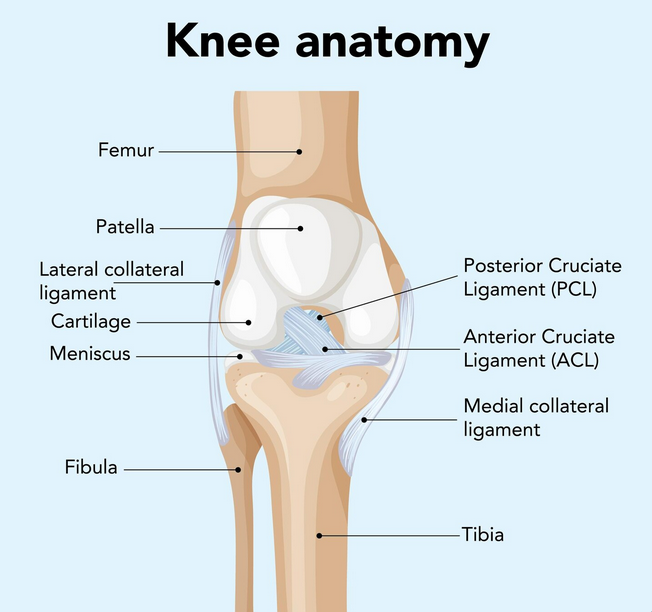
Diagram of a right knee depicting the menisci along other structures
The menisci are optimally located between the 2 bones to provide support and cushioning.

The meniscus is a C-shaped piece of cartilage inside your knee. Think of it like a cushion to help reduce friction and pressure. Each knee actually has two sitting side by side, one closer to the inside of your knee (medial meniscus) and one closer to the outside outside (lateral meniscus).

These small but important structures help your knee by:

  • Absorbing shock
  • Improving stability
  • Distributing weight evenly
  • Guiding smooth movement

When the meniscus is irritated or stressed, it can quickly lead to noticeable knee pain.

What is a meniscus strain?

A meniscus strain means the tissue has been stressed or mildly injured, not fully torn. A meniscus tear is a more significant injury where the cartilage fibers are completely disrupted.

Meniscus strains commonly happen from:

  • Twisting or pivoting on a bent knee (very common in sports)
  • Deep squatting or lifting heavy weight with poor form
  • Sudden stops or quick changes in direction

While strains are less severe than tears, they can still be painful and limit how much you can bend, straighten, or put weight through your knee.

What are the signs and symptoms?

You may be dealing with a meniscus strain if you notice:

  • Pain on either the inner or outer side of your knee, along the joint line
  • Swelling or stiffness after activity
  • A feeling of catching, locking, or buckling
  • Reduced range of motion, especially with maximal bending
  • Discomfort when bearing weight or twisting your knee

If symptoms are sharp, persistent, or increasing, it’s important to get checked. After even just a minor strain, the body can lose significant amounts of strength. Unfortunately, this can predispose you to another injury, including a full tear. As a result, it is crucial to rehab your knee after a meniscus strain.

How is a meniscal strain diagnosed?

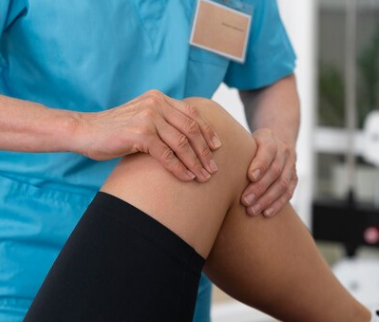
Health care provider palpating a patient's knee

A physiotherapist or healthcare provider will usually:

  • Ask about how the injury happened
  • Assess how your knee moves
  • Assess your strength
  • Perform special tests like McMurray’s or Apley’s that check for meniscal injury specifically
  • Recommend imaging (like an MRI) if a tear is suspected

The goal is to understand what movements are contributing to your knee pain, and develop a treatment plan to help you recover to your full strength.

How does physiotherapy help?

Most meniscus strains do very well with conservative treatment (non-surgical treatment), and physiotherapy plays a major role in reducing pain and rebuilding strength.

1. Early Phase (0–7 days)

Focus: Reduce swelling and protect the knee from farther injury

  • Resting from painful activities
  • Ice, compression, bracing
  • Elevating the leg to manage swelling
  • Light, pain-free range-of-motion exercises
  • Early muscle activation (like quad sets or easy straight leg raises)

2. Recovery Phase (1–3 weeks):

Focus: Get your knee moving more seriously again

  • Low-impact cardio like cycling or swimming
  • Controlled bending and straightening exercises
  • Balance work (single-leg stance, gentle weight shifting)
  • Building early strength in the quads, hamstrings, and glutes

3. Strength & Return-to-Activity Phase (3–6+ weeks)

Focus: Continue building stability and prepare for real-life movement

  • Resistance training for the lower body
  • Functional exercises like step-ups and mini-squats
  • Sport-specific drills (if needed)
  • Education to prevent re-injury

Your timeline will vary based on pain levels, pre-injury fitness, and how severe the initial injury to the meniscus was, but gradual, guided progress is key.

Can I prevent a meniscus strainB?

It is not possible to completely remove the chance of injuries, but you can lower your risk with a few simple habits:

  • Engage in a thorough warm up before sports or workouts
  • Strengthen your lower-body muscles, especially glutes, quads, and hamstrings
  • Avoid sudden twisting or pivoting under load
  • Use proper lifting technique
  • Give your body rest when it needs it

Looking for help with knee pain?

Look for PhysioNow! Our expert Physiotherapists, Manual Osteopaths, Massage Therapists and Athletic Therapists can help you recover from knee pain, sports injuries and more! We have 10 locations across the west GTA including Burlington, Oakville, Mississauga, and Etobicoke. Please feel free to contact us by phone: 289-724-0448 or email: applewood@physionow.ca with any inquiries. Book with PhysioNow today for your first assessment and treatment!

World Star Neymar’s Injury: A Physio’s Take on What Could’ve Gone Better

A slew of setbacks, most notably a serious knee injury and the resulting muscular strains, are the cause of Neymar’s physical issues. In October 2023, Neymar ruptured his meniscus and anterior cruciate ligament (ACL) in his left knee while playing for Brazil. Consequently, he was out of commission for about a year which needed a surgery and prolonged rehabilitation. Afterwards, he returned in October 2024, making a fleeting appearance for his team, Al Hilal, in a Champions League game. However, Neymar sustained a thigh injury in a Champions League match against Esteghlal FC barely two weeks after his return. After just 29 minutes of play, he was forced to leave the field. Al Hilal acknowledged that he had to miss up to six weeks of action due to a hamstring issue. 

These recurring injuries highlight the challenges athletes face when returning to play after significant injuries. Doctors had warned Neymar about the risks of muscular issues following his ACL recovery, emphasizing the importance of a gradual return to full fitness and sports.

As a physiotherapist, it’s crucial to understand that after a major injury like an ACL tear, the body undergoes changes that can affect muscle strength and flexibility. These changes can increase the risk of further injuries, especially if the return to play is not carefully managed.

In Neymar’s case, his rapid return to competitive play may have contributed to his recent muscle strain. A more cautious approach, focusing on strength and conditioning, and full muscle coordination could have potentially reduced the risk of such injuries.

What could have been done differently for Neymar?


1. Slower, more controlled comeback

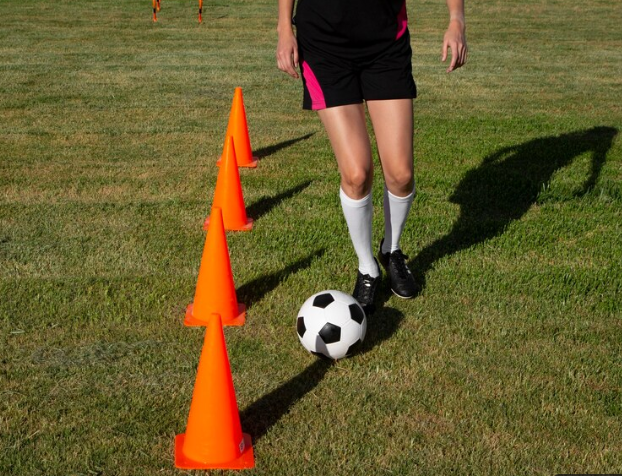
Sport specific drills are an important part of returning an athlete to sport to retrain coordination, movement patterns, endurance and more

After a major ACL tear and surgery, the body isn’t just healing — it’s relearning how to move, balance, and absorb force. Neymar’s return happened about a year after surgery, which sounds like enough time, but:

  • His movement patterns may not have fully normalized
  • He may have skipped some deeper neuromuscular retraining — stuff that helps the brain and body sync up under game-speed pressure

What could’ve been better: A longer ramp-up period with progressive match play at lower intensity (practice games, partial matches, etc.) could’ve helped


2. More emphasis on strength & muscle balance

After knee surgery, the entire leg can weaken — not just the injured spot

  • Imbalances between hamstrings, quads, glutes, and calves often creep in
  • In Neymar’s case, this likely contributed to his hamstring tear shortly after returning

What could’ve been better: More time spent rebuilding muscle symmetry and not just getting match-fit.


3. Psychological readiness

Elite players often feel pressure to return fast — for club, country, or personal goals.

  • But fear of re-injury or hesitation can subtly alter how they move
  • That can throw off mechanics and stress certain muscles or joints more than usual

What could’ve been better: Ensuring he felt 100% mentally ready and confident in his knee, not just physically cleared


4. Better load management

After return, his match minutes should’ve been strictly limited and monitored.

  • He played 29 minutes before the muscle strain — possibly more than he was ready for at that intensity
  • High-level games put maximum demand on recently healed tissues
  • Athletes may perform new or extreme maneuvers they did not train or practice sufficiently

What could’ve been better: A stricter minutes cap and more use of recovery tools like GPS tracking, force plates, or isokinetic testing to guide decisions


The Bottom Line on Neymar’s Injury

Even with world-class care, the biggest trap is thinking, “He’s cleared, so he’s good to go.” But high-level return to sport needs to be ultra-gradual and individualized. If you are experiencing something similar and looking to return to sports, look for PhysioNow! Our experts Sports Physiotherapists across the GTA can create a personalized program for you, your sport, and your level to ensure a safe and successful return. Don’t miss out any longer, book with PhysioNow today for your first assessment and treatment!