Each day, more and more Physiotherapists are using acupuncture and needling techniques alongside the usual treatments to create the best outcomes for their patients. Maybe you are struggling with some persistent pain and the usual techniques don’t seem to be working, acupuncture or dry needling might be worth a shot!
For some people, the idea of using needles to treat pain sounds counterintuitive. How can such small needles help pain? In this blog, we’ll discuss the science behind needling techniques and how Physiotherapists use it in their practice. If you’re worried, we’ll walk you through the process to help you decide whether it’s right for you.
First, the difference between acupuncture and dry needling?
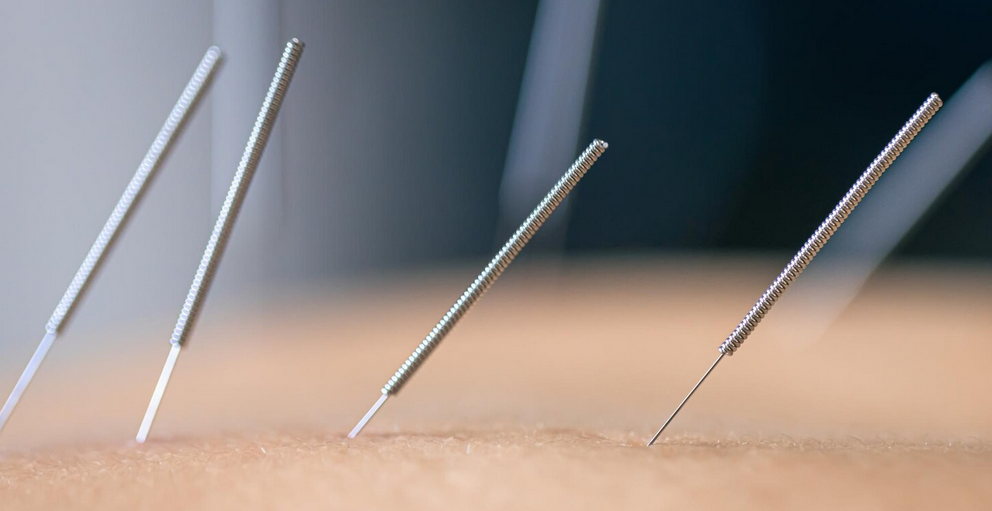
You may have heard both these terms being used around a Physiotherapy clinic. Both are very similar and use the exact same needles, just with slightly different mindsets and goals.
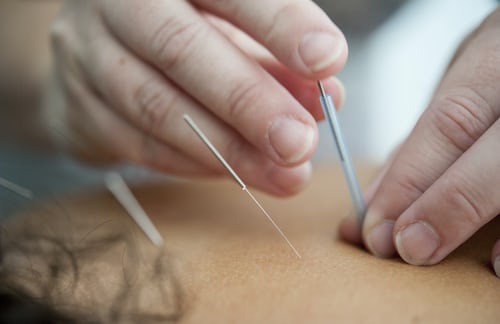
Acupuncture comes from ancient Traditional Chinese Medicine philosophies. It is based around restoring the the Qi, or energy flow throughout the body. On the other hand, dry needling targets muscle trigger points to help release tight muscles. Some Physiotherapists may even practice both and use them depending on what their treatment goals are.
How does needling help pain?
Research has shown that needling has very good evidence for its benefits in pain. For those interested in more detailed evidence, the website called Evidence Based Acupuncture creates research summaries for different conditions. Without going too far into the details, acupuncture needles trigger a complex cascade of tissue responses including altering blood flow, endorphins, neurotransmitter release, and the nervous system itself. All of these factors can come together to create an analgesic, relaxation effect.
How do Physiotherapists use needling?

Acupuncture and needling by itself is not a full treatment. However, Physiotherapists have found that it can boost the effectiveness of other parts of treatment. For example, for someone who’s condition is limited by pain, needling can create an opportunity for them to participate in more aspects of their life and exercises by giving them pain control. During this window, exercises for strengthening and increasing mobility may be performed where it may have been too uncomfortable beforehand. Used alone, acupuncture can create short-term relief, but when combined with the other evidence based Physiotherapy techniques, that’s where the real benefits lie.
Is acupuncture and needling safe?
Understandably, some people are squeamish around needles. The good news is, acupuncture and needling techniques are considered safe with only minor side effects. Your Physiotherapist will ensure that you fully understand the benefits, risks, and procedures on the day of your appointment. They will create a specific acupuncture and physiotherapy plan with you based on your goals, current status, and type of injury or pain that you are dealing with. A quick summary of potential side effects of acupuncture are below:
- Pain is not always present. As the needles are inserted there may be slight ache or pinch, but some people don’t feel any pain
- Mild post-treatment soreness, bruising, or bleeding is possible. This should resolve within 1-2 days.
- Temporary fatigue afterwards might be present for the same 1-2 days.
These other side effects are possible, but more rare including:
- Fainting or dizziness due to an anxiety or blood pressure response to the needles
- Emotional release including a sudden rush of tearfulness or strong emotion
Finally, the very rare but more severe side effects include:
- Infection
- Nerve damage/irritation
- Pneumothorax (collapsed lung) from the needle piercing the lung tissue
These severe side effects are linked to poor practitioner technique.
Looking for help with managing pain?
Look for PhysioNow! Regardless of how long you’ve had your pain or injury, there is treatment for it. Don’t let your pain take control of your life, find relief with acupuncture and needling with Physiotherapy treatment. Each session comes with a comprehensive assessment, guaranteed 1 on 1 time with a Registered Physiotherapist, and a personalised treatment plan.
PhysioNow has expert clinicians at 10 locations across the West GTA including Burlington, Oakville, Mississauga, and Etobicoke. Book with PhysioNow today for your first assessment and treatment. Or to find out more information contact us by Phone: 289-724-0528 or Email: applewood@physionow.ca