Tag Archives: low back pain

Physiotherapy After a Motor Vehicle Accident (MVA)

A motor vehicle accident (MVA) can cause high degrees of neck and back pain, even if the impact seemed minor. Oftentimes, people will feel pain, stiffness, headaches, and/or reduced movement. Additionally, these symptoms may occur immediately, hours after, or even days or weeks after the accident. Thankfully, physiotherapy plays an important role in helping your body heal properly and prevent long-term complications.

In Ontario, most people fall into the Minor Injury Guidelines (MIG) after a car accident that entitles them to $3500 of medical treatment, including physiotherapy. This is usually sufficient to treat less severe injuries such as strains, sprains and whiplash disorders. After a car accident, the last thing you want to deal with is wordy forms and legal speak. Luckily, PhysioNow and our clinics are one of the preferred providers of MVA treatment from Intact, and our staff is ready to streamline the process for you. Find out more about our MVA treatments here!

Why is neck and back pain so common after an MVA?

Sudden forces during a collision can strain muscles, joints, and ligaments in the spine. Common injuries include:

  • Whiplash (neck injury)
  • Muscle strain and tightness
  • Joint stiffness
  • Nerve irritation
  • Poor posture due to pain and guarding

Without proper care, these issues can turn into ongoing or chronic pain.

How does physiotherapy treat MVAs?

At our clinic, we focus on pain relief, restoring movement, and helping you return to daily activities safely. Your physiotherapy treatment may include:

  • Pain and inflammation management
  • Hands-on manual therapy
  • Personalized exercise plans
  • Strengthening exercises for neck, back, and core muscles
  • Posture and movement correction
  • Education on safe activities, work, and daily movements

All treatment plans will be adapted to each patient, based on the symptoms, goals, and stage of recovery.

How does PhysioNow help with auto insurance claims?

On your first day, there will be many forms to read over and fill out. Don’t worry, our staff will be able to guide you through and answer any questions that you have!

We understand that dealing with auto insurance after an accident can be stressful. Our clinic helps by:

  • Accepting auto insurance (MVA) claims (not all private clinics will)
  • Direct billing when applicable
  • Communicating with your insurance company and other healthcare providers
  • Creating treatment plans that follow insurance guidelines
  • Guiding you through forms and what to expect

This allows you to focus on your recovery while we handle the paperwork.

Why is early physiotherapy so important?

Some people choose not to pursue physiotherapy right away. However, the longer you let a problem persist, usually the more disruptive it becomes. In some cases, waiting may prolong recovery times. Since you will have the coverage, we encourage people to get started with their rehabilitation as quickly as possible. The benefits of early physiotherapy includes:

  • Reduces pain and stiffness early
  • Prevents long-term complications
  • Improves movement and confidence
  • Speeds up return to work and daily life
  • Reduces reliance on pain medications

Start your MVA recovery with PhysioNow

If you’ve been in a motor vehicle accident and are experiencing neck or back pain, early physiotherapy can make a big difference. Our experienced physiotherapists are here to guide you through every step of recovery. PhysioNow has 10 locations across the west GTA including Burlington, Oakville, Mississauga, and Etobicoke. Please feel free to contact us by Phone: 289-724-0448, Email: applewood@physionow.ca, or through our online portal. Book with PhysioNow today to get started with your MVA assessment and treatment.

Physiotherapy Tips: How to Prevent Back Pain Shoveling this Winter  

Why does shoveling cause many low back injuries each year?

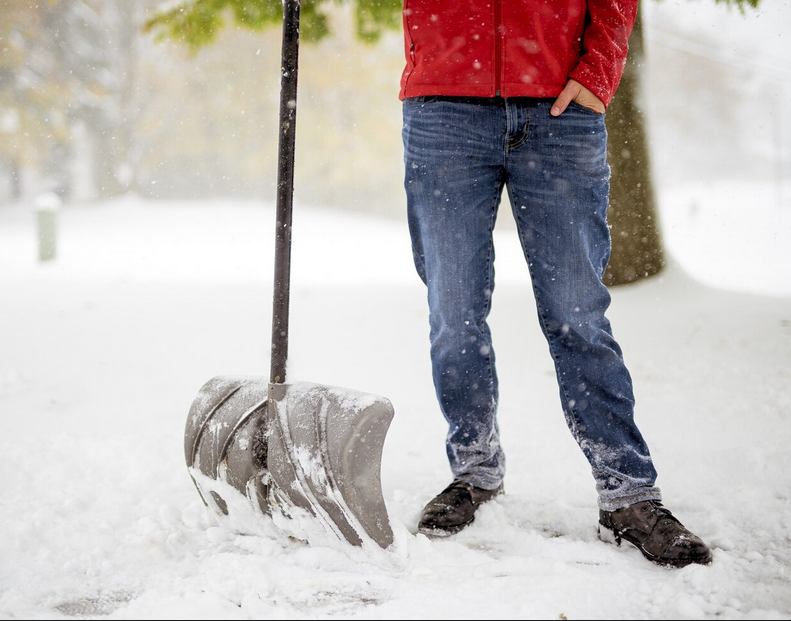
While shoveling is a simple, everyday chore which Canadians need to endure each winter, it is also one which catches many people off guard. Unfortunately, shoveling can lead to many aches and pains, injuries to the shoulders, slips and falls, and last but not least, low back pain. As physiotherapists, we often see patients with injuries which can be prevented with some tips and improvement to their technique. 

Why does such a seemingly easy task cause so many injuries, you ask? Well, for those unfortunate enough to be placed on shoveling duty, they’ll be the first to tell you how physically demanding of a task it really is. Shoveling requires repetitive pushing, lifting, bending and twisting of the back while carrying heavy loads. Not to mention, the freezing temperature causes our muscles to stiffen up, causing them to be more prone to strains and can even lead to more severe injuries like disc herniations. Finally, icy conditions can cause even the best techniques to fail from a sudden slip.

What low back injuries can occur from shoveling?

Muscle strains

  • The most common and least severe injury
  • Caused by repetitive loading or overstraining of the muscles in our lower back

Disc-related injuries

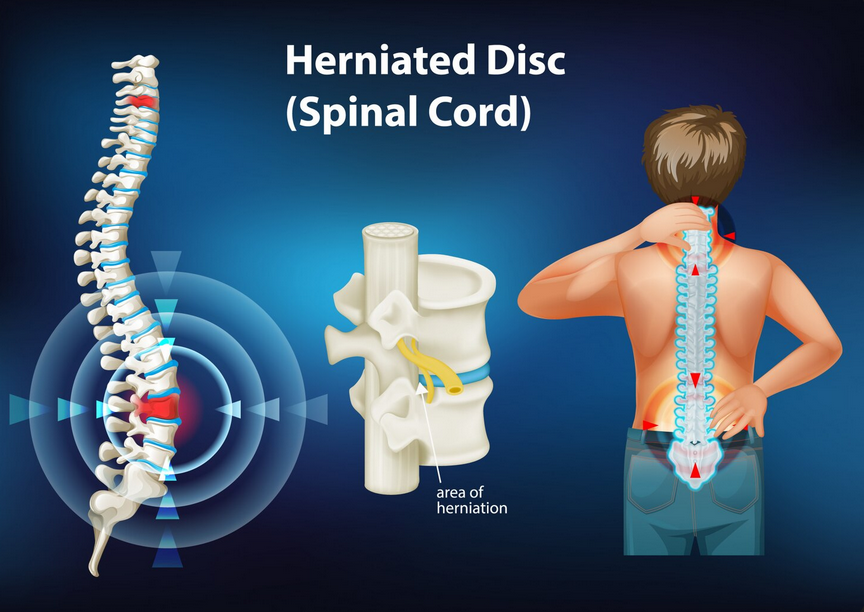
Diagram of disc herniation in the lumbar spine
  • Disc bulges and disc herniations can also occur again due to repetitive forward bending, or all in one moment from a too heavy load
  • Disc herniations may then result in a pinched nerve, symptoms can include shooting pain, numbness or tingling down the leg on the affected side.

Fractures

  • Lastly, slips and falls can lead to bruises and especially severe ones can cause fractures of the spine
  • More common for older adults or those who have osteoporosis

Depending on the severity of the injury, it can take a few days, weeks or even months to recover in the order listed here. So instead of having to recover at all, why not prevent it in the first place?

Can we prevent shoveling-related back pain?

Shoveling is something that shouldn’t be taken lightly and unfortunately there are many people who are not able to complete the task safely due to the physical demands. 

Training to shovel snow may sound silly but 2-3x a week of regular exercise (both resistance and aerobic) can go a long way in not only preventing low back injuries, but also serious cardiovascular incidents such as heart attacks. Keep in mind, if you are new to exercising you should check in with your doctor first before engaging in strenuous physical activity.

  • Resistance/weight training- body weight, weighted, and/or banded exercises etc.
  • Aerobic/endurance training – walking, jogging/running, biking, sports, swimming etc.

Warm up before shoveling

Now, you must make sure to warm-up your spine and muscles before you begin shoveling. While it might seem like extra work, a few minutes of movement and stretching can prevent a whole world of trouble for your low back. When preparing for a dynamic activity, it is always best to warm up with dynamic stretches, 10 repetitions on each exercise usually does the trick. Below is an example of a quick warm up routine, but feel free to make your own!

  • Marching in place
  • Hip circles rotating inwards and outward to loosen the hips
  • Bending forwards to touch your toes, side bends, and arching backwards to warm up all aspects of your low back 
  • Body weight squats to warm up your legs
  • Forward and backward arm circles to warm up the shoulders 

Now that you’re all warmed up, let’s make sure we are shoveling with good technique!

Shoveling with good technique

Shoveling is very similar to lifting something off the ground. 

  • Avoid bending with your back and focus on hinging through your hips (keep a neutral spine)
  • Always keep the shovel close to the body when lifting
  • Push the snow away instead of lifting it when possible
  • If you do need to toss the snow, make sure your back is facing straight forwards and avoid twisting to the side
  • Shovel lighter loads of snow rather than heavier loads
  • Pace yourself and take small breaks throughout

Cooling down and recovery

Once you’re done working your muscles, it is important to do a cool down to prevent stiffness and assist recovery. A great way to do so is with static stretching (compared to dynamic stretching like in our warmups). Hold each stretch for 30s and repeat 2-3 times as needed (roughly 5 minutes in total). Again, here is an example routine you can complete once back inside your house.

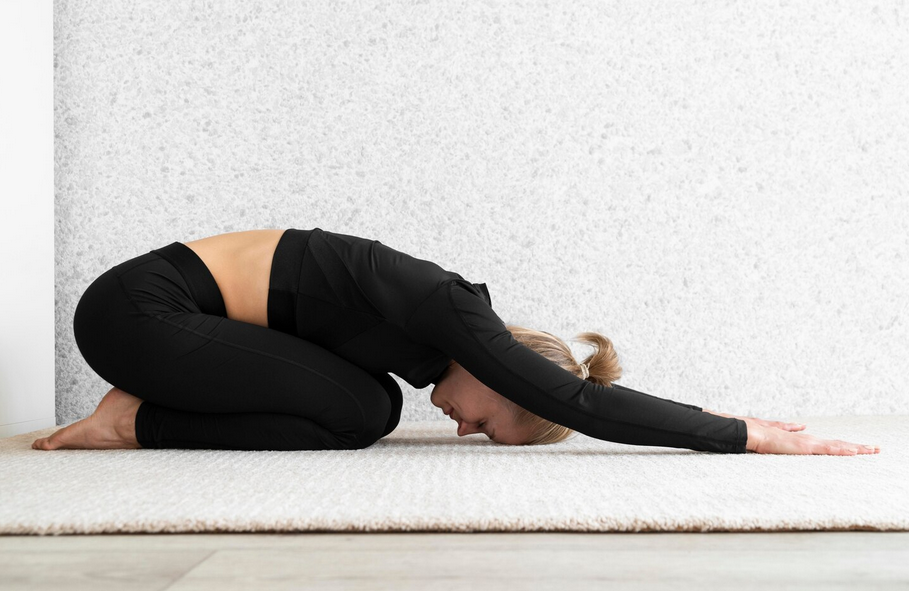
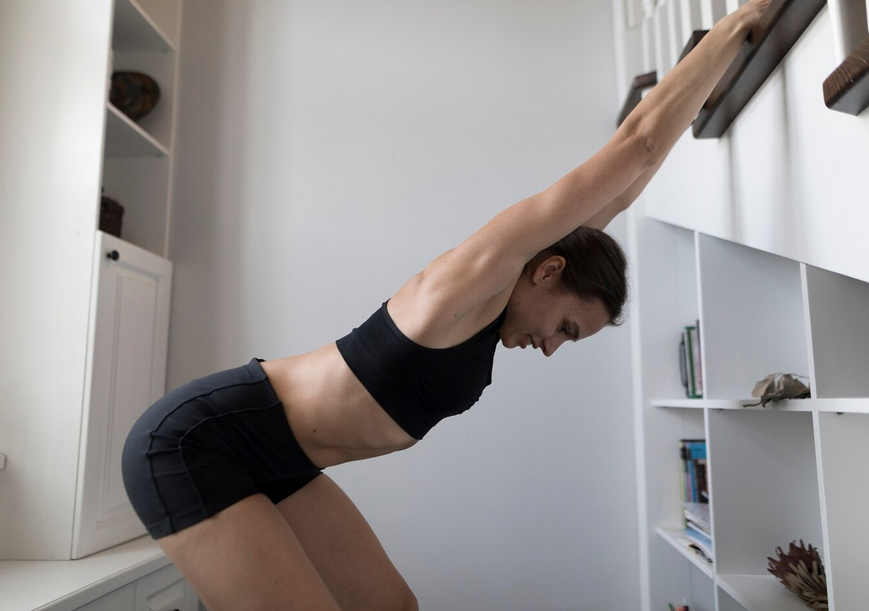
Woman in child's pose yoga position to show example of a cool down stretch
  • Child’s Pose to stretch our back muscles: Start by being on our hands and knees (all fours position), then try to sit your hips back onto your calves while stretching your arms and hands forwards, and folding your torso down with your forehead resting on the floor
  • Seated figure-4 stretch for our glutes and hip muscles: Cross one leg over the other in a seated position and lean forward as tolerated.
  • Doorway stretch for our chest and shoulders:  Have both forearms and hands up against a doorway with elbows bent around shoulder height. Get into a split stance and lean forwards.

If all else fails…

Now that you know how to prevent injuries while shoveling this winter, stay warm and safe out there everyone! Some general muscle soreness in the body is normal but if there is any lingering pain after shoveling, your friendly physiotherapists here at PhysioNow are here to assess, treat, and teach you how to prevent any future injuries! Please feel free to reach out to us by Phone: 289-724-0448 or Email: applewood@physionow.ca. Find us at any of our 10 clinics located in the west GTA including Burlington, Oakville, Mississauga, and Etobicoke. Book with PhysioNow today!

Physiotherapy for Better Sleep: Treatment to Help You Rest

Better sleep, a goal that many of strive for day after day. Unfortunately, the struggle to get a good night’s sleep may be known to many of us. Tossing and turning, waking up with a stiff neck or sore back, or feeling exhausted even after a full night in bed, sound familiar? At PhysioNow, we often see patients who come for back pain or neck pain, but once we treat the underlying physical tension, they start sleeping better too. Ultimately, that’s because your body and sleep quality are closely linked. Physiotherapy helps your body relax, realign, and recover, so you can fall asleep easily and wake up feeling truly rested. 

Why does sleep matter?

We all know sleep is important, but are you aware of what actually goes on in your body when you’re catching z’s? Good sleep is when your body performs its most powerful repair work. To name a few, your muscles rebuild and recover from daily stress or exercise, tissues and joints heal from inflammation or injury, the nervous system calms down and resets and even more!

When your sleep is disturbed, this natural recovery process is interrupted. Over time, you may notice:

  • Morning stiffness
  • Fatigue
  • Slower healing
  • Reduced focus
  • Reduced mental function

If your pain or posture issues are keeping you awake, it’s a sign your body isn’t getting the deep rest it needs. This can lead to a chain effect of other negative symptoms in the body. Overall, we all know how it feels to be sleep deprived and not feel great, so lets see how we can fix it!

How does physiotherapy give you better sleep?

Improving sleep quality can be the main focus or even a side effect of physiotherapy treatment. Many of the treatment techniques used will either directly or indirectly affect your sleep. We may not think about it often, but there is certainly a science behind sleep! Here are different ways that physiotherapy can affect give you better sleep:

1. Easing pain and tension that disrupt sleep

For example, many people struggle with a difficult time falling asleep or waking up due to discomfort in the night and being able to go back to sleep. Physiotherapists use techniques such as manual therapy, gentle joint mobilizations, soft tissue release, and modalities to reduce discomfort. Once your pain decreases, your body automatically relaxes, making it easier to fall asleep and stay asleep through the night. 

2. Correcting postures and sleep positions

Your posture during the day affects your comfort at night. As a result, your physiotherapists will assess your spinal alignment, pillow height, and mattress type. We can guide you on ideal sleeping postures to fit your individual circumstances. Some of these tips may include tips like side sleeping with a pillow between your knees or back sleeping with one under your knees to reduce strain. 

3. Managing stress and nervous system overload

Physiotherapy helps regulate your nervous system through mindfulness breathing exercises, gentle stretches, and relaxation. Deep breathing activates your body’s “rest and digest” mode, lowering heart rate and easing muscle tension. There is also evidence for the healing power of touch, and the benefits of massage on easing stress.

4. Improving mobility and reducing restless nights

When joints or muscles are stiff, your body keeps adjusting during the night. A personalized mobility and strengthening program can help you move freely and rest comfortably. 

5. Supporting recovery from injury or surgery

After injury or surgery, pain and immobility often lead to poor sleep. Physiotherapy assists recovery, restores function, and reduces the need for pain medication that can disrupt deep sleep.

Easy physiotherapy tips for a better night’s sleep

  • Stretch before bed: Get your body into a relaxing routine by stretching gently for 5–10 minutes.
  • Breathe deeply: Try slow belly breathing before bed. You may combine this with the stretches or when lying down to calm the mind
  • Adjust your pillow: Make sure your pillow is supportive. It should keep your spine in a neutral position when lying on it
  • Stay active during the day: Movement improves circulation and exercise is know to improve sleep quality
  • Watch screen time: Blue light delays sleep hormones
  • Address discomfort early: Don’t wait until pain becomes chronic

Looking for help with better sleep?

Look for PhysioNow! At PhysioNow, our experienced physiotherapists focus on your complete well-being, not just symptom relief. We take time to understand how your posture, work habits, and daily activities affect your body and sleep. With this information, we can make you a personalized plan to address your concerns.

We offer personalized one-on-one care, education on posture, sleep ergonomics, and relaxation,e exercise plans for flexibility and strength, breathing and mindfulness guidance and more. Come find us at 1 of our 10 locations across the west GTA, including Burlington, Oakville, Mississauga and Etobicoke. Book with PhysioNow today for your first assessment and treatment!

P: 289-724-0448 E-mail: applewood@physionow.ca

Prevent Back Injuries: How to Lift Safely

Back injuries are one of the most common workplace complaints, especially in jobs that involve lifting, moving, or carrying heavy objects. Prevention of back injuries and being proactive can help reduce workplace stress, missed hours, and healthcare costs. While the human spine is incredibly strong and flexible, improper lifting techniques combined with repetitive strain can lead to painful conditions. This includes muscle strains, herniated discs, or even chronic lower back pain.

Why do back injuries happen during lifting?

Back injuries typically occur when:

  • You lift with poor posture (rounded back or twisted spine)
  • The load is too heavy or awkwardly shaped
  • You make sudden or jerky movements
  • You repeatedly strain the same muscles without rest or proper technique

The injury can happen to the muscles, ligaments, discs and more. The key to preventing these injuries lies in ergonomic/posture awareness, strength training, and practicing safe lifting mechanics.

How can I prevent back injuries?

1. Plan out your lift

Before grabbing any heavy item, pause and assess the situation. Ask yourself:

  • How heavy is it?
  • Can I lift it safely on my own or should i get help?
  • Is there a clear path to move it?
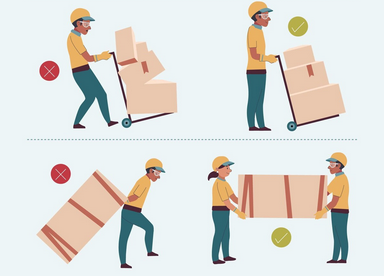
  • Do I need help or equipment (e.g., trolley, dolly)?

Rushing increases the risk of poor posture and injury. Take a couple extra seconds to setup the lift and carry properly to save yourself a lot of pain and effort! Preventing back injuries is better than treating them!

2. Get into the proper position

Start with the right stance:

  • Feet shoulder-width apart for balance
  • One foot slightly ahead of the other
  • Stand as close to the object as possible
  • Keep your back straight and chest up
  • Avoid twisting your spine

This phase all occurs before the weight is even being picked up. A proper starting position is essential to starting the lift.

3. Start the lift with your legs, not your back

We’ve all heard this statement before, this is the golden rule for lifting.

As you now initiate the lift:

  • Bend at the knees and hips, not your waist
  • Keep the object close to your torso the entire time
  • Tighten your core muscles before lifting (bracing)
  • Push through your legs as you stand up

4. When transporting the load

If you have to move the load somewhere, don’t twist your back. Use your legs to turn or pivot. Ensure the weight stays close to your body, even as you’re putting it back down. Holding a heavy object away from your body increases strain on your spine and can lead to sudden injury.

Keep the load:

  • At waist level
  • Close to your center of gravity
  • Balanced between both hands

5. Know when to ask for help

Possibly the most important step, there’s no shame in asking for assistance. Team lifting is far safer than straining by yourself and will get things done quicker.

Use:

  • Mechanical aids (trolleys, carts, hoists)
  • Lifting straps or handles
  • A coworker to share the load

6. Take care of your body outside of work

Even the best lifting technique won’t help much if your muscles and joints can’t keep up. Physiotherapists recommend targeted exercises to support spinal health including both strength and flexibility. Strengthening your core, lower back, legs, and arms will ensure you have a stable base of support to start a lift from.

Some examples could include:

  • Planks (and side planks)
  • Glute bridges
  • Bird-dogs
  • Dead bugs
  • Squats

Looking to treat or prevent back injuries?

Look for PhysioNow! We offer comprehensive Physiotherapy treatment to support your lower or mid back pain, injury, or rehabilitation. With 10 locations across the GTA from Burlington, Oakville, Mississauga to Etobicoke, our clinics are ready to serve you! Find out why we’re one of the leading Physiotherapy clinics in the GTA. Book your first assessment and treatment with PhysioNow today! We accept both WSIB claims or private insurance claims!

Glute Strengthening for Low Back Pain: A Physiotherapy Approach

Low back pain is one of the most common musculoskeletal complaints worldwide, affecting millions of people. Common causes may include poor posture, prolonged static or sitting times, and weak core and lower body muscles. While many people focus on core strengthening to alleviate back pain, the role of the gluteal muscles is often overlooked. Ultimately, strengthening the glutes can play a crucial role in preventing and managing low back pain. As physiotherapists, we emphasize a holistic approach that includes glute activation and strengthening exercises to support the lower back and improve overall movement patterns.

What is the role of the glutes muscles?

The gluteal muscle group is made of 3 key muscles:

  • Gluteus maximus: The largest muscle responsible for hip extension and power generation
  • Gluteus medius: Stabilizes the pelvis during walking and standing (prevents the hip from dropping)
  • Gluteus minimus: Assists with hip stabilization and movement

When these muscles are weak, the body compensates by placing excessive strain on the lower back and other surrounding muscles. Thus, this imbalance can contribute to pain, stiffness, and reduced mobility in the lumbar spine.

How do weak glutes contribute to low back pain?

  1. Pelvic instability: First, weak glutes may lead to an unstable pelvis, increasing stress on the lumbar spine
  2. Compensatory movements: Additionally, the lower back muscles have to work harder, leading to tightness and discomfort
  3. Poor posture and gait: Also, it may cause a posture known as an excessive anterior pelvic tilt (looks like an excessively arched lower back), which can cause increased fatigue and inefficient movement patterns
  4. Reduced shock absorption: The glutes play a key role in absorbing impact during activities such as walking, running, and jumping. As a result, weakness in this muscle group forces the lower back to compensate, leading to pain and dysfunction

What are the benefits of glute strengthening for low back pain?

  • Enhanced pelvic stability: First, strong glutes provide support and a stable base for the lumbar spine and pelvis
  • Reduced lower back strain: Secondly, engaging the glutes helps distribute forces more evenly across the body, reducing excess pressure on the back
  • Improved movement efficiency: Third, the glutes are extremely powerful muscles that contribute to lots of our daily activities like walking, stairs, standing up and sitting down. Functional glutes can make you feel stronger in your everyday life
  • Decreased risk of injury: Finally, a strong posterior chain reduces the likelihood of injury in the entire lower body, including the back, hips, knees and ankles

How do I strengthen my glutes?

The following are a couple of examples of some glute strengthening exercises. As always, please check with a health care professional like your Physician or Physiotherapist before starting a new exercise program, especially if you have any comorbidities.

1. Glute bridges

  • Lie on your back with knees bent and feet hip-width apart
  • Engage your core and squeeze your glutes as you lift your hips off the ground
  • Hold for a few seconds, then lower back down
  • Repeat for 3 sets of 12-15 reps

2. Clamshells

  • Lie on your side with knees bent and feet together.
  • Keeping your feet touching, open your top knee while keeping your pelvis stable.
  • Slowly return to the starting position.
  • Perform 3 sets of 12-15 reps per side.

3. Squats

  • Stand with feet hip-width apart.
  • Lower yourself as if sitting into a chair, keeping weight on your heels.
  • Engage your glutes to return to standing.
  • Perform 3 sets of 10-12 reps.

4. Hip Thrusts

  • Sit on the ground with your upper back resting against a bench.
  • Place a weight (optional) across your hips and drive through your heels to lift your hips.
  • Squeeze the glutes at the top, then slowly lower down.
  • Perform 3 sets of 10-12 reps.

Looking for some help?

Find out how to prevent lower back pain with some tips for lifting and posture from our Registered Physiotherapists. If you’re struggling with persistent low back pain, consulting a Physiotherapist at PhysioNow can help! We can determine the cause of your pain and design a personalized program tailored to your needs. Get rid of your back pain with PhysioNow! Contact us to book your first assessment and treatment today!
Low Back Pain: 5 Tips for Prevention!

Low back pain is one of the most common reasons people visit a Physiotherapist. It can happen to anyone, at any age, and it often shows up without warning. However, the good news is that there are ways to relieve your pain and minimize the chances of it coming back. In this blog, we will explore what causes this type of pain, how to treat it, and how to keep it from becoming a regular problem.

What causes low back pain?

Minimizing risk of lower back pain
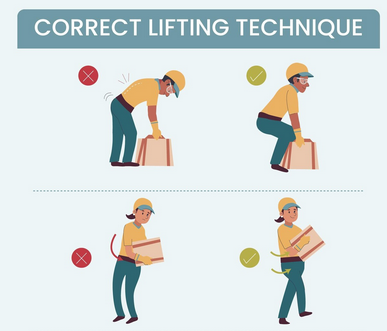
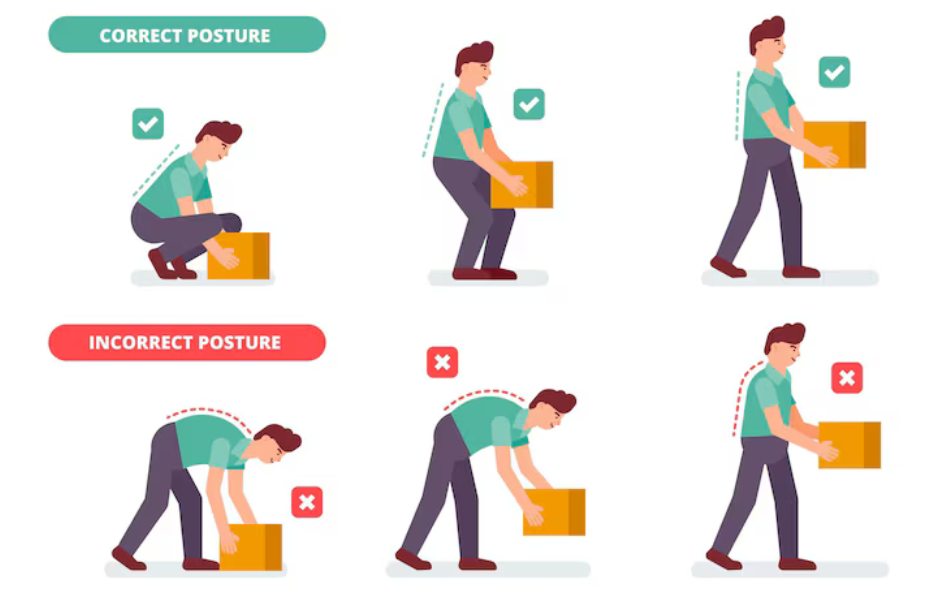
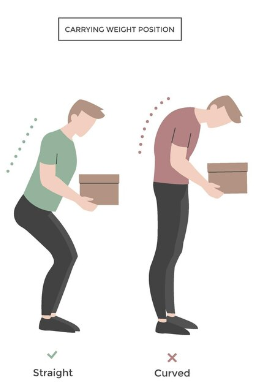
Infographic demonstrating a proper and improper lifting position for the back

There are many reasons why you might have pain in your lower back. For example, some of the most common causes include:

  1. Poor Posture: Sitting or standing with poor posture can put a lot of strain on the muscles and joints in your back. Consequently, over time, this can lead to pain and discomfort.
  2. Muscle Strain: Lifting something heavy, twisting awkwardly, or overdoing it during exercise can strain the muscles in your lower back. This can cause pain that may last for a few days or weeks.
  3. Inactivity: If you spend too much time sitting or lying down, your back muscles can become weaker. Weak muscles are more likely to get tired and painful, especially when you try to do something active again.
  4. Injuries: Falls, accidents, or sudden movements can injure the structures in your back, including the muscles, ligaments, and discs. Furthermore, these types of injuries can lead to long-lasting pain if not treated properly.
  5. Age-Related Changes: As we get older, our spine changes. Namely, the discs between our vertebrae can wear down, and arthritis can develop. This is called degenerative disc disease or osteoarthritis, and it can lead to low back pain.

Tips for Preventing Low Back Pain

Here are some simple steps you can take to minimize the risk and chances of having low back pain:

  1. Stay active: Regular physical activity keeps your muscles strong and flexible. For example, walking, swimming, and yoga are all great low impact ways to keep your back healthy.
  2. Lift safely: When lifting heavy objects, bend your knees and keep the object close to your body. Additionally, avoid twisting while lifting, as this puts further strain on your back in an already vulnerable position.
  3. Take breaks from sitting: If you work at a desk or sit for long periods of time, make sure to stand up and stretch every 30 minutes. Importantly, this helps reduce the pressure on your lower back. Alternatively, you may choose to have a standing desk so that you can switch between both positions.
  4. Sleep in a comfortable position: Sleeping on your side with a pillow between your knees can help keep your spine in a comfortable position. Additionally, make sure your mattress provides enough support for your back.
  5. Maintain a healthy weight: Extra weight, especially around your belly, can put more stress on your lower back. As a result, eating a balanced diet and staying active can help you maintain a healthy weight.

How can physiotherapy help?

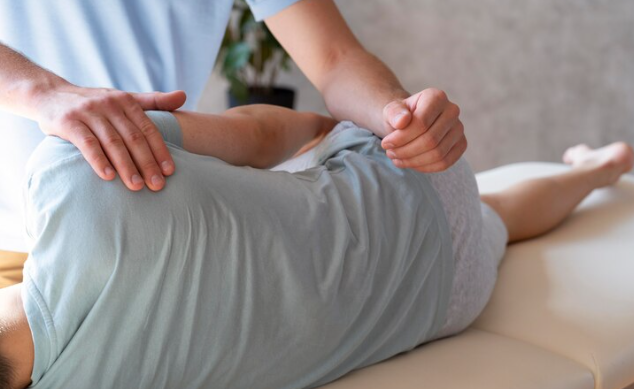
Manual therapy is one of the potential treatment techniques used by physiotherapists to manage lower back pain

Despite your best efforts to prevent it, if you are struggling with Low Back Pain, Physiotherapy is one of the most effective ways to manage a stubborn pain. A physiotherapist can help in the following ways:

  1. Pain relief techniques: Physiotherapists use various methods to help relieve pain, such as heat or ice
    therapy, massage and manual therapy techniques, or electrical stimulation. These treatments can help reduce your pain and make you feel more comfortable.
  2. Exercises to strengthen your back: Specific exercises can help strengthen the muscles in your back,
    core, and legs. Strong muscles support your spine better and reduce the risk of future pain. Your
    physiotherapist will show you exercises that are safe and effective for you.
  3. Stretching: Next, tight muscles can contribute to back pain. Your physiotherapist will guide you through stretches that help improve flexibility in your back, hips, and legs, which can ease the pain and improve your overall movement.
  4. Posture correction: Importantly, learning how to stand, sit, and move correctly can make a big difference. A physiotherapist can teach you how to maintain good posture and reduce the strain on your back during everyday activities.
  5. Education: Sometimes, understanding what is causing your injury or condition can help reduce your worries about it. Accordingly, your physiotherapist will explain what’s happening in your back, what that means for you, and how you can manage the pain.

When should you see a physiotherapist for low back pain?

If your lower back doesn’t get better within a couple days to weeks, or if it continues to worsen, it’s a good idea to see a physiotherapist. Also, you should also seek help if you have other symptoms, such as pain going down your leg, numbness, or weakness. Fortunately, a physiotherapist can assess your condition and create a treatment plan that’s right for you. With the right treatment, education, and some simple lifestyle changes, you can manage the pain and get back to doing the things you love. If you’re struggling with low back pain, look for PhysioNow! Book with us today for your first assessment and treatment!

I Have a Herniated Disk: Physio 101

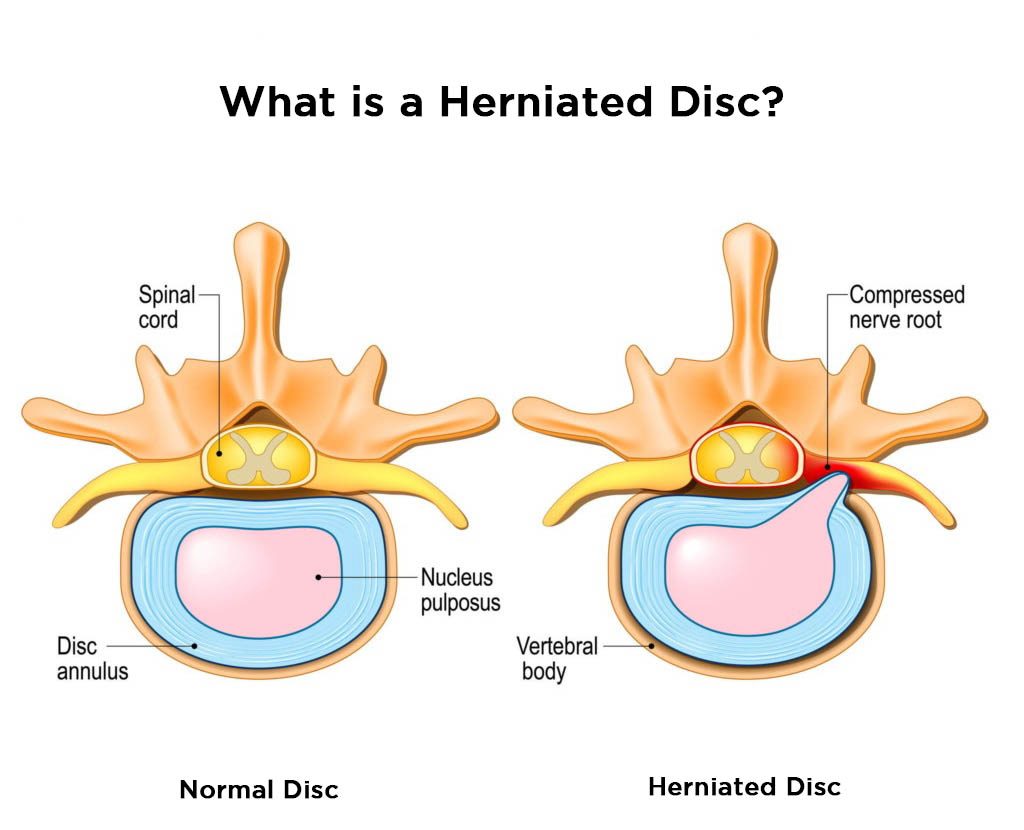
Herniated discs may also be referred to as slipped discs, or disc bulges. They can be a source of pain and fear for many people.  To understand a herniated disc, a quick anatomy lesson is needed, we have included a picture below to help.

What is a Herniated Disc?

Between each of our vertebrae in our spine, there is a disc with a soft inner core (nucleus pulposus, and tougher outside (annulus fibrosus). The herniation refers to the soft layer protruding out, and may vary in size. In larger protrusions, it may put pressure against other structures in the area like the nerves, causing a variety of symptoms in the areas the nerve root gives sensation and motor function to. Herniated discs can occur anywhere along the spine but are are most common in the lower back (lumbar) region.

What are the causes of a herniated disc?

  1. Firstly, age-related degeneration. With age, the intervertebral discs get stiffer which makes them more susceptible to injury when exposed to even minor strains.
  2. Secondly, trauma or injury. For example, a fall or heavy lifting with a twist are strong external forces which can cause a herniation.
  3. Additionally, repetitive strain. Jobs or activities with repetitive bending, twisting and lifting expose the disc to lots of pressure, increasing the risk of herniation

Do I need an x-ray/MRI?

Notably, many people have no symptoms from herniated discs, and are usually unaware they even have one. Oftentimes, many people will receive imaging reports that show varying level of degeneration and even disc herniations in the back, which may seem alarming.  It is important to note that this is actually a normal part of life, many people will have “positive” findings. In other words, even though these things appear on imaging tests, they are not necessarily a problem or correlated with pain. Therefore, it is crucial not to put too much stock in imaging and let the symptoms guide your back pain management instead.   Choosing Wisely Canada has a great article about why imaging may not always be included in the treatment plan.

What are the symptoms?

  1. Firstly, back or neck pain is usually the first sign. It can be mild or severe, stay in one spot or travel down the legs. Usually, the pain is more on one side.
  2. Secondly, numbness and tingling down the arms or legs is a sure sign of nerve involvement. In a disc herniation, the bulge may be putting pressure on the spinal nerves.
  3. Next, muscle weakness may be present due to nerve compression as above.
  4. Additionally, changes in reflexes where they are either exaggerated or reduced. For example, the common example of the reflex is when your doctor hits the reflex hammer beneath the knee on the patellar tendon and your knee automatically kicks out straight.
  5. Finally, pain is dependent on activities and is commonly worsened by certain positions. Usually prolonged sitting, bending, lifting, coughing, and sneezing.

The symptoms of a herniated disc will vary depending on location and severity. Not everyone will experience every symptom, many disc herniations occur with nerve involvement as they do without nerve involvement.

Can a herniated disc be treated?

Physiotherapy Treatment for Low back pain

Back pain from a herniated disc can be treated safely through physiotherapy treatment. Common treatments may include education about how to avoid aggravating your condition, movements or positions that may give you relief, electrotherapy, heat or cold therapy, manual therapy, stretch and strengthening exercises. The specific treatment plan is unique to the individual and the direction of the herniation and will be modified appropriately by your physiotherapist as you get better. Eventually, once your pain has been managed, your physiotherapist will work with you to get you back to normal function and doing the activities you love while remaining pain free. In some cases, they may not respond to physiotherapy in which case further medical management may be required.

If you are experiencing low back pain PhysioNow has many experienced physiotherapists to help you find relief. Book with PhysioNow today for your first assessment and treatment!

Scoliosis: Types, Symptoms and Treatments

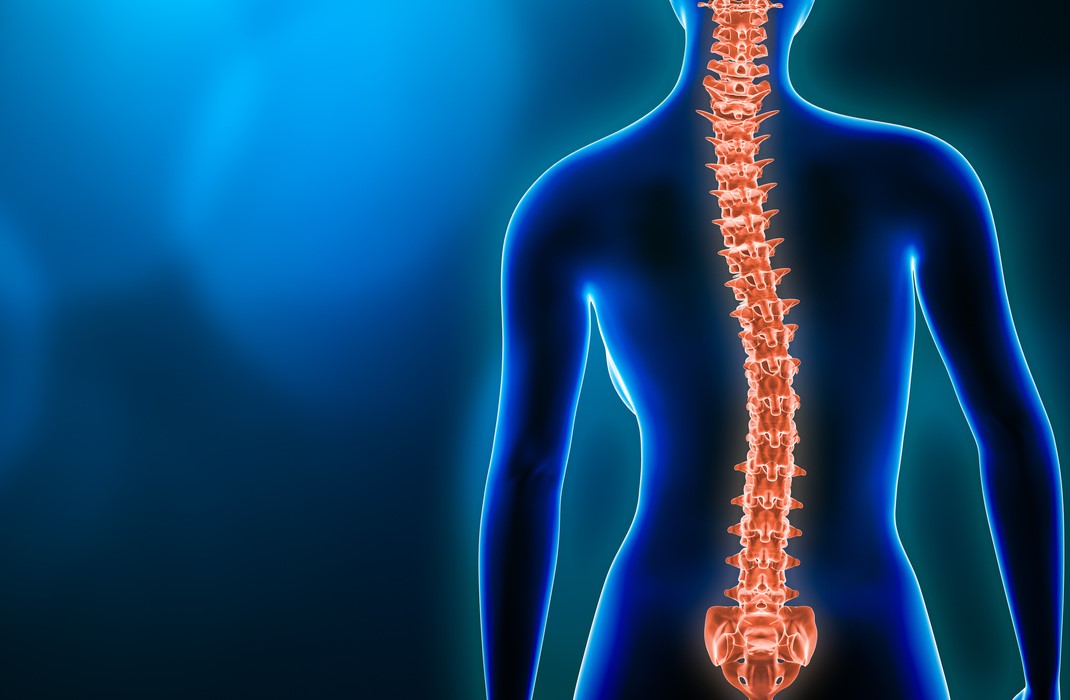
Scoliosis

Scoliosis

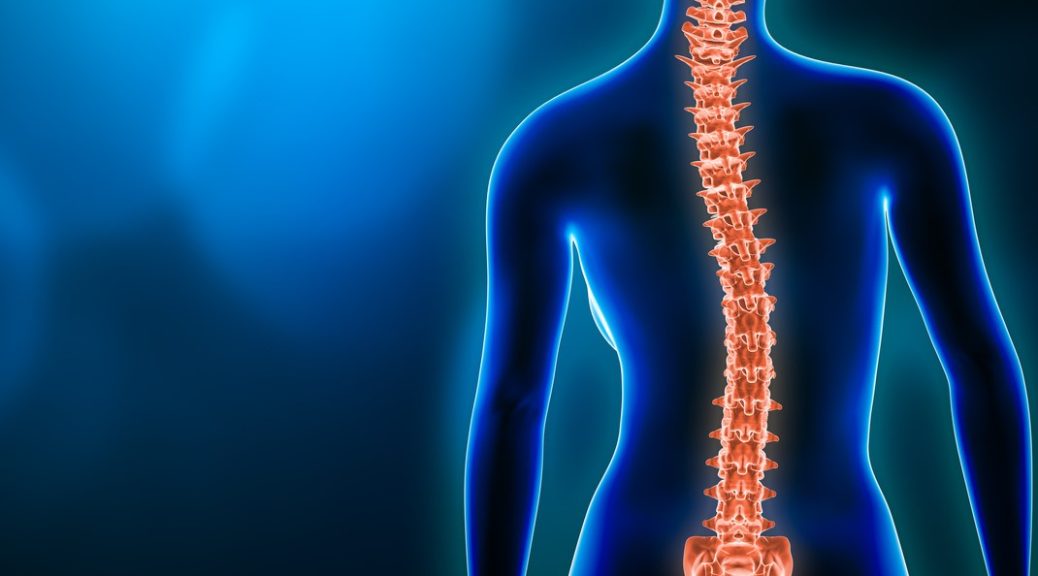
A side deviation or curvature in your spine is scoliosis. It could be in your neck, mid back and lower back. It can present in more than one area.

The most common area where it develops is mid-back. Cervical and lumber spine are very common  when it comes to two curvatures.

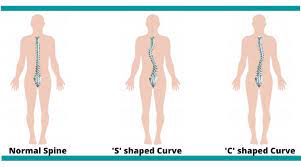
Type of scoliosis:

  • C-shape: This is most common type, there is only one-sided curve. The most common area for C shape to develop is in the thoracic spine and also lumber spine.  In this type, scoliosis side leg could be short compared to non-scoliotic side. Sometimes, there are  changes in the scapular level. Scoliotic side scapula will be lower than non-scoliotic side.
  • S- shape: In this type, two curvatures are present in the spine. One curvature is the primary scoliosis and the other curvature develops in compensation of the primary curvature. In this type, the scoliotic sided leg is short and the scapular level is higher than the non-scoliotic side. S-shape will bring other complications such as respiratory issues, cardiovascular issues, etc.

'S' Shaped curve and 'C' Shaped Curve

‘S’ Shaped curve and ‘C’ Shaped Curve

Causes of scoliosis:

Usually, the cause of scoliosis is unknown. However, following are a few possible causes mentioned:

  1. Poor Posture habits: People who have habits of not following ergonomics pattern of posture are at risk. One who has the habit of leaning and sitting mostly on their right or left, are also at risk.
  2. Carrying heavy stuff on back: People who have to deal with the delivery of heavy packets and lifting heavy objects are at risk.
  3. Family history: Sometimes, scoliosis runs in family. There are higher chances in these cases.
  4. Congenital limb length discrepancy: Congenital limb length discrepancy needs immediate correction otherwise; it will lead to scoliosis.
  5. Neurological disorder: Neurological disorders like cerebral palsy, multiple sclerosis, Down Syndrome which are progressive diseases have muscular imbalance.


Signs and symptoms:

  • Limb length discrepancy
  • Visible deviation of spine to one direction
  • Uneven shoulder and pelvis height
  • In anterior view, one sided rib is popping out.
  • Chronic neck and also lower back pain
  • Breathing difficulties in severe cases
  • Recurrent lung conditions like pneumonia, atelectasis, etc.
  • Pain and numbness
  • Fatigue due to muscle imbalance


Assessment of scoliosis:

Imaging: X-ray is the gold standard or MRI.

Physiotherapy Assessment:  assess in posterior view which means back view with open back.

  • Therapist will look for visible prominent border of scapula.
  • with bending forward the scapular border will be seen as well as deviation .
  • When leaning backward , a visible S shape or C shape will be seen.


Risk factors of scoliosis:

Scoliosis is bony disorientation which is irreversible. The best management is prevention. However, if it not managed well enough , it can lead to many complications.

  1. Lung disorders: Specially, thoracic spine scoliosis has a chance to affect the respiratory system as it disturbs the alignment of the rib cage. Deep breathing becomes limited or difficult and that is why the lower portion of the lungs get less air. As a result of this,  atelectasis develops in some areas of the lung.
  2. Limb length discrepancy: Lumber scoliosis has a major effect on pelvis alignment. As scoliosis is irreversible, it leads to permanent muscular imbalance. Thus, there is limb length discrepancy.
  3. Scapular winging: Thoracic scoliosis has drastic effect on scapular orientation.  The scapula takes part in shoulder movement. Indirectly, mid back, scapula and the shoulder joint are all affected because of spinal curvature.
  4. Herniated disc in spine: Lumber spine scoliosis has a higher chance to develop a herniated disc. Therefore, you may develop pain in the lower back and down the leg  into the thigh, knee or ankle. Please seek immediate attention in this case.


Management of scoliosis:

 Scoliosis is a irreversible bony deformity.

  1. Posture: Contact your physiotherapist for a better understanding for well maintained posture at work and home.  Correction in pelvis alignment will help in preventing it from getting worse.
  2. Deep breathing exercise: Deep breathing exercise will help in maintaining lung function. Additionally, with breathing exercises, chest mobility exercises will help in maintaining flexibility in the spine and avoid lung conditions like pneumonia, atelectasis, etc.
  3. Spinal mobility exercises: Contact your physiotherapist for proper exercises. Your Physiotherapist can better assess scoliosis and based on that provide spinal mobility exercises to stop it from getting worse.
  4. Orthotics: orthotics adjust leg length discrepancy from scoliosis.
  5. Education: Finally, a physician or physiotherapist can help you to better assess and understand this condition.


Need some help?

Your concerns are best managed by a health care professional. Here at PhysioNow, we have many highly knowledgeable physiotherapists that can assist you with your issue. If you think you may have scoliosis or are diagnosed with it, book with PhysioNow today for your first assessment and treatment!

Sciatica? 10 warning signs

What is Sciatica?

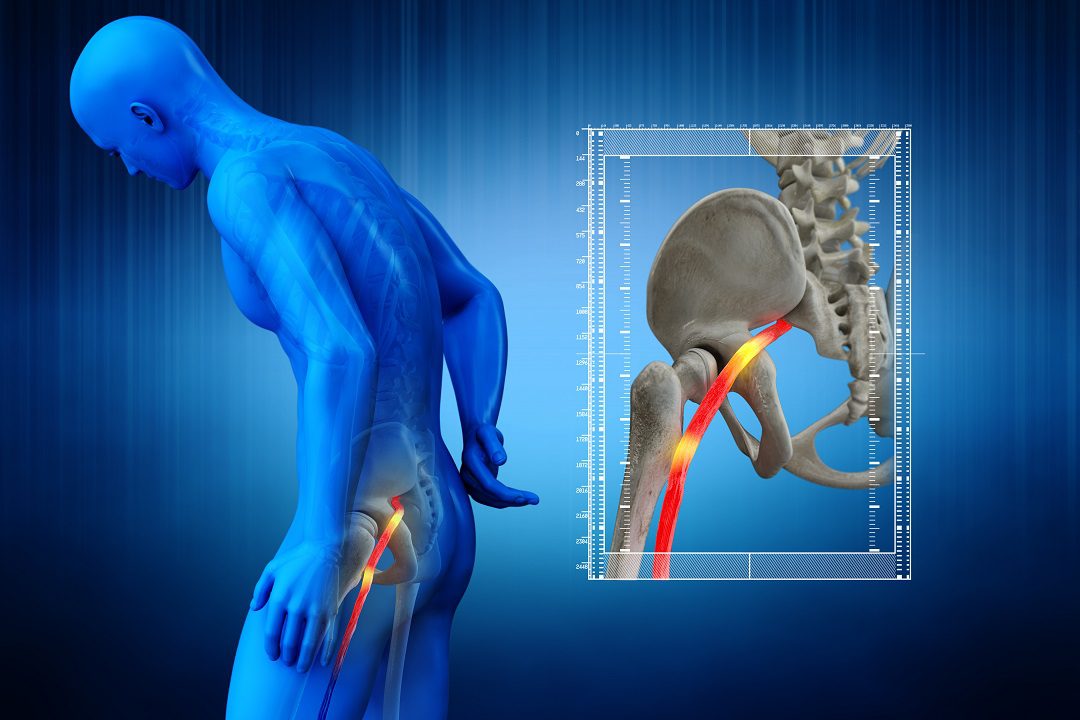
Sciatica is a pain in the back, neck, or buttock that radiates to the leg or arm. Sciatica is also quite common and affects almost 40% of adults. It travels through the sciatic nerve, which starts in your lower back and extends to run down your leg.  A proper diagnosis that confirms and best sciatica treatment is all that you need to lead a pain-free life.

Sciatica

Sciatica pain

10 signs which confirm the diagnosis

Before knowing about sciatica treatment, one needs to understand the nature of pain. The symptoms of sciatica are as follows: –
  1. Calf pain – pain that stretches down the lower leg and back of the knee.
  2. Lower back pain running down the leg.  A pull sensation from your lower back to buttocks and thigh, that further extends from calf to the foot.
  3. A pain in your butt or leg that worsens while prolonged sitting.
  4. Numbness in your leg or foot.
  5. Tingling sensation in your extremity (lower body).
  6. Persistent pain on one side of your butt.
  7. Muscle weakness in the distressful leg or foot.
  8. Shooting pain down the leg which makes it tough to stand up or extend the knee.
  9. Pain in one part of the leg while numbness in another part.
  10.  Lastly, a sensation of pins and needles only in the toes or feet

Early Symptoms Of Sciatica

 Apart from the 10 signs above, sciatica pain often starts in the back. However, occasionally, pain may start at the hip or knee; which may not look like sciatica. Although, you may feel isolated symptoms like feet numbness, knee pain, buttock pain, tingling, etc.

What contributes to Sciatica?

There are many factors that can lead to sciatic pain but the most common ones are listed below,
 • Strain and Occupational Stress: People in more physically demanding jobs as a result affect your nerve.
 • Obesity and genetic factors: The excess weight in the body put prolonged pressure on the backbone, leading to a slipped disc.
 • Accidents and Injuries: Unexpected physical damage from accidents can crack the vertebrae and irritate the nerve.
 • Gender: Studies have shown that men are more prone to slipped discs than women.
Treatment options available
Moreover, depending on the severity of the case, sciatica pain can be treated in the following ways:
 • First, medication and pain management: Pain can be controlled with various pain relief treatments including medication.
 • Second, surgery: In rare cases, the pain doesn’t subside for a prolonged period (6 weeks or more), and surgery can help relieve the pressure on the sciatic nerve endings caused by Sciatica.

 • Third, spine rehabilitation:

Sciatica

Effective exercises for Sciatica

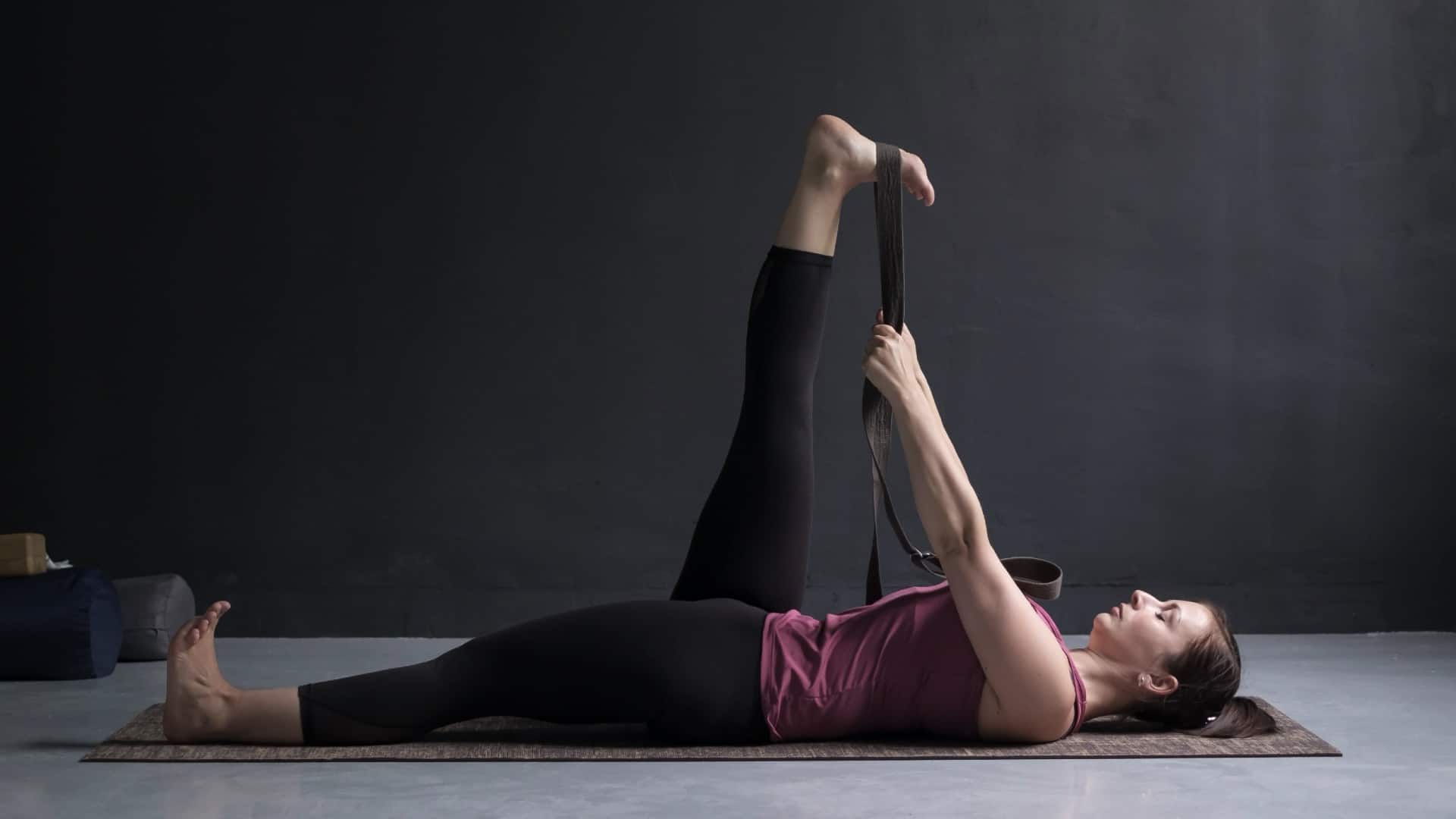
There are multiple approaches to physical therapy in spine care and they can stabilize the spine and help patients with disability or restricted physical movement. This helps improve the mechanical functioning of the spine, manages pain, promotes regeneration of the affected tissue and disc, and with functional training, improves strength and flexibility.

 • Lastly, even in the case of surgery, follow-up rehabilitation helps sustain and improve the results.
If you are experiencing any such symptoms, our team of qualified physiotherapists at Physio Now will help you diagnose and guide you through your treatment. Book your appointment now!

What is Sciatica?

What is sciatica?

Sciatica is a term that gets used quite frequently in the physiotherapy world.  It refers to pain, tingling and/or numbness that goes down the back, hip or entire leg.  It can happen to both younger and older adults for many reasons.  For some, it starts after a traumatic event like a slip and fall or after a motor vehicle accident.  For others, however, it starts gradually then suddenly increases in intensity over time.  Despite the exact cause, sciatica can be a very difficult condition to go through.

Where does the term sciatica come from?

The term sciatica refers to irritation of the sciatic nerve, which is the largest nerve in our body.  This nerve has its roots at the lower levels of the lumbar spine and runs through the gluteal area down the back of the thigh.  Around the the knee, the sciatic nerve splits up into several smaller nerves that run down to supply the muscles of the lower leg, ankle and foot.  The pathway of the sciatic nerve is important because the symptoms of sciatica can travel anywhere along the nerve.

What are the most common signs and symptoms of sciatica?

Symptoms of sciatica can affect one or both legs.  The most signs and symptoms of sciatica include:

  • Pain in the low back, hips and leg(s)
  • Loss of range of motion through the low back
  • Pins and needles going down the leg(s)
  • Numbness or loss of sensation down the leg(s)
  • Weakness in different muscles in the leg(s)
  • Shifted postural alignment
    • Some people are bent sideways
    • Other people are stuck in a bent forward position

How can sciatica affect your day to day activities?

The exact ways that sciatica can affect a person will vary from person to person.  However, most people with sciatica do have similarities in what they experience.  For example:

  • Pain with sitting for long periods of time
    • For example, while working or driving
  • Difficulty with getting up from prolonged sitting
  • Cannot tolerate standing in one spot for prolonged periods of time
  • Pain or inability to bend forward
    • For instance such picking something off the floor or putting on socks
  • Disturbed sleep
    • It may be difficult to find a comfortable position
    • Changing positions during sleep may cause intense pain
  • Inability to walk for long periods of time

How severe can the symptoms get?

Sciatica can be very debilitating when it is in the acute stage.  Pain can be quite sharp and severe, limiting mobility and function completely.  A lot of patients at this stage will rate their pain intensity at a 9 or 10 out of 10.  Any position or movement may be pain producing and anything they try, including over the counter medication, may not help with the intensity of pain.  A lot of patients feel very helpless and scared at this stage.  The sudden onset of intense pain makes these patients wonder if there is something seriously wrong.  A lot of people go to the emergency room because the pain is so severe.  At the hospital, the standard procedure will be to rule out anything potentially serious first.

What are some of the more serious causes of severe low back pain?

  • Fracture
    • History of significant trauma
    • If there is osteoporosis present, then minor traumas are risk factors
    • Loss of function with all movements making pain worse
  • Cancer
    • Risk factors for cancer can include:
      • 55 years of age or older
      • Previous history of cancer
      • Unexplained weight loss
      • Increasing pain that is constant and not relieved by rest
  • Infection
    • Signs and symptoms of an infection include:
      • Fever
      • Malaise
      • Constant pain
      • All movements make pain worse
  • Cauda Equina Syndrome
    • Severe low back pain
    • Pain, numbness or weakness in one or both legs
    • Saddle anesthesia
      • Loss of or altered sensations in your legs, buttocks, inner thighs, backs of your legs, or feet
    • Sudden sexual dysfunction
    • Sudden changes in bowel or bladder functions
      • Difficulty with relieving yourself or difficulty with holding it in

Any of the above-mentioned conditions would require emergency medical treatment, which the hospital would provide.  However, for most patients, their sciatica is not from anything potentially serious.  Most incidences of sciatica are mechanical in nature and can be treated.  Once the hospital has ruled out anything serious, they will likely prescribe medication for pain management and provide a referral for physiotherapy.

What is causing the sciatica symptoms?

For most people, sciatica can be treated with conservative treatment such as physiotherapy.  The important thing about treating sciatica is to determine the correct source of the pain and address those specific areas.  With most sciatica patients, the pain is coming from pressure on one or more of the roots of the sciatic nerve.  These nerve roots are found in the lower back.  The pressure on the nerve affects the proper function of the nerve and causes the symptoms going down the leg.

Are the symptoms permanent?

It is important to note that, in most cases, the tingling, numbness and weakness in the leg is not something that will be permanent.  A good analogy for this process is like when someone is stepping on a water hose.  The pressure from the foot stops the water from passing through the hose.  However, once that foot comes off the hose, the water will flow through without any issues.  Similarly, the symptoms along the leg will get better once the pressure is removed off the nerve.  Specifically with sciatica, the pressure on the nerve is usually caused by intervertebral discs or bony changes in the area.

Can physiotherapy help with sciatica?

Physiotherapy can definitely help with sciatica!  An experienced physiotherapist will be able to perform a thorough assessment that will determine the potential cause of the sciatica.  Once this cause is understood, the physiotherapist will be able to provide the most appropriate treatment to take the pressure off the nerve.

What does physiotherapy treatment involve?

Physiotherapy treatment for sciatica usually consists of multiple components.  Lots of research out there has shown that passive treatments such as heat, ice, and electrical modalities, like IFC and ultrasound, do not provide long term solutions.  However, these types of modalities may be useful in the acute phase to help with the management of pain.   They can be combined with other treatments, including exercises and manual therapy, as part of the overall treatment plan for sciatica.  However, on their own, they are unlikely to make any significant and long-lasting changes.

More importantly, there has to be an evaluation of what positions and/or movements are pain producing and which are pain relieving.  A physiotherapist who has lots of experience working with low back issues will be able to help make this discovery.  The results of the movement assessment will allow for the prescription of the appropriate exercises to help take the pressure off the nerve roots.  The movement assessment will also help to determine which manual treatment techniques are most appropriate for the patient.

For example, if the patient feels less leg pain when they arch their back backwards, then that means their nerve is less irritated with that movement.  Their treatment plan will therefore include exercises that involve various forms of back extensions that continue to improve their symptoms.  The manual treatment provided will also help to improve this movement pattern and increase flexibility in general.

How long does it take for sciatica symptoms to improve?

As the pressure on the sciatic nerve improves, the pain will move upward towards the low back in a process called centralization.  These changes may happen quickly for some patients.  However, with more complex cases, it usually takes several weeks to ease the pain and regain function.  Any exercises that are producing centralizing symptoms are going to be beneficial in creating lasting changes.  Once the leg pain is better, strengthening for the back, hips, and lower limbs is important to prevent future episodes of sciatica.

In majority of cases, pain can be resolved completely, and the individual can return to their normal level of function.  It is important that the physiotherapist provides education and a good home exercise program for the continued maintenance of the condition.  Some patients will continue to avoid certain activities or movements because of their experience with sciatic pain.  It is important for the physiotherapist to work with the patient to regain full function and confidence with their mobility.

If you have been experiencing sciatica, do not let the pain limit what you can do.  Call and book your appointment with an experienced physiotherapist at PhysioNow today!