
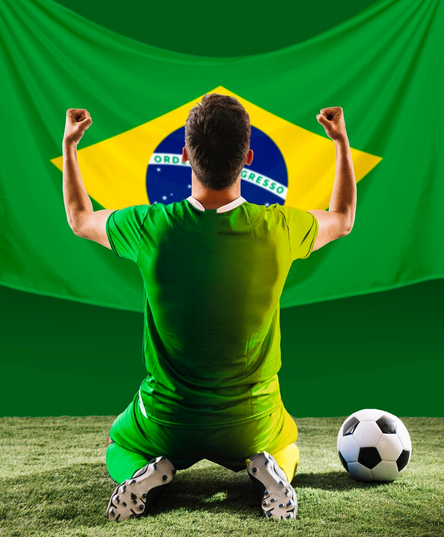
With the World Cup starting imminently, soccer fans are waiting to see their idols perform. One of the big stories going into the tournament is Brazil’s star forward, Neymar, experiencing an injury that could affect not only his performance, but even his participation in the upcoming games. This injury was a grade 2 calf strain, a pretty common injury all things considered. Today we’ll go over what the injury is, what recovery is like, and how to prevent similar injuries from happening to yourself.
What is a calf strain?
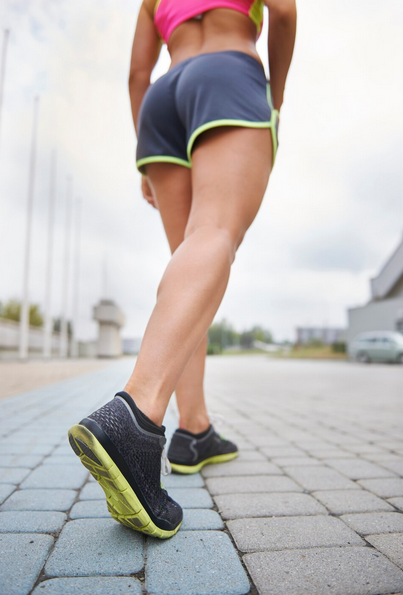
Your calf is made up of 2 muscles called the gastrocnemius and the soleus. Together, they allow you to do an action called plantarflexion or pointing the toes downward. This action is essential for everything we do from walking to jogging to jumping. Connected to the Achilles, these 2 muscles are powerhouses that help us to generate power and accept high intensity forces during movement.
Muscle strains are graded from 1-3 to help us classify the severity:
- Grade 1: Mild, minimal pain and swelling, no loss of function, ~2 week recovery
- Grade 2: Moderate, significant pain and swelling, decrease in strength and function ex. limping, unable to heel raise, ~8 week recovery
- Grade 3: Complete tear/rupture, severe pain and swelling, complete loss of function, likely to require surgery 3-6 month + recovery
Neymar’s grade 2 strain means that approximately 50% of the fibers have been torn in the muscle, requiring time for the body to repair itself.
Why can’t he go back into play immediately?
It is always difficult to determine when an athlete is ready to go back into play after an injury. We’ve seen many times where a newly returned athlete gets injured in their opening match, flaring up their old injury or even making it more severe.
We can’t speed up the time it takes muscle to heal. It initially has to form scar tissue, which is less flexible and not as strong as healthy tissue. Only after sufficient time and stimulation (ex. rehab exercises) does the tissue remodel itself into stronger tissue. As a result, you can see why forcing a return too early makes someone very vulnerable to a reinjury.
How is a calf strain treated?
If you have pulled a calf muscle recently, or any muscle strain really, the rehab will follow a general pattern.
1. Protect and RICE – 0-48 hours
Initially, the goal is to manage swelling and protect the area from worsening. You may have heard the term RICE before for rest, ice, compression, and elevation. During this time you may be using a brace, or a gait aid like crutches to offload the tissue. During this phase, we only want gentle pain free movements to keep circulation flowing.
2. Rebuilding 48 hours – 8 weeks
You don’t have to wait for the pain to go away quickly before starting your rehab. This phase lasts a while and is where you progressively build up your muscle strength again. A rehab professional like a Physiotherapist is essential to determining your current abilities and how fast your rehab can proceed. Everyone goes through this phase at different speeds depending on their personal goals, fitness levels, and general health.
During this phase, you will start mobility and strengthening exercises such 4 way band exercises for all the muscles around the ankle. Then, you’ll progress your ability to put weight on the foot, starting harder exercises like calf raises, squats, lunges, and cardio like walking and jogging. The exercises will be tailored to your specific situation and circumstances.
3. Back to sport 8 weeks+
While it can be frustrating to wait this long, your body needs to build up its strength, endurance and resilience before this stage. Quick movements such as sprints, jumps, hops, and cuts require a lot from the muscle, and this is the stage most people are likely to re-injure themselves if they don’t do it properly.
You will start plyometrics exercises during this stage which may include exercises like box jumps, pogo hops, skipping, running, sprints, shuttle runs and more. In this stage, the exercises will be tailored to your specific sport and the movements that are required to perform.
How do I protect my calves from a future strain?
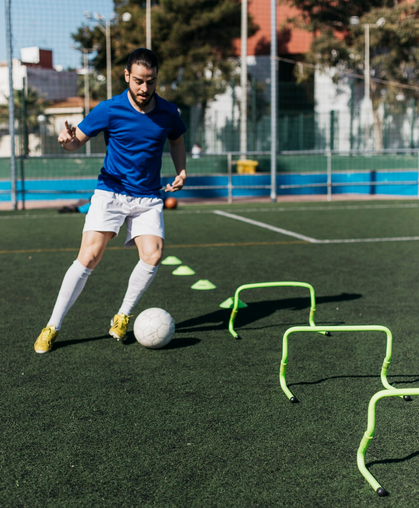
You don’t have to wait for a pain or injury to happen, you can work proactively to prevent one! We call this prehabilitation (or prehab for short) where we can undergo training to reduce the risk of injury. For example, if you are thinking of starting a sport or increasing the amount you are currently playing one, it is advised to go slowly and do some strengthening alongside it. Plyometrics and strength training are great for healthy calves too!
Additionally, a proper warmup and mobility training is essential for the body to perform. Limitations in other joints are going in cold can increase the chance of a strain happening. We recommend doing a dynamic mobility routine before you play, and taking care of your muscles afterwards with some active recovery and foam rolling.
Experiencing a calf strain or other ankle pain?
Look for PhysioNow! We have expert clinicians ready to help you with your sports injury and guide you safely back to play. We have 10 locations across the West GTA including Burlington, Oakville, Mississauga and Etobicoke. We offer free parking, direct billing, and extended weekend and Saturday hours for your convenience. Don’t miss out on the rest of the summer, get started with PhysioNow today. Book your first assessment and treatment here! Or contact us at 289-724-0448 or applewood@physionow.ca for more information.