

Tag Archives: arthritis

Physiotherapy Myths: What We Want You to Know

In a world where we have a wealth of information available at our fingertips, it can be hard to know what is real and what is just gossip. This is true for many things in Physiotherapy as well, and a lot of what we do in clinic is educating our patients on what the science actually says. Today we’ll go over 5 common things we hear from our patients, and what the truth actually is! Hopefully, you can use this information to make more informed choices about your health.

Physiotherapy Myth 1: Physiotherapy is going to be really painful

The saying “no pain, no gain” is often associated with physiotherapy. In truth, physiotherapy is a constantly evolving field and techniques have changed. A lot of manual therapy techniques are great for relieving pain, and helping you move easier within a treatment session.

Now, there may be some techniques, movements, or exercises that can be uncomfortable, but a good therapist will always let you take the lead with what you can handle.

Physiotherapy Myth 2: I need imaging and a doctor’s note before my appointment
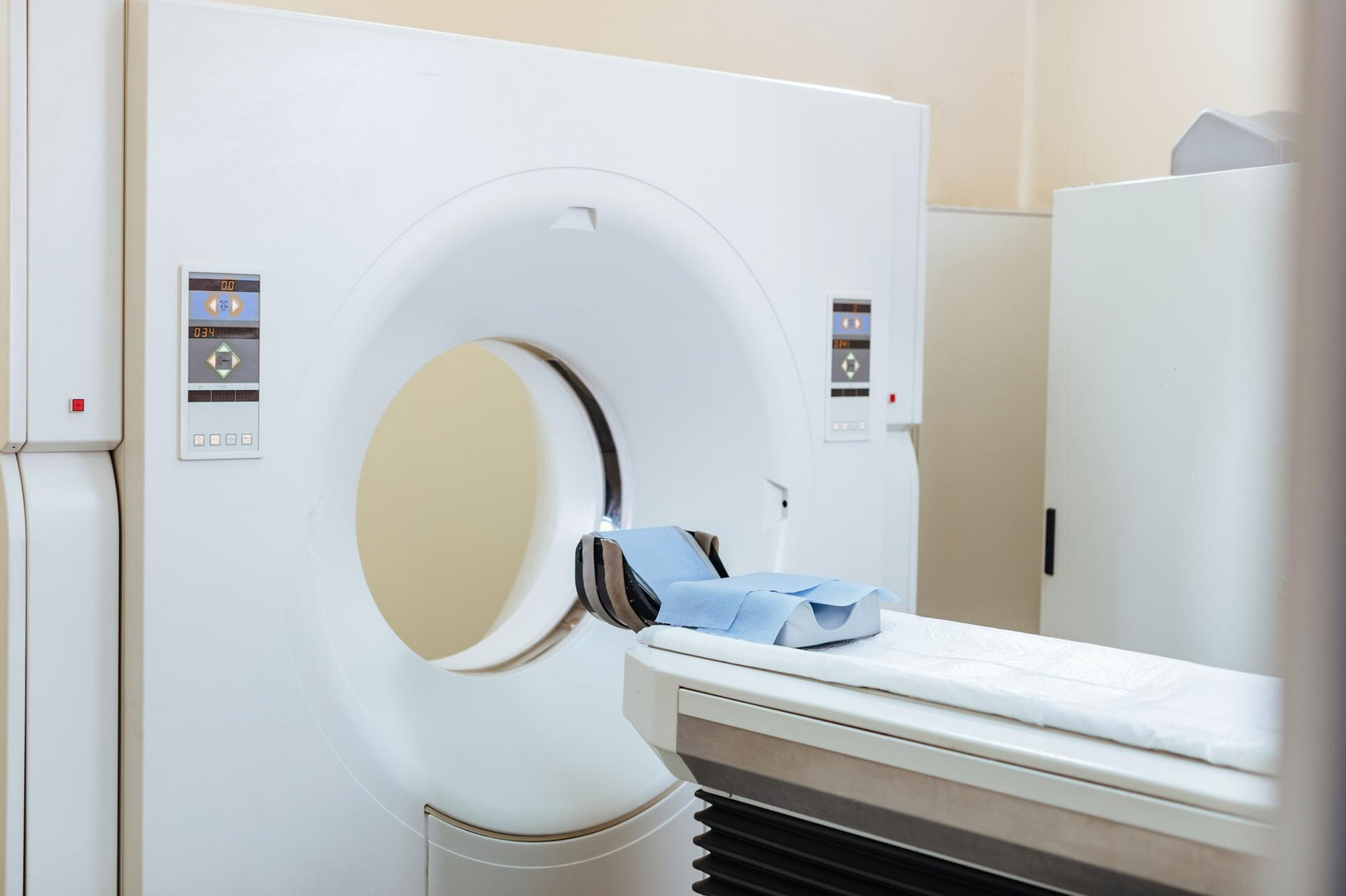
Many of us in Ontario are familiar with the long waiting times for an MRI or specialty appointment. Physiotherapy offers an immediate solution to help you manage and maybe even resolve your pain in the meantime.

In reality, Physiotherapy is often the most helpful touch point for a lot of pains and injuries. Beyond ones that need medical assistance such as fractures, your regular strains, sprains, spasms, nerve impingements may achieve a faster resolution by heading straight to a Physiotherapy clinic.

Physiotherapists are experts at treating based on symptoms, and can often puzzle out a diagnosis based on their testing. Instead of waiting weeks for an MRI, ultrasound, x-ray or doctor’s appointment, get started with a Physiotherapy session to jumpstart your recovery. Additionally, where a medical referral and imaging may be warranted, your Physiotherapist will help make that decision and can provide the doctor with a detailed report to make the process more efficient.

Physiotherapy Myth 3: I have arthritis, there’s nothing else I can do because it’s bone on bone

As physiotherapists, our goal is to change this mindset even for the people we don’t see in Physiotherapy. In reality, imaging on an x-ray or MRI have a very low correlation with actual symptoms, or what people feel. Someone on an x-ray may actually present with moderate or severe degeneration in a joint but feel no pain or discomfort at all.

Ultimately, most conditions can be improved and surgery delayed or completely avoided with Physiotherapy. It is normal for our bodies to experience wear and tear, but the issue gets compounded when we give up on moving it and exercising it. That leads to atrophy (weakening) of the muscles, forcing the joint to bear more pressure. Instead, the solution is to strengthen and mobilize everything to maintain and even improve your quality of life again. Even if you have been living with arthritic changes for a long time, it is never too late to get started!

Physiotherapy Myth 4: My physiotherapist can “fix” me
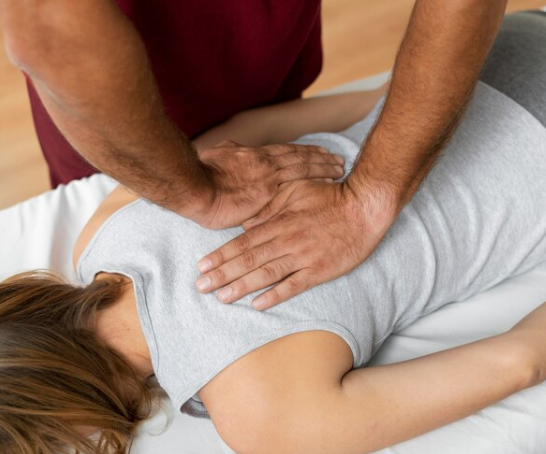
Manual therapy is a much loved and effective treatment technique, but it can’t be the only part of the plan. We don’t want people to rely on us forever, our jobs are to help you manage the pain then show you how to keep it away for good.

In previous years, Physiotherapy was treated more as a passive service where people would lie down on a bed, and receive treatment. As we mentioned before, research has caused a shift towards a more collaborative efffort between patient and practitioner. While hands-on treatments are still a big part of Physiotherapy, they alone will not be able to make long-term changes.

For this, we need active rehabilitation. These include the exercises, the lifestyle changes, the movement you are doing outside of the clinic that works hand in hand with what our physiotherapists do inside the clinic. This allows your body to make those tissue adaptations, building strength, endurance and flexibility that will keep your body happy into the future. Your physiotherapist can give you the tools you need to succeed, but they can’t do it without your help.

Physiotherapy Myth 5: I injured myself, I just need to rest until I get better

Relative rest is needed after an acute injury, but too long and the injury will not heal properly and can turn into a chronic issue. In fact, after a lot of surgeries the hospital starts Physiotherapy sessions as soon as possible. Of course, what Physiotherapy looks like will be different depending on which stage of healing your’re in.

Earlier on, we still follow the rules of RICE (rest, ice, compression, elevate) but we want to continue gentle range of motion and even muscle activation exercises. Afterwards, as soon as we are able to, we start building up capacity in the tissues by stretching and exercising them. We always respect pain and ensure we don’t over do it during each stage, but some discomfort is expected. If you don’t follow a progressive rehabilitation process, you may end up losing mobility, strength and set yourself up for a future injury.

Have another question about a topic not listed?

Look for PhysioNow! We have many expert clinicians ready to assist you and ease your worries. If you have an injury and are not sure how to proceed, a Physiotherapist can help you out! We have 10 locations across the west GTA including Burlington, Oakville, Mississauga, and Etobicoke. Book with PhysioNow today for your first assessment and treatment!

Rheumatoid Arthritis and What You Should Know

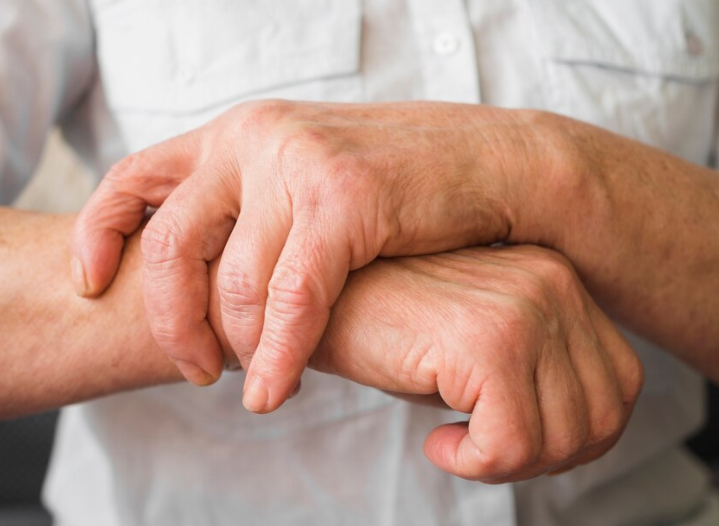
Rheumatoid arthritis (RA) is an inflammatory disorder that can affect multiple joints, usually on both sides simultaneously. In other words, if it affects your wrists, it would likely be both, not just one. RA is an autoimmune disorder. Essentially, a flare up is when your immune system starts to attack your own body’s tissues. Ultimately, it has systemic (body-wide) effects and can damage your skin, lungs, heart and blood vessels in some cases.  RA mainly damages the lining of your joints causing large amounts of pain and swelling that can eventually result in joint line erosion and deformities. In most cases, the damage is permanent and leads to a decreased quality of life and increased disability.

What increases the risk of developing Rheumatoid Arthritis?

The ultimate cause of rheumatoid arthritis is unknown, but what we do know is certain things increase the risk of development. This includes:

  • Family history
  • Smoking
  • Obesity
  • Environmental or external factors (exposure to pollutants, stress, infection etc)
  • Sex: Women develop RA more often than men

What are the signs and symptoms of Rheumatoid Arthritis?

The symptoms depend on the current stage the condition is in, and it cycles between two stages:

  1. Relapsing: Also known as a flare up, symptoms appear and are more intense
  2. Remitting: Symptoms including pain will decrease or are absent, but structural deformities will persist  

During a relapse/flare up, symptoms include:

  • Pain in the joints, usually 4 or more joints at a time
  • Warmth and redness around the affected joints
  • Swelling 
  • Tender to the touch 
  • Morning stiffness
  • Fever
  • Fatigue

In the early stage of RA, the small joints of the body like the fingers or toes are more affected. As the disease progresses, the larger joints become involved like the wrists, knees, ankles, elbows and hips.

How is rheumatoid arthritis diagnosed?

Primarily, RA is identified through a combination of a physical exam, analysis of your health history, x-rays and other imaging tests, and blood work looking for markers that may indicate the presence of the disease.

Physiotherapy Management of Rheumatoid Arthritis

  1. Education about the condition and the key role of interprofessional and collaborative care in the management of RA:
    Managing your Rheumatoid Arthritis requires coordination of care from a variety of health care professionals.

    Your Physiotherapist can help you understand the condition, identify early signs and advise you on how to proceed or where to seek help. For example, they may help connect you to a medical doctor and a rheumatologist (professional that specializes in the care of inflammatory conditions) for specific management of RA. Additionally, these specialty clinics may provide additional resources for the management of the condition. 

    2. Activity modification

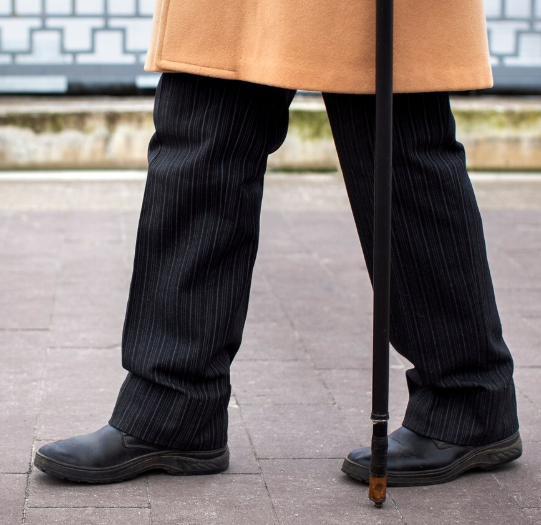
    During a flare up, strenuous activity should be avoided and rest becomes the priority. This may include things like lifting, climbing stairs, and even walking can put excessive pressure on the joints. To help, your Physiotherapist may give you strategies to help you manage fatigue, conserve your energy, and prescribe you with a gait aid or other adaptive devices. For example, using a walker or cane to offload the lower body, or installing railings or raised toilet seats.

    3. Therapeutic exercise

    During periods of remission, therapeutic exercises will be used to maintain normal muscle strength and prevent deterioration. The duration, severity, and types of exercise will be determined after a thorough assessment. Your Physiotherapist will uniquely adapt the exercises to an appropriate level for your condition. Overall, these exercises could include range of motion and stretching, aerobic conditioning, and strengthening.

    4. Manual therapy

    Manual therapies like soft tissue release, gentle joint mobilizations, and other massage techniques are useful for relieving pain and swelling and improving flexibility. It is also beneficial for promoting a general feeling of well being and increasing mood, which is often affected in this condition. Thus, it is an important part of the management of RA.

    Where can I find help?

    If you are experiencing difficulties with RA or any kind of joint pain, look for PhysioNow! We have many expert Registered Massage Therapists and Physiotherapists that can help you with your recovery today. With 10 clinics across the GTA from Burlington, Oakville, Mississauga, and Etobicoke, our highly accessible locations are ready to serve you! Book with PhysioNow today for your first assessment and treatment!
    Osteoarthritis: How Physiotherapy Can Stop Your Pain

    Osteoarthritis in the knee. Image by jcomp on Freepik

    What is osteoarthritis (OA)?

    Osteoarthritis (OA) is the most common form of arthritis. Alternatively, some people call it degenerative joint disease or “wear and tear” arthritis. It occurs most frequently in the hands, hips, and knees.

    With OA, the cartilage within a joint begins to break down and the underlying bone begins to change. These changes usually develop slowly and get worse over time. Eventually, it can cause pain, stiffness, and swelling. In more severe cases, it also causes reduced function and disability; some people are no longer able to do daily tasks or work. Osteoarthritis (OA) is the most prevalent joint disease and a leading cause of disability in older adults.

    Signs and symptoms of osteoarthritis:

    • Pain or aching
    • Stiffness
      Decreased range of motion (or flexibility)
    • Swelling

    Risk factors:

    • Joint injury or overuse—Injury or overuse, such as repetitive knee bending or stress, can cause damage and increase the risk of OA in that joint
    • Age—The risk of developing OA increases with age.
    • Gender—Women are more likely to develop OA than men, especially after age 50
    • Obesity—Extra weight puts more stress on joints, particularly weight-bearing joints like the hips and knees. Consequently, this extra stress increases the risk of OA in that joint. Obesity may also have metabolic effects that increase the risk of OA
    • Genetics—People who have family members with OA are more likely to develop it. Additionally, people who have hand OA are more likely to develop knee OA
    • Race— Some Asian populations have lower risk for OA.

    How is it diagnosed?

    A doctor diagnoses OA through a review of symptoms, physical examination, X-rays, and lab tests. Furthermore, a rheumatologist, a doctor who specializes in arthritis and other related conditions, can help if there are any questions about the diagnosis.

    How is it treated?

    There is no cure for OA, so doctors usually treat OA symptoms with a combination of treatments which may include the following:

    • Increasing physical activity
    • Physical therapy with muscle strengthening exercises
    • Weight loss
    • Medications, including over-the-counter pain relievers and prescription drugs
    • Supportive devices such as crutches or canes
    • Surgery (if other treatment options have not been effective)

    Osteoarthritis and Physiotherapy:

    Physical therapy for osteoarthritis rehabilitation

    Physical therapist helping a patient perform exercises for OA. Image by Freepik

    Unfortunately, pharmacological treatments are mostly related to relieving symptoms, and there is no drug that is a 100% cure for OA. However, compelling evidence suggests that regular practice of resistance exercises as part of a physiotherapy program may prevent and control the development of chronic diseases, including OA. As a result, physiotherapy-supported exercise may result in improved quality of life of those affected by this disease.

    Additionally, anti-inflammatory treatment before physical therapy may also enhance the effects of exercise. Thus, a combination of pharmacologic and physical therapy modalities is recommended for the optimal management of OA. Physical therapy aims to relieve pain, improve joint function, and improve the daily quality of life of those with OA. It is the go-to conservative treatment option for OA due to its effectiveness convenience, and low risk of harmful side effects.

    If you are experiencing any such symptoms, our team of qualified physiotherapists at PhysioNow will assist and guide you through your individualized treatment and exercise plan. Book your first appointment with PhysioNow today to start improving your quality of life.