If you’re awaiting a total hip replacement (THR), you probably have a lot of questions. Surgeries are nerve-wracking events, but the more you learn about a THR, the more at ease you will feel. Research and developments in the medical surgery field have made THRs easier than ever. If you’ve heard about previous surgeries you may have heard some scary things, spending long times in a bed or unable to move your leg in certain ways. Now, thanks to improved techniques and knowledge, movement and rehab start on day 1!
What happens during a THR?
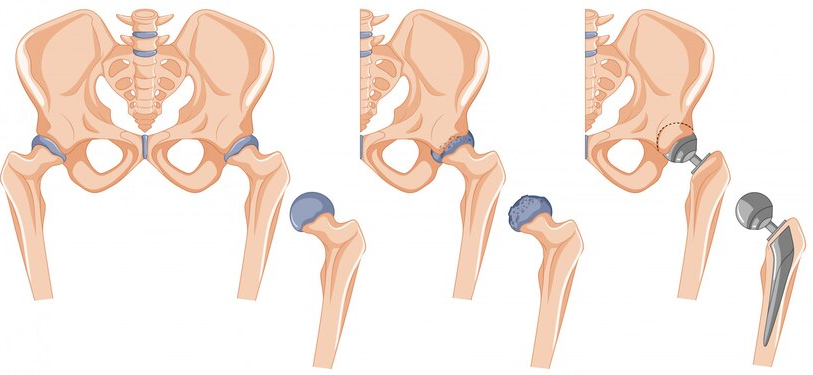
The left shows a normal hip joint, the middle a hip joint with degeneration of the joint surfaces (osteoarthritis), and the right a hip after replacement
Before we dive into how the procedure has improved, let’s first go over how the surgery is performed. To summarize it, the surgery’s goal is to replace the worn out surfaces of the hip’s ball and socket joint. The surgeon will clear out some of the damaged tissues and replace it with an artificial joint and surface, usually made of specialized plastic and metal. This synthetic cartilage allows the joint to move smoothly again.
How has the surgery changed over time?
We will split this section into 5 parts to examine different aspects of the surgery itself and surgery procedures that have evolved. Each of them contributes in its own way an accelerated healing process and better health outcomes.
1. Prehab vs traditional post-op rehab
Previously, treatment didn’t start until after the surgery had already been done, as it was thought that there was nothing that could be done besides surgery.
Now, we know that physiotherapy and pre-rehabilitation are essential leading up to and actually delaying surgery. Delaying is important as hip surgeries have to be revised eventually, we will get to this more in our next point. Physiotherapy starts weeks before the surgery to build up your strength and optimize your brain and muscle connection. This has been shown to ease the recovery process and return strength faster.
2. Lifespan of a hip replacement
Previously, patients were told to save the surgery for as long as possible, as the parts would wear out in 10-15 years. This revision surgery is not as effective as the primary surgery at reducing pain and increasing function and also will not last as long, leading to more revisions. This left people needing earlier replacements, such as their 50s, waiting with a lot of pain and disability.
Now, due to improvements in material engineering there has been a huge increase in durability. The Lancet estimated that hip replacements can now last around 25 years in a majority of patients.
3. The relaxing of hip precautions
Previously, patients were given very rigid rules to follow with their hips for 6-12 weeks after surgery to reduce the chance of dislocation. These included things like don’t cross your legs, don’t lift your leg past 90 degrees, don’t turn your toe inwards, sleep with a pillow between your legs and so on.
Now, research has shown that these precautions were overly restrictive and didn’t impact the risk of dislocation at all. In fact, it had a negative effect by creating a environment of anxiety around the hip, slowing down recovery. Some restrictions may still be recommended by your surgeon and depending on the technique used. In general, the rule of thumb is to listen to your body and move naturally.
4. Same day discharge
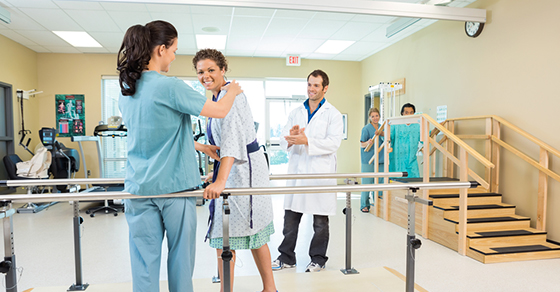
You may be using a cane or walker to help support the hip after the surgery.
Before, recovery times after a surgery included a couple day stay in the hospital before being allowed to walk.
Now, you are up on your feet within just a couple of hours after waking up from surgery. Total hip replacements are now considered an outpatient surgery, which means that you go home on the very same day that you had the procedure. Patients are told how to prepare their homes to make the transition easier, but resting in your own bed can’t be beat! What this also means is that Physiotherapy post-op rehab will take place outpatient now as well, and you are recommended to start ASAP.
5. Change in surgical techniques
Before, the traditional approach was to make an incision through the back of the hip. Unfortunately, this required the cutting through of some important stabilizing muscles like the glutes. This led to longer recovery times for these muscles and also the distinctive walking pattern where their hip will jut out every time they step on it, or the body leans over heavily.
Now, there are other techniques such as the anterior approach which allows the muscles to be spared. The surgeon does not have to cut through any muscles, they can just work around them. This results in a faster return to normal walking patterns, no precautions, and usually less pain as well.
Waiting for a surgery or have hip pain?
Look for PhysioNow! We have expert clinicians ready to assist you at any point during the process. Whether you are trying to prevent surgery, have a new hip pain, awaiting surgery, or are trying to schedule your post-op care, we can do it all! We have 10 clinics across the West GTA including Burlington, Oakville, Mississauga, and Etobicoke. We have free parking with accessible spots available, offer direct billing, and extended evening and Saturday hours for your convenience. Get your hip pain looked at today, book with PhysioNow today for your first assessment and treatment! Or contact us at P: 289-724-0448 or E-mail: applewood@physionow.ca for more information.
Preventative care is emerging in the health world as a bigger and bigger area of interest. Historically, our care system has been reactive, after the injury or illness, after someone feels pain, or after they have issues with mobility. For example, surgeries are becoming extremely common, and there is still a misconception that things like arthritis and surgery are inevitable. While it is true that in some cases, especially after traumatic accidents, surgery can be unavoidable and lifesaving, there are other considerations. To name a few, surgery can be invasive, expensive, puts burden on the health care system, and also has an innate risk of post-op complications like infection, long ICU stays or recovery periods. Many people are unaware about the role of physiotherapy in preventing surgeries, that it can delay or even prevent the need for surgery completely.
When can physiotherapy help avoid surgery?
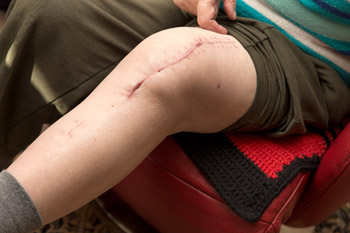
Knee replacements are some of the most common surgeries done today, but much can be done to prevent or delay this outcome
Chronic low back pain and herniated discs: Improvements in pain and function through exercise-based treatments, and many people can improve without surgery
Knee osteoarthritis and meniscus injuries: Strengthening and low-impact exercise reduce joint stress
Shoulder impingement and rotator cuff injuries: Restored mobility and muscle control can prevent tears from worsening
Carpal tunnel syndrome: Nerve gliding and ergonomic corrections may reduce the need for surgery
Sports injuries (ACL sprains, tendonitis, ankle instability): Targeted rehab can restore stability and decrease the risk of major injuries
How can physiotherapy help avoid surgery?
1. Restoring mobility and strength:
Your physiotherapists are experts in movement. They can help you to create individualized exercise programs to target stiffness in joints, tightness or weakness in muscle or any imbalances in the body.
For example, when most of the arthritis patients go for their consultation, they may get advice that surgery is the only option. On the other hand, in the clinic, we have seen many patients can delay or avoid surgeries if they follow their physiotherapist’s personalized plan for them. This will include stretching, strengthening of the hip and knee joint, practicing balance, and strategies to preserve the joint including gait aids or braces. Ultimately, stronger muscles take pressure off painful joints and allow for more natural movement.
2.Pain relief without medication
Many people we see are relying on painkillers or injections to manage their discomfort. Unfortunately, these are usually short-term and get less effective with time. In physiotherapy we offer alternatives such as manual therapy, joint mobilization, laser therapy, ultrasound therapy, TENS and exercise therapy which can help to get rid of pain. These approaches help you to reduce inflammation, improve circulation, and improve tissue healing. Over time, patients often notice such significant improvements in pain they just are able to delay or avoid the surgery.
3. Correcting the root cause of the problem
Surgery often fixes the immediate “end result” of an issue but doesn’t always address what caused it in the first place. Physiotherapy focuses on long-term solutions by assessing the real cause of your issue. This could be but is not limited to correcting posture, improving movement patterns, and balancing muscle activity. For example, a person with chronic shoulder pain might get relief by surgery if there is a torn muscle. However, shoulder surgeries have a long recovery time and the outcomes can be variable. Physiotherapy can help the whole structure by correcting harmful postures and movement patterns,, strengthening and reactivating injured muscles, and reducing strain on joints.
4. Acting as a first line of defense
Nowadays, many doctors recommend trying physiotherapy as conservative management before committing to surgery. There is much research that shows that for conditions like rotator cuff injuries, meniscus tears, or lower back pain, structured physiotherapy programs can help you get better and avoid surgery. In cases where surgery is still necessary, Physiotherapy still plays a crucial role in the quality and overall outcome of the post-operative period and recovery.
What if surgery is still needed?
Whether it is in the hosptial or in a private clinic, Physiotherapy is a must to regain your normal function
As noted, physiotherapy cannot replace surgery in every individual and it must be assessed on a case by case basis. The determination must be made based on the severity and type of injury, and individual factors like age and comorbidities. There is a higher chance of surgery in situations with multiple injuries, complete tears of muscles or ligaments, fractures and advanced degenerative changes. In that scenario, physiotherapy is still necessary for pre-op and post-op care.
• Pre-surgery (“prehab”): Physiotherapy before surgery can teach you what to expect and be at your best. Strengthening muscles and improving mobility before surgery often helps facilitate a faster, smoother recovery afterward.
• Post-surgery rehabilitation: Physiotherapy is essential for regaining strength, preventing stiffness, and restoring function, and preventing complications after an operation. Different surgeries may have protocols or restrictions after a surgery and your physiotherapist can help you navigate the intricacies.
Have you been told that you need surgery?
If you haven’t tried physiotherapy yet, we recommend coming in for a consult or a session. It is never too late to start Physiotherapy. Whether the surgery has already been scheduled and you want to prepare, or you are looking for a way to avoid surgery. At PhysioNow, we are happy to answer any questions and help you through the process. With 10 locations in the West GTA from Burlington, Oakville, Mississauga, to Etobicoke, we are ready to get you started. Book with PhysioNow today for your first assessment and treatment