
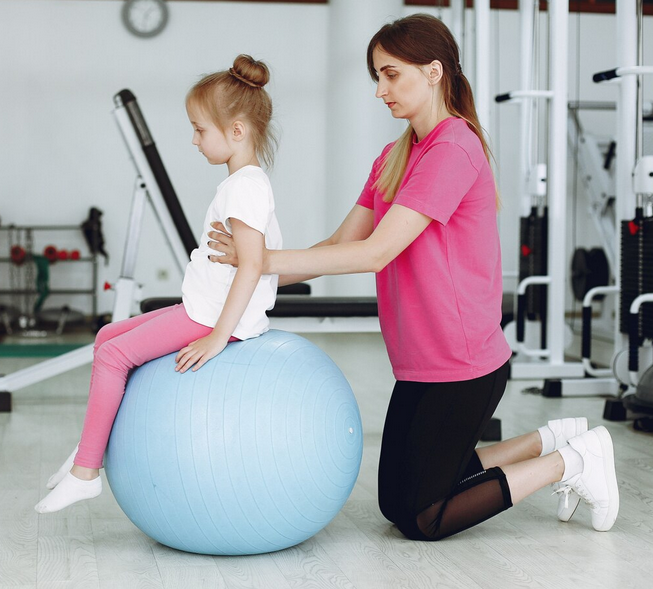
Pediatric Physiotherapy is a specialization that focuses on infants, and children. It is widely recognized that the bodies and brains of our children are vastly different than an adults. From the way they learn, heal, and constantly are developing, we need to treat them differently as well. While the average sports injuries, strains, sprains, fractures and more are all still present in this age group, there are also unique conditions that are managed by pediatric physiotherapists. In this blog, we will discuss the more specialized situations that are unique to a pediatric population, and how Pediatric Physiotherapy is uniquely configured to address it.
Why do children need pediatric physiotherapy?
When a baby is born most of their physical function is controlled by a bunch of reflex systems that are more dominated from their spinal cord level, called “spinal reflexes’’, and not from their brain. Babies Brains are not developed during the time of birth. Hence, these reflexes are temporarily present to protect them. As the child grows these reflexes integrate and their brain starts developing more refined movements which are then controlled by the mature brain.
While a baby is growing it’s very important to help them get through this phase so their brain develops normally and they are functional to the best of their capacity. Some children take longer to get into this and some may not be able to get the full potential due to various medical reasons.
What is special about pediatric physiotherapy?

Pediatric physiotherapy is a very unique way of helping small infants and children. To specify, it facilitates gross motor development and provide support to guardians through a family-centered approach to treatment. “A Family Centered Approach” means where a child and family are an important part of the team. They are present at each session, actively participate and help facilitate treatment goals and plans of care based on their individual needs and requirements.
What happens in a session?
A trained Physiotherapist is able to determine what motor skills are missing in normal growth by conducting a thorough pediatric assessment. Afterwards, based on their findings, they will create a program that will help the child to achieve this milestone.
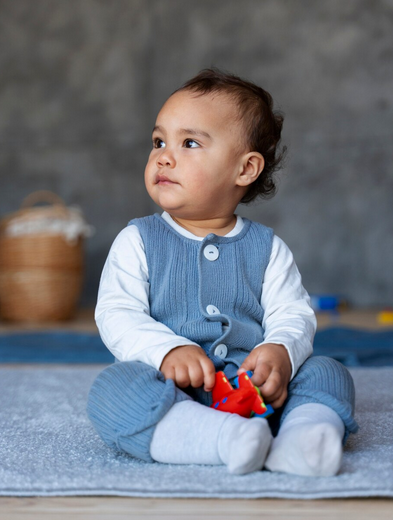
Milestones are considered a very important landmark in a child’s development. This is a time sensitive phase where a set time determines when a child should develop certain skills. For example, a healthy baby is able to sit with support by 6 months and is able to hold and transfer objects from one hand to another by 9 months. Sometimes this might change and it could take longer and your physiotherapist can determine whether it’s normal or not normal by having a close look at their movement patterns. Remember, child development is not just about learning how to move, rather it’s also about observing if they are able to hear and listen to sounds. If they have a hearing problem it has to be addressed quickly as listening and hearing helps them to talk, and plays a major role in helping them learning motor skills.
As babies grow, they may have certain problems even if they have grown fully and normally. At times they regress back suddenly and are not able to do things they were doing before. There are various reasons why this happens, but the main cause is due to sudden brain damage. In children the most common cause for this is having a intense fever due to seizures or any kind of infection. This high body temperature due to infections and seizures causes their developing brain to regress back. Hence its very important to be careful when a child develops a fever.
What kind of conditions can be treated in Pediatric Physiotherapy?
Some of the common conditions that require a pediatric physiotherapist consultation and treatment plan are as below:
- Down syndrome: Genetic condition, low muscle tone leading to delayed development
- General delayed milestone: Normal development but slower than a normal child would be
- Neonatal abstinence syndrome: A child born with drug and substance withdrawal due to maternal use during pregnancy
- Cerebral palsy: There are different types, impaired motor development due to high muscle tone
- After Botox therapy: Botox is injected to the muscle group to decrease the muscle tone and help walking, especially in children with cerebral palsy
- Autism Spectrum Disorder: issues with sensory processing and tippy toe walking
- Hip dysplasia: Issues with hip clicking that can cause a lot of pain during activity
Looking for more information?
If you are concerned with your child with any of the above, if your newborn was in an ICU for a very long time, or if your baby was born very early (prematurely), please give a call for a short consultation. We are here to help and answer all your questions. Currently, Pediatric Physiotherapy services are offered with Bimala Odari at the PhysioNow Oakville North and Credit-View Bristol locations. We offer private treatment rooms and specialized equipment for each pediatric appointment.
Please reach out to us at Physio Now at our central line 289-724-0448, or email oakvillenorth@physionow.ca creditview@physionow.ca for more information.
Blog post written by Bimala Odari (BPT, MPT) (Pediatric), Registered Physiotherapist