

Have you been experiencing pain on the outside of your hip recently? Or maybe you notice a sharp twinge every time you climb the stairs, step out of the car, or try to lie on your side at night?
If this sounds familiar, you aren’t alone. Outer hip pain is incredibly common, and very often, the main culprit is a condition called gluteal tendinopathy. Oftentimes, this can be accompanied by a bursitis and is generally classified as Greater Trochanteric Pain Syndrome (GTPS). Either way, the condition and pain is very treatable with Physiotherapy and we’ll go over how today.
What is a tendinopathy?
First, tendons are the tough, fibrous cords that connect your muscles to your bones. Then, tendinopathy is an umbrella term for a condition tendon that has become stressed and irritated, usually due to overuse
For a long time, people called this “tendinitis,” assuming it was just temporary inflammation. Today, research shows that tendinopathy is less about active inflammation and more about tendon overload. When a tendon experiences more stress or load than it is adapted for, its collagen fibers become disorganized, leading to localized stiffness, weakness, and pain.
How does gluteal tendinopathy happen?
Your gluteal tendons (specifically gluteus medius and gluteus minimus) attach to the bony bump on the side of your hip, known as the greater trochanter. These muscles work hard every day to keep your pelvis level when you walk, run, or stand on one leg. In other words, they are huge stabilizers of the hip and essential for daily function and sports.
Gluteal tendinopathy usually happens due to a combination of:
- Increase in activity: For example, starting a new workout routine or increasing your daily walking/jogging mileage too quickly
- Compressive positions: Positions that pull the tendon tight over the hip bone can irritate an already sensitive tendon. This includes things like sitting with your legs crossed or standing while resting all your weight shifted onto one hip hanging on your hip
- Compensation for other weak areas: If the surrounding hip or core muscles aren’t taking their share of the work, the gluteal tendons take on extra strain.
What are the common signs and symptoms?
Gluteal tendinopathy presents with a fairly distinct pattern. Patients usually report:
- Pain on the outside of the hip: A localized ache or tenderness directly over the bony bump on the side of your hip, which sometimes radiates down the outer thigh toward the knee. Most people can point directly towards the source of their pain
- Nighttime pain: Difficulty sleeping on the affected side due to pressure, or pain when sleeping on the opposite side because the top leg falls across the body, stretching the tendon
- Pain during single leg activities: Discomfort when walking, going up or down stairs, standing on one leg ex. getting dressed or running
- Worse after prolonged rest: A stiff or sensitive hip when stepping out of bed in the morning or standing up after sitting for a long period
How does physiotherapy treat this condition?
Mindsets around healing have changed a lot in the past decades, no longer is resting considered a good thing. Obviously, there needs to be a modification to activity to avoid overuse, but doing absolutely nothing will only make the tendon issue worse. The most important thing to know about tendinopathy is that tendons need load to heal. Complete rest might make the pain quiet down temporarily, but as soon as you return to your normal activities, the unstrengthened tendon will likely flare up again in a relentless cycle.
Physiotherapy focuses on progressively rebuilding your tendon’s capacity so you can get back to living pain-free.
1. Activity management and modifications
First, we help you identify and temporarily adjust activities that compress or overload the tendon:
- Place a thick pillow between your knees when sleeping on your side
- Avoid crossing your legs when sitting
- Stand evenly on both feet rather than resting your weight on one hip
- Participate in activities only up to a 3-4/10 of pain, then take a rest
2. Targeted exercises
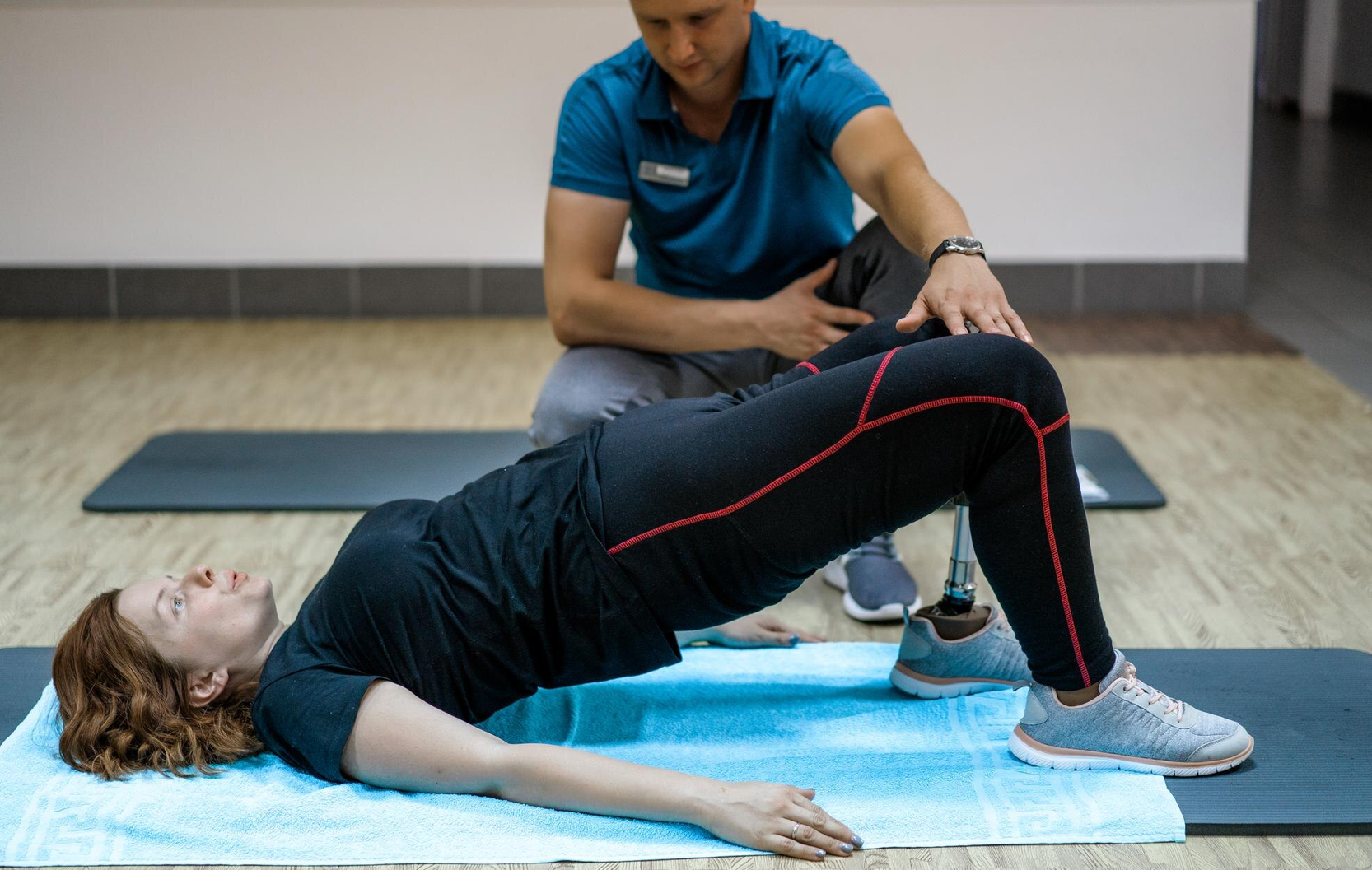
Exercise is the gold standard treatment for tendinopathy, and research now shoes that we need to push the tendon quite heavily to create the adaptations that are needed for healing. Recovery typically moves through phases, depending on the individual tolerance level and initial severity of the condition.
- Isometrics: Holding muscle contractions without moving the joint. These are used for pain relief and to start with early muscle activation
- Strength training: Controlled strengthening exercises like sidelying leg lifts, bridges, and step-ups that gradually build tendon strength without excessive compression.
- Functional and heavy Loading: Restoring full strength and power through functional movements like squats, lunges, Bulgarian’s and more. Heavy slow resistance is considered the gold standard for tendon loading and should be strived for in all rehab programs.
3. Manual techniques
In the early stages, manual techniques can help to calm the pain down. Tight hip muscles can increase the compression force over the tendons or bursa, worsening the condition. Restrictions in joint mobility may be contributing to overuse at the hip. Your physiotherapist will perform a full assessment to determine the techniques that are appropriate for you.
Need help with hip pain or a gluteal tendinopathy?
Look for PhysioNow! We have expert clinicians at 10 locations across the West GTA, including Burlington, Oakville, Mississauga, and Etobicoke. Don’t let your hip pain stop you from enjoying the rest of your summer. Book with PhysioNow today for your first assessment and treatment!