

Concussions are still a very misunderstood injury. For years, the standard advice and image people would get in their head after a concussion, is the patient sitting in a dark room, unable to do anything. Thankfully, much more research has been done in this field today, and an active, symptom-based treatment is the gold standard. Exercise has been shown to have very beneficial and protective effects on the brain. As a result, concussion treatment with a Physiotherapist is essential for the quickest recovery of both the cognitive and physical abilities.
How does a concussion happen?
Usually, a direct blow to the head (like being hit by a ball) or a sudden acceleration-deceleration (think whiplash in a car accident), causes the brain to move rapidly in the skull. Concussions are also known as mild traumatic brain injuries (mTBIs). This causes impairments to the brain function which can include:
- Vestibular issues: Trouble with balance, vertigo, dizziness, and coordination
- Oculomotor issues: Trouble tracking with eyes, sensitivity to busy visual backgrounds
- Brain fog and other cognitive issues: Memory issues, difficulty processing, multitasking, etc
- Fatigue
- Headaches and nausea
- Sleep disturbances
Concussions Ontario has a more complete list of symptoms here.
What are the concussion guidelines now?
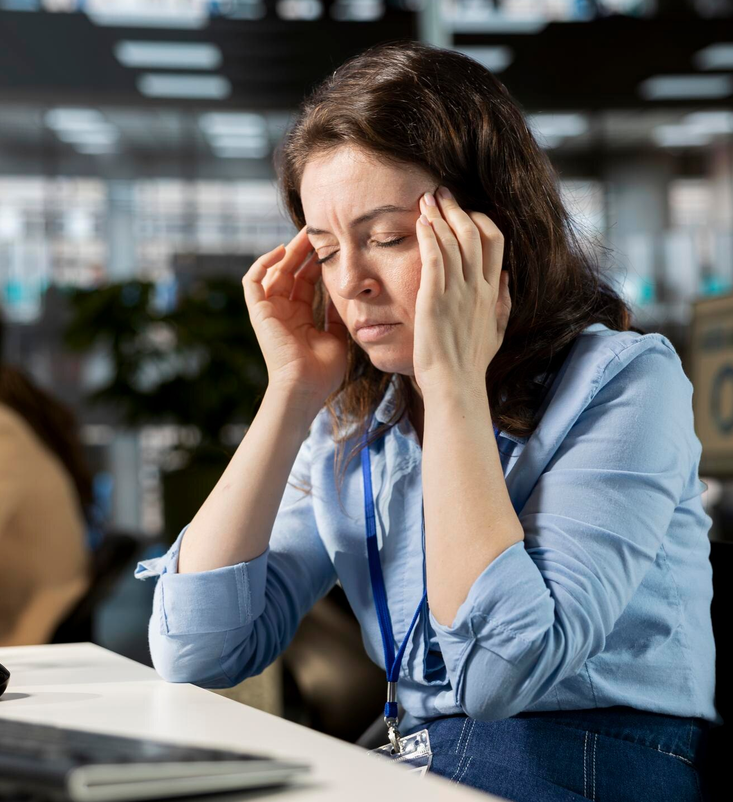
Experts still recommend 24-48 hours of rest right after the injury. However, any more than that and they’ve found that it can actually delay recovery and lead to worsening symptoms. Physiotherapy and active rehab is now the gold standard, encouraging the body to continue to work up to it’s limits. As a result, this increased blood flow and forces the brain to adapt and improve over time.
Most concussion cases recover within 1 month, with first time cases usually being within a couple days to weeks. Unfortunately, no 2 concussion cases are the same. As a result, recommendations are to undergo formal concussion assessment and treatment with a trained healthcare professional.
What is included in Physiotherapy concussion treatment?

Physiotherapy treatment for concussion will help you find your symptom threshold and how to work within it. Physiotherapy treatment has many different aspects, and has to be individualized to the person, depending on their symptoms. Generally, the core components are:
- Vestibular and ocular motor rehab: Dizziness, nausea, and difficulty with eye movements come from a lack of coordination between these 2 systems. Gaze stabilisation, smooth pursuits, and saccadic exercises are key parts of every concussion program.
- Cervical spine treatment: Almost every single concussion will also have an associated neck injury, due to the nature of the injury. Additionally, dysfunction in the neck joint can contribute to dizziness and headaches. The more usual physiotherapy techniques like joint mobilizations, massage techniques, strengthening and mobility exercises are used to address cervical spine dysfunction.
- Return to activity protocol: Standardized tests like the Buffalo Concussion Treadmill Test are used to identify the heart rate threshold for your symptoms. In other words, to determine the intensity of activity that your body can currently handle. Gradual aerobic conditioning below this threshold such as gentle walking or cycling are used to slowly raise this threshold over time.
- Return to school/work/sport: Your Physiotherapist will help you return to activities of your normal life. A commonly used plan is the Parachute Return to Sport protocol. This involves personalized advice, coordinating accommodations, and creating a structured plan to ensure a safe progression.
What are the benefits of concussion rehab with Physiotherapy?
As we have mentioned previously, there is no one size fits all method for concussion treatment. As a result, self-treatment can be challenging, confusing, and not as effective. With a trained physiotherapist to assist, you will get clear instructions to follow. Overall, you are expected to improve across all fronts, such as:
- Better sleep
- Less fatigue
- Reduce neck pain and stiffness
- Restore neck range of motion
- Better tolerance for activities ex. reading, computer time
- Quicker return to sports, school, work, driving
- Coordination with involved parties including insurances, workplaces, schools, coaches, etc.
- Reduced anxiety and stress
Looking for help with a whiplash or concussion accident?
Look for PhysioNow! We have expert physiotherapists trained specifically in concussion rehab, ready to assist you. Whether you’ve just experienced one or your symptoms are persisting, treatment is available! We have 10 locations across the West GTA including Burlington, Oakville, Mississauga, and Etobicoke. Get back to normal as quickly as possible with Physiotherapy Concussion Treatment. Book with PhysioNow today for your first assessment and treatment!

