
Living with chronic pain can be exhausting, both mentally and physically. It can be frustrating when you’ve tried different treatments, and nothing seems to have stuck. When stubborn tendon or soft tissue pain lingers for months, your body’s natural healing response can get stuck in a loop. It goes up and down but never seems to be able to break through completely. In these situations, Shockwave Therapy plays a key role!
At PhysioNow, we use Extracorporeal Shockwave Therapy (ESWT) as a non-invasive, evidence-based treatment. It is designed restart tissue repair, almost like hitting the reset button the area. In this blog, we’ll go into more detail about how this happens, and which conditions are the best suited for ESWT.
What is shockwave therapy?
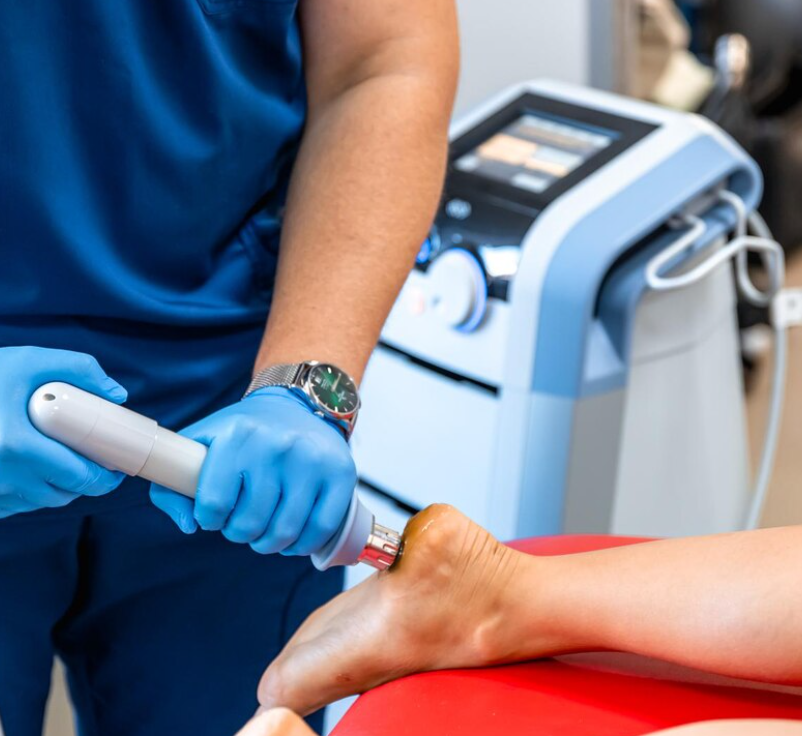
Despite the name, shockwave therapy does not involve electrical shocks. Instead, a handheld applicator delivers high energy acoustic pressure waves directly into painful or degenerated tissue. Ultrasound gel is used to help propagate the waves into the right area. These waves create micro tears at the site, stimulating a fresh cellular healing response.
When chronic injuries fail to heal properly, the body often enters a state of low level, constant inflammation with poor local blood supply and disorganized collagen fibers. As a result, the new wave triggered by the shockwave can help your body overcome this obstacle.
What are the benefits of shockwave therapy?
Shockwave is very versatile and can be used in many different cases. Below are the mechanisms through which shockwave can assist:
- Stimulates new blood flow: Encourages the formation of new blood vessels, bringing oxygen and nutrients to injured areas
- Accelerates collagen synthesis: Prompts cells to produce new, organized collagen fibers that strengthen damaged tissues
- Desensitizes pain receptors: Overstimulates local nerve endings and alters neurotransmitter flow, providing pain relief
- Breaks down calcification and scar tissue: Helps break up stubborn calcium deposits or excessive scar tissue formations
What chronic conditions are treatable with shockwave therapy?
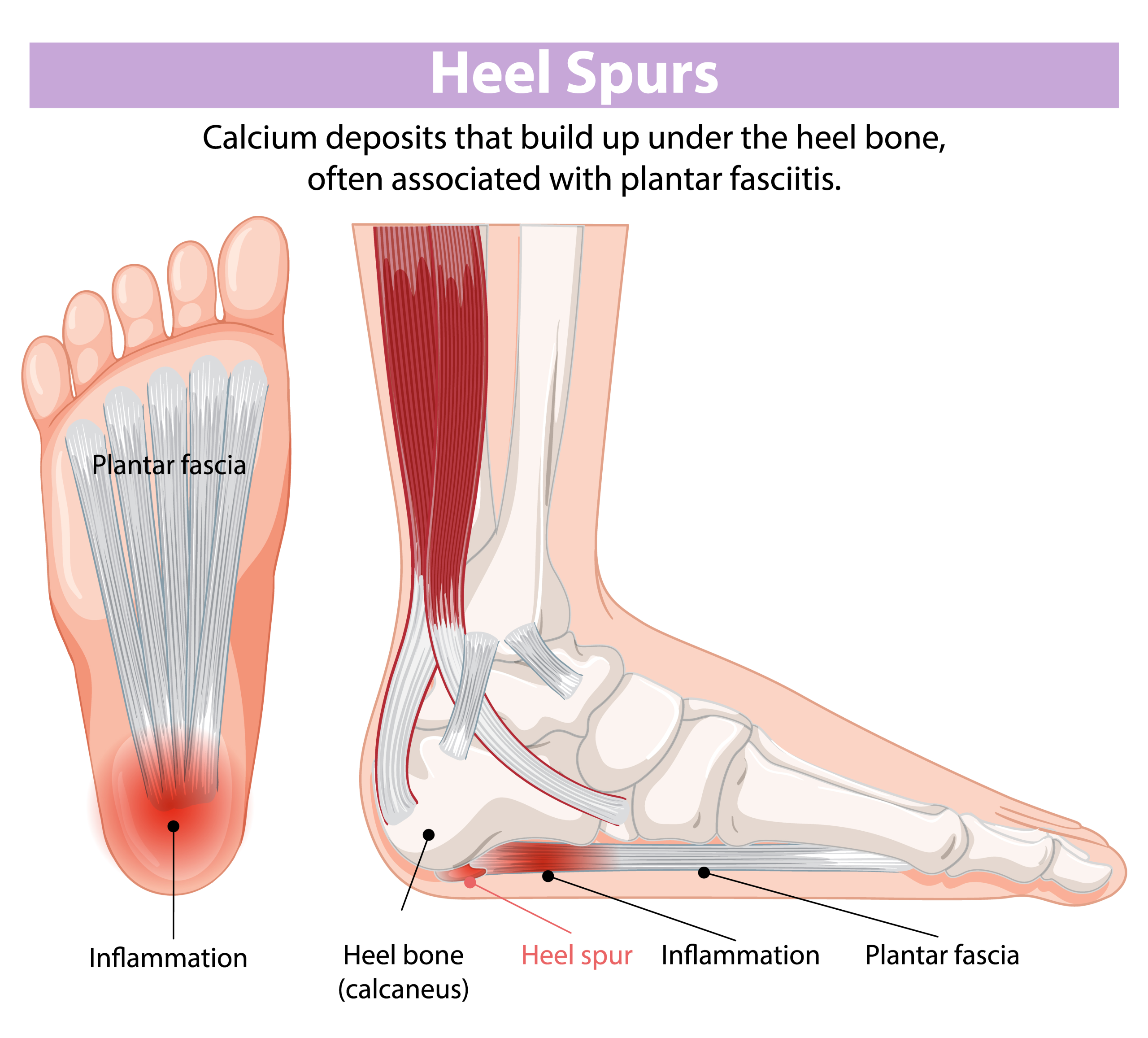
Shockwave therapy is particularly effective for stubborn musculoskeletal conditions that have lasted longer than ~3 months. This is not a complete list but the most common and well-supported conditions are:
- Plantar fasciitis
- Heel spurs
- Calcific tendinopathies (where imaging shows a calcium deposit in the tissue)
- Achilles, rotator cuff, patellar and other tendinopathies
- Tennis and golfer’s elbow
- Scar tissue adhesions
It is important to note that acute conditions are not recommended to be treated with shockwave therapy. We do not want to disrupt the natural healing of the body in the early stages and will likely irritate the injury. Additionally, shockwave therapy is meant to be used as an adjunct to physiotherapy, not a standalone. As with most cases, a well developed plan including home exercises is needed for the best recovery outcomes.
What should I expect during a shockwave session?
As mentioned, shockwave therapy is usually integrated directly into a comprehensive physiotherapy treatment plan rather than used in isolation. Your Physiotherapist will determine appropriateness for shockwave and whether it would benefit your condition.
- Physiotherapy assessment: First, your physiotherapist needs to evaluates your biomechanics, tissue load tolerance, and medical history to confirm that shockwave therapy is safe and appropriate for your condition.
- Informed consent: Next, they will explain the pros and cons of treatment. Unlike other forms of therapies like ultrasound or electrotherapy, shockwave therapy has more discomfort. Redness, swelling, tenderness, bruising, and mild pain are all potential and normal side effects of the treatment. Once you understand, they will ask whether you want to participate still.
- Shockwave treatment (5–10 Minutes): Ultrasound gel is applied to the treatment area to transmit the acoustic waves efficiently. Your physiotherapist moves the applicator over the injured tissue, adjusting frequency and intensity to your comfort level. You will feel a rapid tapping or pulsing sensation. Remember, mild to moderate discomfort is normal throughout and after the process.
- Treatment plan: Because shockwave stimulates tissue remodeling, it must be paired with other Physiotherapy treatments. This can include manual therapy, strengthening and load management to ensure the new tissue heals strong and resilient.
Most patients require 3 to 6 sessions, spaced roughly 5 to 7 days apart, to give the body time to complete each phase of cellular repair. Benefits such as reduced pain may occur after just the first or second visit, with continued benefits over further sessions.
When can someone not have shockwave?
Shockwave therapy is safe, non-invasive and requires no downtime or medication. However, it can’t be used if you:
- Are pregnant
- Have a blood clotting disorder or take high-dose anticoagulant medications
- Have received a corticosteroid injection in the same area within the past 6 weeks
- Have an active infection, open wound, or tumor near the treatment site
- Have a pacemaker in the immediate treatment region
Looking for help with chronic pain?
Look for PhysioNow! Even if you’ve had the pain for a long time, there is still help and hope! With 10 locations across the West GTA, including Burlington, Oakville, Mississauga, and Etobicoke, there’s a PhysioNow clinic near you. Book with PhysioNow today!
For more information, call us at 289-724-0448.

