
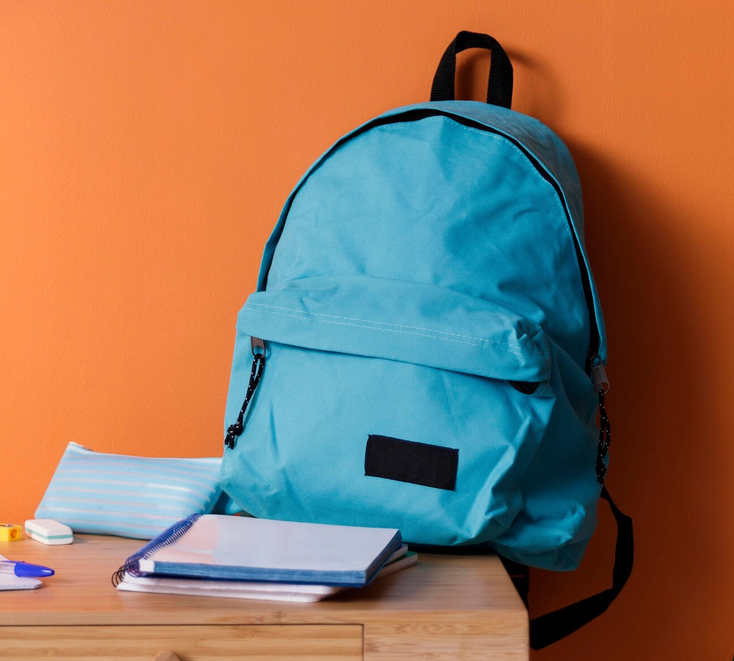
As our children head back to school, the backpack becomes a source of many complaints. Filled to the brim with textbooks, water bottles, laptops, and lunches, backpacks can put a lot of stress on the neck, shoulders and back. As Physiotherapists, it is a common issue we see causing postural fatigue and spinal strain. Thankfully, it can easily be alleviated through treatment and some modifications. Here’s what you and your child should know about backpacks and how to resolve their pain.
Can backpacks affect their posture?
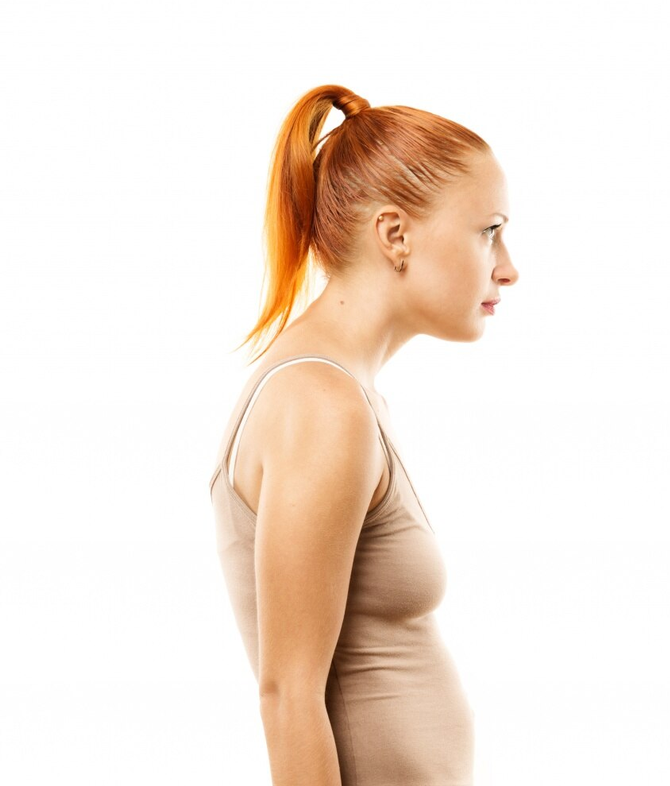
While our children are still growing and their bodies are adapting, they can experience many of the same muscle aches and postural dysfunctions that adults can. When a backpack is too heavy or worn improperly, it can lead to postural compensations such as:
- Forward head posture
- Rounded shoulders
- Increased lordosis (lower back arching)
- Asymmetry into the spine (temporary, not scoliosis but can mimic it)
While these effects start off as just temporary, with continued wear throughout the year, they can develop into pain and persistent postural habits.
What should we look for in a backpack?
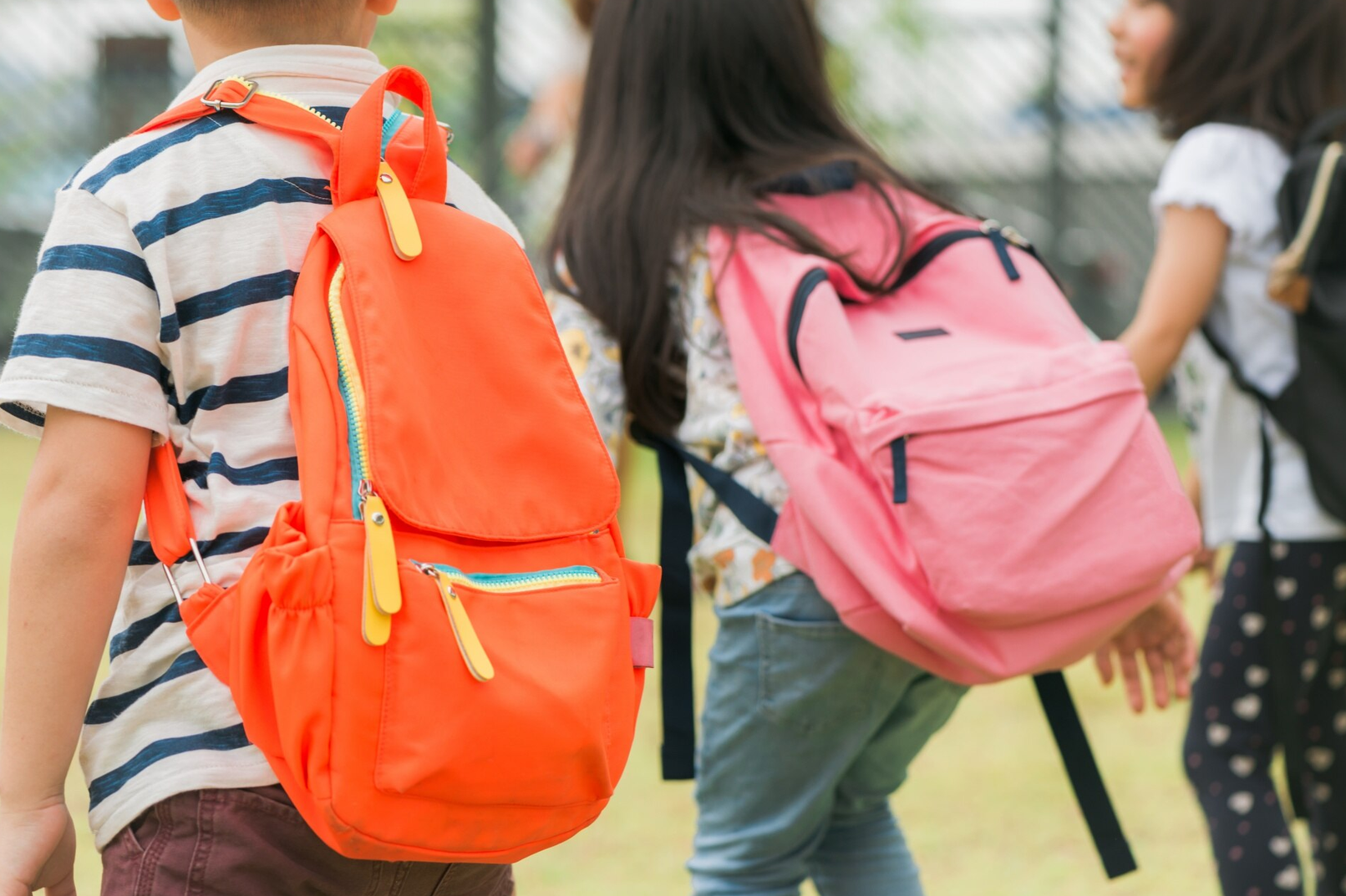
- Correct size: Bigger is not always the best. An oversized backpack can lead to improper weight distribution. The bottom of the backpack should never be more than 4 inches below the waistline. Generally, it should fit from just below the shoulders to about the waist level.
- Padding: Padding along the straps and the back will increase comfort. The back should stay as close to your child’s back as possible to minimize the amount of weight they feel dragging them down
- Waist belt and/or chest strap: These are some of the best weight distribution tools to have. There is a reason hiking backpacks all have straps. When all of the weight hangs just on the shoulders, it’s a quick journey to pain from overuse. These let the weight rest more across the chest or hips, giving the shoulders a break
- Compartments: This will help you pack their items in an ergonomic fashion. Having too much weight on one side of the bag can really affect how it feels to wear, biasing one shoulder. Try to spread it out as evenly as possible
- Rolling backpack (optional): For some, the best option may be to just offload the back completely and go for a rolling backpack with a handle (similar to a suitcase).
How do I know if their bag is too heavy and causing backpack pain?
Recommendations from pediatric organisations state that the backpack weight should be no more than 10-15% of your child’s body weight. Additionally, if they have to lean forwards to support the weight of the backpack, whether they’re bending from the waist or hunching forwards, the backpack is too heavy. Either that, or the straps need to be adjusted to bring the backpack closer to the body. Finally, listen to your child! They will speak if they are experiencing discomfort, and it’s always easier to fix a problem earlier on.
Over time, these compensations can cause musculoskeletal issues including neck, back or shoulder pain, strains, spasms, and stiffness. Combined with the often forwards leaning posture in schools when studying, writing, and reading, these pains are quite common in the student population.
How can physiotherapy help with backpack pain?
Physiotherapists are experts at relieving tight muscles, restoring mobility, and strengthening the body. Your Physiotherapist can perform an assessment to determine the cause of your child’s pain and create an individualise plan to help them recover. An example of some treatments can include:
- Manual therapy – including soft tissue release, massage techniques, joint mobilizations and more
- Postural exercises
- Muscular strengthening
- Mobility exercises
- Education on ergonomics
- Backpack fittings
For example, some great postural exercises to do are called chin tucks. These help to reverse the forward head posture that we spend a lot of time in, keeping the head aligned with the spine. They are a great mobility and strength exercises for the neck.
Is your child asking for help with neck, back, or shoulder pain?
Look for PhysioNow! We offer pediatric physiotherapy across all stages of youth from newborn to adolescence. Don’t let your child’s pain get in their way of school, sports, and extracurriculars, book their first assessment and treatment with PhysioNow today! We offer 1 on 1 treatment at 10 locations across the west GTA including Burlington, Oakville, Mississauga, and Etobicoke!