Physio, chiro, osteo… if you’ve ever had a sore back or a stiff neck, chances are someone has told you to go see one of them. But which one? Do they all do the same thing? Will your insurance cover it? If you’ve never had experience with them before, you’re bound to have a lot of questions.
We hear these questions all the time at PhysioNow. All three professions use hands-on care to help with pain and movement, so it’s easy to see why people mix them up. But there are real differences in philosophies and treatment style, especially here in Ontario. Here’s a simple breakdown to help you choose the right care for you.
Are they all different?
Yes, each profession has a slightly different area of focus and techniques, though they may overlap in some areas.
- Physiotherapy: Focuses on restoring movement and function through exercise, hands-on therapy, and education. Physios treat the whole body, from sports injuries and surgery recovery to concussion, dizziness, and arthritis
- Chiropractic: Focuses mainly on the spine, joints, and nervous system. Chiropractors are best known for spinal adjustments
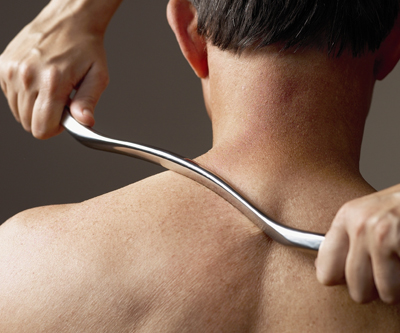
- Manual osteopathy: A gentle, hands-on approach that looks at how the whole body works together, using techniques like soft tissue work, joint articulation, and muscle energy techniques
What is physiotherapy?
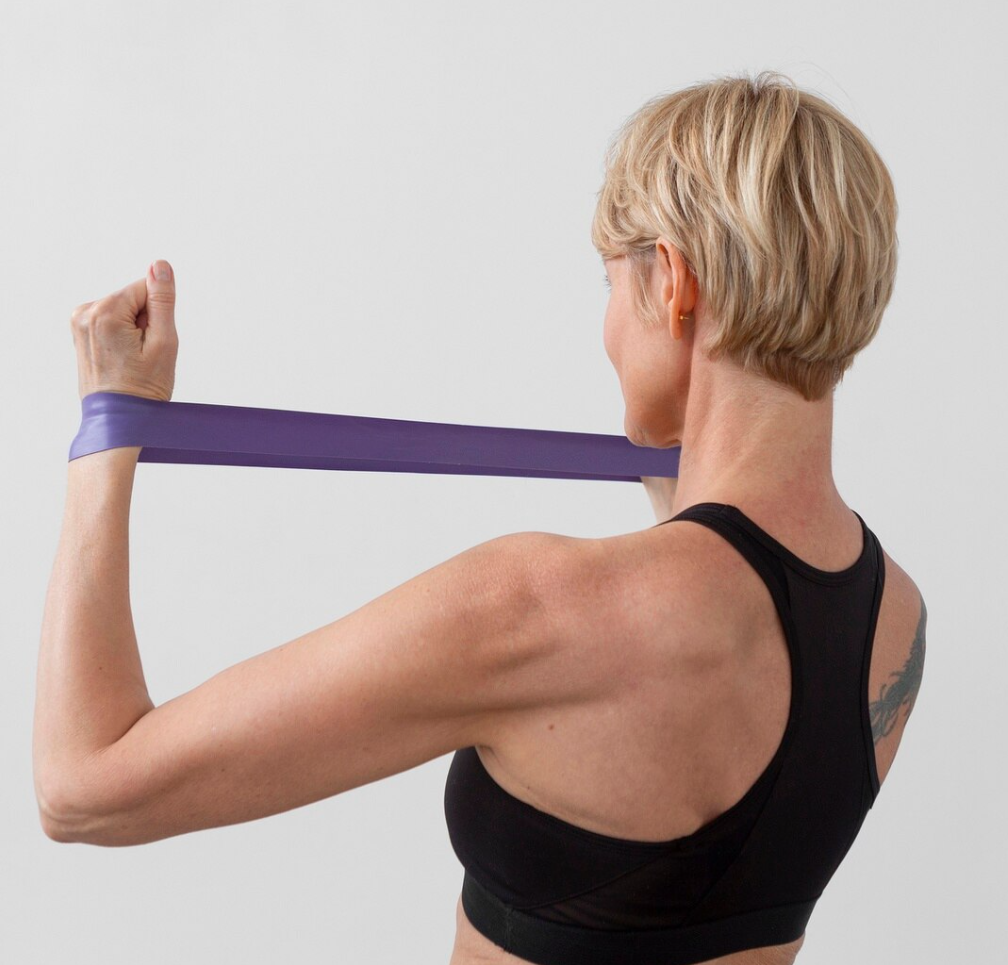
Physiotherapists are movement experts. A physio will assess how you move, figure out what’s driving your pain, and build a plan to get you back to the things you love. Treatment for physiotherapy usually combines:
- Exercise therapy: Targeted strength, mobility, and balance exercises that you continue at home
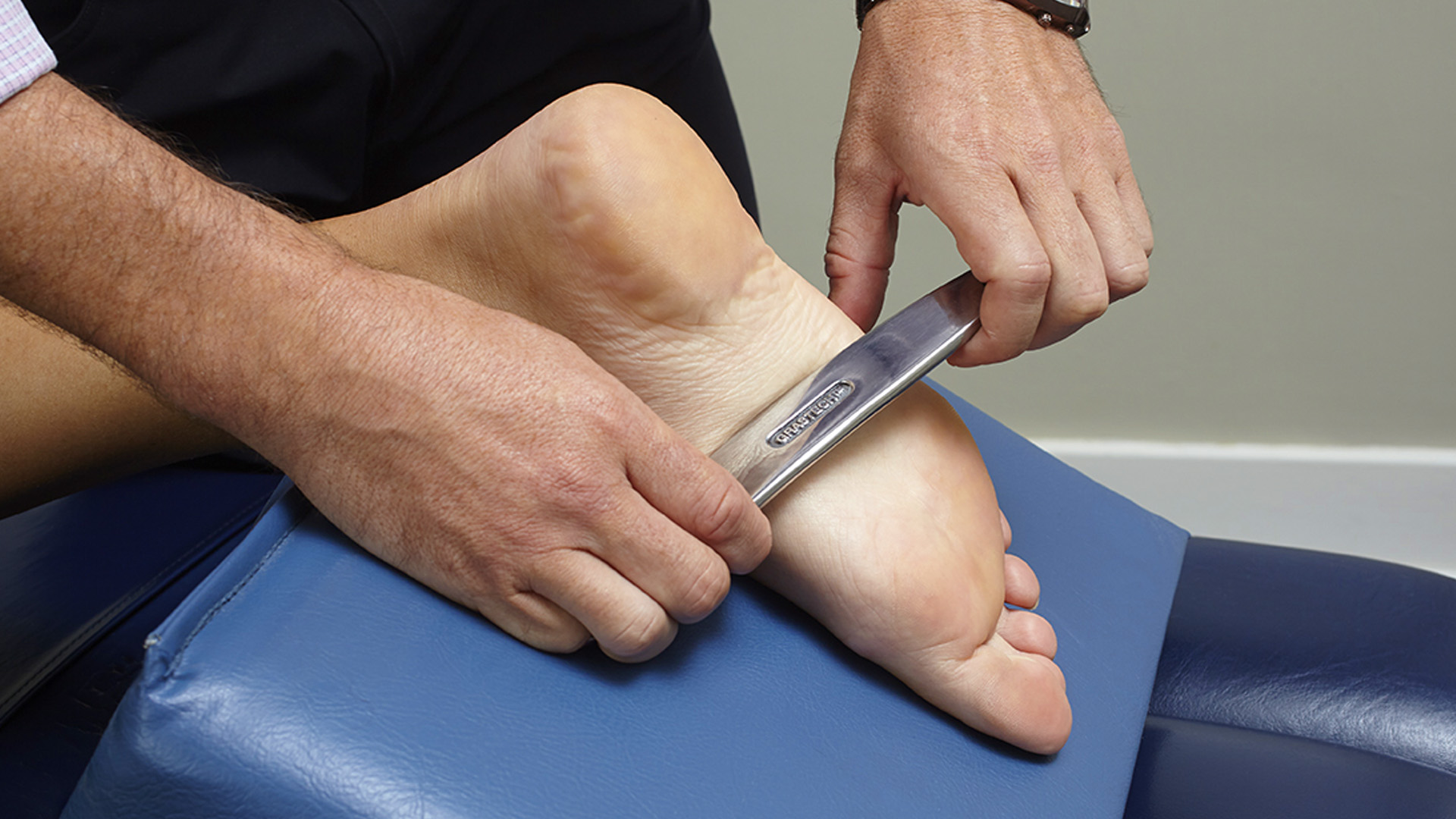
- Manual therapy: Hands-on joint mobilization and soft tissue work to ease pain and stiffness
- Education: Understanding your injury, how to manage flare-ups, and how to stop it from coming back
- Other tools: Depending on your physio’s training, this may include acupuncture and/or dry needling, shockwave therapy, electrotherapy, taping and more
In Ontario, physiotherapy is a regulated health profession. Physiotherapists complete a master’s degree, pass national licensing exams, and must be registered with the College of Physiotherapists of Ontario. Only registered members can use the title “Physiotherapist” or “PT.” Physios with additional training who are rostered with the College can also perform spinal manipulation (like the chiropractic adjustments) and acupuncture.
Physio is a great fit for sports injuries, rehab after surgery (like an ACL reconstruction or joint replacement), concussion and dizziness, arthritis, pelvic health, work and car accident injury recovery, or even preventative care.
What is chiropractic care?

Chiropractors focus on the musculoskeletal system, especially the spine, and how it relates to the nervous system. The treatment most people know them for is the spinal adjustment where a quick, controlled thrust is applied to a joint that often comes with a “pop.” Many chiropractors also use soft tissue therapy, exercise, and advice/education on posture and activity.
Chiropractic care is also a regulated profession in Ontario. Chiropractors complete at least three years of university followed by a four-year Doctor of Chiropractic program, and they must be registered with the College of Chiropractors of Ontario. Because of their degree, chiropractors use the title “Dr.”, but they are not to be confused with medical doctors.
People often see a chiropractor for neck and back pain, especially acutely, headaches or migraines, or if they’ve found adjustments helpful in the past.
What is manual osteopathy?

Manual osteopathy is a gentle, hands-on therapy built on the idea that the body works as one unit and that its structure and function are closely linked. Instead of only treating the sore spot, a manual osteopath looks at your posture, movement, and the areas around your pain. Common techniques include:
- Articulation: Slow, rhythmic joint movements that are gentler than a chiropractic adjustment
- Muscle energy techniques: You gently contract a muscle against light resistance to help it relax and lengthen
- Soft tissue and myofascial release: Hands-on work to ease muscle tension and tightness
- Cranial and visceral techniques: Very light-touch techniques that some practitioners use
In Ontario, “manual osteopaths” are not to be confused with “osteopaths” which is a title restricted to osteopathic physicians, who are medical doctors (MDs) regulated by the College of Physicians and Surgeons of Ontario. Instead, you will see titles like “manual osteopath” or “osteopathic manual practitioner,” along with credentials such as a Diploma in Osteopathic Manual Practice (DOMP). Many manual osteopaths are also registered in another profession, and are massage therapists, kinesiologists, or physiotherapists.
Manual osteopathy can be a good fit if you prefer gentle treatment without quick thrusts, or if you’re dealing with ongoing tension, posture-related aches, or other systemic issues.
Physiotherapy vs chiropractic vs manual osteopathy
| Physiotherapy | Chiropractic | Manual Osteopathy | |
|---|---|---|---|
| Main focus | Restore physical function, strength, and mobility | Optimize spine and joint alignment | Whole-body structure and function |
| Typical treatment | Spinal/joint mobilizations, soft tissue work, needling and manipulations (extra training), exercises, modalities | Spinal adjustments, soft tissue work, exercise, needling, exercises, modalities | Spinal/joint mobilizations, soft tissue work, cranial therapy, visceral manipulation |
| Level of discomfort | Mild to moderate Soreness during or after from exercises and manual work | Mild to moderate Soreness during or after from adjustments and other manual work | Minimal |
| Regulated in Ontario? | Yes: College of Physiotherapists of Ontario | Yes: College of Chiropractors of Ontario | No |
| Sessions required | 4 – 8+ Sessions 1-2x/wk Less frequent sessions as home exercise independence builds | 4 – 10+ Sessions 1-2x/wk More frequent initial visits tapering to maintenance/as needed | 3 – 6 Sessions Maximum 1x/wk Typically spaced 1-3 weeks apart to allow systemic integration |
| Extended health benefits | Commonly covered | Commonly covered | Covered by many plans; check yours |
| Common reasons to visit | Sports, work, general injuries (strains, sprains, tears, overuse injuries) Post-surgical rehab Concussion rehab Vestibular rehab | Rapid joint relief (acute locked back/neck) Joint stiffness Spinal alignment issues Mechanical headaches | Chronic and complex health histories Chronic generalized tension Preference for gentle treatment/sensitivity to forceful adjustments |
Will my insurance cover it?
Yes, most insurances these days have coverage for physiotherapy, chiropractic care, and manual osteopathy. Each individual plan is different with some people receiving separate coverage for each, while some receive a pooled amount. It is worthwhile checking with your insurance first to check referral requirements (if a doctor’s note is needed for reimbursement), the total amount covered, and the max amount covered per session. Additionally, PhysioNow offers direct billing for these services.
If you’ve been hurt at work or in a car accident, physiotherapy is often covered through WSIB or your auto insurance claim.
So, which one should I see?
There’s a lot of overlap between these professions, and the right choice depends on your problem, your goals, and what kind of treatment you’re comfortable with. As a general guide:
- Choose physiotherapy if: You’ve had a sports injury, surgery, concussion, or fall, you want an active, exercise-based plan, or you have a work or car accident claim
- Consider chiropractic if: Your main concern is neck or back pain and you’ve found spinal adjustments helpful before
- Consider manual osteopathy if: You’d like a holistic, whole body approach, or you prefer gentle hands on treatment
You don’t always have to choose just one, either. Many of our patients see multiple practitioners, combining active physio programs with hands-on manual osteopathy. Our providers work in collaboration to ensure that you get the best treatment possible.
Looking for more help?
Look for PhysioNow! We offer both physiotherapy and manual osteopathy, so our team can help you find the approach that fits your needs, or a combination of the 2! With 10 locations across the West GTA, including Burlington, Oakville, Mississauga, and Etobicoke, there’s a PhysioNow clinic near you. Book with PhysioNow today!
For more information, call us at 905-277-1782.