Tag Archives: Sports Injury

Turf Toe: Recovering From Your Sports Injury

What is turf toe?

Foot Pain Treatment Mississauga

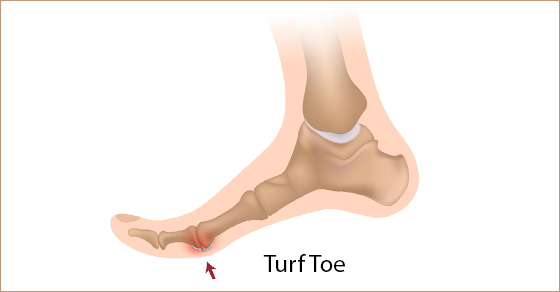
Turf toe is a type of sports injury that occurs in athletes with a lot of pushing off or changes in direction in their sport. Anatomically, turf toe is a hyperextension injury of the joint of the big toe. Essentially, the toe is forced past its normal range of motion. Unfortunately, this results in injury of the joint and tissues around it.

How does it happen?

The big toe is one of the most important joints for generating speed and power in our lower body. When we land on or push off from a surface, the big toe is often the first or last point of contact. As a result, it undergoes a high amount of force. Injury can happen due to:

Turf toe
Some studies found a higher incidence of turf toe with players who played on artificial turf
  • Sports with quick starts/stops and changes in direction: This happens in a lot of sports like basketball, football, soccer, lacrosse, field hockey, and more.
  • Inappropriate footwear: Having a pair of ill-fitting or overly flexible shoes can increase the risk of the toe being hyperextended
  • Type of terrain/playing surface: The name turf toe comes from increased chance of this injury occurring when playing on artificial turf.

What are the signs and symptoms?

  • Pain around the big toe
  • Big toe joint is sore and tender to the touch
  • Pain with movement of the big toe or with pressure on it
  • Joint may be swollen, red, bruised
  • Difficulty walking or running

How is it treated?

In the acute stages, turf toe can be treated with the RICE principle and it is recommended and safe to start sports physiotherapy as soon as possible.

  1. RICE
    • Rest: Modify your activities to include less weightbearing and avoid putting pressure on the joint as much as possible to give the joint time to heal
    • Ice: For 24-48 hours after the injury, applying ice can help manage the pain, swelling, and inflammation in the area
    • Compression: Applying compression to the injured toe can help limit the swelling in the joint.
    • Elevation: Keeping the foot elevated as much as possible will help stop fluids from pooling in the leg and creating uncomfortable amounts of swelling
  2. Sports physiotherapy
    • Physiotherapy is an essential part of getting you back to your sport as soon as possible and as safe as possible.
    • Modalities: For example, ultrasound, cryotherapy, laser therapy, or electrotherapy may be used to help with tissue healing, inflammation, and pain relief.
    • Manual Therapy: Your physiotherapist may use manual techniques like joint mobilizations, massage and more to help reduce stiffness, increase your range of motion, and reduce pain.
    • Exercises: Eventually, when your joint has healed enough you can start exercises. Your physiotherapist will help you determine an appropriate place to start. Additionally, they will tailor the exercises to your specific sport, and assess your movements to see if there are any deviations that may be increasing your risk of injury.
    • Back to play advice: Your physiotherapist will give you suggestions on how to go back to your sport safely. For example, you will not be able to jump back into play 100% at first, it may start by having you attend some shorter practices before eventually playing in some games.

Need help?

If you are experiencing a turf toe or any other kind of injury, look for PhysioNow! With locations across the GTA from Burlington, Oakville, Mississauga and Etobicoke, our expert physiotherapists are at your service. Book with PhysioNow today for your first assessment and treatment.

Marathon Training: 8 Tips to Keep You Injury-Free

So you’ve decided to be part of the 1% that completes a marathon, an incredible achievement! Training for a marathon is demanding on both your physical endurance and mental resilience. One of the most common dangers comes from experiencing a sports injury during your training. This could be overuse injuries, strains, sprains, and more. Ultimately, these can hinder your progress and even affect you on race day itself. To help you keep your body as healthy as possible, here are some essential tips to avoid sports injuries while training for a marathon:

1. Start Slow and Build Gradually

  • Tip: Avoid the temptation to ramp up your mileage too quickly. Gradually increase your weekly mileage, and it is best to follow a structured program to avoid overtraining.
  • Why: Rapid increases in mileage or intensity are the most common cause of overuse injuries such as stress fractures, tendinitis, shin splints and more. Your body needs time to recover and adapt to the new loads you are placing on it.

2. Listen to Your Body

  • Tip: Pay attention to any signs of pain, discomfort, or fatigue. Don’t ignore persistent pain or push through it, it’s a sign that something may be wrong and need attention
  • Why: Ignoring pain or pushing through discomfort can make injuries and lead to longer recovery times. Additionally, addressing it early can save you weeks of pain and frustration.

3. Warm Up and Cool Down Properly

  • Tip: Always start your runs with a dynamic warm-up to increase blood flow and flexibility in your muscles. After your run, perform some stretches and easy mobility movements to cool down and improve flexibility.
  • Why: Proper warm-up and cool-down routines reduce the risk of muscle strains and improve overall flexibility and range of motion.

4. Implement Cross-Training

  • Tip: Incorporate strength, mobility, agility and other exercises into your routine. Cross-training activities like swimming, rowing, or cycling can your running muscles a break.
  • Why: Strengthening supporting muscles and varying your workouts helps prevent overuse injuries while still improving overall cardiovascular fitness

5. Good Footwear

  • Tip: Wear proper running shoes that fit well, are comfortable, and support your foot.  Replace your shoes regularly as they wear out.
  • Why: Ill-fitting shoes or worn-out gear can lead to foot injuries, shin splints, and other issues that may impact your training.

6. Stay Hydrated and Eat Well

  • Tip: Hydrate properly before, during, and after your runs. Maintain a balanced diet that supports your training regimen, including adequate protein and carbohydrates.
  • Why: Your body is burning a lot more energy now and needs the proper fuel to function at its peak performance

7. Rest and Recovery

  • Tip: Schedule rest days into your training plan to allow your body to recover and repair. Incorporate some deloading or lighter weeks to prevent burnout and overtraining.
  • Why: Rest is essential for muscle repair and growth. Overtraining increases the risk of injuries and can compromise your overall performance.

8. Seek Professional Guidance

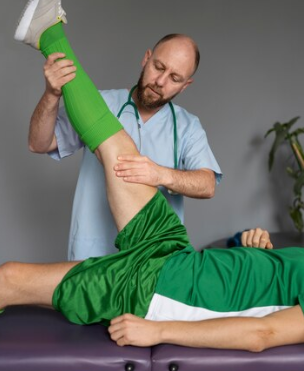
Physiotherapists and can assist with sports injuries

  • Tip: If you’re new to running or have specific concerns about your training, consider consulting a professional like a physiotherapist.
  • Why: Professional guidance can help you develop a personalized training plan, correct your form, and address any underlying or current issues.

By following these strategies, you can reduce the risk of sports injuries and increase your chances of crossing the marathon finish line! If you are experiencing some pain while running, look for PhysioNow. We have many expert physiotherapists that would be happy to help you with your sports injury. Book with PhysioNow today for your first assessment and treatment. Happy running!

ACL Injury to knee

Torn Meniscus: What to do Next

What is a torn meniscus?

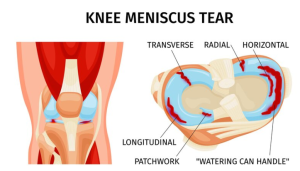
Torn meniscus types Different types of meniscal tears, depending on location and orientation

The meniscus is a C shaped fibrocartilage in our knee joints, located between the tibia and femur. Importantly, they work as shock absorbers for the knee joint. Our knees are weightbearing joints and as a result, must withstand a lot of force. On each side of our body, we have one meniscus on the inside (medial), and one on the outside (lateral). Unfortunately, the medial meniscus tear is more common torn. Especially, in individuals who play contact sports and high impact sports.

How does a torn meniscus happen?

Usually, meniscal tears are traumatic, you can pinpoint the moment in time that the injury occurred. However, in rarer cases they can be insidious and feel like they happen without your knowledge. One of the main methods of injury are sports, a forceful direct impact or a sudden twist while foot is planted on the ground. Additionally, the incidence rate of meniscus injuries increases with age.

What are the risk factors?

  • Overuse
  • Osteoarthritis (OA)
  • Obesity
  • Age
  • ACL injury
  • Previous knee injuries, especially if they were traumatic

Signs and Symptoms:

It is important to note that meniscal tears often happen in conjunction with other knee injuries such as ligament strains/sprains. As a result, the symptoms often overlap with other each other.

  • Decreased and painful range of motion
  • Knee feels like it will give out
  • Popping sensation at the time of injury
  • Joint swelling
  • Crepitus
  • Locking in knee
  • Pain around knee joint
  • Stiffness
  • Antalgic gait ex. limping
  • Pain increases with weightbearing activity like walking, stairs and squats

Diagnosis:

After taking a detailed history about the pain and injury history, your health care practitioner will conduct a physical examination for your knees.  They will check your range of motion, strength, integrity of the joints, check your sensation, balance, and more. Then, they might send you for further investigations like x-rays, ultrasound or MRI if they think it is warranted.

Physiotherapy Treatment for a Torn Meniscus

Torn meniscus physiotherapy

Oftentimes, people think that meniscal injuries will heal over time on their own. In reality, the recovery process purely depends on the type and severity of the injury and symptoms being experienced. It is always recommended to be seen by a health care professional and undergo physical therapy to rehabilitate your knee after an injury. Ultimately, this will ensure your knee gets the proper care it needs and nothing severe will be missed.

1. RICE Protocol

  • Rest: First, let the injured knee rest by putting less weight/pressure on it
  • Ice: Additionally, use an icepack around your knees several times a day for 15-20 mins
  • Compression: Importantly, will help to reduce the swelling around knee joint.
  • Elevation: Lastly, rest your leg using a pillow or something similar to keep it elevated and minimize swelling

2. Protective Equipment:

Braces and crutches may be used depending on the severity of symptoms. Ultimately, they will help protect the joint and prevent the injury from worsening.3. Modalities:

3. Modalities

Modalities such as electrotherapy (IFC, TENS), ultrasound, and laser therapy may help decrease inflammation, manage pain, and help with the healing process.

4. Exercise Therapy:

As quickly as possible, we want to restore as close to normal range of motion in the knee. Then, strengthening of those muscles will make the knee stronger to resist future injuries.

  • Low impact exercises for cardiovascular training ex. biking
  • Isometrics exercises
  • Range of motion exercise
  • Stretching
  • Strengthening exercise of the joint muscles and areas around such as the hips, back and pelvic muscles:
  • Functional activity (ex. stairs, squatting, job specific tasks)
  • Balance and coordination training

5. Surgical procedure

Finally, in some severe cases, physiotherapy may not be enough to fully rehabilitate your knee, especially if the joint is being blocked by the tear. Thus, a consult with an orthopedic surgeon may be necessary to determine future treatment options for your knee. The meniscus may be able to be repaired, or you may require a partial/complete meniscectomy (removal of a part of the full meniscus).

If you are experiencing a knee pain or torn meniscus that is limiting you, look for PhysioNow! We have many experienced Physiotherapists across the GTA from Burlington to Etobicoke that can help you feel better. Book with PhysioNow today for your first assessment and treatment.

Rolled Your Ankle? 5 Exercises to Prepare it for Sports

If you have had a sprained/rolled ankle recently, you may have felt like it isn’t quite the same anymore. Usually, after an injury, there is a loss in strength and coordination of the ankle. While this may not affect you as much in your day-to-day life just walking around, you can notice a difference when you play your sport. The following are a list of 5 potential exercises that may help your ankle get back in tip-top shape!

  1. Ankle Alphabets

After an injury, the ankle loses some fibers called proprioceptors. These proprioceptors give us our sense of proprioception, which is our ability to determine where our ankle is in space. For example, whether it is facing up, down, in, out, and to what degree. As you may imagine, this proprioceptive ability is essential to sports in order for us to jump and land safely, change directions quickly, and run.

Ankle alphabets are where you use your foot to draw the alphabet from A-Z. Imagine your big toe is the tip of a pencil, and you’re writing the letters in a space in front of you. To start, you may keep the eyes open so you can see what you’re doing. However, if you’re looking for a challenge, close your eyes and try to use just the sensation from your ankle to complete this exercise. It’s more challenging than it seems!

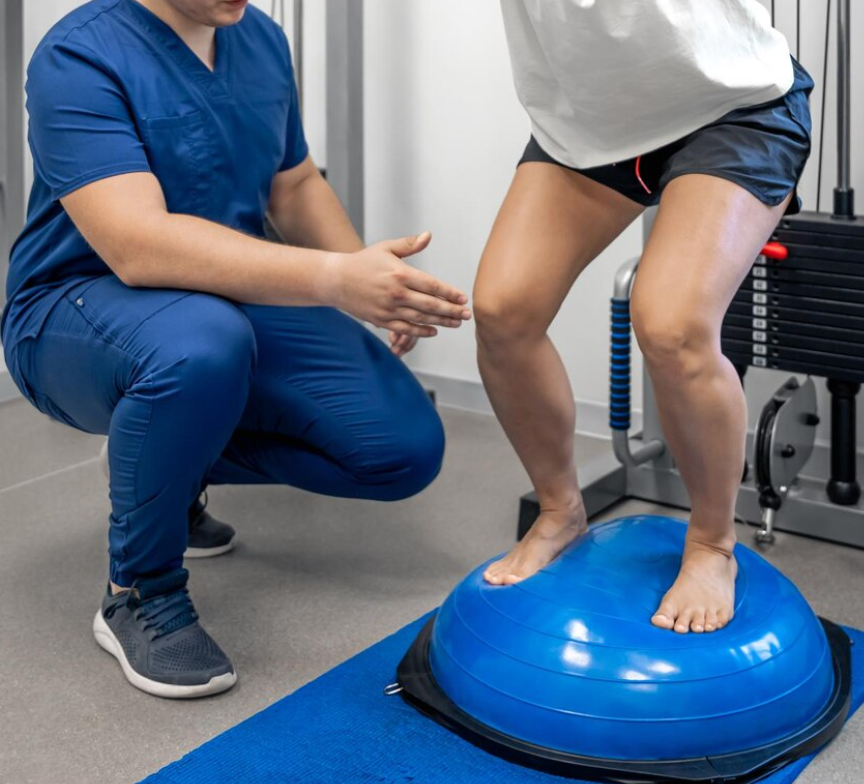
2. Balance on an unstable surface/Bosu Ball

Athlete balancing on bosu ball

Athlete balancing on a bosu ball during their ankle rehabilitation

When we’re playing sports or running, the ground is not always even footing. Subconsciously, your ankle is always making slight corrections for this. Unfortunately, after an injury your ankle may not be able to perform this as well. Ligaments are designed to prevent excessive movements of the ankle but with multiple injuries, they can become lax.  Thus, training on an unstable surface reteaches the ankle how to correct for the environment. Ultimately, this will reduce your risk of reinjury. Additionally, try adding in other challenges like catching and throwing a ball to really give yourself a workout.

3. Star Excursion Balance Test

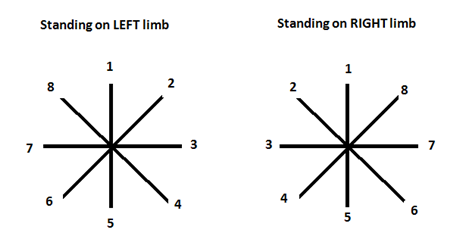
The Star Excursion Balance Test is a rehab tool for ankle dynamic balance

The athlete stands in the middle on the indicated limb, and must slide the other leg out while maintaining balance

The Star Excursion Balance Test is one of the best exercises to use with athletes and physically active individuals. It is a challenging test that can also be used as a training tool afterwards. This exercise involves the balance, postural control, and proprioceptive systems.  First, the athlete begins by standing on one leg and trying to reach out with the other leg as far as possible in the pattern (see the image). Fortunately, this exercise requires minimal to no equipment which makes it a great choice to do at home.

4. Hopping and multidirectional movements

Once you return to your sport, your ankle will need to be able to withstand forceful movements in multiple directions. Some great examples of exercises might include skater lunges, fast lunges in multiple directions, step hops, running with pivoting, or quick starts and stops etc. Ultimately, there are many options to choose from.

5. Sport specific movements!

The best way to train for your sport is through practice of that sport! For example, if you have a sport on skates, you will need to practice being on those skates again in a controlled environment. Maybe your sport requires a lot of switching directions, or kicking a ball. Make sure you practice these things first! Don’t dive back into a competitive match right away but take the time to break up your sport into some smaller skills you can practice individually.

Need help?

If you are trying to recover from an ankle injury, it is always best to get assessed by a health care professional. Here at PhysioNow we have many knowledgeable Physiotherapists that can get you started on a rehabilitation program. Book with PhysioNow today for your first assessment and treatment.