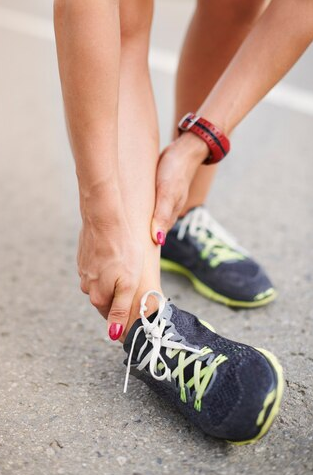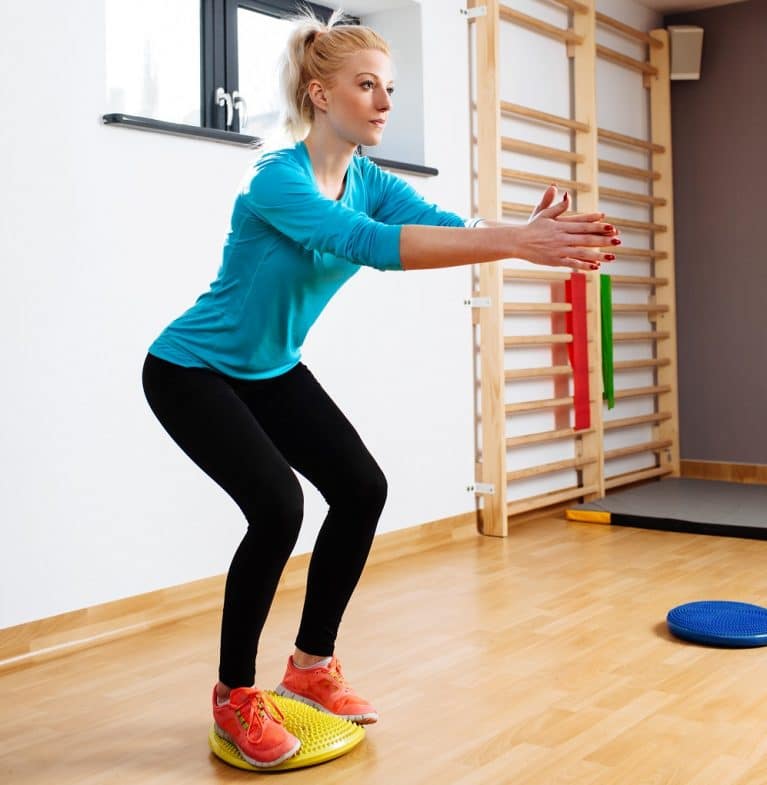

Tag Archives: Sports Injury

Running Injuries: A Physiotherapy Guide

If you’ve ever had that nagging pain during or after your runs, or if you find yourself having to change how you’re running, this guide is for you. For many of our patients that are passionate runners, it can be hard to know when to push through and when an injury might be serious. In this blog, we’ll go over the most common injuries we see, and how to overcome them. First, let’s start with how they develop.

How do running injuries develop?

Trail running is easier on the tissues due to a softer landing. With running injuries, running surfaces, combined with footwear and mileage are the biggest culprits

Running injuries are almost always a result of overloading a tissue. Whether it’s an increase in training volume, skipping too many rest days, or a muscular imbalance, when it comes down to it, one area is getting over stressed. With repetitive high impact activities like running, the body produces and has to absorb huge amounts of force over long periods of time. Without enough time to repair your body, or without training your body’s ability to deal with these forces properly, injury happens.

Our runners will often say they have:

  • Increased mileage in the past couple of weeks
  • Changed shoes
  • Changed from soft trail to hard pavement or other surfaces
  • Started a new activity/sport on the side

What kinds of running injuries can develop?

Generally, we see a lot of the same issues with runners. These are obviously structures that have to handle he most pressure with running. While not restricted to these, we see most commonly:

  • Runner’s knee (aka PFPS or patellofemoral pain syndrome)
  • Shin splints (aka MTSS or medial tibial stress syndrome)
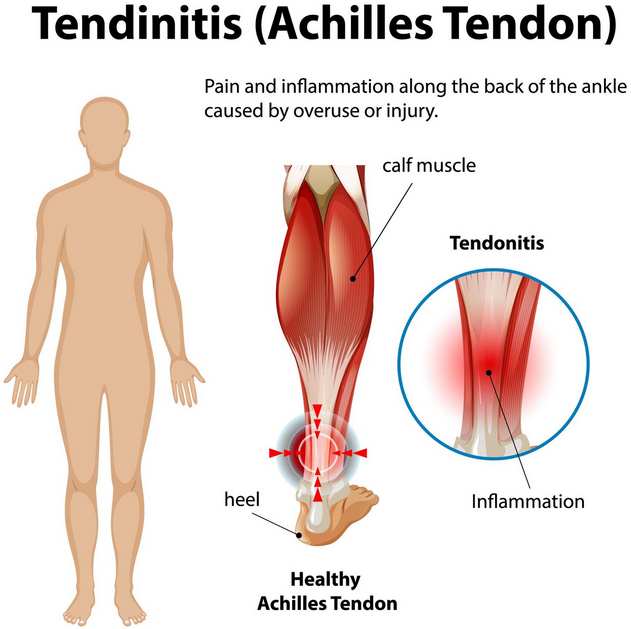
  • Achilles tendinopathy

Let’s go through a quick summary of each and what Physiotherapy rehab might look like with each one.

Runner’s knee

This feels like a dull aching pain around or beneath your kneecap. Normally, it will feel worse when going downhill or down stairs. It develops when there is an imbalance of muscles at the hip/thigh, causing an uneven pull at the knee cap. Normally our knee cap slides up and down very smoothly in the groove, but with an altered line of pull causes increased friction and irritation. Oftentimes, people with this problem have a gait pattern with the knees or feet falling in.

Your Physiotherapist will help you determine where the root cause is arising, whether it’s your run pattern, lack of foot or hip stability and control, or something else. They will give you specific strengthening exercises and help you correct your running form if needed.

Shin splints and stress fractures

This feels like a throbbing aching pain along the inner edge of your shin bone. Most people say they feel it when they start their run, feel better as they continue, then worse afterwards or even the next day. This condition is a continuum that starts as a more minor soft tissue injury and can progress to a stress fracture if untreated.

Shin splints management will depend on where in that continuum you currently fall. Your physiotherapist will perform some tests with you to determine whether you need to stop running for a time (if a stress fracture is present), or if it’s just soft tissue irritation. They will give you advice on how to modify your runs or how long you have to stay away for, and give you strengthening exercises in the meantime. Additionally, they will create a graded back to run plan to ensure that you can return safely with minimal complications. In the meantime, you could do some cross changing like cycling or walking as long as there is no pain.

Achilles tendinopathy

One of the strongest tendons in the body, our Achilles bears the brunt any kind of jumping impact. This feels like a pain in the heel, anywhere from the bone to a few inches above it. People will complain of a warm up pain, especially worse for the first couple of steps after running, or pain whenever they land on it.

Treatment will involve a full assessment on the lower body to determine if it being brought on by a different issue in the body. Otherwise, modification of your current run habits and tendon retraining involving heavy slow resistance is the gold standard. Your physiotherapist will guide you on the proper place to start to not irritate the tendon, and help you create a safe running plan. This might look like altered mileage, more rest, walk:run intervals and more.

When do I need to see a Physiotherapist?

A little bit of muscles soreness after a workout is normal, but a pain that lasts is not. Don’t let your issues build up into a bigger one. Pain is your body’s way of alerting you to something wrong, don’t ignore it! Even if it is a more minor injury, you can recover faster with a professional’s eyes on it. Physiotherapists are experts with movement and the human body. Not only will they help you address the current issue, but give you tips and advice to prevent future injuries as well.

Running injuries are frustrating, if you’ve had an issue for a long time it is still never too late! Look for PhysioNow today. We have 10 locations across the West GTA including Burlington, Oakville, Mississauga, and Etobicoke ready to help you. Book with PhysioNow today for your first assessment and treatment for a running injury, sport injury, or pain.

Custom Knee Brace

Custom Knee Braces: Do I need one?

Custom Knee Brace

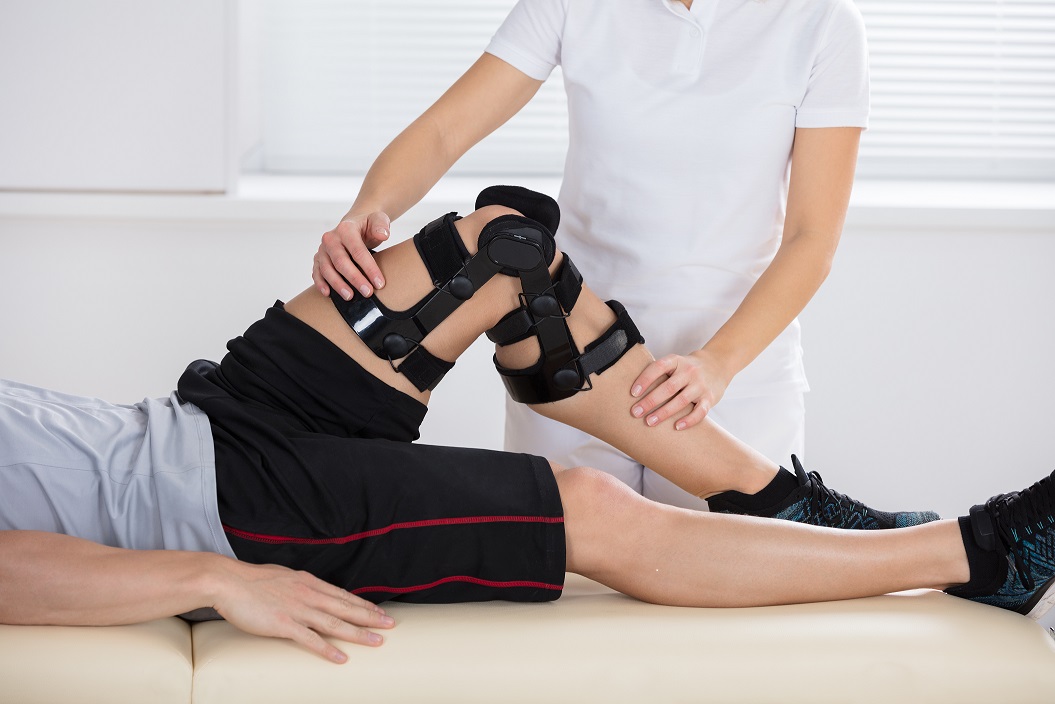
Custom Knee Braces are a helpful tool in many knee injuries and degenerative conditions. If you’ve been dealing with knee pain, then you know how frustrating and life altering it can be. You want to play sports, you want to take the stairs, you need to go get groceries, but all of these things are difficult because of your knees. In this blog, we’ll discuss who benefits from custom knee braces and how they differ from off the shelf braces (pre-made).

What is unique about a custom knee brace?

Unlike a standard brace which is made to predetermined measurements, a custom brace is made especially for you. One of our Physiotherapist will take precise measurements of different parts of your knee to fit it perfectly to your shape, providing support where you need it the most. There are also different types of custom braces, and your health care provider can help you determine which one suits you best, depending on your current situation.

Who uses custom knee braces?

Brace for ACL Injury
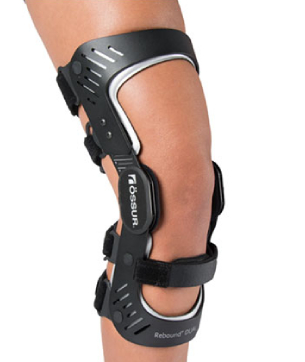
An example of an ACL brace by DonJoy, that can be made custom to fit each knee

These braces are extremely sturdy and provide lots of stability, support, and can restore function. They are used in several different areas mainly:

  • Post-surgery such as meniscal repairs
  • Relieving pain from osteoarthritis (OA)
  • Extra support during sports or physical tasks
  • Protection while awaiting surgery
  • Stabilizing the knee after a ligament tear (ACL, MCL, PCL, LCL)
  • Delay a total knee replacement surgery

For example, in OA there is often one sided pain from the joint surface wear. A special brace type called an unloader is specifically designed to shift pressure away from the affected side of the joint. In some cases, surgery may be inappropriate or more risky than desired for a patient, a brace can help them return to their activities, even sports, after a severe injury.

How do I know if I need a custom knee brace?

Most minor strains do not need custom bracing and can benefit from off the shelf versions. Working with a health care expert like a Physiotherapist during your injury can help you determine what is right for you. Some clinical signs that they may look for include:

  1. Instability: Including buckling, giving way or feeling like the joint can’t support you
  2. Have been diagnosed with knee OA, especially if severe
  3. Ligamentous laxity
  4. Limited by pain, weakness in activities of daily life or sport
  5. Awaiting a knee replacement, or want an alternative
  6. Recent surgery that needs protection

These are just a few of many things they will look at. Our Physiotherapists are trained to assess and take each individual’s unique factors into account.

Will my insurance cover it? What is the process

In Ontario, some extended health care (EHC) plans will provide coverage for medical equipment including custom knee braces. Since each plan is different, you will have to contact your provider to ask for the coverage available, oftentimes they will be given in a % amount. Additionally, most insurances will also request a physician prescription.

On the clinic side, we will arrange an assessment with a trained Physiotherapist provider to assess how you’re moving, your symptoms, your fitness level, and goals to determine which type of brace would suit you best. Then, they will take specific measurements of your leg which they will submit to the brace manufacturers. After your brace has been made, they will ship it to the clinic and we will call you to let you know. Your physiotherapist will then have you wear it in clinic and perform some movements to ensure it fits well and comfortably. Any brace adjustments needed in the future can be done free of charge for you!

Our clinic will provide you with an invoice with all information necessary needed to submit to the insurers and receive reimbursement. While we are unable to do direct billing for medical equipment, rest assured that your Physiotherapy and Massage Therapy appointments can be!

Looking for more information about braces or knee pain?

Look for PhysioNow! We are one of the west GTA’s most trusted Physiotherapists, serving the area for over 20 years. We are happy to answer any inquiries and help you get started in the process. You can find us at 10 locations across Burlington, Oakville, Mississagua and Etobicoke! Don’t let your knee pain stop you anymore, book your first assessment and treatment with PhysioNow today!

Workout Tips: Stretching vs Warm-Ups

Many people use the terms warm-up and stretching interchangeably when preparing for exercise. However, they are not the same thing and serve different purposes in preparing the body for movement. 

Understanding the difference between warming up and stretching can help improve performance, reduce injury risk, and make exercise more effective. The National Strength and Conditioning is dedicated to the research and science of athletic performance, check them out for more detailed information!

What is a warm-up?

A warm-up is a period of low-intensity activity performed before exercise or sport that prepares the body for more demanding movement.

The goal of a warm-up is to gradually increase:

  • Heart rate
  • Blood flow to muscles
  • Body temperature
  • Joint mobility
  • Nervous system readiness

By increasing circulation and muscle temperature, the body becomes more prepared to handle higher loads and faster movements.

What are examples of warm-up activities?

Common warm-up activities include:

  • Light jogging or brisk walking
  • Cycling at an easy pace
  • Arm circles and leg swings
  • Bodyweight movements such as squats or lunges

These movements might mimic the activity you are about to perform but at a lower intensity.

For example:

  • A runner may start with a slow jog
  • A hockey player may begin with light skating
  • Someone lifting weights may start with lighter sets and a brisk walk on the treadmill

Warm-ups typically last 5-10 minutes, depending on the activity and the individual. Some people choose to have longer warmups, but not everyone has that luxury of time! For most of us, 5-10 minutes to get the blood moving is more than enough.

What is stretching?

Stretching refers to exercises that lengthen muscles and connective tissues to improve or maintain flexibility.

Stretching helps improve:

  • Muscle flexibility
  • Joint range of motion
  • Muscle relaxation

There are two main types of stretching.

Static Stretching

Static stretching involves holding a stretch position for a period of time, usually between 15–30 seconds. These stretches should not induce a sharp pain, only a gentle stretch or a discomfort type of feeling.

Examples include:

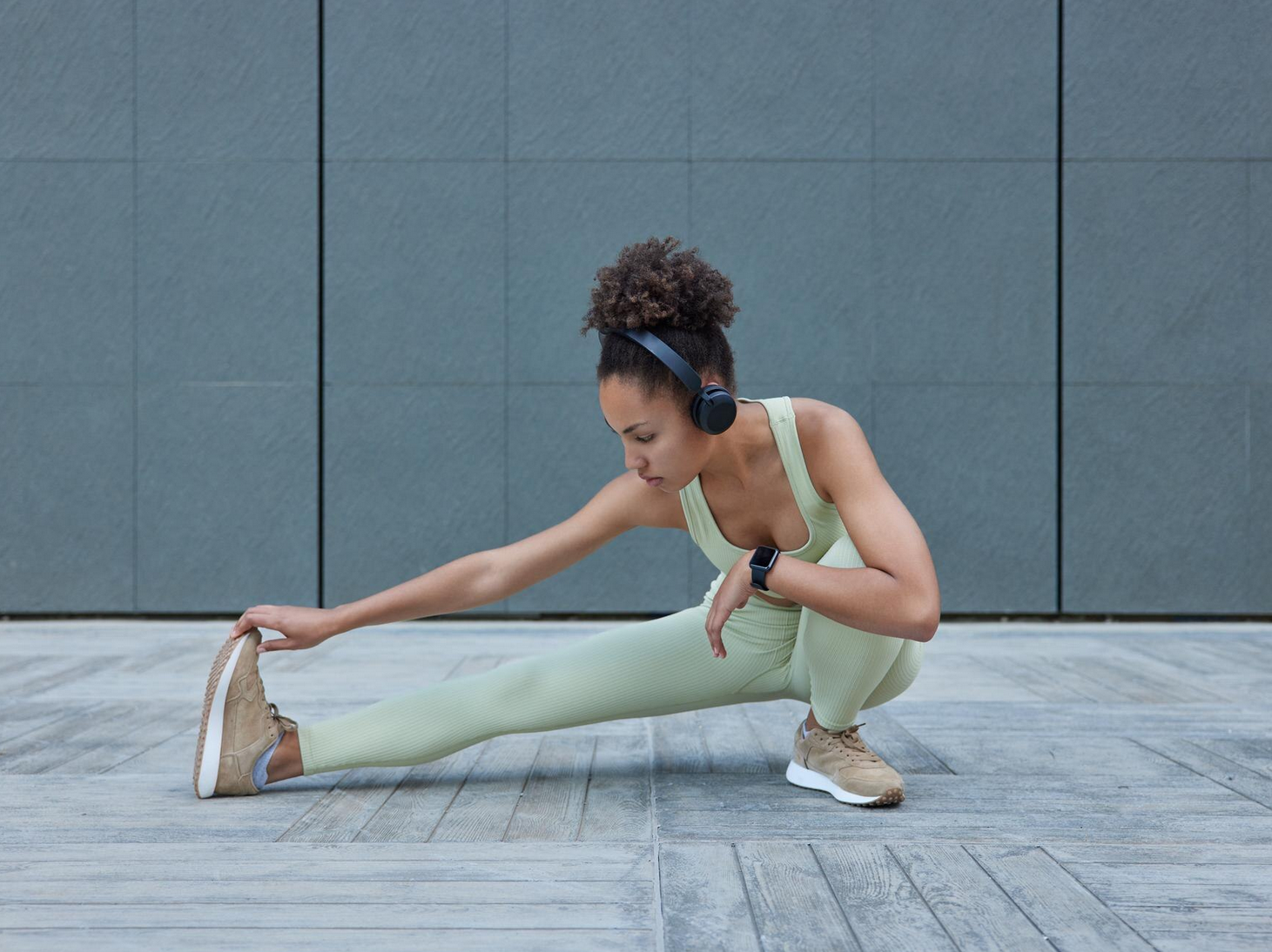
Demonstrating a held hamstring stretch with leg up on a block as an example of static stretches
This is a static hamstring stretch, where the position is held for an extended time
  • Hamstring stretch
  • Quadriceps stretch
  • Calf stretch
  • Shoulder stretch

Static stretching is most commonly recommended after exercise, when muscles are warm and more receptive to lengthening.

Dynamic Stretching

Dynamic stretching involves controlled movements through a joint’s full range of motion.

Examples include:

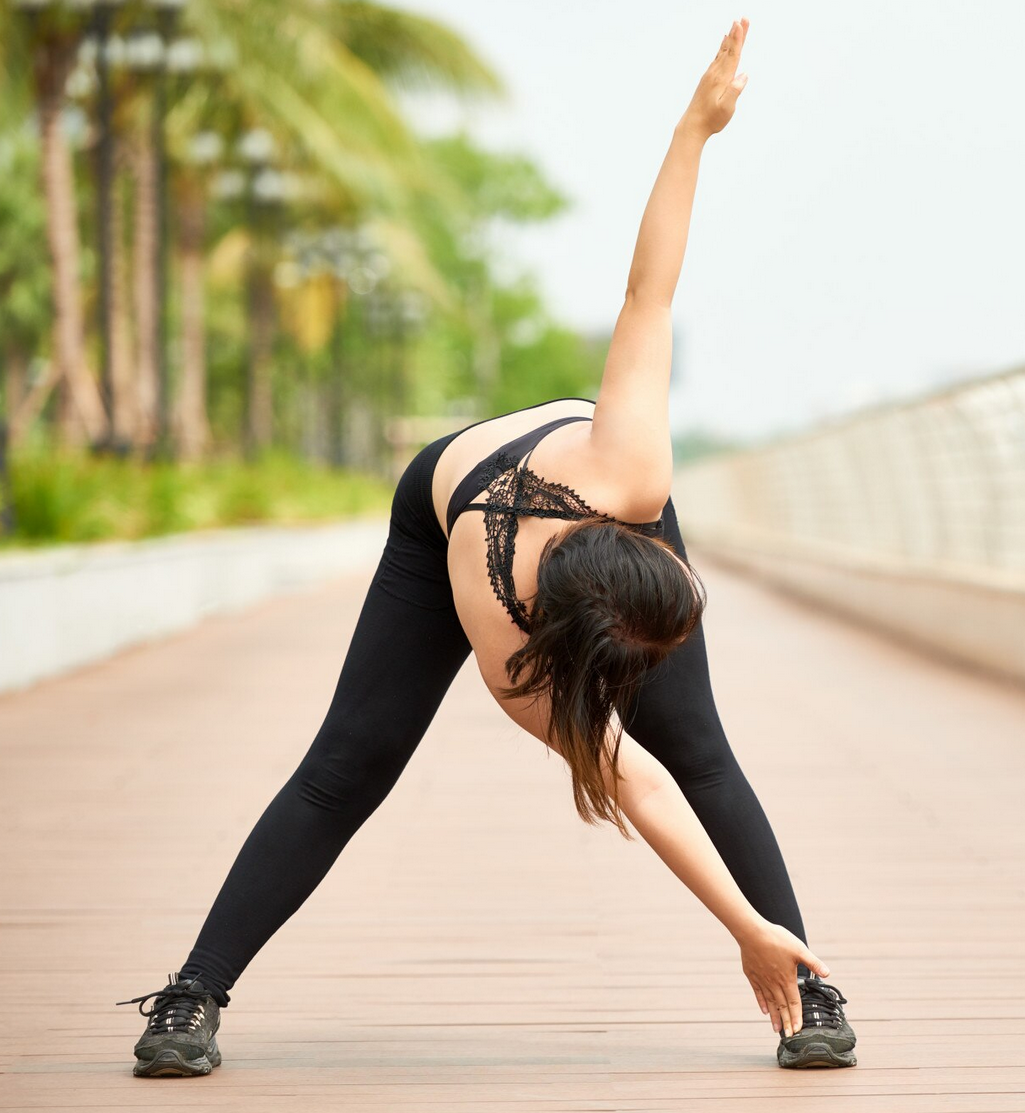
Example of a dynamic stretch of torso rotations
These torso rotations are dynamic because the person is actively moving throughout the positions instead of holding them
  • Leg swings
  • Walking lunges
  • Arm circles
  • Torso rotations

Dynamic stretching is often included as part of a warm-up, because it prepares the body for movement, increases heart rate more, and also improves mobility.

Why are warm-ups important?

Skipping a proper warm-up may increase the risk of injury. When muscles are cold and stiff, they are less able to absorb force and react quickly. One of the most common ways sports injuries happen are when a muscle gets stretched too far with a lot of force, think like kicking a soccer ball.

A good warm-up helps:

  • Improve athletic performance
  • Increase muscle efficiency
  • Enhance coordination
  • Reduce muscle stiffness

It also prepares the nervous system for faster or more complex movements.

Why is stretching important?

Stretching helps maintain muscle flexibility and joint mobility, which are important for overall movement quality.

Regular stretching can help:

  • Reduce muscle tightness
  • Improve posture
  • Increase range of motion
  • Reduce muscle soreness after activity

A physiotherapist’s guide to both

Physiotherapists often assess how people prepare for exercise and identify movement limitations that may increase injury risk.

Through physiotherapy, individuals can learn:

  • Proper warm-up routines tailored to their activity
  • Safe and effective stretching techniques
  • Mobility exercises for stiff joints
  • Muscle activation strategies to improve performance

A physiotherapist can also help design personalized exercise preparation programs based on sport, fitness level, or previous injuries. Rather than choosing between a warm-up or stretching, the most effective strategy is to use both appropriately.

A typical exercise preparation routine may look like this:

  1. Warm-up: light cardio for 5–10 minutes
  2. Dynamic mobility exercises
  3. Sport-specific movements

Then after exercise:

  1. Static stretching to improve flexibility and recovery

Looking for help with stretching vs warm-ups?

Look for PhysioNow! We have movement experts including Physiotherapists, Massage Therapists, Manual Osteopaths, and Athletic Therapists. We are located at 10 clinics across the GTA including Burlington, Oakville, Mississauga, and Etobicoke. Whether you have questions about stretching, your lifting routine, or need help with a pain or injury, we can help! Book with PhysioNow today for your first assessment and treatment.

Sports Injuries: Bucket Handle Meniscus Tears

A “bucket handle” tear is a serious type of meniscus injury occurring in the knee. Unfortunately, these typically require surgery. Let’s explore why.

What is a meniscus?

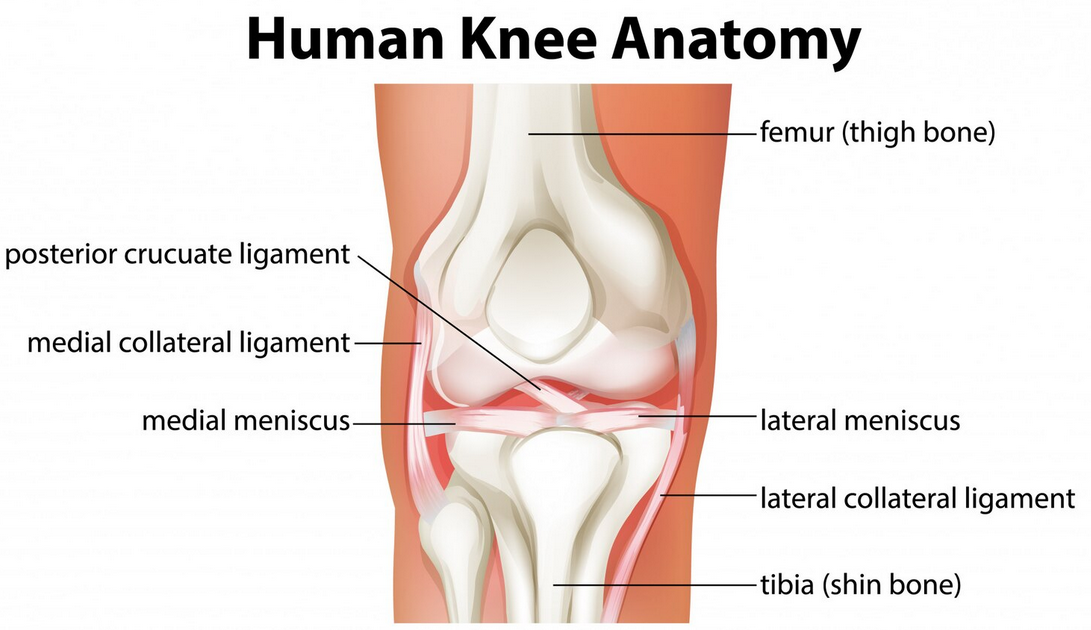
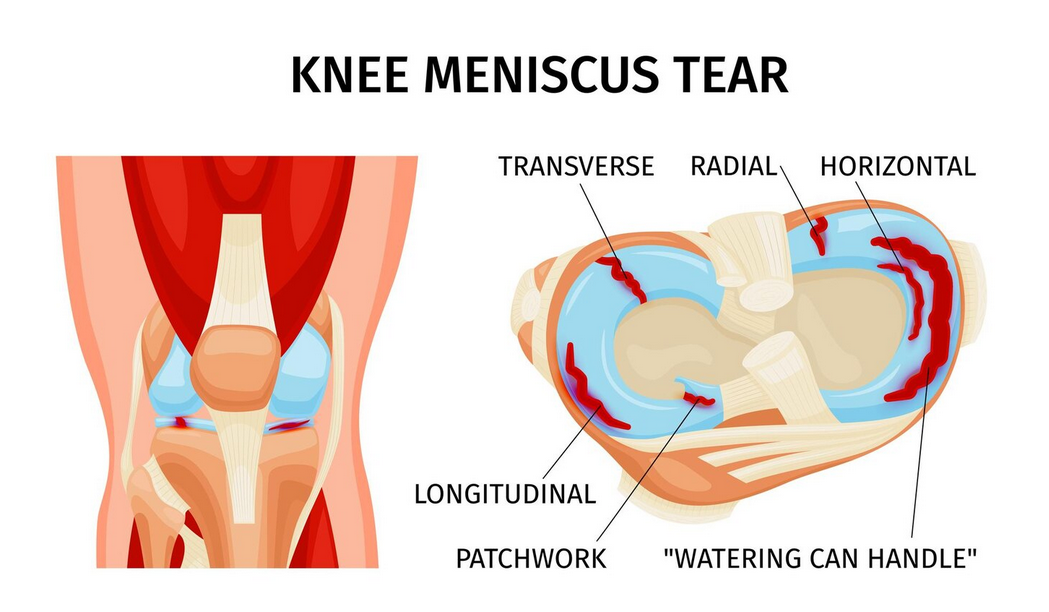
The meniscus (singular) or menisci (plural) are a pair of C-shaped cartilage structure which sits in our knee joints, between our femur and tibia bones. 

There lies two menisci in each knee, the medial (inner) and lateral (outer) meniscus. The main function of the menisci is to absorb shock, making them an essential protector for our knees. For example, whether it’s a sport or just walking our menisci are helping to safely disperse pressure and prevent more delicate structures from getting injured.

In a bucket handle tear (seen below, a large vertical section of the meniscus flips in towards the middle mimicking the motion of a bucket handle. This displaced fragment typically results in pain and an inability to fully straighten the knee. Bucket handle tears are most commonly associated with the medial meniscus and can also occur alongside ACL (anterior cruciate ligament) and MCL (medial collateral ligament) injuries. Altogether, these are known as the terrible triad.

How does a bucket handle meniscus tear get diagnosed?

First, the mechanism of injury will be considered. In most cases, the menisci are injured during these types of movements:

  • Sudden twisting or pivoting on a planted foot 
  • Deep squatting with rotation
  • From a contact sport 
  • Traumatic/impact injuries especially in younger athletes 

Second, the signs and symptoms will be evaluated. Individuals will complain of or experience:

  • Locking/inability to fully straighten the knee 
  • Clicking especially when trying to straighten
  • Sudden pain 
  • Acute swelling (within first 24-48 hours)
  • Joint line tenderness 
  • Feeling of instability 
  • Pain with twisting of the knee

Finally, if indicated, imaging will be used to determine the type and severity of the injury.

An x-ray will rule out fractures and ultrasound may only be able to detect large tears or extrusion of the meniscus peripherally. However, as a bucket handle tear would displace centrally, an ultrasound can miss the tear or displacement completely. An MRI would be the gold standard as it clearly visualizes the full meniscus and displacement.

What are other differential diagnoses?

Other common diagnoses with similar signs and symptoms may be a normal (non-displaced) meniscus tear or another form of loose body (ie. a piece of bone) stuck in the joint. While several knee injuries can share some of the above signs and symptoms, the main way to distinguish a true bucket handle tear is locking of the knee which rarely resolves without surgery.

What treatment options are there for menisci injuries?

Conservative treatment with physiotherapy will be the pathway for most individuals. The criteria for recovery without surgery are usually:

  • Small, stable tears 
  • Degenerative tears, commonly >35 years old
  • No mechanical locking and full range of motion
  • Pseudo-locking of knee (reversible)
  • Symptoms improving 

The second pathway is surgical repair (arthroscopic surgery for a repair or meniscectomy).  

  • Population is usually younger, athletic patients 
  • Traumatic mechanism of injury 
  • True-locking (bucket handle tear) that does not improve conservatively
    • Full extension can be achieved temporarily with manual therapy and movement but will redisplace
  • Associated ACL injury 

Arthroscopic surgery is minimally invasive surgery compared to traditional open surgery and has the benefit of faster recovery times, less post-operative pain and risk of infection, and less scarring.

What does the surgery pathway look like?

As mentioned above, there are 2 main types of arthroscopic surgeries: 

  • Meniscus repair – suturing of torn fragment
    • Preferred when possible 
    • Best for younger patients, especially athletes 
    • Preserves meniscus leading to better outcomes for long term knee health 
    • Full recovery: 4-6 months 
      • Requires bracing in full extension and minimal weight bearing early on
      • Takes longer and more precautions as sutured meniscus has to heal
  • Partial meniscectomy – removal of displaced fragment
    • Only if unable to repair tear 
    • Faster recovery but higher risk of arthritis in the long term 
    • Full recovery: 6-8 weeks 
      • Faster as no healing of tissue required 
      • Focus on strengthening immediately during rehab 

John Hopkins offers a more detailed look into the procedure and what to expect here.

Either way, pre and post-surgical rehabilitation should be undertaken. Beforehand, maximizing the strength and stability of the joint results in a quicker recovery with less risk of complications. Afterwards, rehabilitation is necessary to ensure the joint heals well and to regain full mobility, strength and function. Without proper care after the surgery, the knee may not heal fully and will be limited in the tasks it can perform.

Looking for help with knee pain?

Whether it is a bucket handle tear and you’re awaiting surgery, or a more minor knee injury which can be managed conservatively, your physiotherapists at PhysioNow are here to guide you on how to best manage your injury. We have 10 locations offering sports injury physiotherapy, sports rehabilitation and post-surgery care across the west GTA. These locations include Burlington, Oakville, Mississauga, and Etobicoke. Book with PhysioNow today for your first assessment and treatment! Or reach us by email: applewood@physionow.ca or phone: 289-724-0448

Images by FreePik

Physio 101: Whiplash Injuries

Whiplash injuries are one of the most common reasons people seek physiotherapy following motor vehicle accidents, sports injuries, or sudden trauma. While many people associate whiplash only with car accidents, the condition can occur anytime the neck experiences a rapid forward and backward movement. However, the vast amount of whiplash injuries do occur from MVAs, so it is helpful to know the procedure ahead of time.

What is whiplash?

Whiplash is a neck injury caused by a sudden acceleration–deceleration force that rapidly moves the head forward and backward, similar to the cracking of a whip.

This rapid motion places stress on multiple structures in the neck, including:

  • Muscles
  • Ligaments
  • Facet joints
  • Intervertebral discs
  • Nerves
  • Surrounding soft tissues

How do people get whiplash?

Although motor vehicle collisions are the most recognized cause, whiplash can occur in many situations:

  • Rear-end car accidents
  • Sports collisions (hockey, football, soccer)
  • Falls
  • Sudden stops or jolts
  • Physical trauma or impact injuries
  • Fighting sports

Even low-speed accidents can produce significant symptoms because the neck is highly mobile and sensitive to rapid forces. Additionally, whiplash injuries are commonly associated with concussion injuries which can be very serious and debilitating. The same mechanisms that cause whiplash, also jolt the brain and may turn into a concussion despite there being no actual head contact.

What are the signs and symptoms of whiplash?

Symptoms vary widely from person to person. Whiplash injuries are graded based on their severity and the types of symptoms that are present.

  1. Grade I: Neck pain, stiffness, or tenderness but no physical signs (ex. loss of neck movements)
  2. Grade II: Neck complaints with physical signs
  3. Grade III: Neck complaints with neurological signs
  4. Grade IV: Neck complaints with dislocation OR fracture

Neck and Physical Symptoms

  • Neck pain and stiffness
  • Reduced neck movement
  • Headaches (often starting at the base of the skull)
  • Shoulder or upper back pain
  • Muscle tightness or spasms
  • Jaw discomfort

Neurological symptoms

  • Dizziness
  • Tingling or numbness in arms or hands
  • Visual disturbances
  • Sensitivity to light or sound

Cognitive & General Symptoms

  • Fatigue
  • Difficulty concentrating
  • Brain fog
  • Sleep disturbances

These symptoms occur because the neck closely interacts with the nervous system, balance system, and postural control. Again, there is a big overlap with concussion symptoms so it is important to be aware of the possibility.

Why does early treatment matter?

A common misconception is that whiplash simply heals with rest. Now, research shows that prolonged immobilization or inactivity can actually delay recovery.

Without proper rehabilitation, patients may develop:

  • Chronic neck pain
  • Persistent headaches
  • Reduced mobility
  • Fear of movement
  • Long-term muscle weakness
  • Ongoing nervous system sensitivity

Early physiotherapy is an effective treatment for whiplash mangaement. Importantly, physiotherapists are trained professionals that can guide safe movement and recovery.

How does physiotherapy help whiplash recovery?

Physiotherapists are experts at understanding the musculoskeletal workings of the body. Manual therapy is an important part in their toolkit for treating neck pain.

Physiotherapy plays a central role in managing whiplash injuries safely and effectively. Each patient’s plan will look different as their treatment is adapted to their needs. For example, below is a list of areas that physiotherapy will focus on for treatment:

  • Pain reduction and symptom control
  • Restoration of neck and upper back movements
  • Deep neck and postural muscle retraining
  • Headache management
  • Vestibular treatment if needed
  • Education
  • Graduated return to work, normal activity, and sport

When should I go see a physiotherapist?

You should see a physiotherapist if you experience:

  • Neck pain after an accident or fall
  • Headaches following trauma
  • Stiffness limiting daily activity
  • Dizziness or balance problems
  • Symptoms lasting more than a few days

Remember, early assessment and treatment reduces the risk of chronic symptoms. Thankfully, the majority of individuals recover fully from whiplash. The strongest predictors of recovery include:

  • Early movement
  • Active rehabilitation
  • Education and reassurance
  • Gradual return to normal life

Physiotherapy helps restore confidence in movement and prevents persistent pain patterns from developing.

Looking for help with whiplash or neck pain?

Look for PhysioNow! We have expert Physiotherapy treatment for neck pain, concussions, vestibular management, and MVA recovery. We have 10 locations across the west GTA and with direct billing, guaranteed 1 on 1 time with a Physiotherapist, free parking and more! Come find us in Burlington, Oakville, Mississauga or Etobicoke. Don’t let your pain stop you any longer, book with PhysioNow today for your first assessment and treatment!

Physiotherapy Tips to Stay Active & Injury-Free This Summer

Summer is finally here and it’s the season where people start to get a lot more active. As physiotherapists, we love to see people getting back to their sports whether its hiking, biking, running marathons, playing sports, or more! However, as people get back into the swing of things, we unfortunately see a rise in injuries around this time as well. Usually, we see a lot of overuse injuries, or strains and sprains, as people push their bodies just the slightest bit too quickly. To help combat this trend, PhysioNow has prepared a list of the best physiotherapy tips to stay injury free!

1. Increase the intensity and frequency slowly

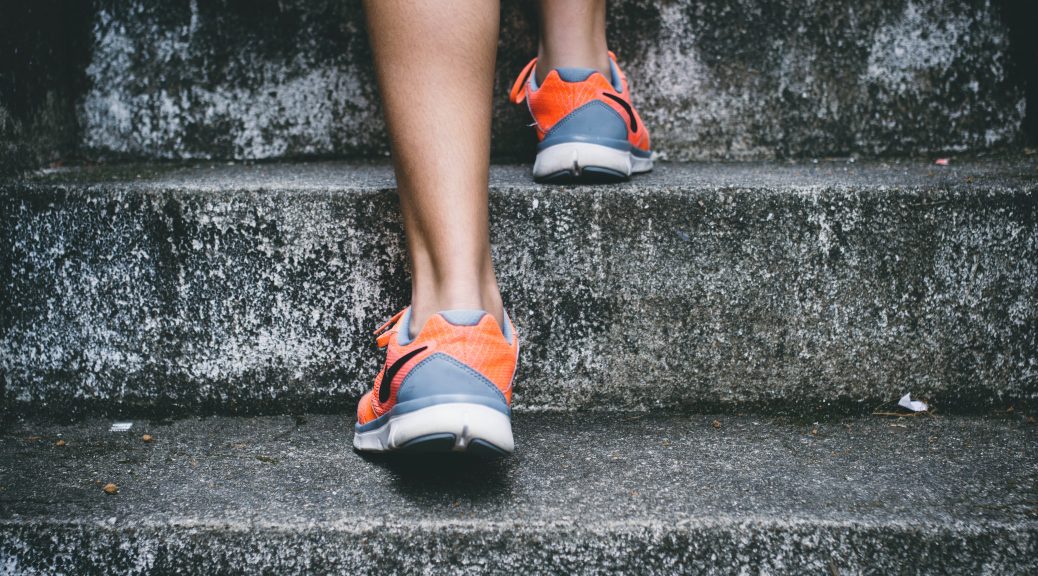
Training to avoid injuries is like taking the stairs, one step at a time

It’s hard not to jump right in, but easing into your new activities is the best way to avoid an injury. Your body needs time to build itself up to where it was before. For example, for a sport, schedule rest days in between and play 2-3x a week for the first couple weeks before increasing the frequency. If you’re a hiker, you may choose to do some shorter or less intense hikes first before tackling the more challenging ones. Overuse injuries can end your season early, so its crucial to take good care of your body!

2. Listen to your body

Even with the strategies above, we can sometimes push ourselves too much. Most of us know how it feels when our body is too tired, something doesn’t feel quite right, or there’s an annoying pain or discomfort somewhere. This is your body telling you to take some time off! While it can frustrating to sit out on the fun, just remember that taking care of any issues preemptively will save you time. Even if it seems small, addressing it now can stop it from turning into a bigger issue and prevent you from losing time doing what you love!

3. Hydration and rest

If you’re doing outdoor activities during the summer, don’t forget to bring your water bottle! Drink consistently to keep your energy levels high and your body in top shape. Dehydration will decrease your performance and puts you at higher risk for injuries, heat exhaustion, muscle cramping and more. Take breaks in the shaded areas when you feel your body starting to heat up, avoid heat-related issues at all costs!

4. Addressing old injuries

If you have a previous injury, then you should be extra careful when starting up more intense activities. For example, you may consider giving that area some extra strength and mobility training prior to starting your summer activities. You may also want to consider supportive gear such as taping or bracing (off the shelf or custom) to offload some pressure. Ultimately, you may need some extra help in which case that’s where the professionals come in! Physiotherapy will help you address your issue and give you guidance on how to still make the most of your summer.

5. Warm ups and cooldowns

Ensure that you give yourself sufficient time before each workout or activity to warm up and then cool down your body. This allows your body sufficient time to start the processes needed for intense exercise, and then winding them down. This prevents a big shock to the body by giving it space to increase circulation, get the energy systems working, and slowly increase body temperature for a warm up, and the opposite for a cool down. Generally, we recommend more dynamic movements for the warm up, and more stretching in the cooldown to alleviate muscle stiffness.

6. We love cross training

While you may love your sport or summer activity, doing it every single day places a lot of stress on the same muscles, ligaments and joints, as you perform the same movements repetitively. To combat this, high level athletes will engage in something called cross-training. This is when you incorporate a variety of different movements and workout routines to give parts of your body time to rest while the others work. The benefits of this are allowing you to still stay active, building up whole-body strength, improves fitness, and reduces injury risk. Cross-training can look like anything you want it to as long as you’re switching things up, you can mix up running, hiking, swimming, weight training, racquet sports, dancing, and so much more!

Looking to get active this summer?

Whether it’s your first time or you’re a fitness enthusiast, we hope to see you getting active! If you have a pre-existing issue, or encounter a new sports injury during the summer, look for PhysioNow. We have an expert health care team including Physiotherapists, Massage Therapists, Manual Osteopaths, Athletic Therapists and more! Our team is dedicated to your fitness journey from amateur to expert. With 10 locations across the GTA from Burlington, Oakville, Mississauga, to Etobicoke, our team is there for you. Book with PhysioNow today for your first assessment and treatment!
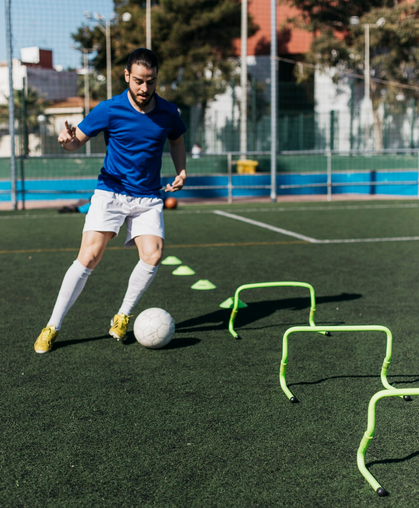
Pictures by FreePik

How to Recover From Your Concussion With Physiotherapy

Concussions are one of the most prevalent and most misunderstood athletic injuries. Also known as an “invisible injury,” because it cannot be seen, but has a huge impact on brain function. Usually, a concussion happens when an individual suffers a direct or indirect force to the head that causes the brain to accelerate and decelerate rapidly within the skull. Unlike what people think, there does not have to be a direct blow to the head for someone to develop a concussion. While it can happen from a hit to the head from a ball, puck, or person, it can also happen from forceful blows to the body such as being tackled.

Concussions are not just the outcome of high-contact sports. Additionally, they are commonly seen in patients involved in motor vehicle accidents. It is important to diagnose and treat a concussion as soon as possible to increase the chances of a full recovery. 

What are the most common symptoms of concussions?

The symptoms vary greatly depending on the severity, a pre-existing history of concussion, and whether there was a loss of consciousness. Generally, more symptoms in higher intensities are associated with more severe headaches, especially if there was a loss of consciousness. Common symptoms include:

Changes in vision are common with a concussion, some may warrant a visit to the optometrist
  • Headaches
  • Balance problems
  • Difficulty regulating mood
  • Fatigue
  • Disorientation/confusion
  • Memory issues 
  • “Slower” thoughts
  • Nausea
  • Blurry vision
  • Light and/or noise sensitivity

As can be seen, there are a large number of symptoms that may or may not be present post-concussion. Concussions can affect a lot of different systems in the body including cognition, vision, balance, coordination and more. As a result, many different health care professionals may be involved during the duration of a concussion treatment.

How does physiotherapy play in role in concussion management?

Physiotherapy can play a significant role in the recovery process. After medical diagnosis, a physiotherapist will assess the primary symptoms of the neck, balance, visual system, and coordination system. We already discussed how not everyone with a concussion will develop the same symptoms. Accordingly, they will receive a personalized treatment protocol and plan. 

Musculoskeletal Symptom Management

First, neck and upper back symptoms are extremely common in concussion, particularly if the mechanism of concussion was a whiplash injury. Physiotherapists will treat these areas using manual therapy, mobility exercises, and soft tissue techniques in an attempt to reduce pain and headaches. Furthermore, concussions often affect the vestibular and visual systems. These, in turn, can lead to dizziness, balance problems, and difficulties with focusing the eyes.

Vestibular and Visual Symptom Management

Vestibular rehabilitation and oculomotor exercises attempt to retrain the brain to properly process vestibular motion and visual input. These may include habituation exercises, which slowly force the system to adapt and become less symptomatic over time. At the start, these exercises will be difficult and trigger the symptoms quickly. An important part of concussion management is knowing how much increase is okay, and when to take a break.

Back to School, Work, and Sport

In the past, it was assumed that rest, especially prolonged rest, is best for individuals who have suffered a concussion. The common image that people have of a concussion treatment is somebody sitting in a dark and quiet room, unable to do much. However, it is now well supported in the literature that light aerobic exercise, while respecting the symptoms, is the ideal path of recovery in early stages. Physiotherapists facilitate patients to resume activity with a structured, step-wise approach. This enables patients to have a framework to track symptoms and keep them under control as cognitive and physical activity demands are increased. Oftentimes, school or work are challenging for students or professionals to return to, as well as athletes returning to a sport. Physiotherapists help to gauge rates of recovery relative to cognitive endurance, visual tracking, and dual-task tolerance; all with the aim of having individuals enjoy a full recovery to daily activities.

Education

 Education is also a large component of physiotherapy. The parents or caregivers, and the patients themselves must be educated on symptom management, what to expect, and the time frames to return-to work/sport/school. Fortunately, there is good evidence that an early physio intervention leads to shorter recovery times, limits long-term complications, and assists with emotional well-being and additional return to their everyday life. If necessary, Physiotherapists may recommend a referral to a physician, occupational therapists, and other providers to provide patients with safe and confident return to sport and life. 

Looking for more help?

Look for PhysioNow! Our clinic has 10 beautiful locations with free parking located across the GTA. From Burlington, Oakville, Mississauga, to Etobicoke, we have many expert clinicians ready to assist you in your recovery. Whether it’s a concussion, motor vehicle accident, or sports injury, we have the tools to get you back to your normal life. Book with PhysioNow today for you first assessment and treatment!
Images by FreePik

Why is my Ankle Sprain not Healing? Know What’s Wrong

An ankle sprain is one of the most common injuries. Rest, ice, compression, and elevation, or the RICE rule, will be the go-to’s for ankle sprains. In most cases, ankle sprains heal between 4-12 weeks depending on the severity of the injury. Although the injuries will heal with time, a failure to seek treatment and physical rehabilitation for your ankle after just one injury is enough to leave it weaker. Consequently, this makes your ankle more vulnerable to future sprains or chronic instability. Interestingly, about 20% of ankle sprains are estimated to lead to chronic instability.

What causes you chronic instability after an ankle sprain?

After an ankle injury, there is damage to the ligaments, tendons, and potentially even the ankle joint itself. Here, the function of the ligament is to limit abnormal movement in the joint. Because of the injury, they will get lax (stretched out), making the ankle more unstable. Additionally, this will result in a loss of strength in the muscles, further increasing the instability of the ankle. Also, sensory receptors which communicate to our brain where your ankle is in space become impaired. Ultimately, this decreased sensation alongside structural weakness makes it hard to balance and control the ankle. This leads to chronic ankle instability.

How do you know if you have instability post ankle sprain?

Consider the questions below if you have ever sprained your ankle and feel that it has not been the same since.

• Does your ankle ever give out or feel like it might?
• Do you avoid walking on uneven surfaces out of fear of falling?
• Do you feel like you can’t “trust” the ankle?
• Do you try to avoid putting all your weight onto the affected ankle?

If you said yes to these questions, you may have chronic ankle instability.

Is it permanent?

Chronic ankle instability is not permanent. You can improve your ankle stability with the help of a Physical Therapist and an individualized exercise plan. However, if the injury is left untreated in its instability, it puts the ankle at risk for future injuries such as another tear, strain/sprain, or even a fracture. As a result of this, the first step to treatment will be a proper rehabilitation program with guidance from a health professional.

How is chronic instability treated?

Physical Therapists are the first step in the conservative management of chronic ankle instability. Due to loss of strength and proprioception, rehabilitation is very important. They perform a complete assessment of your ankle range of motion, strength, and balance assessing for any laxity or abnormalities, and guide you through the management.

Balance exercises

Exercises re-strengthen the muscles, increase ankle stability and balance, and retrain the body awareness of the ankle. Moreover, Brace and/or taping may be recommended to support the stabilization of the ankle, especially for individuals who are engaged in high-risk activities like sports.

Finally, where conservative options are failing and the instability continues to be persistent, surgery may be an option. These surgical options usually involve repair or reconstruction of lax ligaments, or a tightening of the capsule around the ankle joint.

What happens if your ankle sprain and injury are left untreated?

Unfortunately, the instability may worsen over time and you will have a much greater risk of reoccurring injuries. In addition, it results in damage to the bones and cartilage within your ankle joint as the muscles weaken and fail to sufficiently support the joint. Therefore, it is highly recommended that you seek treatment from an expert to treat the issue before it results in a severe injury.

If you are having any instability or weakness with your ankle, which is stopping you from pursuing any hobbies, book with PhysioNow today for an initial assessment and treatment. We have a team of highly qualified Physical Therapists that will be able to help your ankle recover!

ACL Rehab: How to Improve your Knee

ACL rehab is very important for you to get back to your normal life as well as your athletic activities. Frequently, sports injuries lead to pain, inflammation, and instability in the knee that can interrupt your daily life. However, working alongside a Physiotherapist, you will be able to recover and participate in physical activities again.

How does an ACL Injury occur?

The most common mechanism of injury is non-contact, such as a twist on a planted foot, coming down badly from a jump, or a sudden stop. Usually, ACL tears are very common sports injuries such as in soccer, volleyball and more. Due to the nature of these sports, both fast paced and with lots of quick direction changes, it increases the risk of an ACL injury. Alternatively, ACL injuries may happen traumatically, with a direct force against the lower leg. As may be expected, these are more common with contact sports such as rugby and football.

What are the signs symptoms of an ACL tear?

  • Feelings of instability or giving out of the knee
  • Difficulty with weight bearing activities such as walking, stairs, squatting
  • Pain in and around the knee
  • Weakness and atrophy of the muscles around the knee
  • If other structures are involved, locking of the knee in a certain position

Is surgical repair required?

Surgical repair may be needed for a fully torn ACL depending on the severity of the injury and level of physical activities you want to return to. In both surgical and non-surgical cases, rehabilitation with a skilled Registered Physiotherapist is essential to recovery.

Custom knee braces for ACL rehabilitation

ACL REHAB
Custom Knee Brace

In addition, wearing a custom knee brace can allow you to fully support your knee without having to do surgery. Custom knee braces can be very helpful once the swelling around your knee is managed. These are very sturdy braces that can allow you to return to all or most of your previous activities without surgery. A Custom Knee Brace provides and substitutes as the support for the torn ACL ligament. There are several types of Custom Knee braces available in the market. The most popular brands are DonJoy, Bledsoe and Ossur. At PhysioNow, we carry off the shelf knee braces and Custom Knee braces from all of the major suppliers.

Check out this link for a few of the braces we currently offer at PhysioNow in Burlington, Oakville, Mississauga, and Etobicoke.

How can physiotherapy help after an ACL tear?

Primarily, the role of physiotherapy after an ACL tear is:

  • Pain control
  • Restore range of motion to the knee
  • Strengthen the affected muscles
  • Improve balance and motor control of the knee
  • Improve power, coordination, and speed in the context of your sport
  •  

Pain is controlled by using different modalities such as ultrasound and interferential therapy. A graduated exercise program will help you to improve your movement.
Here is another interesting article about ACL rehabilitation.

Exercises will focus mainly on:

  • Strengthening quadriceps, hamstrings and gluteal muscles
  • Proprioception techniques (you will likely lose some of your natural ability to balance after an ACL tear)
  • Improving mobility of the joint and stretching muscles around the knee

ACL REHAB
Possible ACL REHAB Exercises

Please do not attempt these exercises at home without the advice of your doctor or a skilled Registered Physiotherapist!

Looking for help with your ACL rehab?

If you or someone you know has had an ACL tear, we at PhysioNow would be happy to help! If you want to discuss Physiotherapy Treatment or to see if a Custom Knee brace might be helpful for you, please contact PhysioNow today!

5 Benefits of Physiotherapy Taping

What is Physiotherapy Taping?

Physiotherapy taping, also known as athletic or kinesiology taping, is a type of therapeutic technique used for rehabilitation and for enhancing sport performance. First, strips of adhesive tape are applied to the skin with the location depending on the area of injury or the goal of the treatment. A physiotherapist can help you apply the tape and teach you how to tape yourself at home as well!

Why do people receive Physiotherapy Taping?

There are many benefits to using physiotherapy tape, we’ll describe some common applications of taping to help you understand why taping has become so popular!

Physiotherapy tape being used to support an athlete after a shoulder injury
  1. Stability or support: While watching professional athletes, you may notice tape around their bodies. The tape acts as an external support and adds stability to a joint or muscle, minimizing the risk of injury. For example, many athletes have had repeated ankle sprains resulting in laxity, (allowing excessive movement) at the ankle ligaments. They may use tape to provide the support that their ligaments can no longer give. This can help prevent too much turning in or out of the ankle and limit their risk of re-injury.
  2. Pain Relief: Taping can provide pain relief to an injured area. It can improve blood circulation to the area where tape has been applied, reduce pressure on injured tissues, and can modify our nerve receptors to reduce the sensation of pain. As a result, it is often a popular treatment choice for overuse injuries as well such as tennis and golfer’s elbow.
  3. Postural Correction: The tape may be applied in a certain alignment to help an individual correct poor posture such as slouching or rounded shoulders. For example, the tape is applied in an upright posture with high tension. Next, when a person slouches, they feel the tape pulling on them as a reminder to sit back up. In this way, taping can help reduce and prevent posture-related pain and discomfort.
  4. Improved Awareness: Another benefit of taping is by enhancing our sense of proprioception. In other words, proprioception is our body’s ability to know where it is in space and its relative position. For balance, this is a very important ability to have. This helps individuals connect more with their muscles and joints, improving their ability to move.
  5. Non-restrictive: One of the favourite things about tape from our patients is it is non-restrictive. Unlike a brace, the tape is very subtle and allows them to move freely. The tape can stay on for several days at a time and will eventually come off on its own.

Where can I find physiotherapy tape?

Tape is relatively easy to find. You may look for it online or at some drug stores, pharmacies, and health-related stores.

There are many different brands of tape that you can use. Some of them are more rigid while others are more flexible. If you are confused on where to start, you can seek help from a sports physiotherapist. They can teach you the techniques for your specific goal and ensure you perform the tape job correctly.

Looking for more help?

Many different tape jobs exist and some of them can be trickier than others. Consider learning from a health care professional like a physiotherapist to ensure the tape has been applied correctly.

Look for PhysioNow! Sometimes a tape job isn’t enough to treat your condition and you want an expert opinion. We have experienced sports physiotherapists and athletic therapists that can assist you. Whether you want injury prevention, relief, or to enhance your performance, we have the skills to help you out. Book with PhysioNow today for your first assessment and treatment!