Tag Archives: Sports Injuries

Hip Sports Injury: Identify your Hip Pain!

The hip joint is one of the most important joints for athletes, it is used in movements such as running, jumping, changing in direction, and kicking. In high impact sports, the chance of injuring the hip increases. For example, this can range from minor muscle strains to major structural pathologies, including fractures. Even with the best preventative strategies, hip injuries do occur in sports either from overuse or acute trauma. However, athletes can get back to full recovery and performance if the injury is diagnosed early and managed appropriately.

Types of Hip Injuries

Muscle Strains

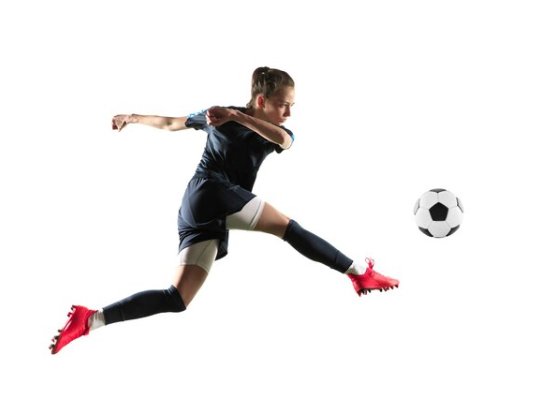
Kicking is a common method of injury to the muscles of the hips due to the high level of forces involved in the movement

First, the most common type of injury are muscle strains. A strain involves tearing of the muscle fibers due to overstretching, sudden changes in direction, speed, or sudden twisting movement. The most frequently affected muscles are:
• Hip flexors – injured in sprinting and kicking sports
• Groin/inner thighs – normally injured in soccer and hockey
• Hamstrings – pulled in sports including quick starting/stopping and kicking
• Glutes – might get injured during jumping activities 

Bursitis (Trochanteric or Iliopsoas Bursitis)

Bursae are small, fluid-filled sacs that decrease friction between bones and soft tissues. Overuse, repetitive motion, or direct injury can result in inflammation of these bursae, thus causing pain and stiffness. The most common hip bursitis’ are:
• Trochanteric bursitis – pain and tenderness on the outer side of the hip, common in runners
• Iliopsoas bursitis – pain and tenderness in the front part of the hip

Hip Fractures and Stress Fractures

Fractures are not as common in young populations but can be happen with traumatic accidents, such as a fall or during a full contact sport. Stress fractures can also be seen from repetitive impacts, such as running or jumping.

Hip Dislocations

With some high impact sports, the head of the femur can come out from the socket with a fall, a tackle/check or any direct blow to the hip. It can lead to severe injuries to the surrounding musculoskeletal tissues and immediate medical attention is necessary. 

Sports Hernias

In sports hernias, also known as “Athletic Pubalgia”, there is injury to soft tissue in the groin and lower abdominal area. Unlike a traditional hernia, where there is bulging in the abdominal wall, a sports hernia is simply a tear/strain of the soft tissue. Usually, this pain increases with activity, especially sports that involve twisting movements or sudden changes in direction.

Labral Tears

Labral tears are an injury to the cartilage around the hip socket. Normally, the labrum is an important structure for stability and movement without dislocation of the hip joint. It can get injured with repetitive movement or high impact activities. 

What are common symptoms of a hip sports injury?

  • Pain around the hip joint, including radiation to the groin, front of the thigh or glutes
  • Swelling
  • Tenderness to the touch around the joint
  • Decreased range of motion in the hip
  • Clicking during hip movements
  • Weakness at the hip
  • Pain with weightbearing activity or movement 
  • Instability, locking or giving out feeling at the hip 

How is a hip sports injury diagnosed?

To diagnose the accurate condition your Physiotherapist and/or doctor will use a combination of physical examinations and diagnostic testing.

Clinical Examination

For the examination, they will ask a series of questions to create a subjective history which includes the mechanism of injury, current symptoms and complaints, pre-existing or previous injuries, and relevant medical history. Next, they will conduct physical/objective testing for the range of motion, strength, and function of the hip. They will perform some special tests to try to reproduce your pain and rule in and rule out certain conditions. 

Imaging Tests

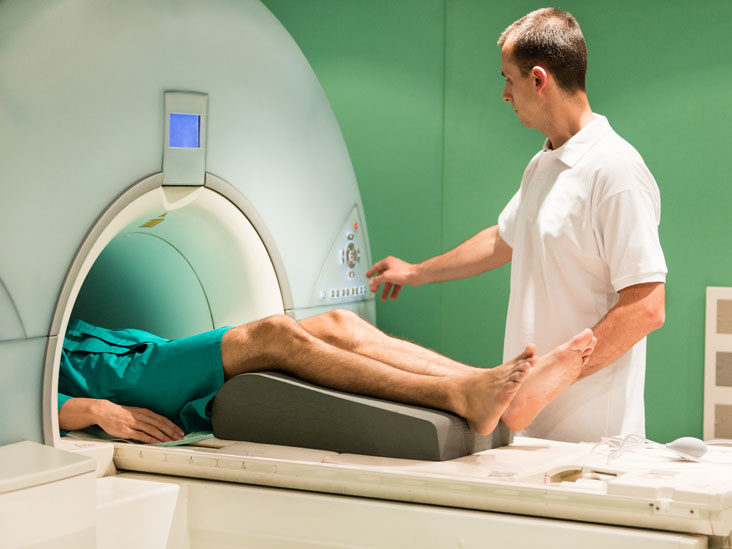
MRIs are used to obtain highly detailed images of the body

If further detail is required, then imaging may be necessary. Then, your doctor might request that you go for an x-ray, ultrasound, MRI or CT scan, depending on the structures involved. 

How does Physiotherapy rehabilitate a hip sports injury?

Initial phase

The focus of this stage is to reduce the pain, inflammation and swelling around the area, and preventany further damage.
Rest – Stop activities that stress the hip or make the pain significantly worse
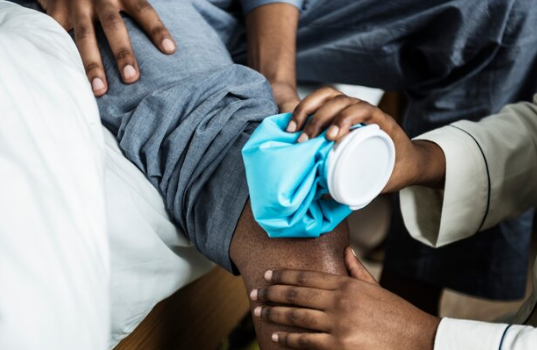
Ice – Icing the injury 15-20 minutes 3-4 times a day helps with swelling and pain
• Compression – Elastic bandages may help manage pain and swelling
• Elevation – Keep the foot and knee elevated, if possible, to reduce swelling from travelling down the leg

Sub-acute and recovery stage: 

In this stage the focus shifts towards improving range and strength for the patient. Using the combination of:

• Stretching and range of motion exercises – To maintain flexibility and prevent stiffness

• Strengthening – Focused on core and hip stability

• Balance and proprioception training – Restore coordination and balance in the affected side

• Sport-specific drills – Gradual return to sport-specific, quick, and high impact movements

• Return to sport – Finally, returning the athlete back to their sport safely, and giving them strategies to prevent future injuries

• Surgery: In some cases where conservative management fails, or in big traumatic accidents with extensive injuries, surgical procedures may be necesasry.

Need help with a hip pain?

If you are experiencing these symptoms or pain around your hip, look for PhysioNow! We have many expert Physiotherapists that can support your recovery. Book with PhysioNow today for your first assessment and treatment. With 10 clinics across the GTA from Burlington, Oakville, Mississauga, to Etobicoke, you can get help quickly!

Should I Put Heat or Ice on my Injury?

Both ice and heat therapy are commonly used in Physiotherapy clinics and at home for pain relief and injury recovery. Each therapy has its own mechanism of action (how it works) and advantages. Read more to find out how each therapy affects you, and which one may suit your situation more.

What are the effects of ice therapy (cryotherapy)?

  1. Slows blood flow: First, the main mechanism in how cold therapy works is by constricting blood vessels (vasoconstriction). As a result, this can help reduce bleeding, bruising, and swelling after an injury
  2. Reduces inflammation: Additionally, through vasoconstriction, cold therapy minimizes the inflammation response in the immediate aftermath of an injury
  3. Pain relief: Cold therapy can numb the area and does so by slowing or stopping the transmission of pain signals to the brain. Ultimately, this provides temporary and local pain relief
  4. Facilitates early rehabilitation: By numbing the area to decrease pain and managing excessive swelling, it may allow better performance of gentle rehabilitative exercises. Overall, this can lead to a quicker recovery time
  5. Useful for acute injuries: Especially beneficial within the first 48 hours post-injury, where the pain, inflammation, swelling, and bleeding tend to be the greatest

What are the effects of heat therapy (thermotherapy)?

  1. Increases blood flow: First, heat promotes circulation (more blood flow). This occurs in a process called vasodilation which means the blood vessels become wider. As a result, more blood flow is able to reach that area which can aid in healing by delivering more oxygen and nutrients to tissues
  2. Muscle relaxation: Additionally, heat can improve the flexibility of tissues. When combined with the effects of improved circulation, it helps to relax tight or tense muscles
  3. Enhances mobility: Similarly, warmth can also improve range of motion, making it easier and/or less painful to move stiff body parts
  4. Pain relief: Heat also has an analgesic effect through various interactions in the body. Ultimately, it can temporarily alleviate discomfort and pain especially in chronic conditions, like arthritis.
  5. Promotes healing: Increased blood flow can help speed up recovery from muscle strains and chronic conditions by allowing more nutrients to reach the target tissue

When do I use heat or ice?

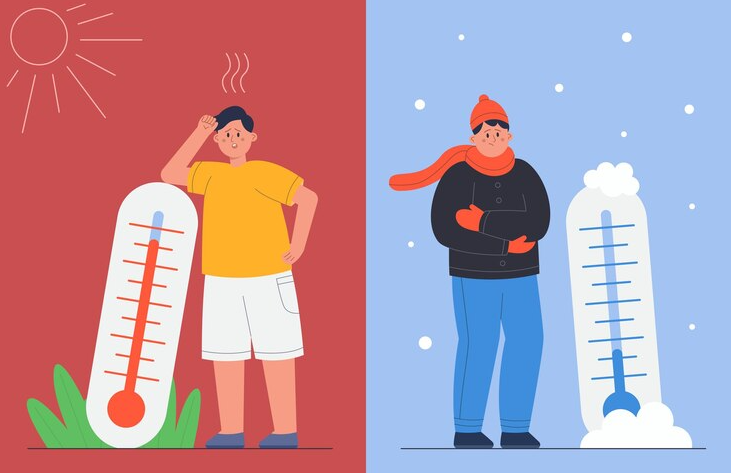
As can be seen, both therapies have roles in pain relief. In fact, throughout the course of an injury, you may even use both. Generally, ice is preferred in acute situations (in the first 2 days after injury), to help manage inflammation and swelling. However, in some cases such as post-knee replacement or other surgeries, icing may be recommended for longer periods of time such as 1-2 weeks. On the other hand, heat is ideal for longer term or chronic pain, and situations involving a lot of tension and stiffness. Your choice will depend on the goal, how recent the injury is, and can also boil down to personal preference as well. For example, you may be picking ice as a pain relief strategy even though it has been more than a week since your initial injury because you find it works better, and that’s okay! As a quick summary:

  • Ice: Best for acute injuries, inflammation, and swelling
  • Heat: Ideal for chronic pain, muscle tension, and stiffness

What are contrast baths?

You may have heard of this treatment called contrast baths before, as it is quite popular with athletes. Contrast baths involve alternating a body part (usually a limb) between hot and cold water in a short time period/within a single treatment session. The switching causes alternating narrowing and widening of the blood vessels, creating a “pumping” effect. This is often used to help improve circulation, muscle recovery, and for swelling, soreness, and inflammation management. Here’s a breakdown of the advantages and disadvantages:

Advantages

  1. Improved circulation: The alternation between hot and cold stimulates blood flow, promoting circulation and aiding in healing
  2. Reduced inflammation: The cold component can help reduce swelling and inflammation, while heat can relax muscles. Also, the pump effect may help remove inflammatory waste products from the injured tissues
  3. Pain relief: Many people experience relief from pain due to the effects of both heat and cold.
  4. Enhanced recovery: Athletes often use contrast baths to speed up recovery after intense exercise, as it can help reduce muscle soreness

Disadvantages

  1. Time-consuming: Usually, setting up and performing a contrast bath can take more time than other methods of therapy
  2. Not suitable for everyone: Individuals with certain medical conditions (e.g., cardiovascular issues, neuropathy, infected/open wounds, diabetes) may need to avoid contrast baths.
  3. Potential discomfort: The rapid temperature changes can be uncomfortable for some individuals
  4. Requires equipment: Access to a tub or a setup that allows for temperature control can be a barrier for some

I need help with my injury!

If you are struggling with an injury or pain, whether it is new or old, look for PhysioNow! We have many expert clinicians including Registered Massage Therapists, Physiotherapists, Athletic Therapists, and Manual Osteopaths. With 10 clinics across the GTA from Burlington, Oakville, Mississauga to Etobicoke, we are ready to help you today. We encourage you to get started as quickly as possible, please reach us at 289-724-0528 or through our online services. We are looking forward to helping you achieve your best health again!

Hamstring Injuries Caused by Deadlifting: Prevention and Recovery

Deadlifting is a highly effective exercise for building strength, especially in the posterior chain (glutes, lower back, and hamstrings). However, improper technique or a lack of foundational strength can lead to injuries, especially in the hamstring. If you are an avid lifter or just looking to get started with deadlifting, here is a quick guide on preventing and recovering from hamstring strains related to deadlifting.

What do the hamstrings do in a deadlift?

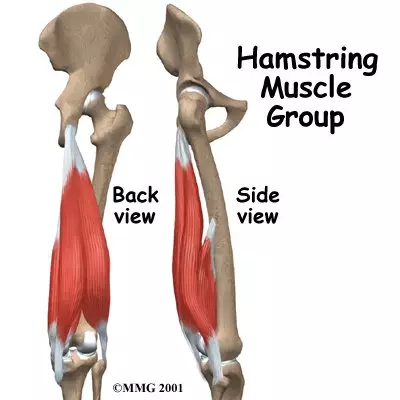
The hamstrings are a group of three muscles located at the back of your thigh: the biceps femoris, semitendinosus, and semimembranosus. These muscles are primarily responsible for bending the knee and extending the hip. During a deadlift, your hamstrings play a key role in two ways:

  1. Hip extension: As you stand up with the barbell, your hamstrings work alongside your glutes to extend your hips (bringing them forwards).
  2. Knee flexion: While not as heavily involved as in hip extension, the hamstrings also help stabilize the knee during the lift, especially in the bottom position of the deadlift.

Because deadlifting places significant load on these muscles, improper technique or weak hamstrings can increase the risk of injury.

How do the hamstrings become injured during a deadlift?

1. Poor form

Firstly, one of the most common reasons for hamstring injuries during deadlifting is improper form. Usually, deadlifting requires precise movement mechanics to avoid unnecessary strain on the muscles. If you are unsure about your form, you can always ask for help from a fitness or exercise professional such as a licensed personal trainer, athletic therapist, sports physiotherapist and more. For example, a few common form issues that can lead to hamstring injuries include:

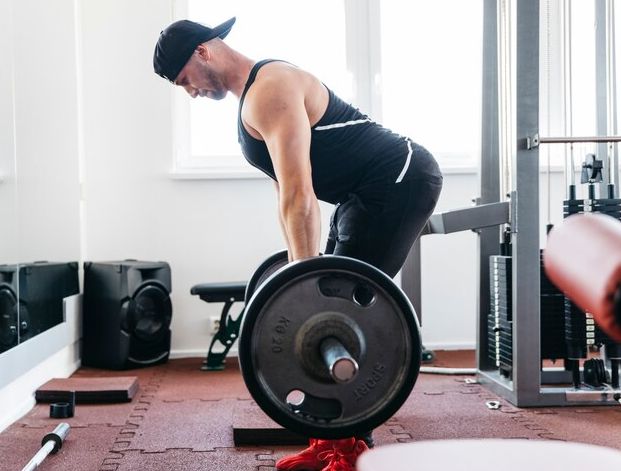
  • Rounding of the lower back
  • Overextending at the top of the lift
  • Incorrect hip positioning over top of the bar

2. Weak hamstrings or muscular imbalances

Secondly, weak hamstrings can be a contributing factor to injuries. The hamstrings may not be able to handle the load, especially when lifting heavier weights. Alternatively, if other muscles in the lower body are weaker or have been injured, the hamstrings may compensate for them by taking on excessive load.

3. Sudden increase in load or frequency

Additionally, jumping into heavy deadlifts without gradually increasing the load can overstress the hamstrings. Consequently, progressive overload and sufficient rest, both key principles of exercise training, are essential for proper muscle growth and injury prevention.

4. Lack of mobility or a warm-up

Finally, a lack of proper warm-up can leave the hamstrings (and other muscles) stiff and more prone to injury. Neglecting mobility work or stretching can lead to tightness or stiffness, limiting your range of motion and increasing the risk of overstretching the hamstrings during the lift. For example, during deadlifts some people lack sufficient hamstring flexibility to perform the lift with proper form. As a result, when they go to bend forward in the lift, it is already stretched maximally or past its safe limit, putting it in a vulnerable position.

How to Prevent Hamstring Injuries When Deadlifting

1. Master proper form

Initially, ensuring you have proper technique is the number one way to prevent injuries, including hamstring strains. For example, key tips for deadlifting with proper form include:

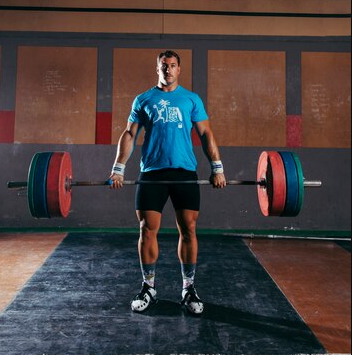
  • Start with your feet shoulder-width apart and the barbell close to your shins
  • Maintain a neutral spine (no rounding of the back) throughout the lift
  • Keep your core tight and engage your glutes and hamstrings as you lift
  • Use your hips, not your back, to initiate the movement, and make sure your back remains straight as you stand
  • Focus on hinging at the hips rather than bending at the waist
Proper form in a deadlift includes keeping the bar close to your body, and maintaining a neutral spine as seen above

2. Strengthen your hamstrings

Additionally, incorporating other exercises that strengthen the hamstrings can help prevent injury. Some of the most effective exercises for hamstring strength include:

  • Romanian deadlifts: These focus on the hip hinge and engage the hamstrings
  • Leg curls: Using machines or resistance bands to isolate and strengthen the hamstrings
  • Glute-ham raises: A great bodyweight or weighted exercise to target the hamstrings and glutes

Ultimately, building hamstring strength and addressing muscle imbalances can help your body handle all loads more safely.

3. Gradually increase weight, take rest days

To avoid overstretching or overloading the hamstrings, progressively increase the weight you’re lifting over time. Also, avoid training the same muscle group 2 days in a row, especially if you’re lifting heavier. Even experienced lifters can suffer from overtraining, everybody needs rest days! Instead, think about doing some cardio or training a different body part while the hamstrings recover.

5. Incorporate mobility work

Hamstring flexibility and mobility are crucial for preventing strain. Regular stretching, yoga, or foam rolling can help maintain or improve the flexibility of not just the hamstrings but the hips, knees and ankles as well. If you take care of your body properly, you’ll reduce the risk of injury during deadlifts.

I need help with a hamstring injury, what do I do?

If you have experienced a hamstring injury while deadlifting, first follow the R.I.C.E. protocol (rest, ice, compression, elevation) immediately after the injury. Some strains may heal on their own, but it is always recommended that you engage in a rehabilitation program afterwards to ensure you recover full mobility and strength.

For more serious strains, or if your function is impaired after, such as difficulty walking or putting weight on it, you should consider Physiotherapy. Your Physiotherapist will work with you to help you safely recover from your injury and then return to your normal activities and sports. If you are looking for help with a hamstring injury or any other sports injury, look for PhysioNow with clinics across the GTA. Book with PhysioNow today for your first assessment and treatment.

Prevent Injuries to your Knee: Quads Strength is the Key!

Strengthening the quadriceps is crucial for minimizing the risk of knee injuries. Notably, the quadriceps (the group of muscles on the front of your thigh) play a key role in stabilizing and supporting the knee joint. As a result, regular training and maintenance of this muscle group is crucial for knee health. The following are 6 reasons why you should train your quads strength!

1. Stabilizes the knee joint

The quadriceps are the primary muscles that help extend your knee (straighten your leg). They work in tandem with the hamstrings (muscles on the back of the thigh) to provide balance and stability to the knee joint. Proper quadriceps strength helps to control and create motion of the knee, especially during activities like walking, running, jumping, or climbing stairs. If weak, the body may be forced to compensate with other muscles like the calves, glutes or hamstrings which may lead to overuse/strain injuries.

2. Absorbs shock and reduces load on the knee

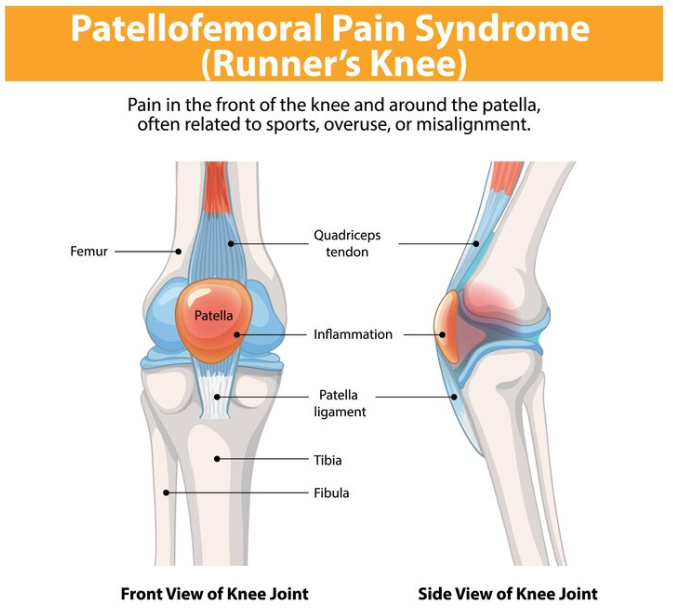
Strong quadriceps muscles help absorb impact and control the load placed on the knee joint, especially during weight-bearing activities. For example, when you perform high-impact movements (like running or jumping), the quadriceps cushion some of the forces that otherwise would be transferred directly to the knee. This reduces wear and tear on joint surfaces and cartilage and helps manage conditions like osteoarthritis, patellafemoral pain syndrome, or bursitis.

3. Helps maintain proper knee alignment

The quadriceps contributes to maintaining the alignment of the knee, particularly in preventing the knee from collapsing inward (known as valgus) or being pushed outward (known as varus). These misalignments can put excessive stress on the knee joint and ligaments, increasing the likelihood of injuries such as meniscal tears, ACL or MCL tears/sprains, or patellofemoral pain syndrome.

4. Protects the knee ligaments

The quadriceps play an important role in protecting the knee ligaments, particularly the anterior cruciate ligament (ACL). Weak quads can lead to poor control of knee motion, increasing the strain on the ACL and potentially causing tears, especially during cutting, pivoting, or landing from a jump. In other words, strengthening the quadriceps can improve dynamic knee stability. Consequently, allowing you to better control the forces that act on the knee during athletic movements.

5. Improves functional movements

Strong quadriceps improve your ability to perform daily functional movements, such as stairs, squatting, bending, and standing up from a chair. Weak quads make these movements more challenging and can lead to compensation patterns that strain the knee or other body parts. Especially as we age, ensuring we build enough strength for our daily activities is the key to maintaining a good quality of life.

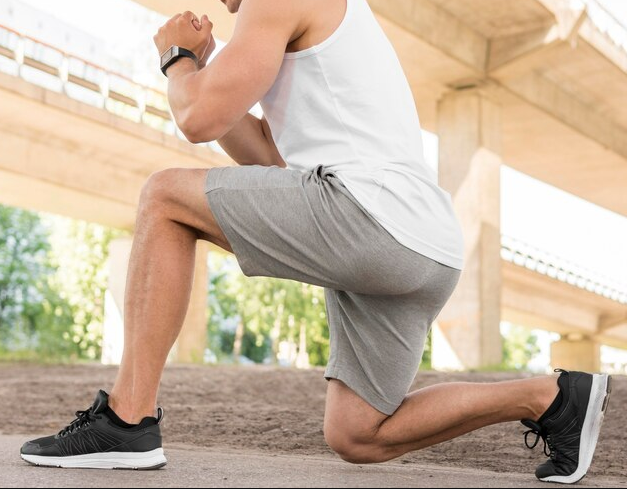
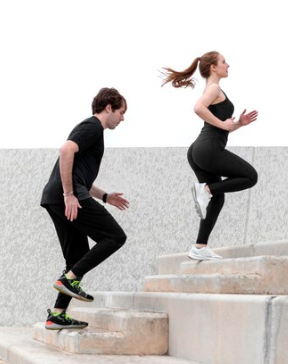
Quads strength influences our ability to go up and down the stairs, especially quickly

6. Prevents chronic conditions

Chronic weakness in the quadriceps can lead to altered gait patterns, which may increase stress on the knee joint over time. This abnormal stress can contribute to the development of degenerative conditions such as knee arthritis or chondrosis that wears away joint and cartilage surfaces in the knee joint. Overall, strengthening the quadriceps helps to alleviate some of that excess stress and reduce the progression of arthritis.

Looking for help?

As can be seen, quads strength is vital for knee health. Whether you’re an athlete or someone or just enjoying activity recreationally, quadriceps strength can make a significant difference in knee performance and injury prevention. If you want to get stronger or having problems with your knees, PhysioNow has many experienced Physical Therapists to help you out. Book with PhysioNow today for your first assessment and treatment!

Hamstring Strains and the Young Athlete

Hamstring strains are a common injury among young athletes, particularly in sports that involve sprinting, jumping, or sudden changes in direction. Importantly, the hamstrings, a group of muscles located at the back of the thigh, play a crucial role in movement and stability. When these muscles are overstretched or torn, it can lead to pain and functional impairment, impacting a child’s ability to participate in sports and other activities.

Causes of Hamstring Strains in Young Athletes

Hamstring strains are usually a result of an injury at a particular moment in time. It can be a fall, or an awkward movement that causes excessive stress and/or overstretching in the muscle. As a result, you get a strain or tears in the muscle fibres. Several factors contribute to the risk of hamstring strains in children:

  1. Overuse and repetitive stress: Young athletes often push themselves during practices and games. Consequently, overtraining without adequate recovery can lead to muscle fatigue which increases the likelihood of injury
  2. Insufficient conditioning: Many kids may not engage in structured strength training or flexibility exercises, making them more vulnerable to strains. A strong, well-conditioned muscle is less likely to be injured
  3. Poor technique: Inexperienced young athletes might have proper form for their sport’s movements which can place excessive strain on the hamstrings. Thus, teaching proper techniques from an early age is essential for long term injury prevention
  4. Fatigue: As children tire during a game or practice, their muscles can become less coordinated and more susceptible to injury. Fatigue can reduce a child’s awareness of their body, leading to poor movement choices
  5. Previous Injuries: A history of hamstring injuries can predispose young athletes to future strains due to weakened muscles or improper rehabilitation

Symptoms of Hamstring Strain

Recognizing the symptoms of a hamstring strain is crucial in order to treat it as soon as possible:

  • Sudden pain: Often described as a sharp pain at the back of the thigh, occurring during activity
  • Swelling or bruising: Visible swelling or discoloration may develop in the affected area, depending on the severity of the strain. Additionally, it may travel farther up or down the leg than the area of pain
  • Limited range of motion: They may struggle to fully extend or flex the knee due to pain and stiffness
  • Weakness: Difficulty running, jumping, or performing activities that require the leg to straighten. In severe cases, you may have trouble putting weight on the leg or walking

Treatment Strategies

When a hamstring strain occurs, prompt treatment is the key to quick recovery:

  • Rest: The injured athlete should avoid activities that cause pain. Depending on the severity, rest is usually for a couple days but the modification or avoidance of sports and physical activity may last longer
  • Ice: Initially, for the first couple of days post-injury. Applying ice packs to the injured area for 15-20 minutes every few hours can help reduce swelling and numb pain
  • Compression: Using an elastic bandage or compression wrap can minimize swelling and provide support
  • Elevation: Keeping the leg elevated above heart level can help reduce swelling
  • Physical therapy: Once the initial pain subsides, physical therapy may be beneficial. A physical therapist can design a rehabilitation program that includes strengthening and stretching exercises tailored to the child’s needs.
  • Gradual return to activity: Physical Therapists can also assist with return to sport planning and decide when and how much is appropriate. Athletes should ease back into their sports gradually, starting with light activities before progressing to more demanding exercises and games.

Prevention Strategies

Preventing hamstring strains is vital for young athletes. Implementing the following strategies can significantly reduce the risk:

  • Proper warm-Up: Encourage kids to engage in a thorough warm-up that includes dynamic stretches and light aerobic activity before practices or games
  • Strength training: Incorporating strength exercises focused on the hamstrings, quadriceps, and core can help improve overall muscle balance and stability
  • Flexibility exercises: Regular stretching routines can enhance flexibility, making muscles less prone to injury. Static stretching should be included in the cool-down phase after activity
  • Education on technique: Coaches should emphasize proper running and jumping techniques to reduce undue strain on the hamstrings
  • Adequate rest and recovery: Ensure that young athletes have sufficient recovery time between practices and games to allow their muscles to repair and strengthen

When to Seek Medical Attention

If a child experiences severe pain, significant swelling, or if symptoms do not improve with home treatment, it is important to consult a healthcare professional. A doctor may recommend imaging tests, such as an Ultrasound or X-Ray to assess the extent of the injury and develop a comprehensive treatment plan.

Hamstring strains can pose significant challenges for young athletes, affecting their performance and enjoyment of sports. If you or your child are experiencing a hamstring strain or any other kind of sports injury, look for PhysioNow. With 10 locations across the GTA, our Registered Physiotherapists are ready to assist you in getting healthy again! Book with PhysioNow today for your first assessment and treatment.

Photos by FreePik

Athletic Therapy: Try Our New Service!

Athletes put their bodies to the test daily by playing the sports they love. However, high-impact athletics can take a heavy toll on your body. Practices like athletic therapy provide prevention, rehabilitation, and maintenance care to improve athletes’ physical outcomes.

What is Athletic Therapy?

Athletic Therapy specializes in the prevention, evaluation and management of neuromusculoskeletal injuries (muscles, bones and joints, etc.), especially sports injuries. Their focus is on athletics and physical activity to help athletes return to their sport or individuals to return to an active lifestyle. They work with individuals of all ages and abilities, from amateur and professional athletes to the general population. During a session, they use a variety of techniques to help their patients manage and recover from injuries, improve their physical function and performance, and reduce the risk of future injuries. These techniques include manual therapy, exercise prescription, and modalities such as ultrasound and electrotherapy, and more. They also provide education on injury prevention, injury management, and safe return to activity.

What is the scope of care for an Athletic Therapist?

An Athletic Therapist is a healthcare professional who has the expertise, skill sets and ability to:

  • Make use of sports and exercise principles to optimize performance, preparation and injury prevention programs
  • Offer the immediate care of injuries and fundamental life support in a recreational, exercise &
    competitive environment
  • Assess, treat and, where needed, refer on for other specialist advice and treatment
  • Deliver appropriate sport and therapeutic massage in a sport & exercise context
  • Plan and implement appropriate rehabilitation programs

5 Areas of Expertise

The range of skills that Athletic Therapists must possess is developed within five key areas of
expertise related to injury and illness in the sport and exercise environment.
These are:

  1. Prevention
  2. Recognition & evaluation
  3. Administration, treatment & referral
  4. Rehabilitation
  5. Education

More importantly, Athletic Therapists are not just rehabilitation experts. They have the education, expertise, skills and competence to provide immediate care in a first response role such as on the field care during a game. Also, Certified Athletic Therapists are required to show evidence that they are up to date with these skills.

Who benefits from Athletic Therapy?

Athletic Therapy is not just for high level athletes! Instead, they specialize in returning individuals to any level of activity, be it recreational sports, high level competition or leisure activities. Typically, rehabilitation techniques provided by Athletic Therapists utilizes a wide variety of manual therapy, exercise prescription, modalities and supportive tapping techniques. Additionally, your Athletic Therapist will personalize your treatment plan, helping improve the efficiency of treatments which may result in faster recoveries, and decreased chance of re-injury.

Athletic Therapists may use different techniques including sports taping to treat sports injuries.


For example, some of the conditions we work with regularly with our Athletes are:

  • Ligament injuries
  • Meniscus Injuries.
  • Lower back pain
  • Shoulder pain
  • Neck pain
  • Shin splints
  • Sciatica
  • Tension headaches
  • Tennis or golfer’s elbow
  • Carpal tunnel syndrome
  • And more!

Athletic Therapy at PhysioNow

Our treatment approach is focused on Performance, Wellness, Mobility, Balance & Proprioceptive training, Bracing, Compression, Modalities, Myofascial techniques and more. Initially, a thorough Assessment is essential to highlight problem areas and understand the cause of injury.

Athletic Therapists work with you and your specific interests, whether it’s soccer, baseball, boxing or more!

Areas that we focus our assessment on include:

  • Posture
  • Muscle weakness
  • Stiffness
  • Muscle & Fascia Tightness
  • Mobility
  • Exercise Prescription
  • Home Exercises
  • Sports Specific Training
  • And Much More!

Athletic Therapy vs Physiotherapy

Athletic therapists work with clients of all ages and abilities, from amateur and professional athletes to the general population, and they may work in a variety of settings such as sports teams, clinics, hospitals, rehabilitation centers, and fitness facilities. Athletic Therapists and Physiotherapists are both healthcare professionals who specialize in the assessment, treatment, and rehabilitation of musculoskeletal injuries and conditions.

Both Athletic Therapists and Physiotherapists are licensed healthcare professionals, and they often work closely together to provide the best possible care for their patients. Both professions have a strong focus on patient-centered care and work with clients to improve their overall health, fitness and well-being.

Need help?

PhysioNow is an expert provider of athletic services in Oakville. We specialize in addressing posture, muscle weakness, stiffness, muscle and fascia tightness, mobility, and sports-specific training. Our team of experienced Physiotherapists and certified Athletic Therapists are dedicated to helping our patients achieve optimal health and wellness through personalized exercise prescription and home exercises.

Whether you’re recovering from an injury or looking to improve your athletic performance, PhysioNow has the expertise and resources to help you reach your goals. Currently, we offer Athletic Therapy at our PhysioNow Oakville North location! We are committed to providing the highest quality of care and personalized attention to help our patients achieve optimal health and wellness. Contact us to schedule an appointment and take the first step towards improving your posture, mobility, and overall health. Get started today!

Sports Injuries: Road to Recovery

Sports injuries are an unfortunate but common occurrence among athletes of all levels. Whether you’re a weekend warrior or a professional athlete, injuries can interrupt your training and competition plans. However, with the right approach to rehabilitation, you can get back to doing what you love with confidence. In this blog post, we’ll explore how physiotherapy plays a crucial role in managing and preventing sports injuries.

Understanding Sports Injuries

Before diving into how physiotherapy can help, we should understand the nature of sports injuries. Firstly, they can range from acute injuries like sprains, strains, and fractures to more chronic conditions such as tendonitis and other overuse injuries. Often, these injuries result from repetitive movements, poor biomechanics, muscle imbalances, or inadequate recovery periods.

The Role of Physiotherapy in Sports Injury Management

Physiotherapy is a cornerstone of sports injury management, focusing on rehabilitation, pain relief, and prevention. Here’s how physiotherapists help athletes recover from injuries:

1. Assessment and diagnosis: A thorough assessment is essential to identify the underlying cause of the injury and develop an effective treatment plan. Physiotherapists use various tests and evaluations to pinpoint the source of pain or dysfunction.

Sports injury physiotherapy

A physiotherapist assessing a patient’s muscle function

2. Individualized treatment plans: No two injuries are alike, which is why physiotherapy treatment plans are tailored to each individual’s needs. For example, these plans may include a combination of manual therapy, exercise prescription, modalities such as ultrasound or electrical stimulation, and education on injury prevention.

3. Manual therapy: Hands-on techniques like massage, joint mobilizations, and soft tissue manipulation can help improve range of motion, reduce pain, and promote healing. Physiotherapists use their expertise to target specific areas of dysfunction.

4. Exercise Rehabilitation: Naturally, exercise is a fundamental component of sports injury rehabilitation. Physiotherapists prescribe customized exercises to improve strength, flexibility, balance, proprioception and even sports performance. These exercises not only aid in recovery but also help prevent future injuries.

5. Pain Management: Chronic pain is a common issue among athletes recovering from injuries. Physiotherapists employ various pain management techniques, including therapeutic ultrasound, TENS (Transcutaneous Electrical Nerve Stimulation) and acupuncture.

6. Return to Sport Planning: Getting back to sport too soon can increase the risk of re-injury. Your physiotherapist will work closely with you to establish a gradual return-to-sport protocol. Ultimately, the goal is to ensure a safe transition back to normal activity.

Preventing Future Injuries

Beyond injury rehabilitation, physiotherapy also plays a crucial role in injury prevention. Physiotherapists identify risk factors, address biomechanical deficiencies, and provide athletes with tools to minimize the risk of future injuries. This may include pre-season screenings, biomechanical assessments, and education on proper training techniques and equipment.

Conclusion

Physiotherapy is a vital resource for athletes recovering from sports injuries. Through personalized treatment plans, hands-on therapy, exercise rehabilitation, and injury prevention strategies, physiotherapists help athletes navigate the road to recovery and return to peak performance safely.

If you’re dealing with a sports injury, don’t hesitate to seek PhysioNow. Our expert Physiotherapists are excited to aid you on your journey back to the game. Book with us today for your first assessment and treatment!

Top 5 Sports Injuries Treated with Shockwave Therapy

Shockwave therapy has been gaining popularity in the field of physiotherapy as an effective treatment modality for various sports injuries. Athletes and sports enthusiasts alike are turning to shockwave therapy to help alleviate pain and promote healing.

Why choose shockwave therapy for athletes?

One of the key benefits of shockwave therapy is its ability to target specific areas of injury with high-energy acoustic waves, stimulating the body’s natural healing process. This non-invasive treatment option can be particularly beneficial for conditions such as tendonitis, plantar fasciitis, and other soft tissue injuries commonly seen in sports. By incorporating shockwave therapy into their treatment plans, athletes can accelerate their recovery time and return to play quickly. Physiotherapists and sports therapists are increasingly recognizing the value of shockwave in managing sports injuries effectively.

Shockwave therapy and sports injuries

Sports injuries are a common occurrence among athletes and can range from minor sprains to more serious conditions like tendonitis or stress fractures. One effective treatment option for certain sports injuries is shockwave therapy. Shockwave therapy is a non-invasive medical treatment that uses high-energy acoustic waves to stimulate the healing process in injured tissues. It can help alleviate pain, improve blood circulation, and promote tissue regeneration.

Here are some sports injuries that could benefit from shockwave therapy:

1. Plantar Fasciitis: This is a common overuse injury among runners and athletes that causes heel pain. Shockwave therapy can help reduce inflammation and promote healing at the origin of the plantar fascia at the bottom of the heel.

Shockwave therapy applied to the heel for plantar fasciitis

Shockwave therapy applied to the heel to treat plantar fasciitis

2. Tennis Elbow: Also known as lateral epicondylitis, this condition results from repetitive use of the forearm muscles. Shockwave therapy can target the affected area to relieve pain and improve mobility.

3. Achilles Tendonitis: A common injury among runners and athletes involved in jumping sports, Achilles tendonitis causes pain and stiffness in the back of the ankle. Shockwave therapy can stimulate healing in the damaged tendon.

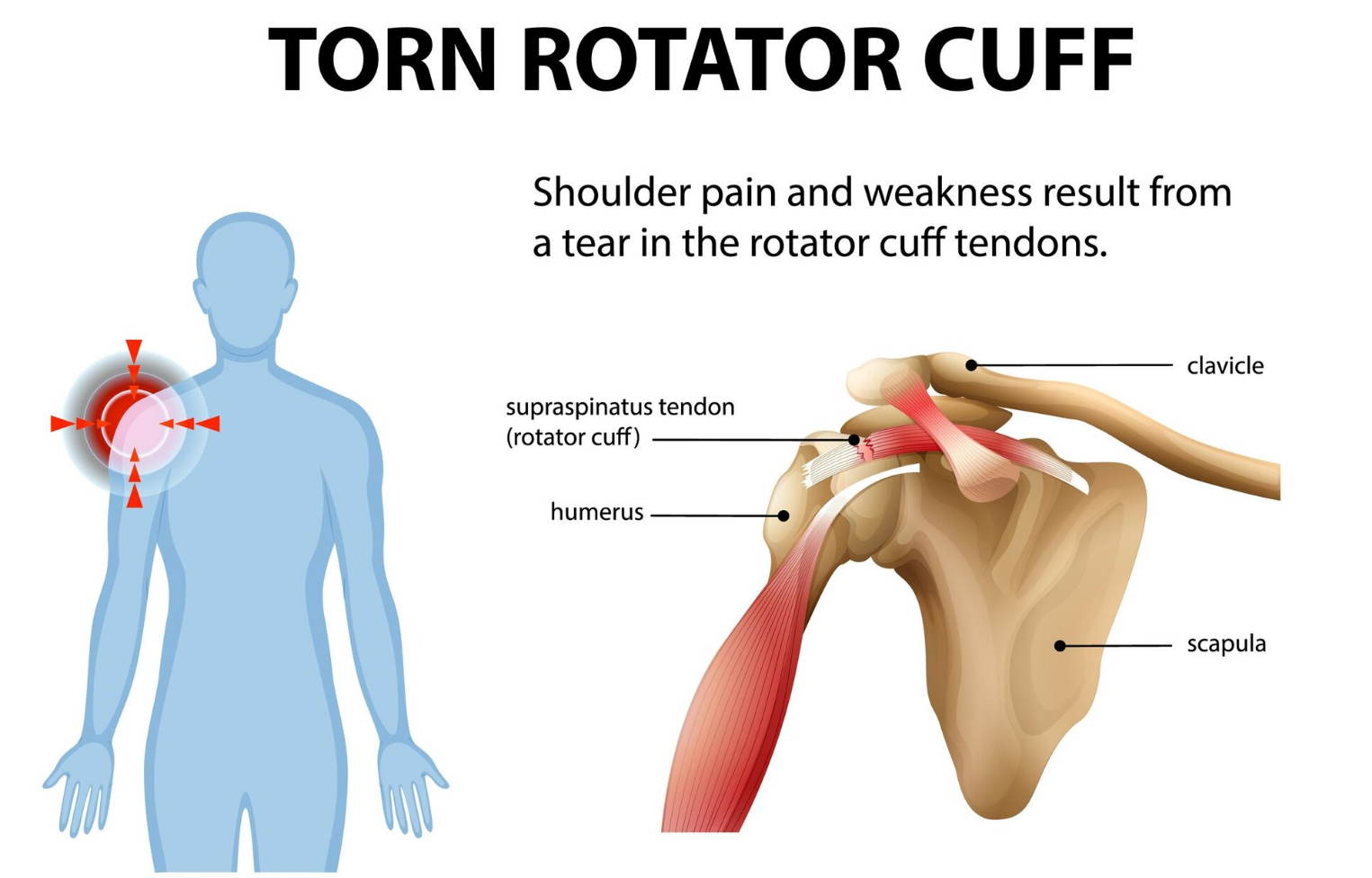
4. Rotator Cuff Injuries: Athletes who participate in sports that involve overhead movements, such as baseball or swimming, are prone to rotator cuff injuries. Shockwave therapy can help reduce pain and improve shoulder function.

Woman experiencing tennis elbow/lateral epicondylalgia

Shockwave therapy can be used to treat lateral epicondylitis, more commonly known as tennis elbow

5. Shin Splints: This condition is characterized by pain along the shin bone and is common among runners and athletes who engage in high-impact activities. Shockwave therapy can help accelerate the healing process and reduce pain.

Can I get shockwave therapy for my injury?

It’s important to note that while shockwave therapy can be effective for certain sports injuries, it may not be suitable for every case. It’s essential to consult with a healthcare provider or a sports medicine specialist. Then, they will help you determine the most appropriate treatment plan for your specific injury. Additionally, some pre-existing medical conditions like cancer, bleeding and blood clotting disorders are contraindications for shockwave therapy.

Try PhysioNow!

In conclusion, shockwave therapy is an effective treatment option for various sports injuries. It offers patients a non-invasive and effective way to manage pain and promote healing. By incorporating this innovative therapy into their rehabilitation programs, patients can potentially expedite their recovery and return to their active lifestyles sooner. Shockwave Therapy is offered at our Applewood location of PhysioNow by qualified physiotherapists. Contact us today to book your first treatment!

10 Common Injuries For Athletes

Sports Injuries are common in the knee

Sports injuries can vary widely depending on the type of sport, the level of competition, and the mechanisms of injury. Some of these injuries you may have experienced yourself while others you may have heard of or even seen them happen on television. Our team at PhysioNow has treated many athletics and sports injuries over the years and would love to share our experiences with them!

1. Ankle sprains/tears

Rolled ankles are very frequently seen sports injuries

Often, injuries to the ankle ligaments are seen as a result of a running or jumping sport. In most cases, the ankle gets bent too far in a certain direction, resulting in fibers of the ankle ligament(s) getting torn. In the initial stage, ice, rest and management of pain and swelling are key. Most people will require some sort of brace or boot and take around 8 weeks to recover with physiotherapy.

2. ACL Tear

ACL tears are a very serious injury that many athletes require surgical intervention for. Tears or ruptures happen in this stabilizing ligament during sudden movements, especially rapid changes in direction, starting and stopping, and pivoting on the knee. After a surgical repair, a strict rehabilitation protocol with a physiotherapist is key for athletes to recover.

3.  AC Joint Injuries

The AC joint in the shoulder is usually injured through a fall onto on outstretched hand or in contact sports where the arm gets forcefully shoved across the body. This usually results in tears in the joint capsule and ligament that holds the 2 bones together. As a result, it may produce a bump above the shoulder from the collar bone sticking out. Depending on the extent of the tear, surgical intervention may or may not be necessary, with physiotherapy following to mobilize and strengthen the shoulder.

4. Hamstring or groin strains

The 2 most commonly pulled muscles occur at the back or inside of the leg. For athletes, the high speed and forceful movements of jumping, kicking, and sprinting put these 2 muscles under a lot of stress. Some strains may heal on their own, but many would benefit from athletic physiotherapy to speed the recovery process up, and ensure that strength, coordination and balance returns to the athlete fully.

5. Meniscal Injuries

The menisci are like little cushions inside our knees that act as shock absorbers. They are commonly injured alongside other structures in the knee including the MCL, LCL, and ACL ligaments. Outcomes for the menisci can be highly variable and will likely require thorough examination by a physiotherapist and orthopedic surgeon to establish a prognosis.

6. Rotator cuff injuries

Man with shoulder pain from rotator cuff tear

Our shoulders are a very complex joint that sacrifices stability for mobility. As a result, they are commonly injured structures, especially in overhead and throwing athletes. The first line of treatment for athletes is physiotherapy to rehabilitate the muscle and where that fails, surgery may be required.

7. Fractures

Broken bones are common no matter what sport, but the type and severity of the fracture will change the rehabilitation. Some cases will require a surgical repair immediately, while others will need to be casted for 6-8 weeks.  Afterwards, once cleared by a doctor, athletic physiotherapy will be started immediately to restore the mobility and strength of the affected area.

8. Tennis/Golfer’s Elbow

Brace for tennis elbow

Bandit tennis elbow brace

Most likely to be seen in throwing or racket sports, this is an overuse injury affecting your elbow and forearm. The muscles that control or wrist experience a lot of strain when hitting and throwing which can result a stress injury.  Usually, there is inflammation, pain, swelling, and difficulty gripping/carrying objects.

9.  Jumper’s Knee

Jumper’s knee is an overuse injury causing pain right below the kneecap, on the patellar tendon. High intensity and repetitive motions can irritate the tendon causing tenderness, swelling, and inflammation. Athletic physiotherapy may consist of education on bracing, activity modifications, and therapeutic exercises to help you restore your normal function.

10. Concussion

Concussions are traumatic brain injuries that are common sport injuries due to the high-speed nature of many sports. Contact sports like hockey, football and rugby athletes are at higher risk of concussions. They are usually paired with a neck/whiplash injury as well, and can produce a whole host of visual, vestibular, cognitive and physical symptoms.

All of these conditions are commonly seen in our physiotherapy clinics across the GTA. If you or someone you know is looking for athletic physiotherapy for one of the conditions above, or any other sports injuries, we would love to help! PhysioNow can offer same day emergency treatments as well. Book with PhysioNow today for your first assessment and treatment!

Stopping Shin Splints with Physiotherapy

What is a shin splint?

Shin splints are a common complaint in runners or athletes with sports that involve a lot of high impact movements like dancers, volleyball, basketball players, etc.

Usually, it presents as pain in the front of the lower leg, or the shin area. Sometimes, it may be called medial tibial stress syndrome (MTSS). Oftentimes, it’s caused by irritation of the tissues between the tibial bone and the muscles, and/or overuse of a lower leg muscle called the tibialis anterior. It can happen to just a single leg, or both simultaneously.

The muscle, tibialis anterior, may be involved in the development of shin splints.

The tibialis anterior play major role in lifting your ankle upwards (dorsiflexion). Functionally, it helps with shock absorption and is a major contributor during ambulation.

Why do shin splints happen?

1) Footwear: If you run or exercise a lot without proper running or sports shoes, it puts additional stress on the muscles around the leg. Consequently, this can result in the overuse and irritation of the structures in the area, and pain in the shin bone.

2) Sudden change in activity: Abruptly increasing the difficulty in your exercise routine like training more frequently, for longer periods of time, or increased repetitions increases your chance of developing shin splints.

3) Muscle imbalance: Muscle weakness or tightness can influence the biomechanics of your stride and gait. As a result, the areas you place more weight on may change and increase the pressure on certain areas of the body like the shins.

4) Sports like dancing, running, soccer etc: Notably, these activities focus more on lower body movements that are high impact. Therefore, individuals who practice these sports may be more at risk for developing shin splints.

5) Flat Feet: Flat or pronated feet change the pull of muscles and weightbearing in the legs. As a result, this may create muscular imbalance and result in some muscles having to work harder, putting increased stress on them.

What are the signs and symptoms?

1) Dull, achy pain down the shin bone

2) Tender to the touch over the shin area, especially the inner portion

3) Swelling over the shin area

4) May experience redness on the lower leg after exercises

5) Exercise makes it worse while rest makes it better

How can shin splints be treated acutely?

Importantly, the RICE protocol is used often on sports injuries and works well on shin splints in the acute phase. RICE is an acronym that helps us remember what to do to treat our injuries.

1) Rest: Firstly, avoiding exercise for some time will allow muscles to recover and allow more efficient healing.

2) Icing: Secondly, icing on the shins will reduce inflammation, pain and swelling.

3) Compression: Additionally, compression bandages or braces can reduce stress on muscles and prevent pain.

4) Elevation: Finally, elevating the leg can help clear swelling and reduce inflammation from the leg.

How can shin splints be treated in the long term?

Physiotherapy is the first line of treatment for shin splints as it is a common sports injury. The following steps will help improve your pain.

Orthotics: Custom made insoles can correct the muscle imbalance and takes pressure off from overworked areas

Orthotics

Orthotics may help correct foot posture increase the risk of developing shin splints

Footwear: Proper runners or sports shoes are needed as a proper base of support to your ankle and leg. Then, this will help the muscles and joints absorb less pressure.

Stretching exercises: Ankle stretches will correct muscle length and after exercising, helps to clear byproducts of exercise that can make muscles sore. Eg. Calf stretch, soleus stretch, tibialis anterior stretch.

One example of a calf stretch, but many other effective methods may be used

Massage: Self-massage or massage therapy on tender spots and the surrounding muscles will help reduce inflammation and reduce areas of high muscular tension.

Strengthening exercises: Strengthening certain group of muscles can make them more resilient, correct imbalances, and prevent pain. Eg. Strengthening exercises of the calves, quads, and glutes can help correct this issue, especially in areas of weakness.

Looking for treatment? Look for PhysioNow!

If you are experiencing leg pain or shin splints, you can get treatment quickly! Here at PhysioNow, we have many expert Registered Physiotherapist to help, with locations across the GTA including Burlington, Oakville, Mississauga, and Etobicoke. Book with PhysioNow today for your first assessment and treatment!