
Tag Archives: pediatric physiotherapy

Pediatric Physiotherapy: How It Can Help You and Your Family

Pediatric Physiotherapy is a specialization that focuses on infants, and children. It is widely recognized that the bodies and brains of our children are vastly different than an adults. From the way they learn, heal, and constantly are developing, we need to treat them differently as well. While the average sports injuries, strains, sprains, fractures and more are all still present in this age group, there are also unique conditions that are managed by pediatric physiotherapists. In this blog, we will discuss the more specialized situations that are unique to a pediatric population, and how Pediatric Physiotherapy is uniquely configured to address it.

Why do children need pediatric physiotherapy?

When a baby is born most of their physical function is controlled by a bunch of reflex systems that are more dominated from their spinal cord level, called “spinal reflexes’’, and not from their brain. Babies Brains are not developed during the time of birth. Hence, these reflexes are temporarily present to protect them. As the child grows these reflexes integrate and their brain starts developing more refined movements which are then controlled by the mature brain.

While a baby is growing it’s very important to help them get through this phase so their brain develops normally and they are functional to the best of their capacity. Some children take longer to get into this and some may not be able to get the full potential due to various medical reasons.

What is special about pediatric physiotherapy?

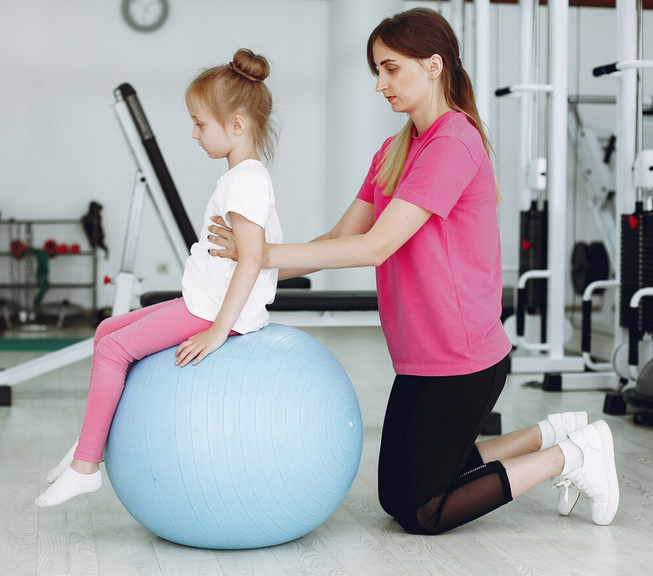
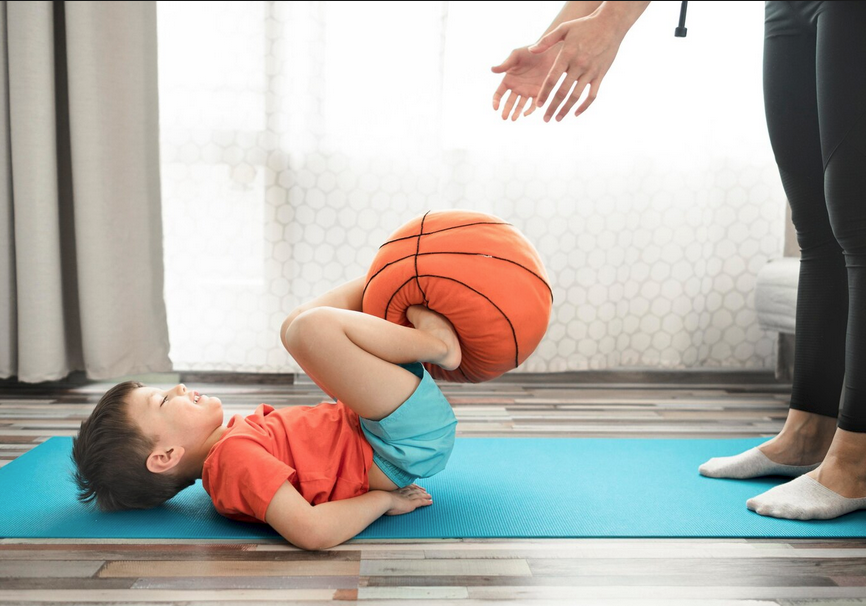
Pediatric Physiotherapy will teach guardians how to be involved in their little one’s care. Exercises may look and feel like play for kids, which is important for keeping them engaged. Each exercise will be designed to target a specific motor development skill or goal

Pediatric physiotherapy is a very unique way of helping small infants and children. To specify, it facilitates gross motor development and provide support to guardians through a family-centered approach to treatment. “A Family Centered Approach” means where a child and family are an important part of the team. They are present at each session, actively participate and help facilitate treatment goals and plans of care based on their individual needs and requirements.

What happens in a session?

A trained Physiotherapist is able to determine what motor skills are missing in normal growth by conducting a thorough pediatric assessment. Afterwards, based on their findings, they will create a program that will help the child to achieve this milestone.

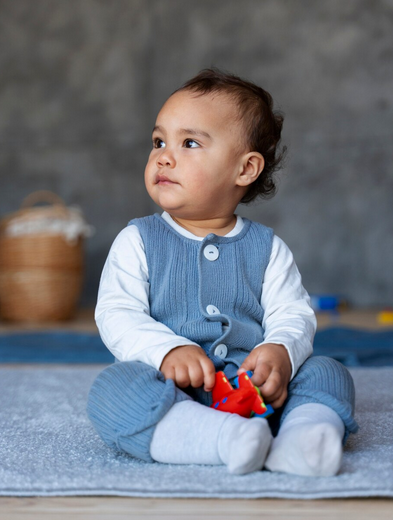
For example, baby’s should develop the ability to sit with support around 6 months, and unsupported by 9 months old. However, keep in mind these are just general rules of thumb and individual variation is to be expected.

Milestones are considered a very important landmark in a child’s development. This is a time sensitive phase where a set time determines when a child should develop certain skills. For example, a healthy baby is able to sit with support by 6 months and is able to hold and transfer objects from one hand to another by 9 months. Sometimes this might change and it could take longer and your physiotherapist can determine whether it’s normal or not normal by having a close look at their movement patterns. Remember, child development is not just about learning how to move, rather it’s also about observing if they are able to hear and listen to sounds. If they have a hearing problem it has to be addressed quickly as listening and hearing helps them to talk, and plays a major role in helping them learning motor skills.

As babies grow, they may have certain problems even if they have grown fully and normally. At times they regress back suddenly and are not able to do things they were doing before. There are various reasons why this happens, but the main cause is due to sudden brain damage. In children the most common cause for this is having a intense fever due to seizures or any kind of infection. This high body temperature due to infections and seizures causes their developing brain to regress back. Hence its very important to be careful when a child develops a fever.

What kind of conditions can be treated in Pediatric Physiotherapy?

Some of the common conditions that require a pediatric physiotherapist consultation and treatment plan are as below:

  1. Down syndrome: Genetic condition, low muscle tone leading to delayed development 
  2. General delayed milestone: Normal development but slower than a normal child would be
  3. Neonatal abstinence syndrome: A child born with drug and substance withdrawal due to maternal use during pregnancy
  4. Cerebral palsy: There are different types, impaired motor development due to high muscle tone
  5. After Botox therapy: Botox is injected to the muscle group to decrease the muscle tone and help walking, especially in children with cerebral palsy
  6. Autism Spectrum Disorder: issues with sensory processing and tippy toe walking
  7. Hip dysplasia: Issues with hip clicking that can cause a lot of pain during activity

Looking for more information?

If you are concerned with your child with any of the above, if your newborn was in an ICU for a very long time, or if your baby was born very early (prematurely), please give a call for a short consultation. We are here to help and answer all your questions. Currently, Pediatric Physiotherapy services are offered with Bimala Odari at the PhysioNow Oakville North and Credit-View Bristol locations. We offer private treatment rooms and specialized equipment for each pediatric appointment.


Please reach out to us at Physio Now at our central line 289-724-0448, or email oakvillenorth@physionow.ca creditview@physionow.ca for more information.

Blog post written by Bimala Odari (BPT, MPT) (Pediatric), Registered Physiotherapist 

Safe Play: Physiotherapy for Kid’s Sports Injuries

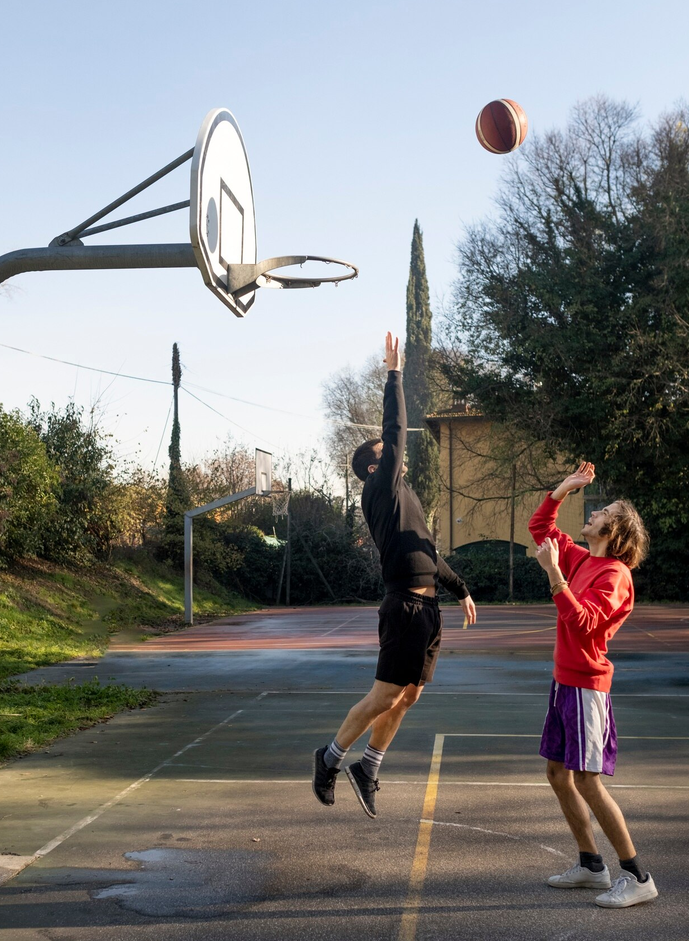
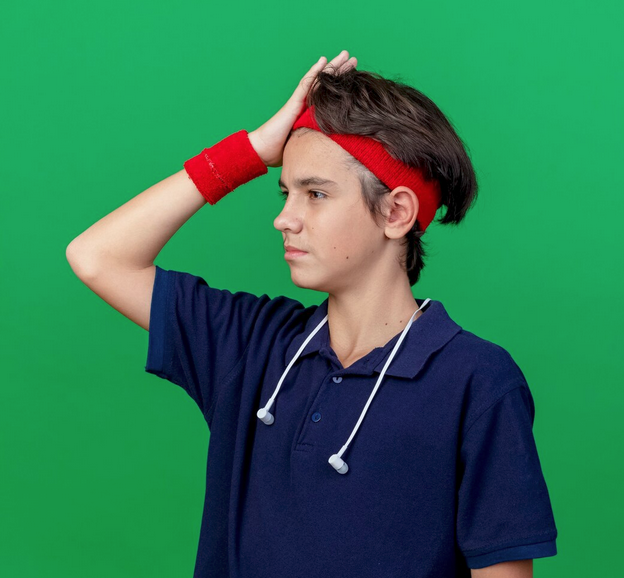
Physiotherapy for kid’s sports injuries is becoming more and more relevant. Recently, we have seen that children and teenagers are becoming more active than ever. Whether it’s taking part at the level of competitive, clubs, camps, or recreational activities, most children are involved in some way. As we know, physical activities are great for their physical, mental and overall development. However, it also puts them at risk of certain injuries. As a child’s bones, muscles, and ligaments are still growing and developing, this makes them vulnerable to certain injuries that can be different from adults. Sports physiotherapy plays a vital role in helping young athletes recover fast, return to sport safely, and prevent future injuries.

What are common sports injuries in children and teenagers?

Concussions are traumatic head injuries are very common in contact sports, and an increasingly large body of research continues to support how serious these types of injuries are
  • Sprains and strains: Ligament sprains or muscle strains are seen commonly in kids who play competitive or fast paced sports with sudden changes in direction, starting, and stopping
  • Growth plate injuries: In children their bones are not completely developed. At the end of long bones is where we find growth plates, which are softer than matured bones. As a result, they are more vulnerable to injury, whether it is from a trauma or repetitive stresses
  • Overuse injuries: Repetitive stress from the sports can leads to injuries such as stress fractures, shin splints, and tendinitis
  • Fractures: Falls or collisions can cause breaks that require immobilization and careful rehabilitation
  • Concussions or neck injuries: In some contact sports kids get injuries to their head and neck which might require medical attention and specialized concussion rehabilitation

How does physiotherapy help kids sports injuries?

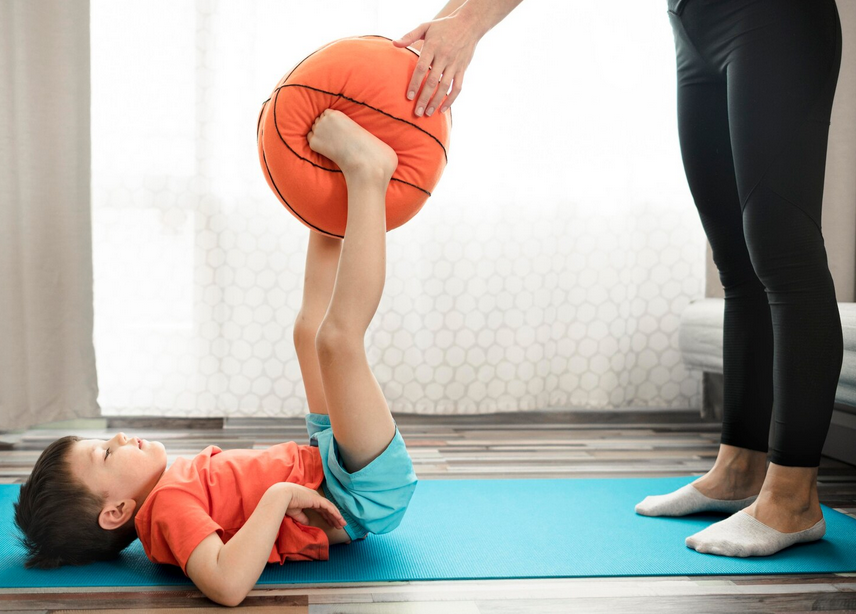
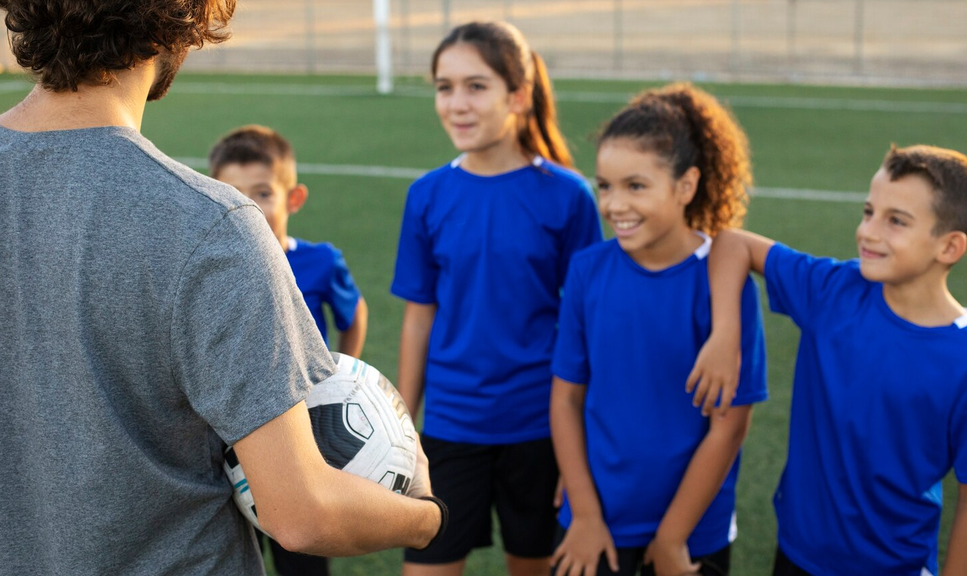
For young children, physiotherapy looks a little more fun! Oftentimes, the exercises will incorporate games or fun activities to help keep them involved.

1. Accurate assessment and individualized care: 

        A Physiotherapist who has experience and expertise with kids can help you by assessing the nature of the injuries. They will create an individualized plan after taking into account age, growth stage, and the type and level of sport they have to return to. They collaborate and coordinate with the team including parents, coaches, and other medical professional.

        2. Pain relief and early management

        Initially, the focus is to reduce the pain and inflammation using a combination of resting, icing, modalities like therapeutic ultrasound, or immobilization using braces or splints. Your Physiotherapist can help you plan out modifications so your kid can still participate in school and day to day activity safely, while protecting the injured area. 

        3. Restoring mobility and strength

        Afterwards, once pain and swelling reduces, the focus of the treatment shifts to gaining the range of motion, flexibility and strength of the injured and surrounding structure. In kids, rather than performing traditional ways of exercises the exercises are designed to be fun, age-appropriate and sports related. Overall, this helps to keep them motivated and take an active role in their own recovery.

        4. Preventing re-injury

        While treating your child’s injured and painful area, the Physiotherapist will also address the causes of pain which leads to this issue. Sometimes it can be from a muscle imbalance, training error or poor form during movement. They help your child create a comprehensive exercise routine for you involving a proper warm up, mobility, balance, and strengthening work, and finally may recommend specific drills related to your sport.

        5. Gradual return to play

        Returning to sport too soon is a major cause of re-injury. A physiotherapist monitors progress and gradually increases intensity in training, mimicking sport movements to ensure the child is ready for full participation. Then, they will coordinate with the coaches to slowly permit back to play.

        6. Education for parents and coaches

        Parents and coaches play important parts in the recovery process. A physiotherapist will update them about progress and current restrictions. Additionally, they will educate them about appropriate footwear, training intensity and loading and motivating strategies for kids. For example, it is important that both your child and you understand the signs and symptoms of worsening symptoms when starting return to play, so that you may catch and prevent a potential injury early.

        Benefits of “prehab” and physiotherapy for young athletes

        Preventing an injury is the ideal situation. Because of this, the idea of “prehabilitation” or “prehab” for short focuses on assessing potential risks for an athlete and minimizing them. For example, this could be a young athlete who a Physiotherapist notices relies more on one side over the other, or performs a movement with poor form. Early coaching and addressing these issues can prevent or lessen the impact of an injury farther down the line. Assessment and treatment at early stage can help to reduce recovery time and complications. Early physiotherapy management can help to prevent future complications like chronic pains, poor movements and damage to growing bones and muscles 

        Physiotherapy is not just for adults; it plays part in different age group people’s life. For young athletes, it can mean the difference between a minor setback and a long-term problem. With a child-friendly approach, physiotherapists help kids recover faster, improve their confidence in movement and safe return to the activities they like.

        Looking for help with a kids sports injury?

        If your child has been injured playing a sport or other athletic activity, look for PhysioNow! We have many experienced sports physiotherapists with expertise across a whole range of different sports. Our team will help you and your kids to create a treatment approach to get them healthy and back in the game! With 10 locations across the west GTA, PhysioNow is here to support you and your family. Book with PhysioNow today for your first assessment and treatment!
        Physiotherapy for Children: Safe and Effective!

        Physiotherapy for kids

        Image by Freepik

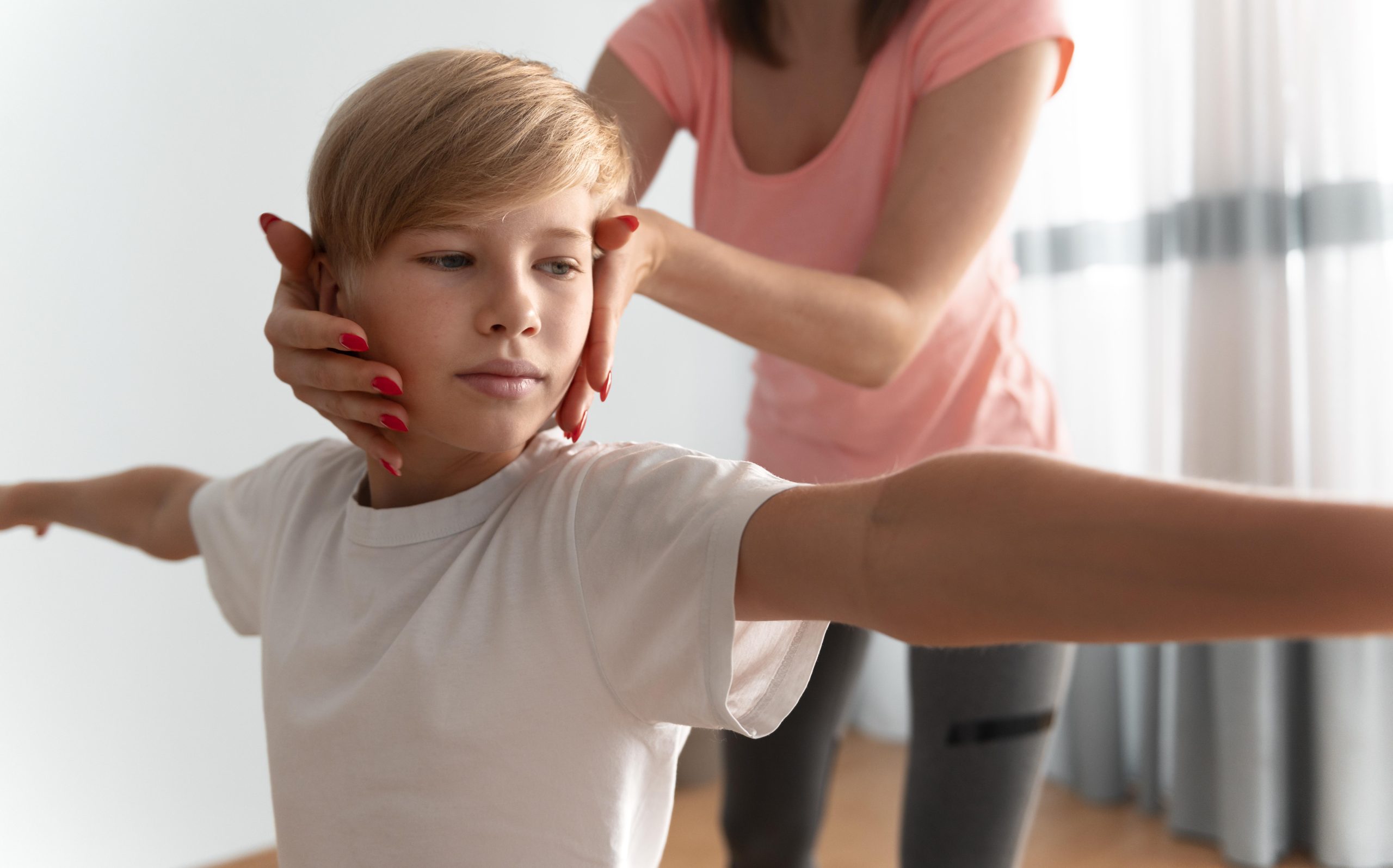
        Physiotherapy for children, also known as pediatric physiotherapy, diagnoses and treats a wide variety of conditions and disorders, just like in adults. For example, the usual pulled muscles, sprained ligaments, and broken bones are treated in children very similarly to adults and physiotherapists treat these with expertise. Additionally, some conditions are exclusive to, or more likely to be seen in infants, children, and adolescents. Thus, some physiotherapists specialize in pediatric physiotherapy, to treat these more chronic conditions. In this blog, we discuss the most common conditions seen in physiotherapy, and how a session may be structured differently in adults versus children.

        Most Common Conditions and Disorders

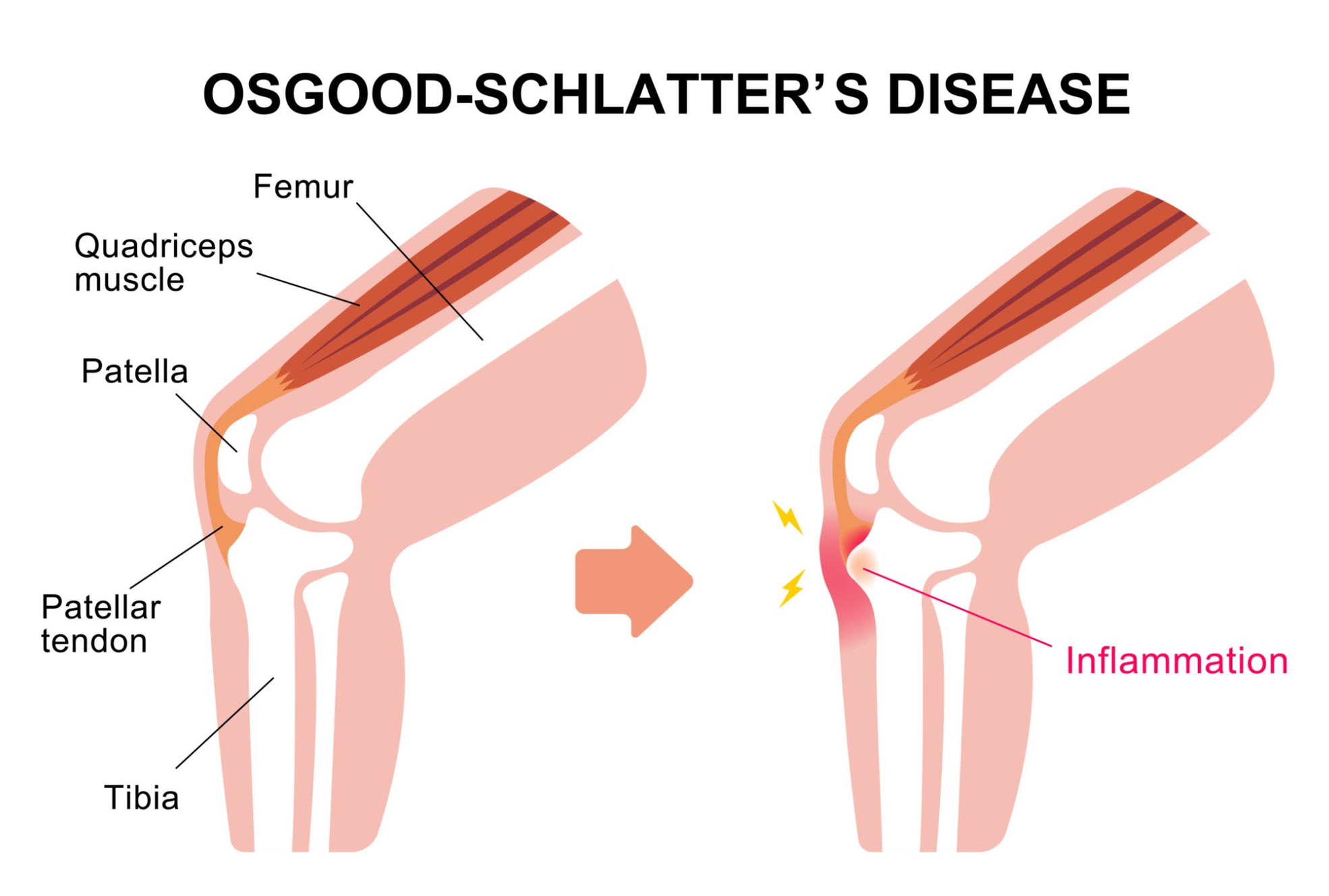
        1. Osgoode Schlatter’s Disease: Firstly, pain is caused by inflammation of the patellar (knee cap) tendon at the bone below the knee. It most commonly affects adolescent, athletic males.

        2. Orthopedic conditions: Includes conditions affecting bones, muscles, and joints ex. Fractures or scoliosis

        3. Developmental Delays: Unfortunately, some individuals have delays in hitting their motor milestones. Luckily, physiotherapists can give exercises to help develop key skills like crawling, walking, and running.

        4. Neurological disorders: This includes conditions affecting the nervous system like traumatic brain injuries or spina bifida.

        5. Torticollis: Affects infants and causes their heads to rotate and sit tilted towards one side

        6. Cerebral palsy: Importantly, it is the most common motor disability in childhood and results in impairments in an individual’s abilities. For example, it affects their mobility and capacity to maintain balance and posture. In addition, there may be other related problems with vision, hearing, and capability to learn.

        Overall, these are just a quick overview of some of the most common conditions treatable with physiotherapy. However, there are other, and rarer, conditions that were not listed.

        What does a treatment look like?

        1. Evaluation and assessment: Firstly, the physiotherapist assesses the child’s movement patterns, strength, and motor milestones. For example, flipping from their stomach to back, crawling, standing balance, coordination and posture.

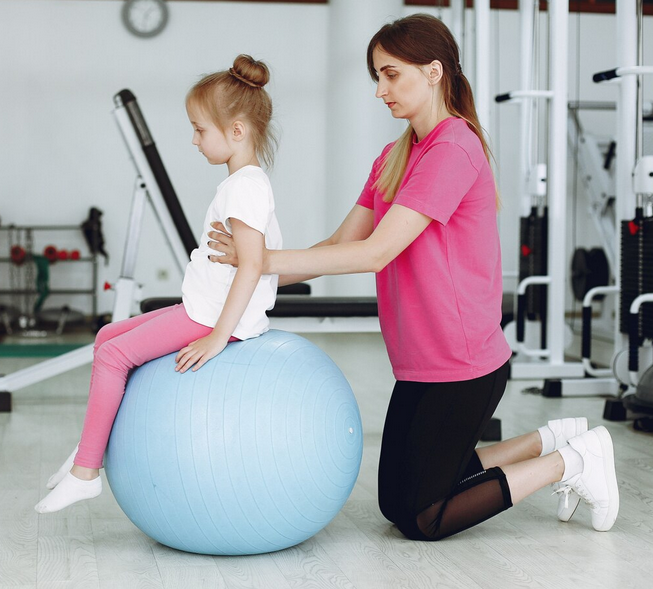
        2. Tailored treatment plan: Next, depending on the child’s age, the treatment plan is modified appropriately for them. For example, young children have difficulty doing traditional physiotherapy exercises. Instead, physiotherapists use a play-based approach using toys or games. As a result, the sessions are fun and enjoyable. The child must be engaged to improve their skills and strength in pursuit of the physiotherapy goals.

        Play-based physiotherapy for children

        Image by Freepik

        3. Family involvement: Notably, in pediatric physiotherapy, parents and caregivers are heavily involved in the process. This inclusion is crucial to the child’s success. As a result, families are educated on techniques and exercises to perform with their child. Accordingly, they develop a unique daily routine to work on therapeutic goals at home.

        4. Collaboration: Oftentimes, for chronic pediatric conditions, collaboration is necessary with other healthcare professionals. For example, a pediatrician, speech language therapist, occupational therapists and more may be included. They work together to recommend assistive equipment like gait aids, wheelchairs, home equipment, braces, splints and more, depending on the condition.

        If you are interested in learning more about pediatric conditions or think that your child may benefit from physiotherapy, our expert Registered Physiotherapists at PhysioNow are happy to help you. Book with PhysioNow today for an initial assessment and treatment!