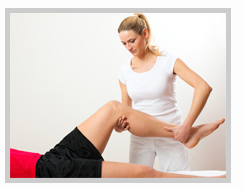

Is your kid complaining about a persistent knee pain under their knee? Does it bother them the most after physical activity, especially basketball, volleyball, soccer player or other sport? If so, they might be dealing with a condition called Osgood Schlatter’s Disease. Dont’ worry, it sounds scary but it’s very common and manageable with Physiotherapy!
What is Osgood Schlatter’s?
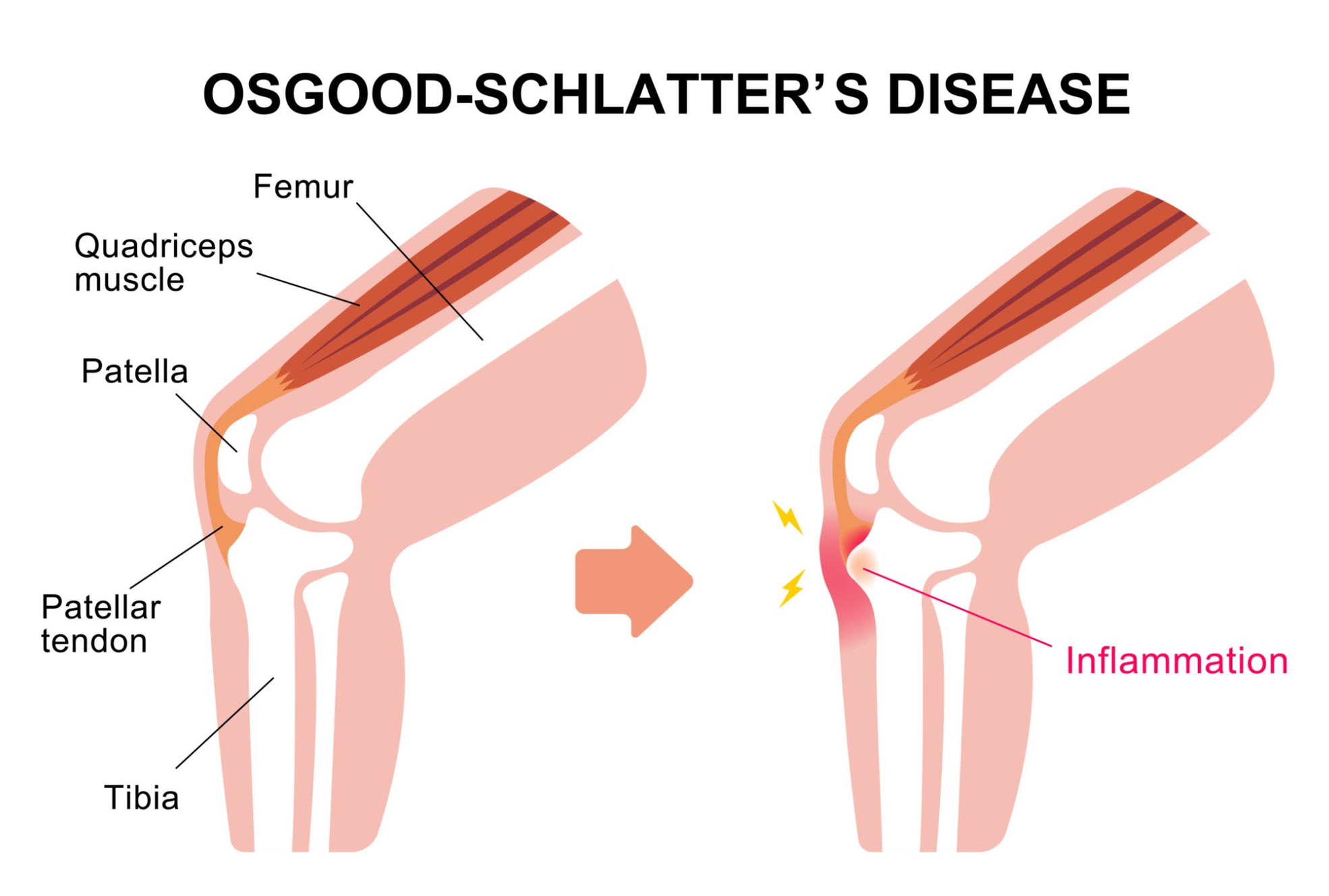
To put it in simple terms, Osgoode Schlatter’s is the inflammation of a part of the tibia (shin bone), right where the tendon attaches. Repetitive and high force contraction of the tendon puts pressure on the growth plate, causing irritation over time. Eventually, it can even cause a prominent bony bump to form where the tendon attaches.
It is most frequent in young athletes, especially boys, from around 10-15 years of age, but can certainly happen in girls as well. It is more likely to happen after growth spurts and with highly active individuals. The more intense the sport is, with running, jumping and sprinting, the more likely they are to develop this condition.
What are the signs and symptoms for it?
- Pain at the front of the knee, tender to the touch
- May have swelling at the front of the knee
- Worse with activity
- Worst with running, jumping, kneeling, squatting
- Enlarged prominence may be present at front of knee
What is the treatment for Osgood-Schlatter?
Thankfully, research shows that most Osgood-Schlatter cases are self-limiting, which means that it will resolve itself over time. However, this time can be quite long (months) and painful, especially if not managed correctly. In some cases, daily activities such as stairs can be quite sore, and they may have to take an extended break from their sport if their symptoms are severe.
As a result, Physiotherapy is highly recommended so that your child can experience the smoothest process for recovery and the fewest limitations to their daily life and physical activities. The goal of physiotherapy is to help you understand the condition, how to avoid flaring it up, strengthen the muscles, and correct movement patterns that can exacerbate the condition. Next, we’ll go through the common Physiotherapy treatments in more detail:
Pain Control
Obviously, one of the most important things to you and your child is how to manage the pain. Immediate treatment for pain can include use of heat, ice and NSAIDs. Based on your symptoms, your Physiotherapist will recommend a plan of action including relative rest and activity modifications. They will try to have you participate in as much as possible without making your condition worse. You may still be able to play some sports, but have to take more rests or not play as hard. Manual therapy and massage techniques may be used to help alleviate pain.
Exercise Plan
Poor flexibility can be a predisposing factor to this issue. Tight quadriceps can increase the tension of the tendon on the bony area, worsening the irritation. Your Physiotherapist can teach you specific stretches to target the affected areas. Additionally, strengthening the hips, knee, and core are all beneficial. Weakness in one area can produce compensations in others, increasing the risk of overuse and injury over time. Your Physiotherapist will help you put together a comprehensive program to address your individual weaknesses and how to progress exercises safely.
Teaching proper movement patterns
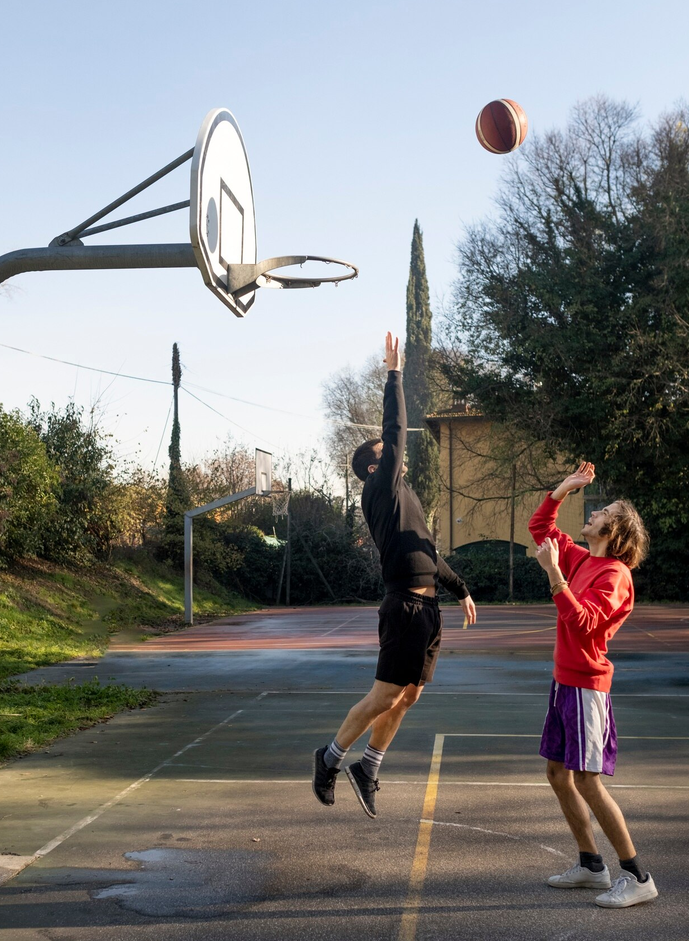
Improper form such as in a squat, or taking off and landing from a jump can put extra stress on an area. Doing a biomechanical assessment can be helpful to catch any predisposing factors and ultimately, lessen the load on the knee. Your Physiotherapist will look at the common moves in your sport, and give you specific drills and cues to help you adapt.
Looking for help with knee pain?
Look for PhysioNow! We have 10 clinics across the West GTA including Burlington, Mississauga, Oakville, and Etobicoke. We have late evening hours and Saturday hours available to help you and your children find the times that they need. Don’t let your pain continue to worsen, get help today! Book with PhysioNow for your first assessment and treatment!