Tag Archives: Sports Injuyr

Soccer Injury Rehab: A Physiotherapy Guide

Soccer is a demanding sport. The quick sprints, sudden pivots, and powerful kicks that make the game exciting also put a lot of stress on your body. As the weather starts to warm up in the GTA, we know more of you will be getting outside and returning to the field. As a result, we always expect to see more injuries during this time, especially for our soccer players. Here’s what you need to know about soccer injury rehab, and how to stay off the sidelines this spring and summer.

Why do injuries happen at the start of the season?
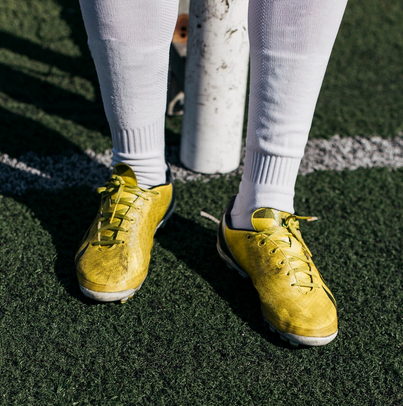
Cleats are specifically designed for traction and structural support. Depending on your level of play, you may need to switch them out every 6-12 months

Understanding why injuries happen is important to preventing them. Injuries usually stem from mechanical overload (too much force at one moment), training overload, (too much activity over time), pre-existing imbalances and injuries, and improper gear or technique. Let’s discuss each one briefly.

  1. Mechanical overload
    • Soccer has a lot of high speed movements like kicking and sprinting. In these movements, huge amounts of force are generated in the tissues in a very short amount of time. Because of this, this is often where they are the most vulnerable to strains and sprains.
  2. Training overload
    • In other words, doing too much, too soon. If you go from the couch to a 90-minute match without a progressive build-up, your tissues might not be ready for the load
  3. Muscular imbalances and old injuries
    • It could be as simple as an old twisted ankle that you never rehabbed. As a result, it’s not as stable or strong as it should be, leaving it and other areas vulnerable to injury
  4. Gear and technique
    • Having ill fitting or worn out shoes can increase the risk of falls, slips, and other traumas. Having improper technique such as with kicking the ball can put excessive strain on muscles and joints.

What are the most common soccer injuries?

Because soccer involves constant change of direction and explosive movements, most injuries affect the lower body. Here are the most common ones that we see in the clinic:

  • Ankle sprains: Usually caused by rolling the ankle on uneven turf
  • Hamstring strains: Often happen during a full-out sprint or a high kick
  • ACL Tears/Knee sprains: These frequently occur from a sudden pivot or change in direction.
  • Groin pulls: Common when changing direction quickly or reaching for a ball.
  • Shin splints: An overuse injury often felt by players increasing their duration of play or playing on hard surfaces.

Soccer injury rehab and prehab

Physiotherapy doesn’t just tell you to rest and ice. It can help even before you’re injured in a new mindset known as prehab.

What is prehab?

The best injury to treat is the one that never happens. Prehab, short for prehabilitation involves:

  • Screening: Identifying your specific movement impairments to address areas of risk
  • Strength & balance: Building “bulletproof” joints that can resist common injury patterns
  • Sport specific drills: Improving your body’s ability to decelerate, pivot, and other soccer techniques

What is rehab?
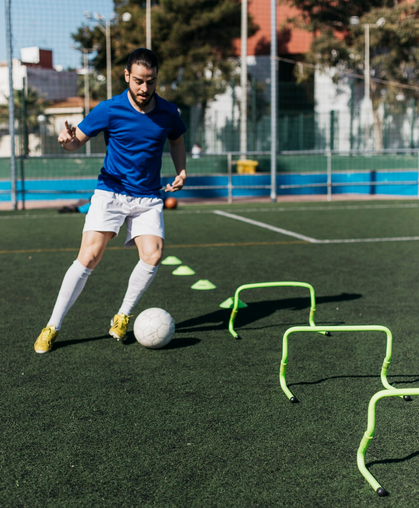
Soccer injury rehab ensures full return of speed, power, agility, strength, and coordination.

If you’re already hurt, we focus on a phased return to play. We aim to get you back as quickly and as safely as possible. There is no reason to rush a return if it will only result in another, and potentially more severe injury.

  • Phase 1: Pain management: Using manual therapy, heat, ice, and gentle movement to reduce swelling and regain range of motion
  • Phase 2: Loading: Gradually introducing weight and resistance to the injured tissue so it learns to handle stressors again
  • Phase 3: The final push: This is where we get sport-specific. We’ll have you sprinting, jumping, and kicking in a controlled environment to ensure you’re 100% ready for game day.

Need help with soccer rehab or a sports injury?

Then look for PhysioNow! We have an expert team of health professionals ready to help you get back into the game. Whether you’re preparing for the season or looking to rehab an injury prior to starting, we’ve got you.

We have locations at 10 clinics across the West GTA including Burlington, Oakville, Missisauga, and Etobicoke. With extended evening hours, Saturday hours, and free parking, we make sure that our clinics are accessible for everyone. Don’t let your pains stop your participation this summer, get it treated fast! Book with PhysioNow today for your first assessment and treatment! Or find us at P: 289-724-0448 or Email: applewood@physionow.ca
Training Tips: Leg Extension vs Squats

What’s the difference between leg extension and squats, and which ones better for you?

If you find are an avid gym goer yourself, you’ve probably heard some version of this argument. When discussing leg workouts, there is much debate surrounding the importance of leg extension versus squat movement. Although both of these exercises can be performed in a gym setting, they provide different results based on how each exercise incorporates various types of movement patterns into your workout regimen. 

Breaking down leg extensions vs squats

Let’s begin with understanding the basis of these two exercises.

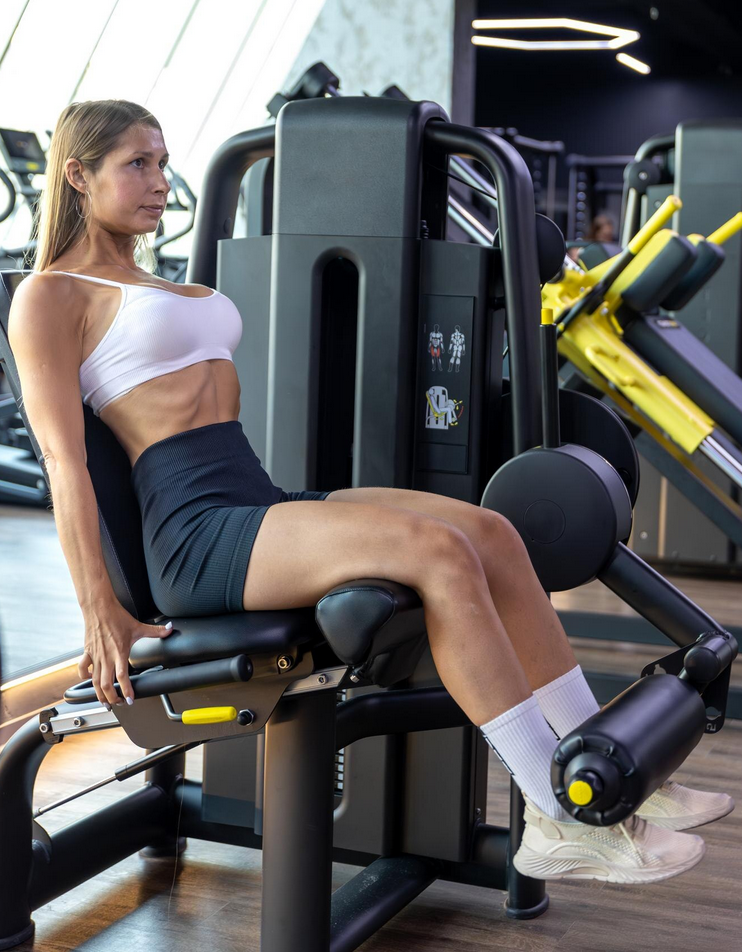
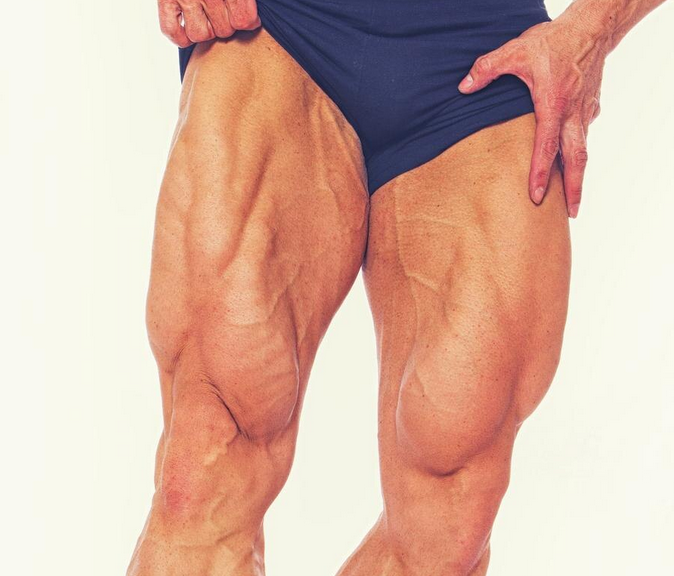
Leg extensions are a targeted movement for the quads (your big thigh muscles), providing an extremely isolated contraction. In this context, isolated means that the quads are the only muscles performing major work, the other muscles groups contributions are minimal. Consequently, the result is a complete and intense contraction of your quads at the end of each rep. If you want to develop a teardrop shape in your quad muscles, leg extensions are a great exercise to add to your routine.

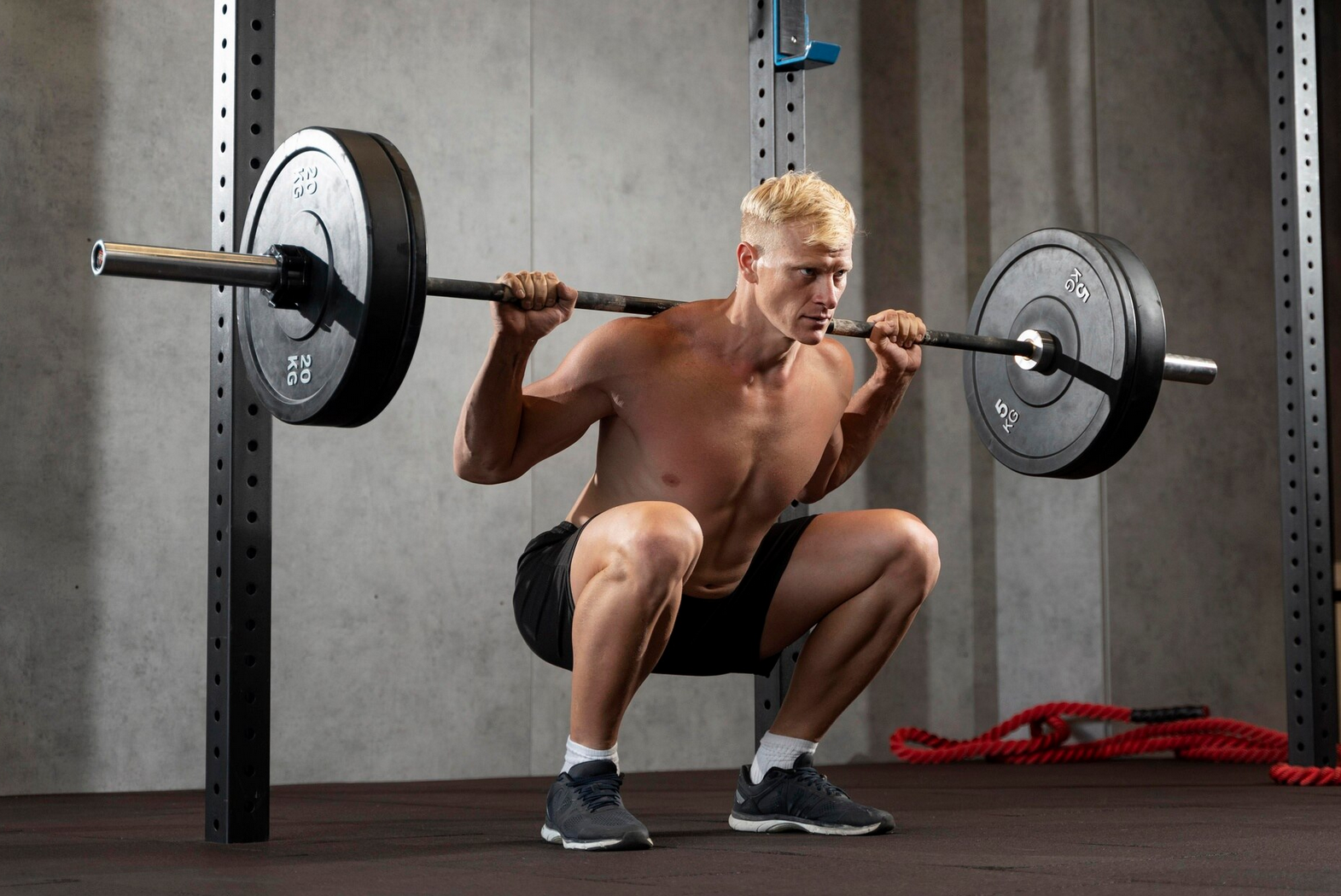
On the flip side, squats are the undisputed king of compound movements. They engage your entire lower body and core, making them the perfect exercise for building overall strength and functional fitness. Plus, squats are just plain awesome for building those glutes and hamstrings, in addition to quads. Because of this difference, leg extension and squat exercises cannot replace one another and serve different purposes in your leg training program.

Comparing the pros and cons of leg extensions vs squats

The benefits of leg extensions are their ease of use and isolation. Leg extension machines require little balance and coordination since the movement is machine guided and non-weight bearing (seated). Thus, leg extension devices are excellent for beginners or after an injury (rehabilitative) if prepared correctly. Leg extensions enable direct overload of the quadriceps without the involvement of other muscle groups and can help to correct imbalances in muscle development and increase volume in the quadriceps at the end of a workout.

However, due to their isolation nature, leg extensions have a number of limitations. Leg extensions are performed with a seated base and a fixed movement pattern, which do not replicate the natural leg movements we undergo in our daily lives or the leg movements performed in sports. Also, leg extensions place a large amount of stress on the knee joint, mainly when they are performed with heavy weights or with poor technique.

Conversely, squats are considered one of the best lower body exercise options available. They imitate the motions we use each day, like sitting down and standing up, lifting objects from the floor and more. They also help improve joint range of motion especially at the hips, ankles, and knees and developing strength usable throughout life. Additionally, squats recruit multiple muscle groups to perform an activity. This allowss for maximum overall strength development, an increase in muscle mass, and a higher volume of calories burned. As physiotherapists, we refer to squats as functional movements due to their real world carry over and ability to reduce the chance of injuries.

So which one is better?

So now the question arises, which type of exercise will best suit you? Most people who exercise should include squats in their routine as the foundation of their leg workouts. Squats allow the development of overall leg strength as well as improve balance, and when done correctly, squats promote good long-term joint health for those doing a lot of sitting and standing. Although not every person who trains their lower body will be an athlete, having strong legs is an important aspect of staying active and fit. A strong leg foundation is also beneficial to those who are trying to lose fat or improve daily movements, as good leg strength helps create a solid base of stability for any physical activity.

While squats are excellent for developing strength and balance, leg extensions also have a place in a complete lower-body workout program and can be an effective way to work on isolated quadriceps strength, to address a specific weakness and for increasing muscle definition without putting a high demand on the rest of the body.

Instead of trying to choose between squats and leg extensions, the most effective approach is to combine the benefits of each exercise, so everyone benefits from both improving their lower-body strength and developing good muscle definition. Prioritizing squats while supplementing with leg extensions will enable everyone to build strong and functional legs while still having a strong focus on building muscle, thus giving the best overall performance and appearance.

Have more questions?

Look for PhysioNow! We have expert clinicians ready to assist you with any training questions you may have. If you are struggling through any kind of knee pain, leg pain, or even anticipating an upcoming surgery whether it is a total knee replacement or an ACL repair, we will help you through it all! One of the most important parts of training is learning how to stay injury free, so book with PhysioNow today for you first assessment and treatment! Look for us at one of our 10 west GTA locations including Burlington, Oakville, Mississauga, and Etobicoke! P: 289-724-0448 Email: applewood@physionow.ca