FRIENDLY REMINDER: Use Your Extended Health Benefits Before the End of the Year!

Central Booking905-277-1782


Open

Osteoarthritis

June 12 | 2016
Posted by Sharon Tierney

0 comment

osteoarthritisOsteoarthritis Osteoarthritis is a degenerative condition that is characterized by the loss of cartilage. It most often affects the weight bearing joints of the hips, knees, spine and feet. It can also be found in the fingers and thumb. The job of cartilage is to absorb forces through the joints. It tries to protect the bones from rubbing against each other. As the cartilage starts to wear out or thin down, it loses its elasticity and is easily damaged by injury or use. If there is a lot of cartilage loss, it can cause changes to the underlying bone in several ways: -bone may thicken and cysts may form -bone spurs may develop near the end of the bone -bits of cartilage or bone can float in the joint space -the joint lining may become inflamed which can lead to further cartilage loss and bone damage…

Read More

Knee Injuries: Meniscal tears

May 06 | 2016
Posted by Sharon Tierney

0 comment

knee injuries: Meniscal tears Knee Injuries: Meniscal Tears The meniscus is cartilage that fits between the large bone of your thigh and the smaller bones below your knee. It acts as a shock absorber for your knee. There is one on the middle side and one on the outside of each knee. Knee injuries: meniscal tears can happen during activities that cause direct contact or pressure from a forced twist or rotation. A sudden pivot or turn, deep squatting, or heavy lifting can lead to injury. The meniscus weakens with age, and tears are more common in people over the age of 30. Movements like squatting or stepping can lead to injury in someone with a weak meniscus. If you have osteoarthritis, you’re at higher risk of knee injuries: meniscal tears. Osteoarthritis is a common joint disorder involving pain and stiffness in your joints caused by…

Read More

Carpal Tunnel Syndrome

March 04 | 2016
Posted by Sharon Tierney

0 comment

CARPAL TUNNEL SYNDROME: Carpal tunnel syndrome is compression of the median nerve as it passes into the hand. The median nerve is located on the palm side of the hand (also called the carpal tunnel). It provides sensation (ability to feel) to your thumb, index finger, long finger, and part of the ring finger. Compression of the nerve produces numbness, tingling and, eventually, hand weakness. Proper Physiotherapy treatment can relieve the tingling and numbness and restore wrist and hand function. Causes of Carpal Tunnel Syndrome: • Carpal tunnel syndrome can be made worse if the wrist is overextended repeatedly • Repeated motions of your wrist contribute to swelling and compression of the median nerve • Poor positioning of your wrists while using a keyboard or mouse • Prolonged exposure to vibrations from using hand tools or power tools • Any repeated movement that overextends your wrist, such as playing the…

Read More

Golfer’s Elbow

February 27 | 2016
Posted by Sharon Tierney

0 comment

Golfer’s elbow The muscles that help to bend the wrist and fingers are called flexor muscles. These muscles form tendons and get attached at the elbow level. When you develop Golfer’s elbow, it becomes painful and inflamed at the attachment point on the inner elbow. Golfer’s elbow tends to occur after a period of repeated overuse. The bone of your elbow is like a boney bump at the end of the bone where the muscles get attached. Golfer’s elbow may be acute or chronic. Generally when it is acute, there will be pain, swelling, redness and warmth. Some of the symptoms involve pain in the elbow that spreads up or down the forearm. You may also feel weakness in the forearm. Pain may start suddenly or develop gradually over time. Treatment for Golfer’s elbow Treatment varies depending on the stage of inflammation. The best way to reduce the problem is…

Read More

Plantar Fasciitis

February 27 | 2016
Posted by Sharon Tierney

0 comment

Plantar fasciitis The plantar fascia is the band of tissue (ligament) that connects your heel bone to your toes. The main function of this Fascia is to support the arch of your foot. Any strain to the plantar fascia will make it weak, swollen, and irritated. This results in the bottom of your foot hurting when you stand or walk. Some of the causes of plantar fasciitis are: high arches or flat feet, prolonged walking, standing, or running for long periods of time, especially on hard surfaces. Plantar fasciitis can also be caused by shoes that don’t fit well, tight calf muscles or being overweight. Plantar fasciitis is also common with athletes. Treatment recommended: In order to decrease these symptoms, try to give the feet adequate rest by reducing the activities that cause your foot to hurt. Walking on hard surfaces should be avoided. Talk to your physiotherapist today. They…

Read More

Acupuncture

January 31 | 2016
Posted by Sharon Tierney

0 comment

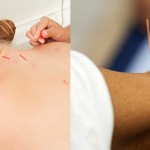
Acupuncture Pain is an alarm signal of the human body. When dealing with pain it is important that underlying causes are understood and dealt with. However it is desirable to relieve pain in the shortest amount of time. An acupuncture practitioner can deal with these underlying causes thru acupuncture. Acupuncture is one of the oldest forms of therapy in traditional Chinese medicine. This states that any sign of disease is an imbalance between ying and yang forces in the body. Acupuncture promotes the flow of life force energy and therefore brings balance to the human body. Acupuncture commonly includes manual…

Read More

Low Back Pain Prevention

January 31 | 2016
Posted by Sharon Tierney

0 comment

Low Back Pain Prevention Low back pain is the most common injury that physiotherapists and massage therapists treat. In fact it is said that up to 80 % of us will have low back pain at some point in our lives; pain severe enough that we will miss time from work and/or taking care of loved ones. As always, the best medicine is to Low back pain prevention. When it comes to low back pain prevention, there are many things that can be done to prevent injury including using the proper lifting techniques, proper posture and ergonomics at work, yoga…

Read More

Tennis Elbow Treatment

January 31 | 2016
Posted by Sharon Tierney

0 comment

Tennis Elbow Treatment Tennis elbow is most often the result of repetitive activities involving the wrist and/or hand. Excessive use of the wrist/hand can lead to increased stress on the muscles of the forearm. This causes damage to the muscle tendon. Since many muscles of the forearm come from just above the elbow, small tears of the muscle tendon are felt as pain on the outside of the elbow. The resulting pain and discomfort may be felt with everyday activities such as carrying groceries or lifting a jug of milk. The pain may also restrict various work-related tasks and hobbies. Grip strength is often much weaker on the painful side. As the name suggests, tennis elbow can also result from playing racquet sports. As the racquet follows-through after hitting the ball, muscles of the back of the forearm work hard trying to slow the racquet down. Over time this can…

Read More

Registered Physiotherapists Mississauga

January 23 | 2016
Posted by Sharon Tierney

0 comment

Registered Physiotherapists Mississauga Registered Physiotherapists Mississauga are health professionals who specialize in recovery of the body from an illness or injury to the highest level of function possible. Registered Physiotherapists Mississauga can also be called physical therapists. This means the same thing. Registered Physiotherapists Mississauga To become a registered physiotherapist you must attend a university and graduate with a physiotherapy degree. The degree has changed over the years. You may meet some therapists who have an occupational and physiotherapy degree. These therapists are called POTS. Registered Physiotherapists Mississauga that graduated before the late nineties have a bachelor of science (physical therapy). After the late nineties and more recently, physiotherapist graduates are awarded with a Masters of Science. Regardless of the degree they earned, all Registered physiotherapists in Canada must pass a licensing exam. This allows them to use the term Registered Physiotherapist (RPT). Make sure when…

Read More

Low Back Pain : Massage Therapy

January 23 | 2016
Posted by Sharon Tierney

0 comment

Low Back Pain Low Back Pain: Massage TherapyAs physiotherapists and registered massage therapists we treat low back pain – a lot. It is by far the most common injury that we see. Stats suggest that almost all of us will have back pain at some point in our lives. It is also the most common cause for missed days at work. But what causes low back pain? The lumbar spine is very complex, therefore what causes low back pain cannot be answered easily. It is critical to have the spine assessed by someone who is trained to determine what structure is sore, and more importantly why. I have listed some of the most common causes of low back pain. Common Causes of Low Back Pain 1. Disc herniation or bulge: The disc is a shock absorbing structure that sits between each vertebrae or bone of the back.…

Read More

RECENT POSTS

CATEGORIES

ARCHIVES


Book An Appointment

Book An Appointment

Please select the Triangle and click the Submit button.

Refresh
Submit