Tag Archives: physiotherapy

Pelvic Health Physiotherapy

Pelvic Health Physiotherapy

What is pelvic health physiotherapy?

Pelvic floor muscles form the ‘bowl’ or ‘hammock’ that supports our lower back and pelvic organs (bladder, uterus/prostate and rectum).
Pelvic health physiotherapists have taken courses allowing them to perform an internal evaluation in order to assess the tension and strength of these muscles. Often there is too much tone of the pelvic floor leading to weakness.

What are common symptoms of pelvic health dysfunction?

• Leakage of urine with coughing, sneezing, laughing and exercise
• Urgent need to urinate or leaking before you get to the washroom
• Constipation/straining with bowel movements
• Heavy feeling or bulge in the vagina
• Pain in the pelvic or low back or genital area
• Pain with intercourse
Check out this link for more information.

Some benefits of Pelvic Floor Physiotherapy

• Leave your house without worrying about your bladder
• Exercise without worrying
• Sleep through the night
• Learn to control urgency

What can I expect on my first Visit for Pelvic Health physiotherapy?

A medical history will be taken with a discussion of your concerns. Questions will be asked to further understand your symptoms. Your posture, muscles of your hip, low back and abdominal will be assessed for contributing factors such as weakness or tightness. In addition to the external exam, an internal exam of your pelvic floor (vaginally and rectally) may be included to assess imbalances and dysfunction of the muscles and soft tissues.
Based on the assessment findings and your goals, the physiotherapist will put together a treatment plan.

What can I expect for treatment with Pelvic health physiotherapy?

Pelvic Health Physiotherapy Treatments Typically include,

• Correcting postural dysfunction
• Manual therapy
• Connective tissue release
• Pelvic floor muscle facilitation with breathing techniques
• Exercises for other core muscles
• Training for healthy bladder and bowel habits
• Education such as behavioural therapy/stress management

We have fully trained Pelvic Health Physiotherapists at each of our clinics ready to help you. If you have any questions, or would like to book an appointment, please contact the clinic .

Carpal tunnel syndrome

Carpal tunnel syndrome

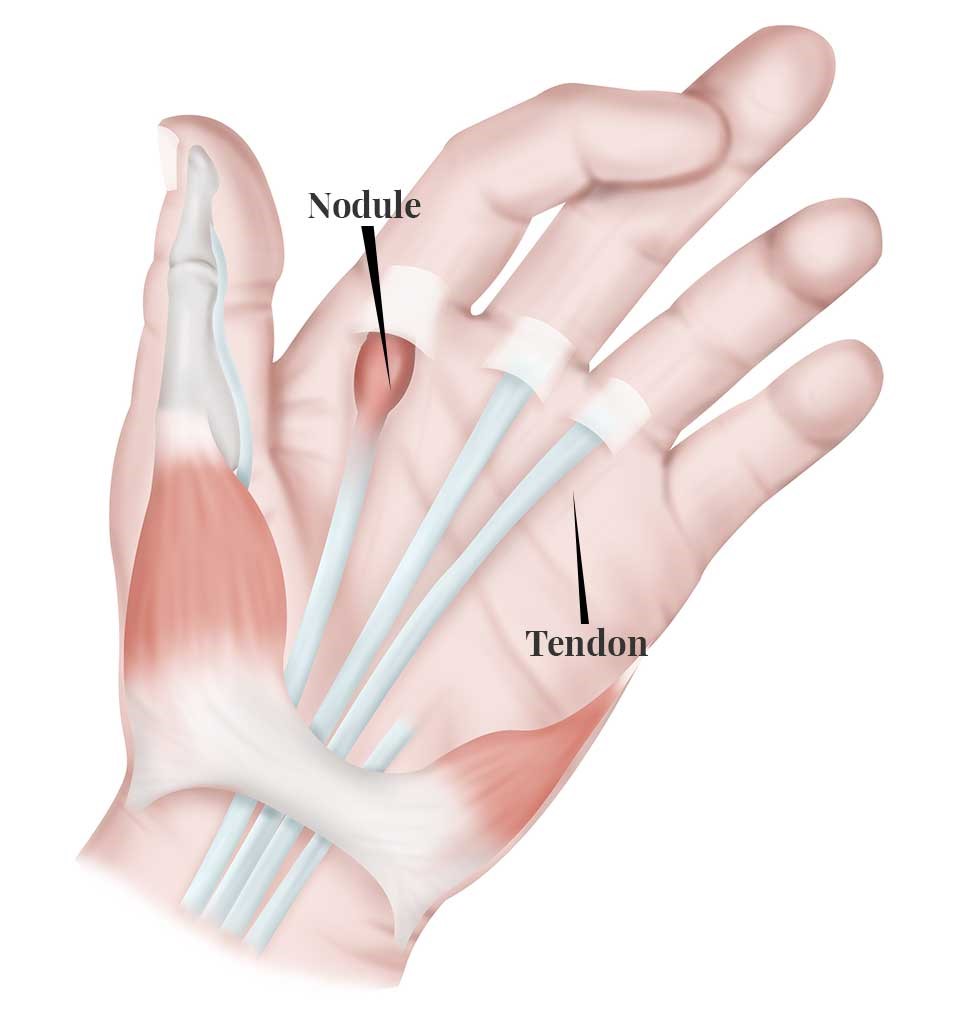
Carpal tunnel is the entrapment of median nerve at the wrist. Carpal tunnel syndrome leads to pain, numbness and tingling in first three fingers of the hand sparing the palm, weakness of thumb, loss of grip strength and dexterity.

Symptoms are usually worse at night and are eased by shaking the hand. Anything that irritates the median nerve at the wrist can lead to carpal tunnel syndrome. This can include a fracture around the wrist, swelling due to inflammatory conditions such as Rheumatoid arthritis, changes in the balance of body fluids as in pregnancy and menopause. It can also include workplace factors such as vibrating tools, poor position of the hand, obesity, diabetes mellitus or double crush syndrome.

Carpal Tunnel Syndrome needs to be differentiated from wrist tendonitis, cervical radiculopathy, cervical derangement and thoracic outlet syndrome leading to similar types of symptoms. If not treated at the right time, it can lead to varying degrees of functional loss.

Treatment for Carpal Tunnel Syndrome

There are two general approaches for treatment for carpal tunnel syndrome – conservative treatment and surgical treatment.
Your Registered Physiotherapist will address the following strategies to help you with your symptom management and treatment:

• Education: It is important to maintain healthy weight, exercise and manage any health problem such as diabetes.
• Proper body mechanics: Keeping your wrist neutral,
avoiding repetitive wrist flexion movements, tight pinching and gripping
An Ergonomic assessment of your workplace can help to prevent recurrence.
• Decompressing the nerve: Mobilisation of certain carpal bones such as the capitate helps to create more space for the median nerve and hence decompress the nerve.
Stretching the retinaculum and improving the flexibility of the muscles around the wrist will also help. Nerve and tendon gliding exercises will ensure the unrestricted motion of the nerve.
• Grip strengthening exercises, fine motor and hand dexterity exercises and postural correction.
• Treat the spine if your symptoms are related to double crush syndrome.
• Taping the wrist or using a Wrist splint.
Check out this link for more information.

The earlier the carpal tunnel syndrome is treated, the less likely are the chances for symptoms to return.Carpal tunnel syndrome Resolution of the symptoms after surgery can be more temporary if the symptoms originate from elsewhere. Our experienced Registered Physiotherapists at PhysioNow will assess you to find out the actual cause of your symptoms and will help you to get rid of your symptoms. Call today!

Urinary Tract Infections


Urinary Tract Infections

Urinary tract infections

Urinary tract infections typically occur when bacteria enter the urinary tract through the urethra. Bacteria then begin to multiply in the bladder. The most common UTIs occur mainly in women and affect the bladder and urethra.
• Infection of the bladder (cystitis).
• Infection of the urethra (urethritis)

Symptoms

• A strong, persistent urge to urinate
• A burning sensation when urinating
• Passing frequent, small amounts of urine
• Urine that appears cloudy
• Urine that appears red, bright pink or cola-colored — a sign of blood in the urine
• Strong-smelling urine
• Pelvic pain, in women — especially in the center of the pelvis and around the area of the pubic bone

Check out this video for more information: http://www.webmd.com/women/guide/your-guide-urinary-tract-infections#1

Lifestyle changes:

Urinary tract infections can be painful. You can take steps to ease your discomfort until antibiotics treat the infection. Follow these tips:
• Drink plenty of water. Water helps to dilute your urine and flush out bacteria.
• Avoid drinks that may irritate your bladder. Avoid coffee, alcohol, and soft drinks containing citrus juices or caffeine until your infection has cleared. They can irritate your
bladder. These drinks tend to aggravate your frequent or urgent need to urinate.
• Use a heating pad. Apply a warm, but not hot, heating pad to your abdomen to minimize bladder pressure or discomfort.
• Wear cotton underwear on a daily basis. Cotton underwear allows more air movement to occur. This keeps the urethra dry.
• Do NOT wear thongs. They track bacteria from your anus forward to your vagina (to the underwear section).

Physiotherapy Treatment

Physiotherapists that are trained in pelvic floor dysfunction can greatly improve a UTI patient’s quality of life. A typical approach includes training pelvic floor musculature, manipulative techniques and local heat. It also includes breathing and relaxation techniques. Lastly, treatment includes postural education, muscle coordination reeducation, and behavioral therapy.

• Reverse Kegel Down training
• Dynamic ROM program including dynamic stretching and core exercises
• Pain education
• Internal pelvic muscle work including trigger point release techniques
• Connective tissue mobilization

If you suffer from urinary tract infections, consider getting a consultation from one of our pelvic health physiotherapists today. They can help! Please call Physionow to book an appointment and get back to living a comfortable life!

Pelvic organ Prolapse

Pelvic organ Prolapse

Pelvic Organ Prolapse

Pelvic organ prolapse is a very annoying problem. Pelvic organs, such as the uterus, cervix, bladder or bowel, may protrude into the vagina because of weakness in the tissues that normally support them. It is a disorder described as a protrusion at or near the vaginal opening. This may or may not cause perineal pressure. This condition is aggravated by standing and relieved by lying down.

Causes of Pelvic Organ Prolapse:

Vaginal child birth
Advancing age
Increased body weight
Hysterectomy
Chronic straining
Abnormalities of connective tissue
Connective tissue repair causes some women to have disruption, stretching, or dysfunction of the connective-tissue attachments of the vagina, or both. This can result in prolapse.

Symptoms of Pelvic Organ prolapse:

The symptoms can vary, depending on the type of prolapse. Generally, people have several complaints. These include bladder, bowel, and pelvic symptoms. Symptoms can include Urinary retention. They can also include changes in bowel function. Many women with pelvic organ prolapse have no symptoms, and do not need treatment. When pelvic organ prolapse causes symptoms, options include observation, conservative pelvic health physiotherapy treatment, and surgery. You can also use a pessary. A vaginal pessary is a removable device placed into the vagina. It is designed to support areas of pelvic organ prolapse.
http://www.webmd.com/urinary-incontinence-oab/placement-of-a-pessary

Treatment for pelvic organ prolapse:

NO effective prevention strategies for prolapse have been identified. However, options include weight loss, and reduction of heavy lifting. There are also various treatments used for constipation. These options can be discussed with your pelvic health physiotherapist. Other treatments include surgery, mechanical devices and pelvic floor exercises.

Conservative management approaches include giving lifestyle advice and delivering Kegel exercises. Kegel exercises are often used in cases of mild to moderate pelvic organ prolapse. Simple instructions are not considered adequate training for a Kegel exercise program (Bump et al 1991). The Society of Obstetricians and Gynecologists of Canada recommends that proper performance of Kegel exercises should be confirmed by digital vaginal examination or biofeedback. This can be done by a skilled Pelvic Health Physiotherapist. PhysioNow has the ability to do this type of treatment at all of our Physiotherapy clinics in Mississauga.
Electrical stimulation with sensor probes can also be used for pelvic floor muscle strengthening.
Kegel Exercises

Finally, it is IMPORTANT TO UNDERSTAND that pelvic organ prolapse is not a gynecological disease but a FUNCTIONAL problem. Pelvic health Physiotherapy can Help! Call PhysioNow today!

Shoulder Dislocation Treatment Mississauga

Shoulder Dislocation Treatment Mississauga

Shoulder Dislocation Treatment Mississauga

Shoulder Dislocation Treatment Mississauga

What leads to shoulder dislocation?Shoulder Dislocation Treatment Mississauga can help!

Many people who have had a dislocated shoulder often refer back to the incident as being so sudden. All that they remember is hearing a loud click and the feeling of excruciating pain immediately after the injury. Yes! they could actually feel the shoulder as it is wrenched out of the socket. It can be a very dreadful experience!!!

That’s when you need Shoulder Dislocation Treatment Mississauga!.
Depending on the severity of injury, Shoulder Dislocation Treatment Mississauga varies. Generally, your doctor orders an X-Ray and Ultrasound to determine the extent of the injury.

Shoulder dislocation classifications:

Shoulder dislocations are classified depending on your symptoms and X-Ray findings. This helps to decide which general guidelines to follow for treating your dislocated shoulder.

Usually, a shoulder sling is provided to maintain the shoulder in a neutral position and offload your shoulder muscles. Depending on your doctor’s advice, they may want you to wear the sling for three to four weeks. Check out this website for a bit more information: Orthoinfo.

How can a Registered Physiotherapist Mississauga help to rehabilitate your shoulder?

A Registered Physiotherapist Mississauga can aid in faster recovery of your dislocated shoulder. Shoulder dislocation treatment Mississauga can get you to start using your shoulder. It will help you to get back to dressing, combing, grooming, eating, lifting objects etc.

Right after injury, Shoulder Dislocation Treatment Mississauga uses modalities such as ultrasound and a muscle stimulator. These electrical modalities bring more blood to the area (fresh oxygen and nutrients. It also calms down the inflammation in the shoulder.

Once you immobilize your shoulder in a sling, it tends to get stiff. Your shoulder muscles develop a lot of spasm and tightness due to lack of motion.

A Registered Physiotherapist Mississauga will mobilize your shoulder joint. The goal is to prevent any complications . A Registered Physiotherapist Mississauga will educate you regarding the use of a sling.

Shoulder Dislocation Prevention

The Registered Physiotherapist will also show you certain positions/activities to be avoided. We want to help you to prevent another shoulder dislocation when the tissues are healing.

Shoulder Dislocation Treatment Mississauga incorporates strengthening exercises. Typically this would include using Theraband, weight cuffs or pulleys to increase the strength in your shoulder muscles. This will help to stabilize your shoulder.

Registered Massage Therapy after Shoulder Dislocation

Registered Massage Therapy is also very helpful to reduce muscle spasm in the neck and shoulder. It reduces pain, spasm and general overall shoulder tightness.

PhysioNow has excellent Registered Physiotherapists and Registered Massage Therapists at all of our locations in Mississauga. Check us out and book an appointment today! We can Help!

Registered Physiotherapy Mississauga

Registered Physiotherapy Mississauga
Foot Pain Management Mississauga
Pain in the foot can result from a sprain of a ligament. It can come from inflammation of a tendon or bony changes from arthritis. It can also come from dropped arches or irritation of the plantar fascia. These are just some of the reasons that a person can develop foot pain.
The anatomy of the foot can make this body part a difficult one to treat well. The key lies in diagnosing the source of the pain correctly. A Registered Physiotherapist Mississauga has the knowledge and expertise to get this information from the assessment.

Foot pain Management Mississauga: Registered Physiotherapy Mississauga of course depends on the injury. It usually consists of modalities for pain. It can include hands on Physiotherapy treatment to treat the pain and stiffness. This is followed by an exercise program that includes a stretching and strengthening program to improve flexibility. Another important component of Foot pain Management Mississauga is education. The Registered Physiotherapist provides education regarding the injury. They will also give you the expected outcome for the injury. Having this knowledge is very important since it allows you to understand what is happening.

One other possibility with Registered Physiotherapy Mississauga is that it helps you to prevent it from getting worse and/or coming back again in the future. For example, if your dropped arches are potentially causing your ongoing pain, the Registered Physiotherapist will suggest that you get orthotics. This will help to correct the positioning of your foot. PhysioNow can make custom foot orthotics for you if you need them.

Foot pain can be very painful if left untreated. It is important to seek treatment as soon as symptoms arise. Like with any other injury, pain can become chronic the longer that it is left untreated. There is also the possibility that secondary injuries can arise. This is mostly from the fact that the longer a person is in pain, the longer they are walking differently. This can cause additional strain on other joints, such as the knees and hips. This will make the overall injury even more complicated. Therefore, getting treatment at the earlier stages of the injury will result in a quicker and more effective outcome.

Registered Physiotherapy Mississauga is a great option to treat Foot pain. PhysioNow has many well trained Registered Physiotherapists in Mississauga at several convenient locations to serve you. Check us out. Take care of your Foot pain today!

Shoulder Dislocation

Shoulder Dislocation

Shoulder Dislocation can be a scary experience! A lot of times, the injury happens so quickly that a patient doesn’t even know what has happened to their shoulder. But what they do know is that there is intense pain and that the shoulder joint looks deformed.

Shoulder Dislocation

How does Shoulder Dislocation Happen?

A shoulder dislocation is usually caused by falling onto your shoulder, trying to stop a fall with the hand or getting hit in the shoulder. With this injury, the ball of the humerus, which is the long bone of the upper arm, has come out of its socket, which is part of the shoulder blade. When this happens, the soft tissue structures that make up the shoulder joint are also overstretched and torn. The ball of the humerus can either be moved out through the front or the back of the socket. The direction of the shoulder dislocation depends on how the hit to the shoulder occurred. However, 95% of dislocations occur through the front of the shoulder.

What can be done for a Shoulder Dislocation?

For a large majority of cases, a doctor “pop” the shoulder back into place. This is called closed reduction of the dislocation. The doctor then places the shoulder in a sling to protect the joint while the soft tissues heal. The sling has to be worn between 2-4 weeks depending on the nature of the shoulder dislocation. It is important to wear the sling appropriately because the shoulder joint is now considered unstable. Until the soft tissue structures heal around the shoulder, certain movements can cause the dislocation to occur again. Therefore it is important to follow the doctor’s recommendations on the sling and make an appointment with a Registered Physiotherapist.
How Can Registered Physiotherapy Mississauga Help?

The Registered physiotherapy Mississauga treatment promotes healing of the injured structures. It also prevents the instability from becoming a chronic problem with a good strengthening program. Modalities such as interferential current and Ultrasound help to reduce the pain from injured tissues. Mobilization and stretching is also very important in healing. Your Registered Physiotherapist at PhysioNow will teach you everything that you need to know. Registered Massage Therapy Mississauga can also be very helpful to relieve muscle tension compensating for instability.

Registered Massage Therapy For Shoulder Dislocation

Registered Massage therapy for shoulder dislocation

Will surgery be required for Shoulder Dislocation?

In cases where the shoulder dislocation keeps recurring because damage to the joint and/or soft tissue structures are too severe, surgery can be performed to get the shoulder joint back into place. However, this occurs only in severe cases. Hopefully, with a great Physiotherapist helping you, you will avoid this step! Call PhysioNow today to book your appointment!

Foot Pain Treatment Mississauga

Foot Pain Treatment Mississauga
Trending Now: Blue Jays’ Jose Batista on 15 day disabled list

Foot Pain Treatment Mississauga happens at PhysioNow. Blue Jays’ Jose Batista hurt his big toe during a June 16 game against Philadelphia. After running into the outfield wall, Bautista had to leave the game early because of pain. An MRI showed that he had suffered a sprain of his left big toe and has to be in a walking boot for the time being. It may seem like it’s an excessive treatment plan for just a simple sprain.

Foot Pain Treatment Mississauga

Types of Sprains

In reality sprains can sometimes be more complicated than a fracture. A sprain is defined as a stretch or tear of a ligament. A ligament is a soft tissue structure that connects two bones together. Ligaments do not receive a good blood supply like muscles or tendons and as a result, they do not heal as well. Furthermore, sprains can be classified into three groups based on the severity of injury. A grade I sprain means that there is mild damage to the ligament and the joint is stable. A grade II sprain means that there is a partial tear in the ligament and the joint is overall less stable or loose. The most severe type of sprain is classified as grade III and it means that the ligament has completely torn or ruptured and the joint has lost stability.

Types of Foot Pain Treatment Mississauga: How Can Registered Physiotherapy Help?

A Registered Physiotherapist is able to help with all three types of Foot pain treatment Mississauga. The treatment for sprains usually starts with rest and reducing inflammation. Depending on the severity of the sprain, it may be necessary to immobilize the joint in order for this to occur. For example a grade II sprain may require a removable walking boot. A grade III sprain may require a cast. Once inflammation is reduced and pain is better, treatment seeks to improve range of motion and strength. A full return to activity or sport quickly is the goal of Physiotherapy Treatment Mississauga.

Since Jose Batista has been wearing a walking boot, it seems that his injury is at least a grade II. Considering the poor blood supply of ligaments and the severity of his particular sprain it is definitely best for him to be out of the game for at least 2 weeks. Proper care in the early phase of this injury is very important so that the ligament is well protected. This give Jose the best chance for healing. Once the walking boot comes off, his injury will be re-evaluated and the Blue Jays’ medical team will decide on his further treatment plan and eventual return to play. Custom foot orthotics may also be beneficial depending on the injury.

If you have injured your toes or feet, Give PhysioNow a call today. We can help!

Osteoporosis: The Breakdown Of Bone Tissue

Osteoporosis

This is a condition that causes the breakdown of bone tissue. This leads to a decrease in bone density. This bone loss leads to an increased risk of bone fragility and fractures. The bones of the hips, spine, wrist and shoulder are most likely to suffer such fractures. According to Osteoporosis Canada, the number of fractures from osteoporosis is more than heart attacks, strokes and breast cancer combined.

The diagnosis is made using a bone scan test. The individual’s bone mineral density result is compared to that of an average young adult. A score is calculated. The score tells the individual how much their bone mineral density differs from the average young person. The World Health Organization uses the scores to categorize the condition. As the score decreases, the risk of fractures increases.

  • Normal: > -1.0
  • Osteopenia: Between -1.0 and -2.5
  • Osteoporosis: <-2.5
  • Severe Osteoporosis: <-2.5 and fragility fracture (fracture that is caused by an injury that would normally not fracture bone)

Treatment focuses on maintaining bone mineral density. The goal is to decrease fracture risk. Registered Physiotherapists Mississauga can play a very important role. They can educate individuals on how to live safely with their condition. A Registered Physiotherapist can provide several strategies to reduce risk. They can suggest adaptive equipment such as using reachers and other long handled devices. This causes less stress on the spine.

Facts About Osteoporosis

Modifications of the environment, such as changing the height of shelves and moving those items used more frequently to waist or shoulder level are also recommended. Activity and movement modifications may involve using lighter weights. Selecting different footwear and advice on what positions to avoid can be helpful. Lastly, an exercise program designed specifically for each person’s impairments is also very important in reducing the risk of fractures. Lifting weights can help to increase bone density. This would help to reduce the risk of fracture.

Registered Physiotherapists Mississauga can help to set up a program of light weight lifting. Weight lifting should be done at least three times per week. This will help to increase bone density. This can be a challenging condition to live with. It can really have a negative impact on quality of life.

The good news is that it certainly does not have to. A Registered Physiotherapist Mississauga can help with management strategies. We can help you to continue to lead an active life! The goals of treatment are: to reduce fracture risk, increase activity, and maintain your healthy lifestyle!

Call today to book an appointment with our highly trained Registered Physiotherapists Mississauga at 289-724-0448! Get started today!

Falls Prevention

Falls Prevention

Seniors are one of the most at risk groups of people for falls. This can be due to many different factors. Some of the most widely recognized are poor health, decreased strength, poor balance, poor vision and altered mental state. Any one of these factors can result in a fall. In most cases it’s a combination of several of these factors that puts seniors at most risk. A fall can lead to a whole range of different injuries. This includes sprains and strains. It also includes more serious injuries such as dislocations, or fractures. Falls can exacerbate pre-existing health conditions. This could lead to heart attacks or strokes from the trauma. Previous falls can also lead to substantial fear of falling. This can prevent people from venturing outside the home and being active. This in turn, can lead to a poor quality of life.

Preventing Falls

Falls prevention is a very important type of rehabilitation that can be provided by a Registered Physiotherapist. The major parts of this Registered Physiotherapy program would include: education and an exercise program. The program would work to increase overall strength and improve balance for those at risk. Education needs to bring awareness about specific risk factors and how to minimize them.

Falls Prevention

The Physiotherapist would also assess balance and look for the presence of Vertigo. In the case of poor balance, a gait aid, such as a cane or walker may be recommended. Special exercises for vertigo may be given if it is present. Footwear may also be assessed.
Lastly, the type of home, the number of stairs, the presence of area rugs and any other types of clutter would be addressed to make the home a safer place. The physiotherapist would design a specific strengthening program. This would aim to improve endurance, function and mobility. It would also work to improve balance so that an individual is less likely to fall.

All of our qualified physiotherapists at PhysioNow can provide falls prevention Physiotherapy and prevent serious injury. This can really improve the overall wellness and quality of life for seniors. Our goal for you is to keep you doing all of the things that you enjoy doing! Call today for your Falls Prevention Assessment 289-724-0448.