Tag Archives: physiotherapy

Why You Should Do Pelvic Floor Muscle Training During Pregnancy

Pelvic floor muscle training, when done in a structured way, helps to prevent certain complications during pregnancy and labour. These changes occur due to hormonal and anatomical changes. The complications that usually occur are incontinence, perineal tears, pelvic organ prolapse, less active pushing required during second stage of labour.

Why is pelvic muscle training important?

Pelvic Floor Muscles

Pelvic Floor Muscles

The pelvic floor is a set of muscles attached to the spine at the back and to the pubic bone at the front.  Importantly, these muscles are the key supporter for the uterus, bladder and bowel. Some activities of daily living help women maintain their pelvic floor strength to functional level. Unfortunately, pregnancy and childbirth lead to the potential injury and weakening of these muscles. As a result, pelvic floor dysfunction is common after childbirth. This includes urinary incontinence, pelvic organ prolapses, dyspareunia and perineal tears. Significantly, this reduces the quality of life in women and cause them to withdraw from fitness.

Structured pelvic floor training help to prevent or reduce these complications. First, it helps to elevate pelvic organs and the resting position of bladder to improve incontinence and prolapse.  Also, training during the antenatal phase reduces the active pushing required during the second stage of labour. Additionally, it improves incontinence by improving co-contraction of the pelvic floor muscles as the abdominal pressure increases. Overall, correct pelvic floor muscle contraction is the key factor to achieving the benefits of pelvic floor muscle training.

What happens to the pelvic floor during pregnancy and childbirth?

First, pregnancy usually leads to the decrease in levator ani strength (one of the major pelvic floor muscles) and anatomical changes occur such as downward movement of the bladder neck, increase in bladder neck mobility, downward movement of pelvic organs, and decrease in urethral resistance due to increased pressure from the growing uterus. As the gestational age increases, so too does the weight of the uterus leading to the pelvic floor being oppressed. As a result, there can be damage to the muscles and nerves.

Secondly, during pregnancy a large amount of progesterone is secreted to maintain pregnancy. Notably, progesterone is a smooth muscle relaxant. The pelvic floor has high amounts of smooth muscle, meaning progesterone may decrease pelvic floor support and urethra tension.  In conclusion, the mechanical and hormonal changes of pregnancy may have an irreversible effect on the pelvic floor. They need to be addressed at the right time through pelvic floor muscle training which is achieved through pelvic health physiotherapy.

Also, during labor, when there is vaginal surgical delivery (episiotomy), a large fetal head or a long second stage of labour, it will lead to damage in the pelvic floor muscles if they are too tight or the perineal area has less flexibility. Vaginal surgical delivery, large fetal head circumference and a prolonged expulsive stage are risk factors for a labour-associated pelvic floor injury.

Effect of pelvic floor muscle training during pregnancy and after childbirth

  1. Firstly, training during pregnancy helps to prevent developing urinary incontinence and can significantly improve the strength of pelvic floor muscles.
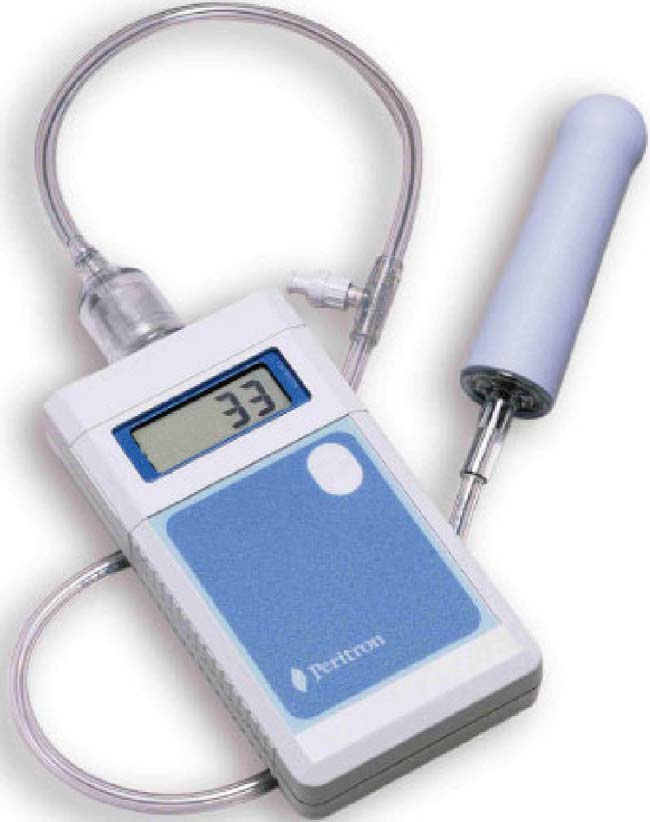
  2.  Secondly, exercises with a perineometer in the post-partum period are helpful in restoring the function and tone of the muscles. Importantly, this aids in preventing early cystocele and rectocele by limiting the movement downwards and improving the vaginal muscles for the retention of contraceptive diaphragm. The “Perineometer,” is an instrument that provides a visual guide to the patient during her exercises.

    Perineometer

    Perineometer for pelvic muscle training

  3. Next, training improves the neuromuscular activity of the pelvic floor in many motor tasks after a partial denervation of nerves in after the first pregnancy.
  4.  Furthermore, training helps to treat nonspecific low back pain and pelvic girdle pain during pregnancy as pelvic floor muscles provide stability to the spine.
  5. Additionally, training helps to shorten the second stage of labour and reduce perineal tears by improving the flexibility, strength and motor control. Overall, this may reduce the need of assisted delivery through forceps and episiotomy.
  6. Lastly, female sexual dysfunction after delivery can be treated by pelvic floor muscle training as it increases the flexibility of the pelvic floor to help the vagina feel looser and relax.


Considering all the positive effects of pelvic floor muscle training during and after pregnancy, it is highly recommended to see a trained pelvic floor physiotherapist. They will guide and train the pregnant women at the right time to prevent or treat any of the pelvic floor disorders.

If you are experiencing pelvic pain or are interested in pelvic floor muscle training, PhysioNow has experienced pelvic health physiotherapists that would love to assist you. Book with PhysioNow today for your first assessment and treatment!
I Have a Herniated Disk: Physio 101

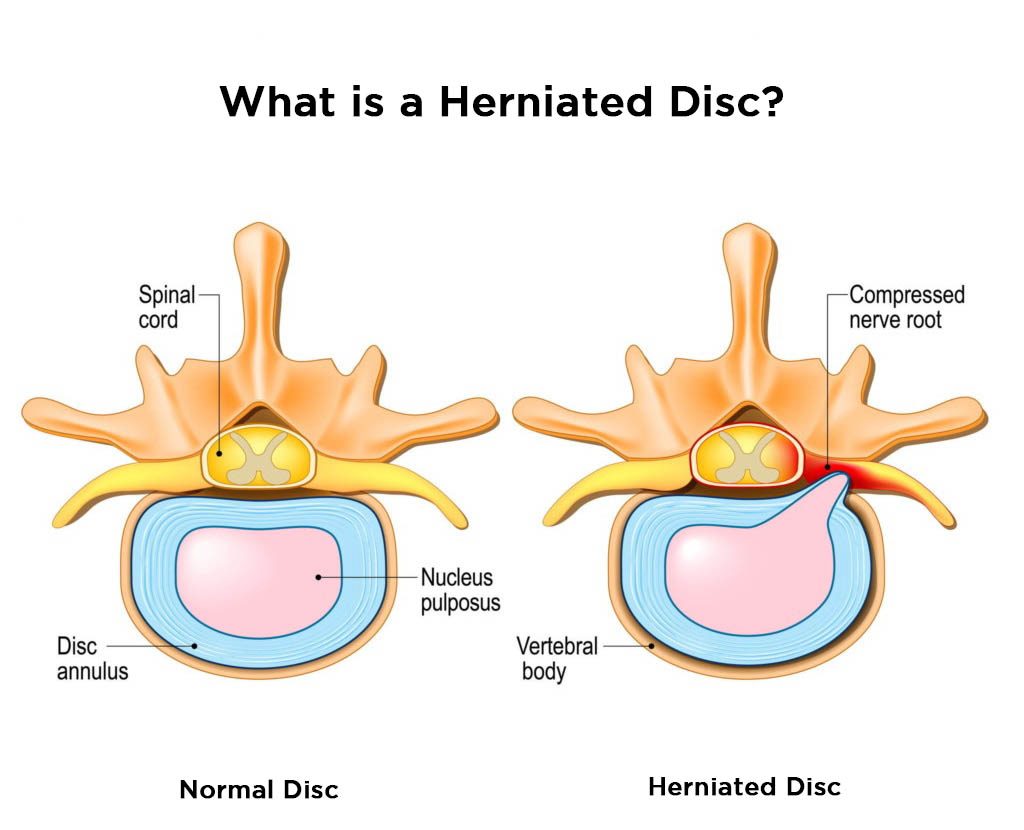
Herniated discs may also be referred to as slipped discs, or disc bulges. They can be a source of pain and fear for many people.  To understand a herniated disc, a quick anatomy lesson is needed, we have included a picture below to help.

What is a Herniated Disc?

Between each of our vertebrae in our spine, there is a disc with a soft inner core (nucleus pulposus, and tougher outside (annulus fibrosus). The herniation refers to the soft layer protruding out, and may vary in size. In larger protrusions, it may put pressure against other structures in the area like the nerves, causing a variety of symptoms in the areas the nerve root gives sensation and motor function to. Herniated discs can occur anywhere along the spine but are are most common in the lower back (lumbar) region.

What are the causes of a herniated disc?

  1. Firstly, age-related degeneration. With age, the intervertebral discs get stiffer which makes them more susceptible to injury when exposed to even minor strains.
  2. Secondly, trauma or injury. For example, a fall or heavy lifting with a twist are strong external forces which can cause a herniation.
  3. Additionally, repetitive strain. Jobs or activities with repetitive bending, twisting and lifting expose the disc to lots of pressure, increasing the risk of herniation

Do I need an x-ray/MRI?

Notably, many people have no symptoms from herniated discs, and are usually unaware they even have one. Oftentimes, many people will receive imaging reports that show varying level of degeneration and even disc herniations in the back, which may seem alarming.  It is important to note that this is actually a normal part of life, many people will have “positive” findings. In other words, even though these things appear on imaging tests, they are not necessarily a problem or correlated with pain. Therefore, it is crucial not to put too much stock in imaging and let the symptoms guide your back pain management instead.   Choosing Wisely Canada has a great article about why imaging may not always be included in the treatment plan.

What are the symptoms?

  1. Firstly, back or neck pain is usually the first sign. It can be mild or severe, stay in one spot or travel down the legs. Usually, the pain is more on one side.
  2. Secondly, numbness and tingling down the arms or legs is a sure sign of nerve involvement. In a disc herniation, the bulge may be putting pressure on the spinal nerves.
  3. Next, muscle weakness may be present due to nerve compression as above.
  4. Additionally, changes in reflexes where they are either exaggerated or reduced. For example, the common example of the reflex is when your doctor hits the reflex hammer beneath the knee on the patellar tendon and your knee automatically kicks out straight.
  5. Finally, pain is dependent on activities and is commonly worsened by certain positions. Usually prolonged sitting, bending, lifting, coughing, and sneezing.

The symptoms of a herniated disc will vary depending on location and severity. Not everyone will experience every symptom, many disc herniations occur with nerve involvement as they do without nerve involvement.

Can a herniated disc be treated?

Physiotherapy Treatment for Low back pain

Back pain from a herniated disc can be treated safely through physiotherapy treatment. Common treatments may include education about how to avoid aggravating your condition, movements or positions that may give you relief, electrotherapy, heat or cold therapy, manual therapy, stretch and strengthening exercises. The specific treatment plan is unique to the individual and the direction of the herniation and will be modified appropriately by your physiotherapist as you get better. Eventually, once your pain has been managed, your physiotherapist will work with you to get you back to normal function and doing the activities you love while remaining pain free. In some cases, they may not respond to physiotherapy in which case further medical management may be required.

If you are experiencing low back pain PhysioNow has many experienced physiotherapists to help you find relief. Book with PhysioNow today for your first assessment and treatment!
5 Ways Physiotherapy Can Help Manage Parkinson’s Disease

What is Parkinson’s Disease?

Parkinson’s Disease is a progressive neurological condition resulting in difficulty starting and maintaining movements in the body. Importantly, there is a loss of some neurons (brain cells) that contribute to coordinating muscles and creating smooth movements. As a result, individuals with this condition experience a range of symptoms that impair their strength, mobility,  flexibility, and posture.

4 hallmark features

  1. Tremors: Firstly, tremors are usually the initial symptom. The tremor is mostly when the body is resting, such as sitting, but may worsen over time to affect the individual while they’re performing other tasks like writing, eating, or shaving.
  2. Rigidity: Secondly, rigidity refers to stiffness of the muscles and joints. In Parkinson’s, it can affect the arms, legs, trunk, and even the face.
  3. Bradykinesia: Next, bradykinesia means slowness of movement which may include stopping or hesitating during movements.
  4. Postural Instability: Finally, difficulty balancing and correcting postural faults which results in an increased risk of falls.

Additionally, if you are interested in a more detailed overview of Parkinson’s Disease and its symptoms, the Parkinson’s Foundation is a great resource.

The role of physiotherapy in Parkinson’s Disease

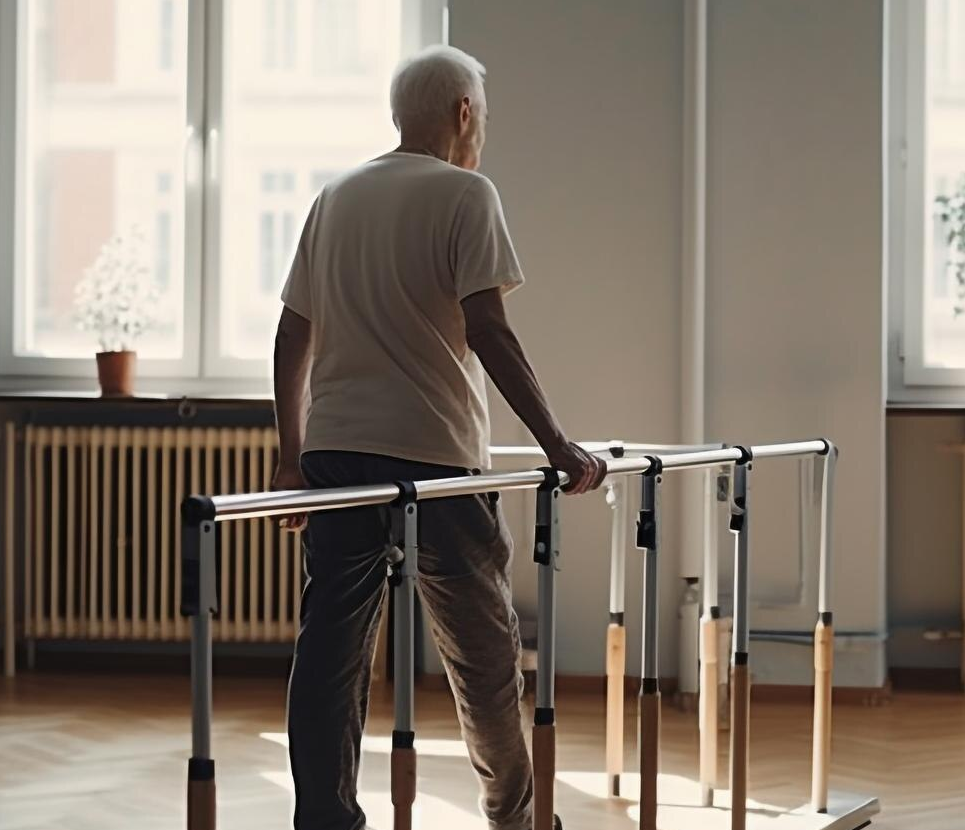
Promoting safety with Parkinson's Disease by using a walker

Unfortunately, there is no cure for Parkinson’s Disease currently but there are ways to manage the condition both from a medical and physical therapy point of view.  Importantly, this will help an individual improve their quality of life and mobility. Physical therapy for this condition will focus on a variety of areas including:

  1. Enhancing strength and flexibility through a home exercise program containing stretching exercises and resistance training.
  2. Additionally, mobility  training will focus on walking and balance exercises and strategies to overcome freezing episodes.
  3. Not to mention, postural correction and postural awareness. Parkinson’s Disease commonly results in a very stopped and rounded posture which can create pain and discomfort.
  4. Next, fall prevention is a crucial part of management. Namely, balance training, functional training, education on techniques and habits to minimize falls, and a home safety evaluation may all be included in this part of the treatment.
  5. Finally, the condition will be managed by a team of health care professionals that will collaborate closely.  Using each profession’s specialty, they will create a comprehensive and holistic plan to promote the optimal quality of life.

In conclusion, physiotherapy is a crucial component of the management of Parkinson’s disease. The goals are to help individuals maintain their independence and minimize the loss of function and negative impacts on the life. If you or someone you know has Parkinson’s disease and is looking to take control of their life back, PhysioNow is ready to help you. Book with us today for your first assessment and treatment with a Registered Physiotherapist.


Osgood-Schlatter’s Disease

Osgood-Schlatter’s disease (OSD) is a fairly common condition in adolescents that results in knee pain and loss of function. Typically, it is characterized by pain and inflammation just below the knee, especially in individuals that are active and engage in sports and other physical activities.  As a result, this condition can be quite disruptive to a young athlete, who suddenly finds themselves unable to participate fully in practices or games due to pain. Specifically, in this blog, we will discuss causes, symptoms, and effective physiotherapy treatment of OSD.


What causes Osgood-Schlatter’s Disease?

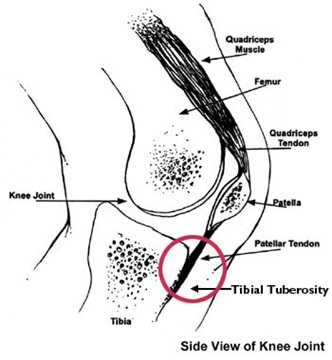
OSD is primarily an overuse injury causing the tendon under the knee, the patellar tendon, and the part of the bone it attaches to, the tibial tuberosity to become painful and inflamed. Eventually,  the tendon and bone experience repetitive traction and strain through high intensity movements such as running and jumping, and the tendon pulls on the still developing bone. As a result, OSD is one of the most common causes of knee pain in adolescents.

Risk factors include:

  • Participation in sports like basketball, soccer, volleyball, gymnastics, track and field and similar activities
  • Males 12-15, girls 8-12
  • Experienced a recent growth spurt

In summary, here is a link that you may find helpful: https://www.hopkinsmedicine.org/health/conditions-and-diseases/osgoodschlatter-disease

What are the signs and symptoms of Osgood Schlatter’s Disease?

  • Occasionally, a bigger bump than normal at the tibial tuberosity
  • Painful to put pressure on the tibial tuberosity
  • Knee pain located just below the kneecap
  • Pain that worsens with pressure around the tibial tuberosity and with physical activities
  • No acute trauma, pain came on slowly over time

How does physiotherapy help?

If you think that your child is experiencing OSD, consulting a physiotherapist is essential for an accurate diagnosis. Your physiotherapist will perform a complete assessment including evaluating the knee strength, range of motion, functional abilities like squatting, and will help you rule out other potential issues.
Next, your physiotherapist will assist your recovery using some of the following treatments. Notably, treatment will vary depending on each individual.

1. Firstly, education on rest, and how to modify the sport and other high impact activities to give the knee
time to heal

2. Secondly, a home exercise program: They will address any muscular imbalances in the body and will assign
a variety of stretching and strengthening exercises to help recovery.

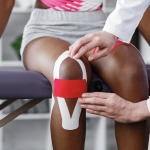
3. In addition, a brace with a patellar strap to relieve tension on the tuberosity (as shown above)

4. Equally, taping may help provide additional support to the knee and reduce strain

5. Additionally, a movement assessment may be necessary to teach the proper ways to perform skills and correcting form to minimize the stress on the knee

6. Lastly, a return to sport plan: Will be graduated and closely monitored to ensure safe and effective return to sport while preventing the risk of injury

In conclusion, if you think your child is experiencing Osgood-Schlatter or any other type of knee pain, PhysioNow has many experienced physiotherapists that would love to help! Meanwhile, book with PhysioNow today for you or your child’s first assessment and treatment!

Chronic Ankle Instability Could Cause Your Ankle Not To Heal

Chronic Ankle Instability

Chronic Ankle Instability

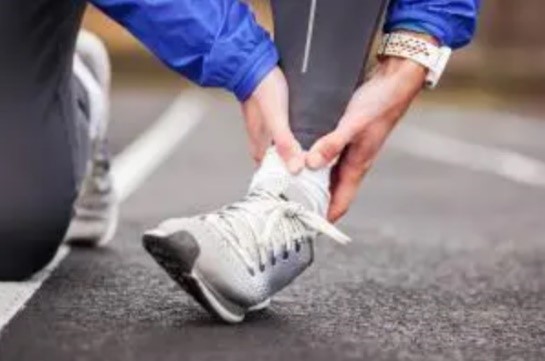
Ankle sprains are one of the most common injuries. Rest, ice, compression and elevation, or the RICE rule, are the go-tos for ankle sprains. In most cases, the ankle will heal between 4-12 weeks. Many people will allow the ankle to heal on its own but a failure to seek treatment and physical rehabilitation for the ankle after just one injury is enough to leave it weaker and more vulnerable to future sprains. Which in turn could result in chronic ankle instability.

What causes ankle instability?

After an ankle injury, there is damage to the ligaments, tendons, and potentially even the ankle joint itself. Ligaments function to limit the normal movement in the ankle, and once they are injured, they may get lax (stretched out). Resulting in the ankle being more unstable. Additionally, the injury results in a loss of strength in the muscles that control the ankle movement, further increasing the instability of the ankle. Finally, it also results in a loss of sensory receptors in the ankle that communicate to our brain where our ankle is in space. This decreased sensation makes it harder to balance and control the ankle which contributes to the ankle instability.

How do I know if I have chronic ankle instability?

Questions to ask yourself include:

  • Does my ankle ever give out?
  • Do I avoid walking on uneven surfaces out of fear of falling?
  • Do I feel like I can’t “trust” the ankle?
  • Do I try to avoid putting all my weight onto one ankle?

If you said yes to these questions and you have had a severe ankle injury or a history of multiple ankle sprains, you may have chronic ankle instability.

Is it permanent?

Chronic ankle instability is not permanent it can improve with the help of a physical therapist and individualize exercise plan. An untreated ankle injury may be chronic when it is not given sufficient time to heal and is constantly being reaggravated. Thus, the first step to treatment will be a proper rehabilitation program with a health professional.

Who treats ankle instability?

Physical therapists are the first step in conservative management of chronic ankle instability. Your physical therapist will perform an assessment on your ankle range of motion, strength, and balance and will assess for any laxity, or more movement than is normal, within the ankle and ankle ligaments.

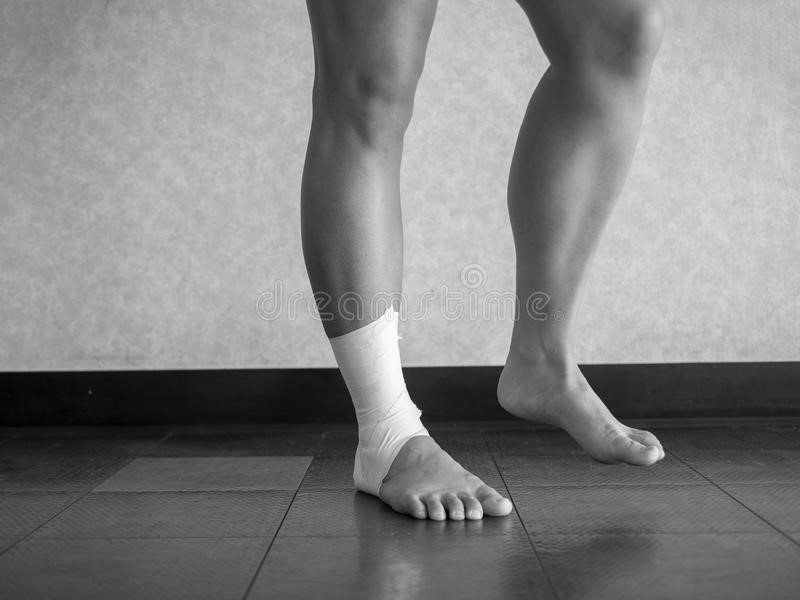
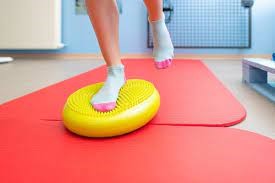
After an ankle injury, there is a loss in strength and proprioception (awareness of the position of the body in space). So exercises are given to re-strengthen the muscles, increase ankle stability, balance, and retrain the body awareness of the ankle. Furthermore, a brace and/or taping is recommended to support the stabilization of the ankle, especially for individuals who engage in high-risk activities like sports.

Chronic Ankle Instability

Chronic Ankle Instability Brace and Tapping

Chronic Ankle Instability Exercises

Chronic Ankle Instability Exercises

However, not all injuries are capable of recovering with conservative management. Thus, in very severe cases, surgery may be an option to repair the injured ligaments and give the ankle stability.

What happens if its goes untreated?

Without treatment, an individual will continue to have difficulties balancing, walking on uneven terrain, and putting weight onto the ankle. Subsequently, the instability may worsen over time and will have a much greater risk of reoccurring injuries to the ankle. Thus making it more challenging to recover from these injuries. Additionally, it can result in damage to the bones and cartilage within the ankle joint as the muscles weaken and fail to support the joint.  Therefore, to avoid severe injury it is highly recommended that individuals seek expert treatment.

If you are having stability problems with your ankle, book with PhysioNow today for an initial assessment and treatment. We have many capable physical therapists that will be able to help your ankle recover!

Trigger Finger

Trigger Finger? What can you do about it?

Trigger finger? What to do

Trigger Finger

Trigger Finger

Lately you’ve noticed that your finger seems to be clicking, and maybe it also catches or locks into a bent position. Sometimes you may need to use your other hand to help you “unlock” your finger. What is this? We call this condition trigger finger.

Your  finger locks in a flexed position. The position it locks in  resembles the position of a finger when it is pulling a trigger.

If you have trigger finger, you may also have:

  • Stiffness and swelling, especially in the mornings.
  • Painful or painless clicking, catching, locking into the bent position then popping straight.
  • Loss of full range of motion of the fingers into flexion and extension (bent and straight).
  • Nodule is felt with other hand.
  • Pain that radiates to the tip of the finger and/or into the palm.

Why does Trigger Finger happen?

An exact cause is unknown, it develops spontaneously or consequently to another disease, repetitive hand movements during a job, or recent trauma to the hand.

The condition occurs due to inflammation and narrowing in the “pulley” system in the hand. As seen in the image below, the tendons of our muscles must pass through a band of tissue in order to control the fingers. The tendon normally glides through this tunnel without issue but the tissue of the tunnel can thicken and narrow, combined with enlargement of or nodules developing in the tendon itself, resulting in impaired movement and the tissues blocking each other.

Trigger Finger Nodule and Tendon

How to treat trigger finger?

The first line of recommended treatment for any condition is conservative care. A physiotherapist can help you recover your hand function and quality of movement. These treatments
may include:

  • Soft tissue techniques, joint mobilizations, and stretches to try and increase the mobility in the
    area.
  • Modalities like ice, paraffin wax, and electrical stimulation to help with pain, inflammation, and swelling.
  • A home exercise program that focuses on increasing range of motion, strength, and gliding of the tendons
  • Education on wearing a splint (as shown below) which blocks the finger from moving excessively, allowing you to go about your daily life without aggravating the condition. Wear this between 6-10 weeks and your physiotherapist may ask you to wear them at night, during work, or as much as possible during the day.

What options do you have for treatment?

In some cases, this condition may be persistent and medical management with your primary provider. For example, options
may  include corticosteroid injections to reduce inflammation and the frequency of the finger locking. Unfortunately, patients may require further intervention when conservative treatment fails, in which case a surgical release of the finger may be indicated. When combined with physical therapy after the surgery, there is usually a rapid and significant improvement in function at relatively low risk. However, there are always increased risks to surgical procedures compared to conservative treatment and where possible, trigger finger should always be treated with non-surgical strategies first and surgery as last resort.

Need some help?

Let us  manage your trigger finger. Here at PhysioNow, we have many highly knowledgeable physiotherapists that can assist you with your issue. If you think you  have trigger finger or have been diagnosed with it, book with PhysioNow today for your first assessment and treatment!
Headaches? See how Physiotherapy can help you!

How do Headaches occur?

There are many different types of headaches with many different causes. Many people may blame it on the weather, stress, or work, and feel like it is out of their control and that nothing can help their headaches. If this sounds like you, there is treatment available and you do not have to live with your pain. Headaches that stem from your neck or jaw are treatable through physiotherapy and can result in a decreased intensity and frequency or even stop them completely. However, migraines can also be manageable with rehab.

What are headaches from the neck?

Cervicogenic Headache

Headaches that stem from the neck are known as cervicogenic headaches and are a type of referred pain. Referred pain means that the pain actually originates from another part of the body, and not the place where you actually feel the pain. Moreover, the head pain is actually coming from problems in the tissues and/or joints in the neck.

Common symptoms of cervicogenic headaches include:

  • Firstly, one-sided headaches
  • Second, neck stiffness
  • Decreased motion in the neck
  • Radiating pain to the eyes, shoulder, or arms
  • Lastly, they are triggered by certain neck positions or movements

What are headaches from the jaw?

TMJ Pain HeadacheHeadaches stemming from the jaw result from dysfunction in the jaw joint, anatomically known as the temporomandibular joint (TMJ). This joint connects your lower jaw to the skull and is used in actions such as talking and chewing as it allows the opening and closing of the mouth. Therefore, headaches are one of the common symptoms of jaw dysfunction. Though they are lesser known, it is commonly missed as a source.

Common symptoms of TMJ dysfunction include:

  • Clicking on the jaw
  • Pain or tenderness with jaw movements (biting, talking, chewing, etc)
  • Headaches, especially in the morning (due to grinding and clenching of the jaw during the night)
  • Also, neck stiffness

How can physiotherapy help?

Your physiotherapist will provide a comprehensive assessment of your neck and jaw to determine a specific treatment plan for you. The evaluation may include observing your resting posture, and the way your jaw and neck move. Also,  how much movement is available in your jaw and neck, and more.

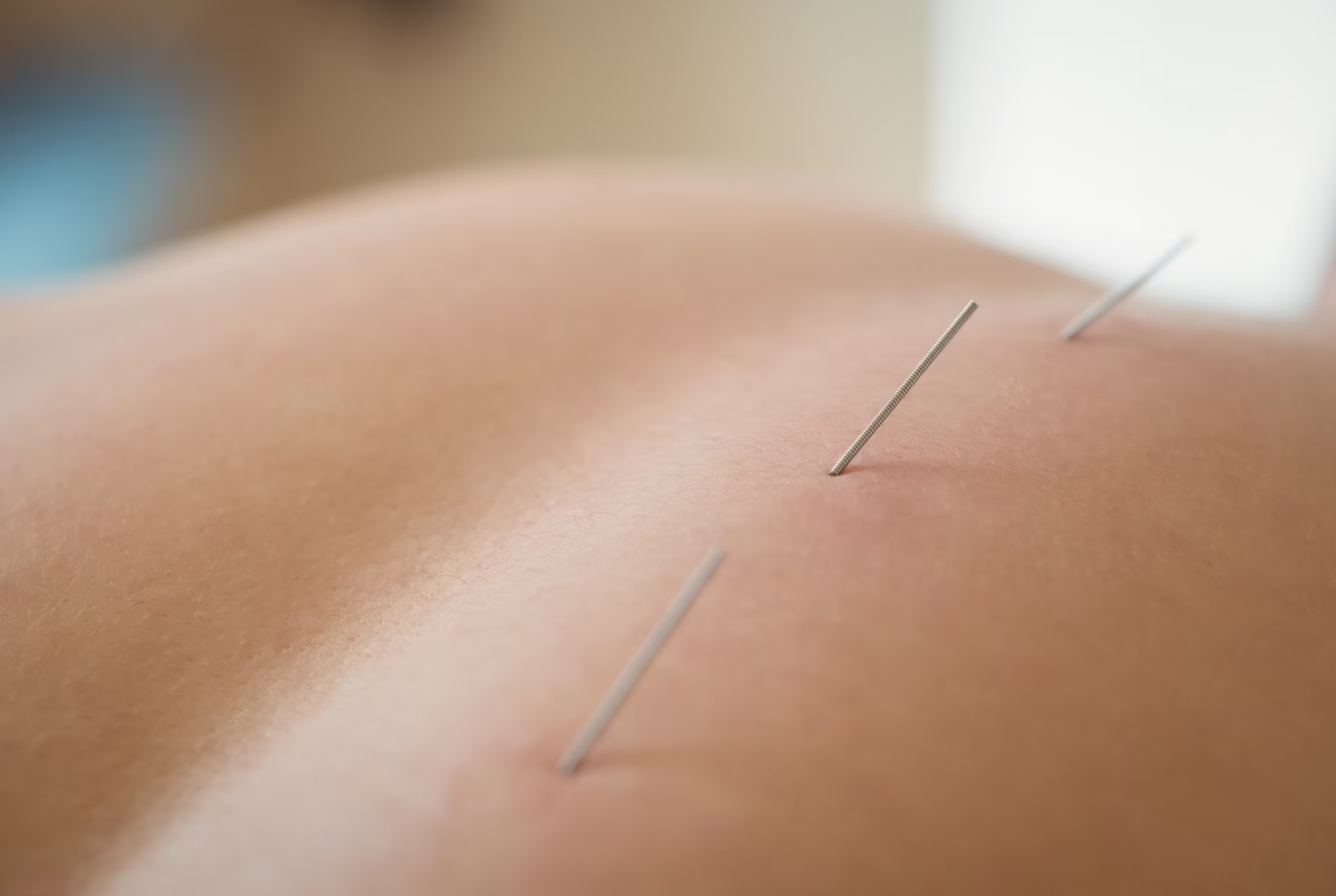
Your treatment plan may include strengthening weak muscles, correcting posture and faulty movement patterns, stretching and mobility exercises, manual therapy techniques like soft tissue massage and joint mobilizations to reduce pain and increase range of motion. They may use modalities like heat, electrotherapy and acupuncture as well depending on your condition and goals of treatment. Your physiotherapist will work closely with you to develop an individualized plan of treatment including a home exercise program, and education on self-management of your condition at home.  They can also inform you and help you get in contact with other healthcare practitioners that may need to be involved in your care.

If you are experiencing persistent headaches, book with PhysioNow today for your first assessment and treatment!

DIASTASIS RECTI


Diastasis Recti is a condition where there is a partial or complete separation due to overstretching of the Rectus abdominis muscles.

Rectus abdominis muscle or the six-pack muscle is a long muscle of the abdominal wall running from the lower rib cage to the pelvic bone, it runs vertically on both sides of the Linea alba.

The function of the muscle is to help in trunk flexion, expiration, and compression of abdominal viscera.

It is commonly seen in

  1. Pregnancy and post-delivery.
  2. Multiparous or multiple pregnancy.
  3. Obesity in male and female.
  4. New born mostly premature due to muscle being not fully developed or connected.

How to identify if you have one.

When you notice a bulge in your stomach while straining or contracting your abdominal muscles.

Lying on your back with knees and hip bend / crook lying, keep your fingers just above your belly button area, lift your head and shoulders up,  finger width or more separation between the two muscles does indicate Diastasis recti.


Diastasis recti can lead to

  1. low back pain.
  2. Alters your posture and stability of your trunk.
  3. Pelvic pain.
  4. Pelvic floor dysfunction.
  5. Hernia in extreme cases.


Activities to avoid:

  1. Strenuous exercises involving strong abdominal muscle contraction or loading like crunches, ab twists, planks, certain yoga stretches like arching backwards
  2. Lifting or carrying heavy loads.
  3. Carrying child on one hip.
  4. Coughing without abdominal bracing or support.
  5. Episodes of severe constipation.


A pelvic floor therapist can help you in educating and providing you with service that would help to overcome this situation.

Starting prenatal exercises will help to maintain and control the tone of the abdominal muscles reducing the pressure over the Linea alba.


Postnatally or clients with Diastasis recti have to target the deep abdominal muscles. This includes the transverse abdominis and pelvic floor muscles. Superficial abdominal muscles are not part of this.  To get an effective result in helping to tone up the muscle and to reduce the gapping between the muscles to get a better quality of life it is important to get a Physiotherapy Assessment and treatment.

After deep muscle recruitment, the superficial muscle recruitment can be initiated.

Breathing exercises,

postural awareness,

lifting technique, and

abdominal support

are other entities that the therapist can educate on and train you in. This will help to overcome the situation and help in the recovery process

Book with us today PhysioNow

For More information on the topic refer Cleveland Clinic


Physiotherapy & Sports Injuries

Physiotherapy & Exercise

Pain and injury can happen to anyone.  Most people have at least one injury or episode of pain in their lifetime. As a result, this leads them to seek professional help.  The most common types of injuries are related to muscle, bone and joints.  However, underlying diseases can also result in pain that leads people to seek Physiotherapy & Exercise.

What are the different types of
Physiotherapy & Exercise available?

  • Physiotherapy
    • Physiotherapists use their knowledge of the body to provide Physiotherapy & Exercise treatment. In addition, they assess, diagnose and treat symptoms from injuries.
  • Massage Therapy
    • Massage therapy is the manipulation of soft tissues. For example: muscles, connective tissues, tendons, ligaments and joints.
    • Massage therapy reduces pain associated with everyday stressors. For example, muscular over-use and chronic pain conditions.
  • Osteopathy
    • Osteopathy views the body as a unit. Above all, they believe that healthy tissues require proper circulation of our body’s fluids
    • Osteopaths use hands on treatments to assess and restore balance through our body’s systems. For example: musculoskeletal, cardiovascular and neurological,

Different Types of Physiotherapy & Exercise

There are many Physiotherapy & Exercise options to help with recovery from an injury. For example:

Electrical modalities
Electrical Modalities
  • Manual therapy
    • Soft tissue releases
    • Joint mobilizations
    • Joint manipulations
    • Passive stretching 
  • Electrical modalities
    • Ultrasound
    • Laser
    • Interferential Current
    • TENS
    • Shockwave
  • Decompression therapies
    • Mechanical lumbar traction
    • Mechanical cervical traction
    • Inversion tables
  • Alternative treatments
    • Acupuncture
    • Cupping
  • Supportive products
    • Braces
    • Taping
Meniscal Injuries
Custom Knee Unloader Brace for Meniscal Injuries


How do I know what treatment is right for me?

It is hard to choose what kind of treatment to try. In other words, deciding what would be most effective for treating your pain.  This is especially true if this is your first time experiencing an injury and/or pain. 

A lot of people end up trying what they are familiar with.  For example, if you have had previous injuries and had Physiotherapy & Exercise for those injuries, you would know what worked.  There is a personal preference regarding which Physiotherapy & Exercise treatments work best for us.

What Physiotherapy & Exercise provides the best overall results?

Physiotherapy & Exercise

The one type of treatment that is the most beneficial is Physiotherapy & Exercise. This is mainly because our bodies are built to move.  There is truth in the saying, “If you don’t use it, you’ll lose it.” 

Exercise has positive results for almost all injuries .  The type of Physiotherapy & Exercise that is best will depend on the injury.  There is no universal approach to exercise that works for everyone.  This is because we are all built differently. However, what works for one person doesn’t mean it will work for another. 


What type of exercises are most beneficial?

  • Muscle and bone injuries will require some form of mobility. Most importantly, progressive strengthening exercises. 
  • Nervous system diseases such as strokes or Parkinson’s Disease will require more balance and functional exercises. 
  • Respiratory illnesses like COPD or emphysema will need exercises that improve and strengthen the muscles of breathing and posture
  • Concussion rehabilitation will need visual and vestibular re-training exercises. 
  • Conditions such as diabetes, cancer, cardiovascular disease, autoimmune conditions need a combination Physiotherapy & Exercise. Therefore, cardiovascular and strengthening exercises have been shown to be most effective in managing their condition. 


Which healthcare professional can prescribe Physiotherapy & Exercise?

It is up to the health care professional to assess your condition and prescribe the correct exercises for you.  Registered Physiotherapists are experts in the assessment of all types of injuries.  They will be able to give the most appropriate treatment for you. As a result, there is always a strong emphasis on exercise and promoting activity. 

A Physiotherapist will be able to develop a specific exercise program for you. They will factor in your age, fitness level and ability to do the exercises at home.  The physiotherapist will be able to guide you with adding exercises into your routine so that it becomes a habit.

Why is exercise therapy an important part of treatment?

A lot of times, people who are inactive think that exercise therapy refers to working out in a gym.  Exercise therapy can refer to any exercise that you enjoy doing. For example: stretching, riding a bike, swimming, yoga and lifting weights.

Pain or Fear of Injury

If pain or fear of injury is preventing you from exercise, seeing a Physiotherapist can help get the process started.  Firstly, a Physiotherapist can assess where the source of the pain or weakness is coming from. Secondly, they start giving the most appropriate exercises to overcome those restrictions. 

Subsequently, with effort, consistency and time, you can see the difference that exercise therapy can provide. As a result, this will lead you to include activity into your everyday life.  Feeling confident with your progress will help lead you to seek out similar active programs in your community.

In Conclusion

Exercise should always be a part of the treatment plan.  With an aging population, there needs to more emphasis placed on Physiotherapy & Exercise. As a result, this will prevent weakness related to ageing and frailty.  Strength and ongoing exercise will allow you to maintain your function and independence as you age. 

If you or someone you know would benefit from Physiotherapy & Exercise, please call today. At PhysioNow Mississauga and PhysioNow Etobicoke, we are ready to help!

Sciatica

Sciatica Treatment Mississauga

Sciatica

Sciatica

Sciatica is a term that gets used quite frequently in the physiotherapy world. This refers to pain, tingling and/or numbness that goes down the back, hip or entire leg.

Who can get Sciatica?

  • It can happen to both younger and older adults for a variety of reasons.
  • For some, it starts after a traumatic event like a slip and fall or after a motor vehicle accident.
  • It can seem like pain develops out of nowhere for others.
  • Pain can start gradually then suddenly increase in severity.
  • The majority of the time, sciatica is a condition that starts with some mechanical changes in the low back that build up gradually over a period of time.

What is Sciatica?

  • The term sciatica itself refers to irritation of the sciatic nerve
  • It is the largest nerve in our body
  • This nerve has its roots at the lower levels of the lumbar spine
  • It  runs through the buttock area, and down the back of the thigh
  • Around the level of the knee, the sciatic nerve splits up into several smaller nerves that run down to supply the muscles of the lower leg, ankle and foot

What are the symptoms of Sciatica?

The symptoms produced by sciatica follow the pathway of the nerve and can reach all the way down to the toes. The symptoms can range from:

  • pain
  •  pins and needles
  • numbness
  • weakness in the leg or all of the above

ACUTE Sciatica

  • Sciatica can be very debilitating when it is in the acute stage.
  • Pain can be quite sharp and severe.
  • As a result, sciatica can limit your movement and function completely.
  • A lot of patients at this stage will rate their pain intensity at a 9 or 10 out of 10.
  • Any position or movement may be pain producing.
  • Anything you try, including over the counter medication, may not help with the intensity of pain.
  • You may feel very helpless and scared at this stage.
  • The sudden onset of intense pain may make you wonder if there is something seriously wrong.
  • You may even feel that you need to go to the emergency room because the pain is so severe.

Should you go to the Hospital for Sciatica?

  • It is not necessary to go to the Hospital for Sciatica.
  • Typically, most people with Sciatica can recover quickly with the help of a trained Registered Physiotherapist!
  •   PhysioNow has trained professionals standing ready to help you Now!
  • We do not need a doctors referral to see you at PhysioNow.
  • However, you may  require a doctor’s note for your insurance plan to cover your treatment.
  • Our Physiotherapists will screen for any serious issues and send you to a doctor if they find any ‘red flags’ with your Sciatica.
  • We will direct bill to your Extended Health Plan if your plan allows us to do so.

However, if you feel more comfortable seeing a doctor first, head to the Hospital or your family doctor.

At the hospital, the standard procedure will be to rule out anything potentially serious. Some of the more serious causes of severe low back pain can include:

Fracture
o History of significant trauma
o If there is osteoporosis present, then minor traumas are risk factors
o Loss of function with all movements making pain worse

• Cancer
o 55 years of age or older
o Previous history of cancer
o unexplained weight loss
o Increasing levels of pain that are not relieved by rest

• Infection
o Fever
o Malaise
o Constant pain
o All movements make the pain worse

Cauda Equina Syndrome
o Severe low back pain
o Pain, numbness or weakness in one or both legs
o Saddle anesthesia – loss of or altered sensations in your legs, buttocks, inner thighs, backs of your legs, or feet
o  Sexual dysfunction
o Sudden changes in bowel or bladder functions – difficulty with relieving yourself or difficulty with holding it in

The role for Physiotherapy in Sciatica

  • Any of the above-mentioned conditions would require emergency treatment, which the hospital would provide.
  • Thankfully, for most patients, their sciatica is not from anything  serious.
  • Most incidences of sciatica are mechanical in nature and can be treated with Physiotherapy.
  • Once the hospital has ruled out anything serious, they will likely prescribe some medication for pain management and provide a referral for physiotherapy.
  • For most people, sciatica can be treated with conservative treatment such as physiotherapy.
  • The important thing about treating sciatica effectively is to determine the correct source of the pain and address those specific areas.

What is causing the Pain from Sciatica?

  • With most sciatica patients, the pain is coming from pressure on one or more of the roots of the sciatic nerve.
  • The pressure on the nerve affects the proper function of the nerve and causes the symptoms to go down the leg.

What about if I have Tingling and Numbness? Is that more serious?

  • The tingling, numbness and weakness that a patient may experience is not something that will be permanent in most cases.
  • A good analogy for this process is like when someone is stepping on a water hose.
  • The pressure from the foot stops the water from passing through the hose.
  • However, once that foot comes off the hose, the water will flow through without any issues.
  • Similarly, the symptoms along the leg will get better once the pressure is removed off the nerve. Physiotherapy will help with this!
  • This pressure on the nerve may be caused by an injury to the disc or bony changes in the area.
  • An experienced physiotherapist will be able to perform a thorough assessment that will determine the potential cause of the sciatica.

Physiotherapy Treatment

  • Once the cause of your sciatica is established, the Physiotherapist will be able to provide the most appropriate treatment to take the pressure off the nerve.
  • Lots of research out there has shown that passive treatments such as heat, ice, and electrical modalities, like IFC and ultrasound, do not provide long term solutions.
  • These types of modalities may be useful in the acute phase to help with the management of pain.
  • They can be combined with other treatments as part of the overall treatment plan for sciatica.
  • However, on their own, they are unlikely to make any significant and long-lasting changes.
  • Specific movements are usually the most effective at shutting off your Sciatica Pain!
  • Your Trained Physiotherapist will determine the best movement for you to shut off your Pain!

Sciatica Treatment

Positions and Movements that can Help with Sciatica Pain

  • More importantly, there has to be an evaluation of what positions and/or movements are pain producing and which are pain relieving.
  • A physiotherapist who has lots of experience working with low back issues will be able to help make this discovery.
  • Therefore, the results of the movement assessment will allow for the prescription of the appropriate exercise to help take the pressure off the nerve roots.
  • For example, if you feel less leg symptoms when you arch your back backwards, then that means your nerve is less irritated with that movement.
  • As a result, your treatment plan will then include exercises that involve various forms of backwards movements that continue to improve your leg symptoms.
  • Possible Sciatica Treatment

What Does Centralization of the Pain mean?

  • As the pressure on the sciatic nerve improves, the pain will move upward towards the low back in a process called centralization.
  • In general, these changes may happen quickly for most patients.
  • However, with more complex cases, it can take longer to ease the pain and regain function.
  • As a result, any movements that  produce centralizing symptoms are going to be beneficial in reducing pain.
  • In the majority of cases, pain can be resolved completely, and you can return to your normal level of activities quickly.

What do I need to know to keep the pain away?

  • It is important that the physiotherapist provides proper education.
  • They should give you  a good home exercise program for the continued maintenance of your sciatica condition.
  • As a result of the pain, some patients will continue to avoid certain activities or movements because of their experience with sciatic pain.
  • Therefore, it is important that your physiotherapist  work with you to regain full function and confidence with your mobility.

PhysioNow has highly trained Registered Phyiotherapists ready to help you with Sciatica.  We have same day emergency appointments available.  Call today to help with the Sciatica Pain! 289-724-0448.