Tag Archives: registered physical therapists mississauga

Sciatica Treatment Mississauga

Sciatica Treatment Mississauga

Sciatica

Sciatica Treatment Mississauga
Sciatica Treatment Mississauga is available at all of our PhysioNow Clinics!
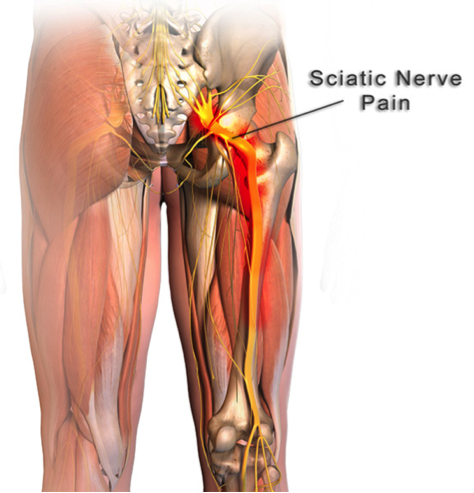
Sciatica refers to back pain caused by an inflammation with the sciatic nerve. This is a large nerve that runs from the lower back down the back of each leg. When something irritates or puts pressure on the sciatic nerve, it can cause pain in the lower back that spreads to the hip, buttocks, and leg. Sciatica Treatment Mississauga can help!
Symptoms

The most common symptoms of sciatica are

• lower back pain that extends through the hip and buttock and down one leg.
• The pain usually affects only one leg and may get worse when you sit, cough, or sneeze.
• The leg may also feel numb, weak, or tingly at times.
• The symptoms of sciatica tend to appear suddenly and can last for days or weeks

Causes

• Sciatica is caused by irritation of the root(s) of the lower lumbar and lumbosacral spine.
• Lumbar spinal stenosis (narrowing of the spinal canal in the lower back)
• Degenerative disc disease (breakdown of discs, which act as cushions between the vertebrae)
• Spondylolisthesis (a condition in which one vertebra slips forward over another one)
• Pregnancy
• Muscle spasm in the back or buttocks

Physiotherapy treatment of Sciatica

Sciatica Treatment Missisauga involves treatments that focus on prevention and management of injuries or disabilities.Sciatica Treatment Mississauga helps to relieve pain, promote healing, and restore function and movement.
A Physiotherapist may focus on decreasing pain with either passive or active therapy.
Passive Physiotherapy may include:

• Manual therapies
• Heat/ice packs
• Electrical stimulation, including TENS units or IFC (Interferential Therapy)
• Ultrasound
• Acupuncture
. Registered Massage Therapy

Active Physiotherapy may include:

• Movement based activities, including stretching and range of motion exercises
• Specific strengthening exercises
• Very Specific Pain relief exercises

Overall, Sciatica is a very debilitating condition which can affect your activities of daily living. PhysioNow Mississauga has excellent Registered Physiotherapists who can help you to overcome your sciatica problem and improve your quality of life. Call today! 289-724-0448
Total hip replacement surgery

Total hip replacement surgery
In total hip replacement surgery (also called total hip arthroplasty), the affected hip joint is removed and replaced with a metallic implant. Total hip replacement surgery is usually performed in people who have severe arthritic changes. Normally they have a lot of pain in their hip and find difficulty walking or walk with a limp. Its an extensive surgical procedure that involves slitting open the muscles around the hip and buttock. Muscles that are usually cut are those that are required for walking and using the stairs. These are some of the functional activities that can be affected with hip arthritis.

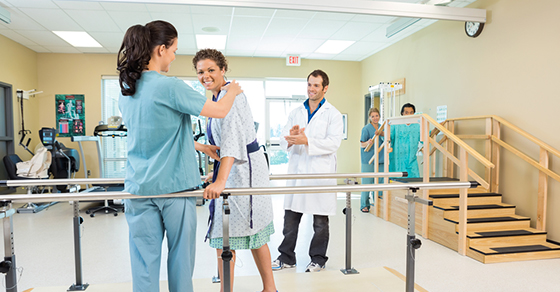
You don’t have to wait until your hip surgery to come and see a Registered Physiotherapist Mississauga. In fact, seeing a Registered Physiotherapist right after your decision to undergo a replacement surgery can get you back on your feet quicker after your surgery. You can set up a pre surgical appointment with PhysioNow to get you ready for your surgery. One appointment before the surgery can save you recovery time after the surgery. We can go over all of the things you need to know for after the surgery.

What to expect
Before the surgery
– Physiotherapists at PhysioNow Mississauga will closely work with you to get you back on your feet early after surgery. Check out this video if you want to see a bit more of what to expect with Total Hip replacement surgery. It is from the University of California, but it gives a comprehensive overview of the procedure and explains it quite well.

Physiotherapy Treatment will consist of:

– Assisting you to get the right size walker/cane to offload excessive stress during the initial phases of recovery
– Managing your pain and swelling during the initial phases of recovery by providing compression to the area using a compression stocking and applying ice around your hip joint
– Electrical modalities such as interferential therapy to decrease post-surgical hip pain
– Registered Massage Therapy to relax the muscles around the surgical area and your low back
– Using different exercise equipment such as theraband , weights and exercise machines
– Strengthening of the muscles around your hip to help you walk without a limp
– Various exercises to strengthen and maintain adequate flexibility in your hip/leg muscles
– Education on home modifications (elevated toilet seat, use of grabber) to facilitate your mobility in the house
– Simple foot/ankle exercises to prevent pooling of blood around your calf

Registered Physiotherapy Mississauga will help with functional recovery after your total hip replacement surgery. Total recovery from Total Hip replacement surgery takes an average of three months. The surgeon should send you home with a list of instructions to follow immediately after surgery. It is very important to follow the precautions that the surgeon gives you to avoid serious complications. Your physiotherapist can review these precautions with you!

After Total Hip replacement surgery, you will be ready to see a physiotherapist for further treatment outside of the hospital within 5- 7 days after discharge from the hospital.
You should expect to see your physiotherapist 1-2 times per week depending on your progress for up to 3 months after surgery.
Total Hip Replacement Surgery
The goals of physiotherapy are:
– to have no limp when walking
– ability to climb stairs with normal alternating gait
– ability to walk as far as you want to walk without developing a limp from fatigue or weakness
– able to get out of a chair easily
– excellent balance while standing on one foot: up to 60 seconds without losing balance

Good Luck with your Surgery! Please call us to get started on recovery or to prepare you for your surgery! Call today! 289-724-0448.

Sciatica Treatment Missisauga

Sciatica Treatment Missisauga

Sciatica Treatment Mississauga is available at all of our PhysioNow Mississauga Clinics, www.physionow.ca.
Sciatica refers to back pain caused by an inflammation with the sciatic nerve. This is a large nerve that runs from the lower back down the back of each leg. When something irritates or puts pressure on the sciatic nerve, it can cause pain in the lower back that spreads to the hip, buttocks, and leg.

Sciatica Treatment Mississauga

Sciatica

Symptoms of Sciatica


The most common symptoms of sciatica are

• lower back pain that extends through the hip and buttock and down one leg.
• The pain usually affects only one leg and may get worse when you sit, cough, or sneeze.
• The leg may also feel numb, weak, or tingly at times.
• The symptoms of sciatica tend to appear suddenly and can last for days or weeks

Causes of Sciatica

• Sciatica is caused by irritation of the root(s) of the lower lumbar and lumbosacral spine.
• Lumbar spinal stenosis (narrowing of the spinal canal in the lower back)
• Degenerative disc disease (breakdown of discs, which act as cushions between the vertebrae)
• Spondylolisthesis (a condition in which one vertebra slips forward over another one)
• Pregnancy
• Muscle spasm in the back or buttocks

Sciatica Treatment Missisauga

Sciatic Treatment Mississauga involves treatments that focus on prevention and management of injuries or disabilities. Sciatica Treatment Mississauga helps to relieve pain, promote healing, and restore function and movement.
A Physiotherapist may focus on decreasing pain with either passive or active therapy.

Passive Physical therapy includes:

• Manual therapies
• Heat/ice packs
• Electrical stimulation, including TENS units
• Ultrasound
• Acupuncture

Active Physical therapy Mississauga includes:

• Movement based activities, including stretching and range of motion exercises
• Specific strengthening exercises
• Pain relief exercises
• Low-impact aerobic conditioning

Overall, Sciatica is a very debilitating condition which can affect your activities of daily living. Sciatica Treatment Missisauga at PhysioNow Mississauga consists of treatment from excellent registered physiotherapists. These Registered Physiotherapists Mississauga can help you to overcome your sciatica problem and improve your quality of life. Call today to get started! 289-724-0448, or Check out our website www.physionow.ca/areas-of-injuries/low-back-pain-treatment.

Post Prostatectomy Incontinence

post-prostatectomy-incontinence

Post-prostatectomy-incontinence is a common problem after radical prostatectomy. Patients report that this is the symptom which most disrupts their quality of life. Up to 75 percent of men experience a short period of mild incontinence. This is particularly after removal of the catheter that was placed during surgery. Most patients regain total urinary control after radical prostatectomy. However, this can take up to a year to achieve. Apparently, a small percentage (2% to 4%) experience permanent incontinence. Following radical prostatectomy, men who experience post-prostatectomy-incontinence may express concerns about visible wetness, urine odor, and the type of clothing that can be comfortably worn.
post-prostatectomy-incontinence
Types of Urinary Incontinence

The two types of post-protatectomy incontinence following prostate surgery are:
• Stress incontinence – Stress incontinence is the involuntary loss of urine that can occur during physical activity, like lifting a heavy object, or when you laugh or sneeze. These . activities put increased “stress” or pressure on the bladder.
• Urge incontinence – Urge incontinence is the sudden need to urinate due to bladder spasms or contractions.

What Can Be Done to Treat post-prostatectomy-incontinence after Prostate Cancer Treatment

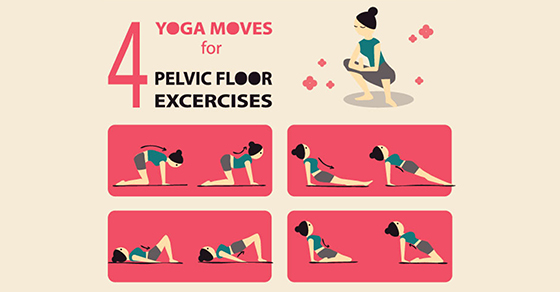
• Pelvic floor exercises: Kegel exercises strengthen the muscles when you squeeze them
• Stop urinating mid-stream. These exercises can be combined with biofeedback programs that help you train these muscles even better.
• Supportive care. This treatment includes behavioral modification. This includes drinking fewer fluids, avoiding caffeine, alcohol, or spicy foods, and not drinking before bedtime.

People are encouraged to urinate regularly and not wait until the last moment possible before doing so. In some people, losing weight may result in improved urinary control. Supportive care also involves changing any medications that interfere with incontinence.

Neuromuscular electrical stimulation.

This treatment is used to retrain and strengthen weak urinary muscles and improve bladder control. With this treatment, a probe is inserted into the anus and a gentle current is passed through the probe at a level below the pain threshold.This causes a contraction. The patient squeezes the muscles when the current is on. After the contraction, the current is switched off.

As you can see, there are many things that can be done to treat post-prostatectomy-incontinence. PhysioNow has trained pelvic Health Physiotherapists in Etobicoke ready to help you get started on regaining your life. It is hard to talk about these symptoms, and harder yet to find somebody who can help. Our therapists are sensitive and discreet. You will be treated in a quiet private room and your privacy will be fully respected. Get started today! Call today and ask for a pelvic health physiotherapy consultation at PhysioNow.

Female & Male Pelvic Pain

Female & Male Pelvic Pain Female & Male pelvic pain

There are various conditions which are treatable under male and female pelvic pain.

Vulvodynia

Pain that affects the entire vulva
Symptoms
• Burning
• Stabbing
• Stinging
• Itching
• Sensitive to touch and pressure
• Functional limitation (Sex/ tampon/clothes)

Vestibulodynia

The vestibule is where the vulva (area of the skin on the outside) meets with the vagina. It is an extremely sensitive part of your body.
Symptoms:
Hypersensitivity on light touch, such as during intercourse and on insertion of tampons.Some women have pain but are able to tolerate penetrative sex. They may have soreness and tenderness. This may include soreness with tight clothes and even light touch to the area.

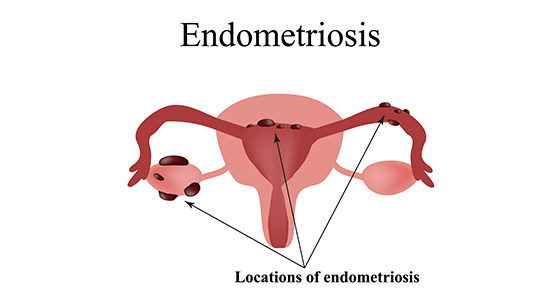
Dyspareunia, Vaginismus, Dysmenorrhea, Irritable Bowel Syndrome (IBS) and Endometriosis

Endometriosis

Vaginismus: Inability to penetrate due to spasm of the muscles
Dyspareunia: Painful vaginal penetration in the absence of disease
Dysmenorrhea:
Irritable Bowel Syndrome (IBS): Abdominal Pain or discomfort, At least 3 days per month in the last 3 months.

Irritable Bowel Syndromes

Pain is associated with 2 or more symptoms:
– Improvement with defecation
– Onset associated with a change in stool frequency
– Onset associated with a change in stool form

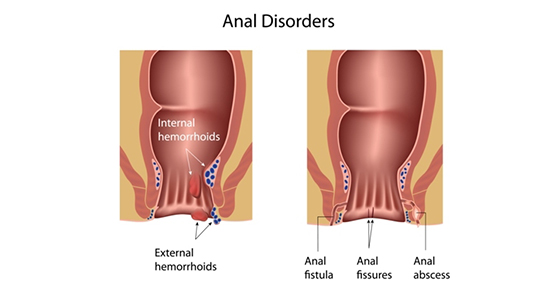
Anal Disorders

Men have pelvic pain!

• Chronic Pelvic Pain Syndrome
• Interstitial Cysts
• Bladder Pain Syndrome
• Levator Ani Syndrome
• Urethral Syndrome
• Coccydynia
• Pudendal Neuralgia
• Anal fissures

Physiotherapy Treatments for Female & Male Pelvic Pain

Kegel Exercise

Connective tissue massage

Dermoneuromodulation or non?nociceptive input
Improve mobility of affected areas
Down regulate the sympathetic nervous system (nervous system restore and relax)
Nutrition
Behavioural techniques (manage stress)
Movement Therapies
Kegel exercises depending on the type of muscle tone and condition.
Contract relax and Reciprocal inhibition techniques
Add mobilizations–? massage with movement

As you can see, there are many things that can be done to help with Female & Male Pelvic Pain. PhysioNow can Help! We have fully trained Pelvic Health Physiotherapists to help with all of these conditions. Call today to book an appointment!

Urinary Tract Infections


Urinary Tract Infections

Urinary tract infections

Urinary tract infections typically occur when bacteria enter the urinary tract through the urethra. Bacteria then begin to multiply in the bladder. The most common UTIs occur mainly in women and affect the bladder and urethra.
• Infection of the bladder (cystitis).
• Infection of the urethra (urethritis)

Symptoms

• A strong, persistent urge to urinate
• A burning sensation when urinating
• Passing frequent, small amounts of urine
• Urine that appears cloudy
• Urine that appears red, bright pink or cola-colored — a sign of blood in the urine
• Strong-smelling urine
• Pelvic pain, in women — especially in the center of the pelvis and around the area of the pubic bone

Check out this video for more information: http://www.webmd.com/women/guide/your-guide-urinary-tract-infections#1

Lifestyle changes:

Urinary tract infections can be painful. You can take steps to ease your discomfort until antibiotics treat the infection. Follow these tips:
• Drink plenty of water. Water helps to dilute your urine and flush out bacteria.
• Avoid drinks that may irritate your bladder. Avoid coffee, alcohol, and soft drinks containing citrus juices or caffeine until your infection has cleared. They can irritate your
bladder. These drinks tend to aggravate your frequent or urgent need to urinate.
• Use a heating pad. Apply a warm, but not hot, heating pad to your abdomen to minimize bladder pressure or discomfort.
• Wear cotton underwear on a daily basis. Cotton underwear allows more air movement to occur. This keeps the urethra dry.
• Do NOT wear thongs. They track bacteria from your anus forward to your vagina (to the underwear section).

Physiotherapy Treatment

Physiotherapists that are trained in pelvic floor dysfunction can greatly improve a UTI patient’s quality of life. A typical approach includes training pelvic floor musculature, manipulative techniques and local heat. It also includes breathing and relaxation techniques. Lastly, treatment includes postural education, muscle coordination reeducation, and behavioral therapy.

• Reverse Kegel Down training
• Dynamic ROM program including dynamic stretching and core exercises
• Pain education
• Internal pelvic muscle work including trigger point release techniques
• Connective tissue mobilization

If you suffer from urinary tract infections, consider getting a consultation from one of our pelvic health physiotherapists today. They can help! Please call Physionow to book an appointment and get back to living a comfortable life!

Pelvic organ Prolapse

Pelvic organ Prolapse

Pelvic Organ Prolapse

Pelvic organ prolapse is a very annoying problem. Pelvic organs, such as the uterus, cervix, bladder or bowel, may protrude into the vagina because of weakness in the tissues that normally support them. It is a disorder described as a protrusion at or near the vaginal opening. This may or may not cause perineal pressure. This condition is aggravated by standing and relieved by lying down.

Causes of Pelvic Organ Prolapse:

Vaginal child birth
Advancing age
Increased body weight
Hysterectomy
Chronic straining
Abnormalities of connective tissue
Connective tissue repair causes some women to have disruption, stretching, or dysfunction of the connective-tissue attachments of the vagina, or both. This can result in prolapse.

Symptoms of Pelvic Organ prolapse:

The symptoms can vary, depending on the type of prolapse. Generally, people have several complaints. These include bladder, bowel, and pelvic symptoms. Symptoms can include Urinary retention. They can also include changes in bowel function. Many women with pelvic organ prolapse have no symptoms, and do not need treatment. When pelvic organ prolapse causes symptoms, options include observation, conservative pelvic health physiotherapy treatment, and surgery. You can also use a pessary. A vaginal pessary is a removable device placed into the vagina. It is designed to support areas of pelvic organ prolapse.
http://www.webmd.com/urinary-incontinence-oab/placement-of-a-pessary

Treatment for pelvic organ prolapse:

NO effective prevention strategies for prolapse have been identified. However, options include weight loss, and reduction of heavy lifting. There are also various treatments used for constipation. These options can be discussed with your pelvic health physiotherapist. Other treatments include surgery, mechanical devices and pelvic floor exercises.

Conservative management approaches include giving lifestyle advice and delivering Kegel exercises. Kegel exercises are often used in cases of mild to moderate pelvic organ prolapse. Simple instructions are not considered adequate training for a Kegel exercise program (Bump et al 1991). The Society of Obstetricians and Gynecologists of Canada recommends that proper performance of Kegel exercises should be confirmed by digital vaginal examination or biofeedback. This can be done by a skilled Pelvic Health Physiotherapist. PhysioNow has the ability to do this type of treatment at all of our Physiotherapy clinics in Mississauga.
Electrical stimulation with sensor probes can also be used for pelvic floor muscle strengthening.
Kegel Exercises

Finally, it is IMPORTANT TO UNDERSTAND that pelvic organ prolapse is not a gynecological disease but a FUNCTIONAL problem. Pelvic health Physiotherapy can Help! Call PhysioNow today!

Acupuncture – Physiotherapy

Acupuncture – Physiotherapy

Classical acupuncture originated ~2250 years ago. It has its history in Traditional Chinese Medicine.
Modern “western” acupuncture originated in the 1970s, Western acupuncture was based on modern anatomical knowledge.
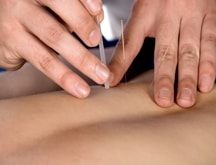
Acupuncture – Physiotherapy involves the insertion of thin needles into the body at specific points.
Because the needles are so thin (1/100th the width of a hypodermic needle), there is very little feeling when they are put in. Many people barely feel it when the needles go into the skin. Most acupuncture points are located on or next to nerves and muscles.

Benefits of Acupuncture – Physiotherapy:

The introduction of acupuncture needles can reduce pain and inflammation. Acupuncture – physiotherapy can help to restore normal function. Acupuncture can also help reduce stress, anxiety and depression, as well as promote energy and relaxation.

Safety Concerns with Acupuncture – Physiotherapy

Acupuncture is very safe when performed correctly.
Before any acupuncture treatment, a registered physiotherapist will carry out a full safety assessment. This will make sure that you are medically suitable for acupuncture in Physiotherapy.
After cleaning their hands, the physiotherapist will clean your skin prior to needle insertion.
We always use pre-sterilized, single-use, disposable needles. WE NEVER RE-USE NEEDLES.
Needles are typically left in place for approximately twenty minutes.

Acupuncture

Acupuncture

Typical Injuries that Acupuncture may be used to Treat

In addition to acupuncture – Physiotherapy, other modalities or treatments may be chosen to help decrease your pain. Acupuncture – Physiotherapy can be used for Tennis Elbow, Golfer’s elbow, Low Back Pain, Neck Pain,any many other injuries. Exercises may also be given by the Physiotherapist to complete your treatment.

If you have any further questions regarding the use of acupuncture – Physiotherapy, please don’t hesitate to call your local PhysioNow clinic to speak to one of our specialists. We are happy to speak with you and answer your questions. If you want to find out if Acupuncture is right for you, give us a call today!
We look forward to meeting you soon!

Urinary Incontinence

Urinary Incontinence
Urinary incontinence is the involuntary leakage of urine. This condition is more common among women than men. An estimated 30 percent of females aged 30-60 are thought to suffer from it, compared to 1.5-5 percent of men. 3.3 million Canadians have Urinary Incontinence.
– 1 in 4 women
– 1 in 9 men
Only 1 in 12 people tell a health care worker, WHY?
– Embarrassed
– They think it is a Private Issue
– Some think it is an Inevitable part of aging….IT IS NOT!
This issue has a lot of Social Consequences like decreased self esteem.It also causes impaired emotional status, depression and isolation. It impedes social and physical activity. It has a heavy economic burden on patients, families and society (Hunskaar, 1991, Temml, 2000).

Risk Factors for Urinary Incontinence
Gynecological or urinary surgery
• Chronic Illness
• Medication
• Smoking
• Chronic straining
• Obesity
• Post menopausal (hormone changes)
• Over 40 (1 in 3)
• Pregnancy and Birth
• Multiparous: having had more than one child
• Obstetric trauma (forceps, suction, tearing)

Types of Urinary Incontinence

Stress: This is the most common type of urinary incontinence. It is a loss of small to moderate amounts of urine with exertion – with coughing, sneezing, jumping, running, laughing, changing position etc. Often this is due to weakness of the pelvic floor muscles.
Urge This is a loss of urine (sometimes large amounts), following an urgent need to empty the bladder. The urge can be extremely strong and impossible to ignore.
Overflow This consists of a loss of urine due to over-filling of the bladder. This is because the bladder is unable to empty properly.
Functional: A loss of urine due to physical problems preventing the person from reaching the washroom in time.
Mixed: A combination of stress and urge incontinence.

Physiotherapy treatments of Urinary Incontinence

The goal of Physiotherapy is to teach you to regain control of your bladder. Treatment will always involve a lot of education. Registered Physiotherapy for Pelvic Health will teach you simple measures. TheseUrinary Incontinence can make a big impact on your bladder control.

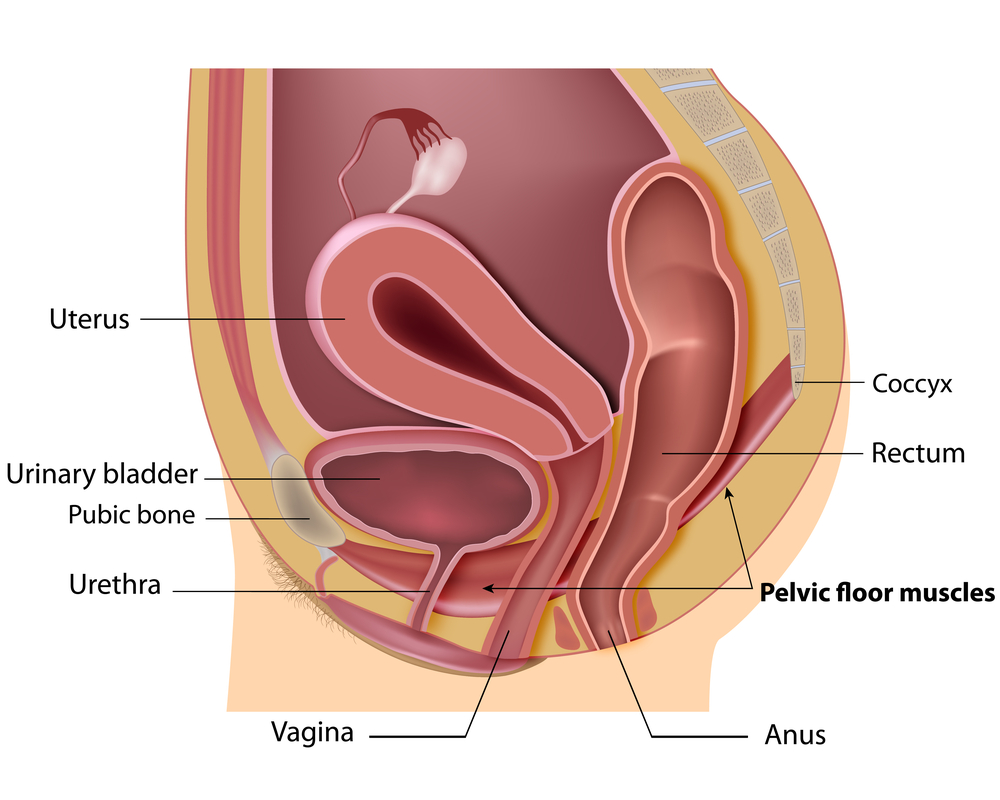
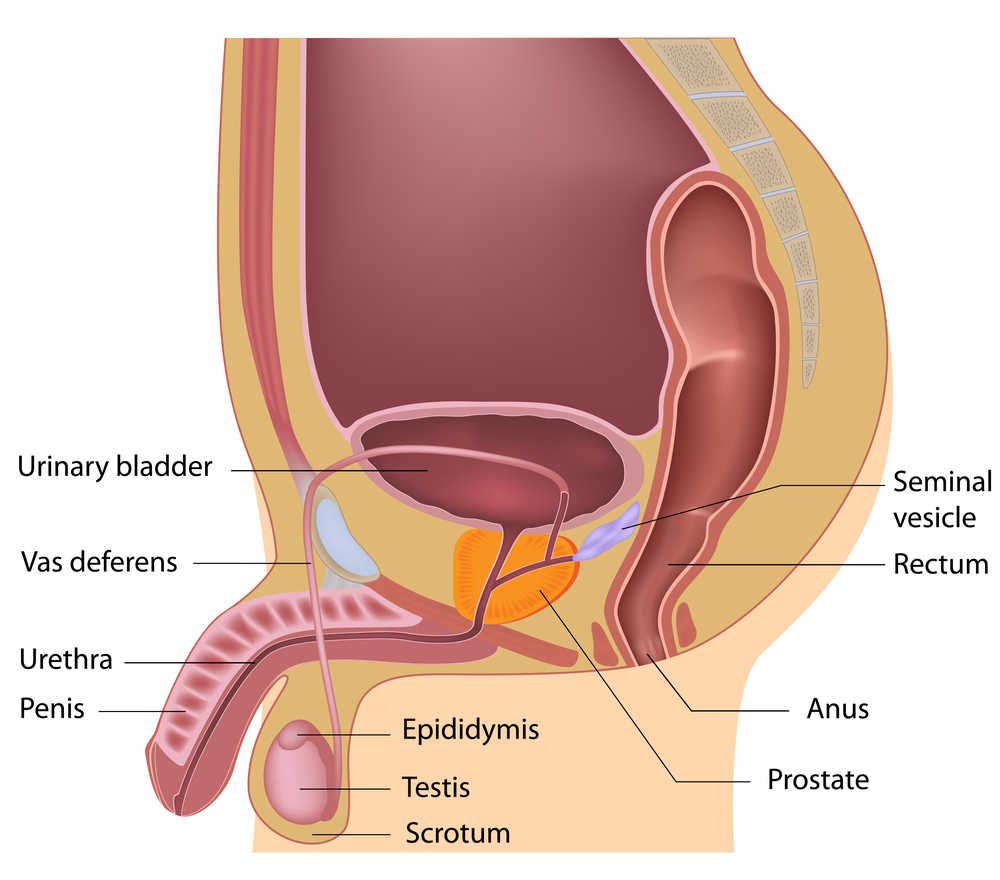
Pelvic Health Treatment is often focused around the pelvic floor muscles. These are considered as a basket of muscles that support organs against gravity and intra–?abdominal pressure and vaginal/rectal walls.
Other Pelvic Health techniques may include bladder retraining, postural re-education, exercises for the abdominals and other ‘core’ muscles. A home exercise program will always be an important part of your Pelvic Health treatment. Electrical stimulation with sensors is used to increase pelvic floor muscle strength in cases of marked weakness.

You can check out this link to learn more about Urinary incontinence: http://www.medicalnewstoday.com/articles/165408.php.

If you would like to learn more about Urinary Incontinence or book an appointment with one of our Pelvic Health Registered Physiotherapists, please contact PhysioNow. We can Help!!

Urinary Incontinence

Get back to your life and all the things you enjoy!

Recovery Tips: Total Knee Replacement

Recovery Tips: Total Knee ReplacmentRecovery tips: Total Knee Replacement

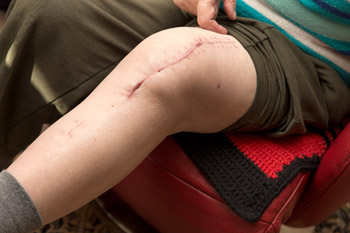
Getting a new metallic knee and a big surgery can be very overwhelming. It is particularly hard right after the surgery! Here you will find some Recovery Tips: Total Knee Replacement.
These can help with faster recovery.

Exercise

During the first few days following the surgery, you are at risk of developing a clot in your calf. This is because as you are not moving much due to pain or from the effect of anesthesia. Simple foot/ankle exercises will prevent pooling of blood around your calf leading to a possible clot.
Registered Physiotherapists Mississauga can help to manage your pain and swelling right after the surgery.

Other Recovery tips: Total Knee Replacement

Many surgeons recommend providing compression to the area using a compression stocking. They also recommend using ice around your knee joint. Its usually done with your leg elevated so that gravity can further help to drain the swelling around your knee.

As part of your home exercises, pumping your ankle up and down is advised. It is also recommended to avoid keeping your knee in a position such as prolonged sitting with your feet dangling in the air. This can cause your knee to swell more.

Registered Physiotherapists Mississauga might use electrical stimulation(IFC) to further help with draining of the fluid in your knee joint. Electrical stimulation helps to stimulate muscle contraction around your knee joint which helps to drain the fluid from your knee joint.

Yes, there are many ways to control the swelling around your knee joint and Registered Physiotherapists Mississauga at all of our PhysioNow locations can assist in your road to recovery following Total Knee Replacement.

Exercise remains the key way to achieve a faster recovery following total knee replacement. Registered Physiotherapists Mississauga will provide an exercise program for your knee so that there is less stiffness setting in around your knee. Also, exercise will prevent your muscles from shrinking or weakening following surgery.

Recovery Tips: Total Knee Replacment

physiotherapy: knee pain

A Knee slider board can be helpful to keep the knee moving through the full range in a more comfortable way. PhysioNow has knee slider boards available for rent after your knee surgery. Please call PhysioNow today to reserve a board for after your surgery.

Final Recovery Tips: Total Knee Replacement

Changes to your home that may be helpful:
Use of a hand rail in the shower or bath
Use of a raised toilet seat with arms
Make your home clutter free- remove loose rugs/carpets/cords
Use of a Shower chair in your bath tub
Use of a Reacher to grab objects
Secure hand rails at stairs